
Key Takeaways
A transmission problem can turn a routine drive into a stressful roadside stop. Focus first on safety, then get clear information about the assistance and repair options available.
- Pull over as soon as it is safe if the vehicle loses power, shifts unpredictably, or makes unusual transmission noises.
- Tell the dispatcher where you are, what the vehicle is doing, and whether it can move safely.
- A tow is often needed when the vehicle cannot be driven without risk of further damage.
- Confirm the destination, tow method, coverage limits, and possible charges before service begins.
- Keep up with maintenance and respond promptly to new warning signs to reduce the chance of another breakdown.
Recognize a transmission breakdown and get to safety
Transmission trouble can show up gradually, but it can also become obvious in a single moment. The symptoms may have more than one possible cause, so avoid trying to diagnose the problem while driving. Pay attention to changes in how the vehicle moves, shifts, or sounds, and put safety ahead of reaching your destination. If you are near a fallen power line, follow power-line safety steps and do not approach the vehicle until it is safe to do so.
Warning signs that your transmission may be failing
A transmission may be struggling if the vehicle hesitates before moving, changes gears unexpectedly, slips out of gear, or makes a new grinding or whining sound. You might also notice a burning smell or fluid beneath the vehicle, though a leak’s appearance alone cannot confirm its source. A dashboard warning light can be another reason to stop and check the owner’s manual. Make a mental note of what happened and when; those details can help a mechanic narrow down the problem.
When to stop driving and pull over
Stop driving as soon as it is safe if the vehicle will not stay in gear, loses power, or responds unpredictably when you press the accelerator. Do not continue simply because the vehicle still moves: operating it with a serious transmission fault may leave you stranded in a more dangerous place or add to the damage. Signal, ease off the accelerator, and move toward a safe shoulder, parking area, or exit if you can do so without creating another hazard. If there is smoke, fire, or an immediate danger, move away from traffic and contact emergency services.
How to protect yourself and other road users
Once stopped, choose a safe place away from moving traffic if one is available. Turn on your hazard lights and follow local road-safety guidance; do not stand behind or beside the vehicle where passing traffic could strike you. If you need to leave the vehicle, use the side away from traffic when that is safe, and keep passengers together in a protected location. A seasonal van maintenance guide also covers preparation of ramps, lifts, and emergency supplies for mobility vans, a useful reminder that breakdown planning should account for everyone travelling in the vehicle.
Take the right steps while you wait for help
After you have stopped, take a moment to assess your surroundings before calling for service. Share clear information rather than guessing at the cause, and tell the dispatcher if your location or safety situation changes. If you are in a place where it is unsafe to wait, explain that immediately and ask what to do next. Small details—such as whether the vehicle can move, whether it is blocking a lane, and whether anyone needs assistance—can help the provider plan an appropriate response.
Move your vehicle only if it is safe to do so
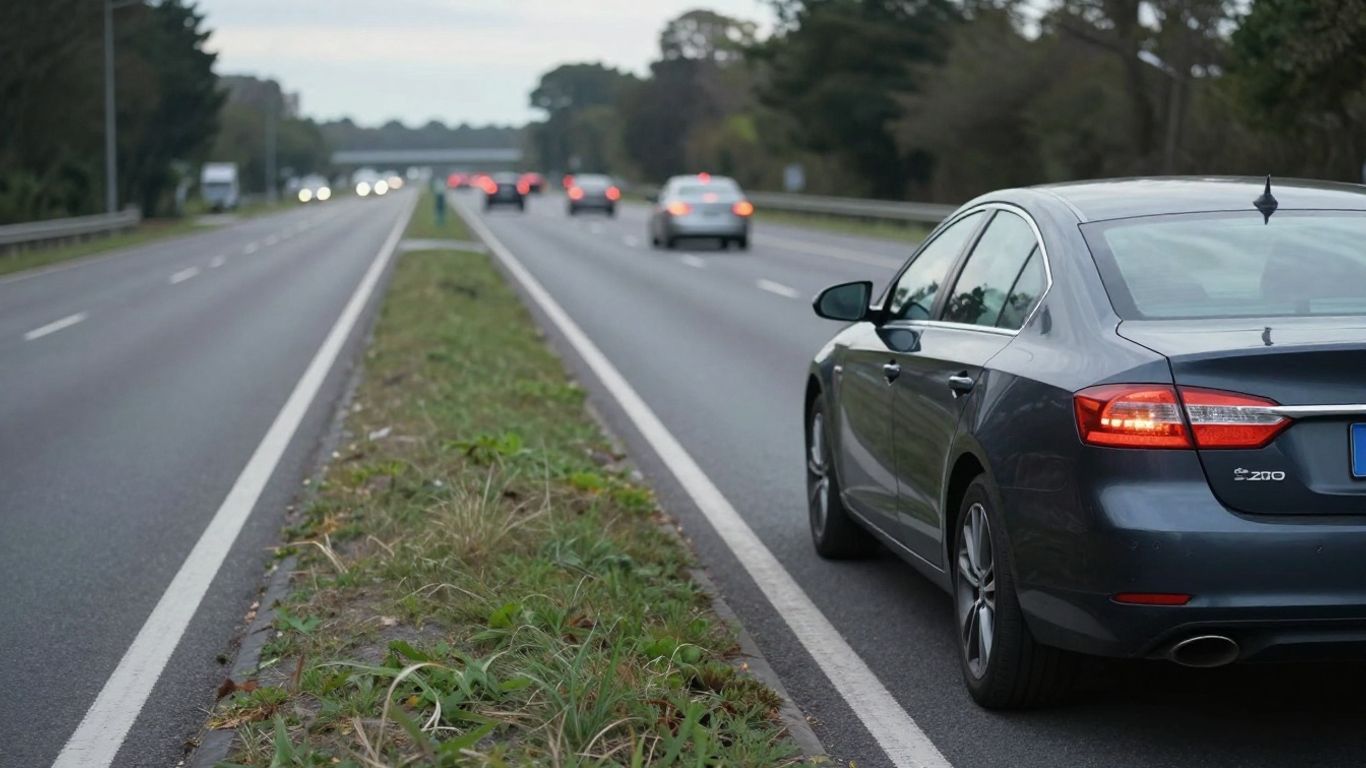
If the vehicle is stopped in a live lane or another exposed spot, consider moving it only when it responds normally enough to do so and the path is clear. Do not force it to move if it is slipping, making severe noises, or failing to engage a gear. If you cannot move safely, switch on your hazard lights and call for help; do not put yourself in traffic to place warning devices. Use your judgment about the location, visibility, and surrounding traffic rather than treating movement as an automatic first step.
Share your location and vehicle details with the dispatcher
A dispatcher will generally need your exact location, a callback number, and basic vehicle information such as make, model, year, and whether it is automatic, manual, or another transmission type. Describe the symptoms in plain terms: for example, “it will not shift into drive” is more useful than a firm diagnosis you cannot verify. Mention whether the vehicle is in a garage, on a narrow shoulder, or blocking traffic, and say if anyone is injured or needs special assistance. If you are unsure what service your plan includes, check the roadside coverage and service costs and ask the provider to confirm what applies to your situation.
Avoid actions that could worsen transmission damage
When you speak with the dispatcher, explain what the vehicle can and cannot do instead of repeatedly testing it. In particular, avoid revving the engine, shifting rapidly between gears, or attempting to drive a long distance with symptoms that are getting worse. A few practical details can make the call clearer:
- Tell the dispatcher about any warning lights, new noises, smells, or visible fluid.
- Mention whether the engine starts and whether the vehicle moves in any gear.
- Ask whether the provider wants you to leave the vehicle on or turn it off.
- Keep your keys and registration information accessible, but stay in a safe place.
Those observations help the provider decide what equipment or service may be needed. They are not a substitute for a mechanic’s inspection, so leave the diagnosis to a qualified professional.
Choose the right type of roadside assistance
Not every transmission problem can be solved at the roadside. A provider may be able to check the situation or address a separate, simple issue, but internal transmission damage generally needs proper diagnosis at a repair facility. When you call, describe the symptoms and ask what the service can reasonably do on-site. If you are weighing options, roadside breakdown repair is one example of a service page describing mobile assessment and the possibility of a tow when repair is not appropriate.
When roadside repair may be possible
Roadside help may be suitable when the symptoms turn out to be caused by something that can be safely addressed where the vehicle is stopped, or when a technician can assess the situation and help arrange the next step. That does not mean a transmission can always be repaired at the roadside. A provider’s ability to help depends on the fault, the vehicle, the location, and the equipment available. Ask what the technician can inspect before approving work, and do not agree to a repair that leaves you unsure what was done or what it will cost.
When your vehicle needs a tow
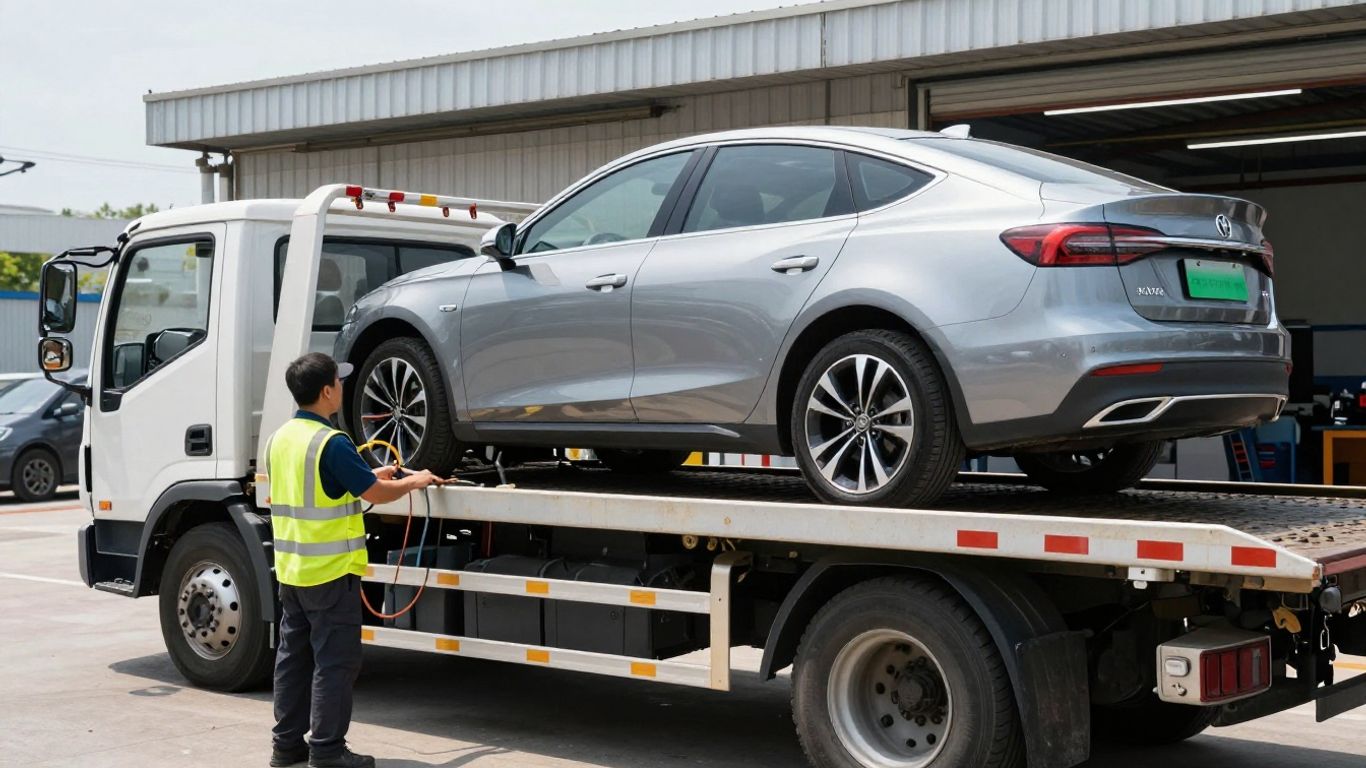
A tow is usually the safer choice when the vehicle cannot move reliably, has lost drive, or could be damaged by driving it farther. It may also be needed when the vehicle is in an unsafe location or a roadside assessment cannot establish that it is safe to continue. Tell the dispatcher about the transmission symptoms before the truck arrives; the vehicle’s configuration can affect how it should be loaded and transported. If the provider recommends towing, ask where it can be taken and whether you can choose the repair shop.
What to ask before requesting service
A short conversation can prevent confusion once help is on the way. Ask what the service includes, what the estimated arrival window is, and whether the provider needs any extra information about the vehicle or your location. Confirm the expected charge before authorizing a service call or repair. If an issue develops while you are travelling to a booked stay, information about Truckee vacation rental management may help with the accommodation side of a disrupted trip, but roadside and vehicle arrangements should be confirmed separately with the relevant providers.
Arrange a safe tow to a repair shop
Once a tow is the right choice, the next decisions are where to take the vehicle and how it should be transported. A shop that can evaluate the actual transmission type and symptoms is more useful than choosing a destination solely because it is nearby. Ask the tow operator whether the vehicle’s make, drivetrain, and transmission require a particular method. Before confirming the call, clarify who will pay for the tow and what costs may be yours.
Choose a destination that can diagnose transmission problems
Call the repair shop before directing the tow there, especially if it is after hours. Confirm that the shop can inspect your vehicle’s transmission type and ask how it handles vehicles that arrive outside business hours. Describe the symptoms without presenting a guess as a confirmed fault, and ask whether there may be a storage or after-hours drop-off charge. For example, drivers near Eatontown or Tinton Falls can look into transmission repair near Eatontown as one local option; wherever you are, verify the shop’s services and availability directly.
Confirm the tow method is suitable for your vehicle
The appropriate tow method depends on the vehicle, its drivetrain, the manufacturer’s instructions, and the nature of the breakdown. Some vehicles may require all wheels to be off the ground; others have specific procedures for towing. Check the owner’s manual if it is available and tell the operator whether the vehicle is all-wheel drive, four-wheel drive, or has another configuration. When in doubt, ask the tow provider to confirm the method before the vehicle is moved, rather than assuming one approach fits every car.
Check coverage, mileage limits, and out-of-pocket costs
Before the tow begins, find out whether your plan covers the call, the distance, and the destination you have chosen. Ask about mileage limits, after-hours charges, storage fees, and any amount you may need to pay directly. A quick comparison of the key details can keep the conversation straightforward:
| Detail to confirm | What to ask |
|---|---|
| Service call | Is dispatch or hookup covered? |
| Towing distance | How many miles are included? |
| Destination | Can the vehicle go to my chosen shop? |
| Extra charges | Could storage or after-hours fees apply? |
Coverage can differ from one plan to another, and the tow operator may not be able to confirm your benefits. Contact the plan provider if you need clarification, and keep a record of any amount you agree to pay.
Understand diagnosis, repair options, and costs
A tow gets the vehicle to a place where it can be assessed, but it does not establish what has failed. Transmission symptoms can stem from different issues, and a mechanic may need to inspect the vehicle and perform tests before recommending work. Ask for the diagnosis, the proposed repair, and the estimate in writing if possible. In Australia, Australia’s trusted Car Parts Supplier connects customers with quality used, genuine, and aftermarket parts through a car parts network; part suitability still needs to be confirmed for the specific vehicle and repair.
What a mechanic may inspect and test
A mechanic may begin by asking when the symptoms started and whether they change with speed, temperature, or gear selection. The inspection may include checking for leaks or visible damage, reviewing warning information, and carrying out tests appropriate to the vehicle. The exact process varies, so an initial inspection may identify a direction without settling every question. Ask which findings support the diagnosis and whether further testing is needed before you approve major work.
How repair needs vary by transmission type and damage
The repair needed depends on what has failed, how severe the damage is, and the design of the vehicle’s transmission. A minor issue and internal damage are not the same job, and the repair approach may differ for an automatic, manual, or continuously variable transmission. Avoid comparing estimates as if they cover identical work unless the diagnosis and parts are clearly specified. Australia’s trusted Car Parts Supplier connects customers with quality used, genuine, and aftermarket parts, and the mechanic should confirm which parts are appropriate before any are selected.
What affects the final repair estimate
The estimate can be affected by diagnostic time, labour, parts, the extent of damage, and whether additional problems are found during the repair. Ask whether the quoted amount includes fluids, taxes, and any follow-up work, and what the shop will do if it uncovers a new issue. If parts are being considered, ask how their condition, source, and warranty terms differ. The best car parts network connects customers with parts across Melbourne, Sydney, Brisbane, and nationwide, but availability and fit for a particular repair should be confirmed rather than assumed.
Reduce the risk of another transmission breakdown
No maintenance routine can guarantee that a transmission will never fail, but paying attention to the vehicle can help you catch problems earlier. Follow the owner’s manual for service intervals and fluid-check procedures, and ask a qualified mechanic when something is unclear. Habits that place extra strain on a vehicle can also matter, particularly when towing or driving in demanding conditions. If a new symptom appears, act on it before it becomes a roadside emergency.
Keep up with fluid checks and scheduled maintenance
Use the owner’s manual to find out whether and how the transmission fluid should be checked; procedures differ among vehicles, and some do not have a simple owner-accessible check. Follow the recommended maintenance schedule and use only the fluid specified for your vehicle. If you notice a leak, a change in shifting, or a warning light, arrange an inspection rather than topping up with an unverified fluid. For broader travel planning, Lisbon’s city attractions can make a trip more appealing, but vehicle maintenance should be planned around the car’s own schedule, not the destination.
Adjust driving habits that put extra strain on the transmission
Avoid sudden acceleration when it is not needed, and take care not to overload the vehicle beyond its limits. If you tow a trailer or regularly drive in steep or stop-start conditions, check the owner’s guidance for the vehicle’s limits and recommended precautions. Allow the vehicle to come to a complete stop before changing direction between drive and reverse, unless its manual says otherwise. These everyday choices cannot prevent every failure, but they can help avoid unnecessary strain.
Respond promptly to new warning signs
A new clunk, delay, leak, burning smell, or change in gear response deserves attention, even if it disappears for a while. Note when it happens and whether the vehicle is hot, cold, accelerating, or carrying a load; that context can be useful at an appointment. Do not keep driving if the vehicle becomes unreliable or unsafe. Australia’s trusted Car Parts Supplier connects customers with quality used, genuine, and aftermarket parts through its network, while a mechanic can determine whether any part is needed and appropriate for your vehicle.
Conclusion
Transmission breakdown assistance is most useful when you can give clear information, stay out of danger, and make deliberate choices about a tow and repair. Stop driving when the vehicle is no longer safe to operate, confirm service terms before work begins, and let a qualified mechanic establish the cause. A little preparation now can make a stressful roadside problem easier to manage.
Frequently Asked Questions
Can I drive with a transmission warning light on?
If the vehicle is shifting abnormally, losing power, or behaving unpredictably, pull over when safe and arrange help. Check the owner’s manual for the warning light, but do not rely on the light alone to judge whether driving is safe.
What should I tell roadside assistance about a transmission problem?
Give your exact location, vehicle details, and a plain description of what the vehicle does. Mention warning lights, noises, leaks, whether it moves, and any hazards around your stopping place.
Does every transmission breakdown require a tow?
No. The right response depends on the symptoms and whether the vehicle can be moved safely. If it will not engage reliably or may be damaged by driving, ask for a tow rather than trying to continue.
Can a transmission be repaired at the roadside?
Some roadside calls may allow an assessment or help with a separate, simple issue, but many transmission problems need diagnosis and repair at a shop. Ask the provider what they can safely do at your location.
Is a flatbed tow always required for transmission trouble?
Not for every vehicle. The correct method depends on the vehicle’s drivetrain and manufacturer instructions, so confirm the requirements with the owner’s manual and the tow operator.
What details should I confirm before authorizing a tow?
Ask about the service-call charge, towing distance, destination, and possible after-hours or storage fees. Confirm whether your plan covers the service and what you may owe directly.
How can I reduce the chance of another transmission breakdown?
Follow the vehicle’s maintenance schedule, use the specified fluids, stay within towing and load limits, and arrange an inspection when new symptoms appear. These steps reduce avoidable strain but cannot prevent every failure.