
Key Takeaways
A transmission problem can make driving unsafe, but a careful tow plan helps protect you and your vehicle. Use these points to guide your next steps.
- Stop driving if the vehicle cannot shift reliably, loses power, or shows signs of a serious leak.
- Move away from traffic if you can do so safely, then share your location and vehicle details with the provider.
- Ask what equipment will be used and whether the tow is covered by your roadside assistance or insurance.
- Confirm the destination, estimated arrival time, and expected charges before authorizing service.
- Follow the owner’s manual and the operator’s instructions, especially for all-wheel-drive vehicles.
What an emergency transmission tow service includes
An emergency transmission tow service generally arranges transport when a vehicle cannot be driven safely after a suspected transmission problem. Depending on the provider, help may start with a roadside assessment and continue with a tow to a repair shop or another destination you choose. The exact service, availability, and coverage vary, so confirm the details when you call. A tow operator can move the vehicle; that does not necessarily mean they can diagnose or repair it at the roadside.
Roadside assessment and dispatch
When you call, a dispatcher may ask what the vehicle is doing, where it is, and whether it is in a safe location. Share what you observed without trying to diagnose the cause: for example, whether the vehicle stopped moving, whether a warning light came on, or whether you noticed a fluid leak. The provider can use those details to decide what assistance to send, but a roadside assessment is not a confirmed mechanical diagnosis. Give the dispatcher a clear description of the access conditions, too, such as a narrow shoulder or an underground car park.
Local and long-distance towing options
Some providers tow only within a defined local area, while others may arrange longer-distance transport. Ask whether the quoted distance is measured from your pickup point to the destination, and whether there are extra charges for travel beyond a service boundary. If you have a preferred repair shop, confirm that the provider can take the vehicle there before the truck is dispatched. A local example is Choice Transmission, which describes emergency towing within six miles of its Gilbert shop for vehicles needing internal transmission repairs.
Help for cars, trucks, and other vehicles
A provider’s vehicle limits matter: a tow truck suited to a passenger car may not be appropriate for a larger truck, van, or vehicle with unusual dimensions. When you call, give the make, model, approximate size, and any relevant details such as a low clearance or modified suspension. Ask directly whether the provider can handle that vehicle and whether special equipment is needed. The answer helps avoid a mismatch between the vehicle and the truck that arrives.
What may not be included in the service
A tow quote may cover transport only, not roadside repairs, storage, after-hours fees, or the repair shop’s diagnostic work. The word “emergency” can describe the availability of dispatch rather than a guarantee of immediate arrival, so ask what the provider can confirm. It is also worth distinguishing a tow arranged by a repair shop from a roadside assistance benefit: the terms and payment process may differ. Get the scope in plain language before agreeing to service.
Signs your vehicle may need a tow
Transmission trouble can develop gradually or appear as a sudden loss of movement. Some symptoms have other possible causes, so treat them as reasons to use caution rather than as proof of a specific failure. If the vehicle is not responding normally, continuing to drive may put you and others at risk or make a mechanical problem worse. When in doubt, pull over safely and ask for professional advice.
Transmission symptoms that make driving risky
A vehicle that hesitates, slips out of gear, or will not shift as expected may be difficult to control in traffic. You might also notice a delay when selecting drive or reverse, or a loss of power while moving. These symptoms do not identify the exact fault, but they can make it harder to accelerate or keep pace with other vehicles. If the response is unpredictable, a tow is generally a safer choice than trying to reach a shop under your own power.
Warning lights, leaks, and unusual noises
A dashboard warning, a fluid leak, or a new grinding, whining, or clunking sound deserves attention, particularly when several signs occur together. Fluid colour and appearance can offer clues, but it is not reliable to identify a leak by appearance alone; other vehicle fluids can be mistaken for transmission fluid. Note when the warning appeared and where you saw the fluid, then relay that information to the operator or repair shop. Avoid crawling under a vehicle stopped near traffic to investigate.
When to stop driving and pull over safely
If the vehicle loses drive, shifts unpredictably, makes a loud new noise, or displays a serious warning, focus first on reaching a safe place rather than troubleshooting. If the vehicle still responds, signal and steer to a safe shoulder, parking area, or other place away from moving traffic. Once stopped, follow the vehicle’s manual and local safety guidance; do not continue driving just to test whether the symptom goes away. A calm decision to stop can prevent a breakdown from becoming a more dangerous roadside situation.
Why a roadside diagnosis may not confirm the cause
A roadside operator may be able to observe symptoms and arrange transport, but confirming a transmission fault can require inspection and diagnostic equipment at a repair facility. A warning light or leak can point toward an issue without identifying its source. Even a vehicle that moves briefly may still have a problem that makes driving unsafe. Treat an initial impression as useful information to pass along, not as a final diagnosis or repair estimate.
What to do while waiting for a tow
After arranging help, use the wait to make the scene safer and the handoff clearer. Keep communication with the dispatcher practical: where you are, what the vehicle is doing, and how the operator can identify you. Avoid attempting a repair beside traffic or repeatedly starting a vehicle that is behaving abnormally. If you need advice about handling online information while arranging assistance, a CREATUS.AI policy is one example of a page that explains how a website handles data; it is separate from towing guidance.
Move to a safe location if possible
If the car can still move and the route is clear, steer to a safe, visible place away from traffic. Do not cross a dangerous lane or continue driving if the vehicle is losing power or responding unpredictably. Once parked, use hazard lights when appropriate and follow your vehicle’s manual for any other warning equipment. If the car cannot be moved safely, stay alert to traffic and tell the dispatcher exactly where it has stopped.
Share your location and vehicle details
A precise location can save time, especially on a highway, at a large property, or on a road with limited landmarks. Send a map pin if possible, then describe the nearest cross street, exit, direction of travel, or visible landmark. Have the vehicle’s make, model, colour, and registration available, along with a short account of the symptoms. Mention restrictions such as a low parking garage, blocked access, or a vehicle that cannot roll.
Protect yourself near traffic
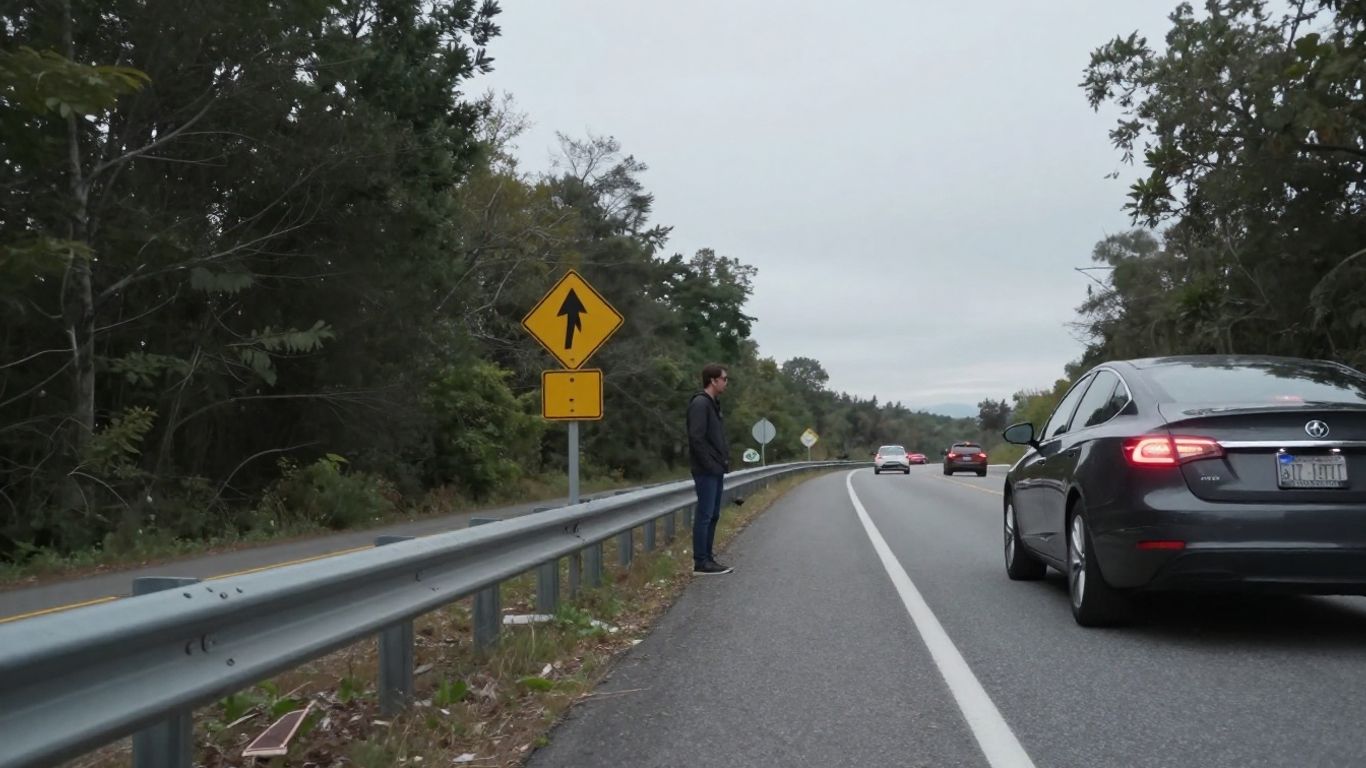
The safest place to wait depends on the road and the vehicle’s position, so follow local emergency guidance and the dispatcher’s instructions. If you can leave the vehicle without stepping into traffic, move to a safe place well away from the roadway. Do not stand between your vehicle and passing traffic or behind it where approaching drivers may have limited visibility. If the scene feels unsafe, contact emergency services rather than approaching the vehicle to gather more information.
Prepare for the tow operator’s arrival
A few simple steps can make the handoff more orderly, as long as they do not put you in danger. Keep your keys, phone, and any relevant roadside assistance details with you. If conditions allow, gather these items before the truck arrives:
- The vehicle registration and your preferred destination.
- A description of the symptoms and when they began.
- Any access details the operator may need, such as a gate code.
- The roadside assistance or insurance reference number, if applicable.
When the operator arrives, confirm the vehicle and destination before loading begins. If you cannot safely retrieve belongings or documents, let the operator know rather than returning to a hazardous area.
How to choose a transmission towing provider
A suitable provider should be able to explain what service is available, what it costs, and how the vehicle will be moved. Start by confirming that the company serves your location and can handle your vehicle. Then ask about arrival estimates, equipment, and the proposed destination. Terms can vary between local providers; for instance, Choice Transmission describes a limited service area and conditions tied to internal transmission repairs, so details like those are worth checking directly.
Confirm 24-hour availability and service area
Do not assume that a business advertising emergency towing dispatches trucks around the clock. Ask whether a live operator is available at the time you call, whether the service area includes your precise location, and whether the destination you want is within range. If you are outside the provider’s normal area, ask whether it can still help and how the additional distance is priced. A clear answer helps you avoid waiting for a service that cannot reach you.
Ask about equipment and towing methods
Tell the provider whether the vehicle rolls, steers, or has damage that could affect loading. Then ask what type of truck or equipment they expect to use and whether the method is suitable for your vehicle. A good answer should address your vehicle’s drive system and any manufacturer-specific towing instructions, rather than relying on a one-size-fits-all approach. If the provider is unsure, ask them to verify before dispatch.
Verify licensing, insurance, and experience
Requirements for towing businesses vary by location, so check what applies where you are. Ask whether the provider is properly licensed and insured for the service it is offering, and whether its operators have experience with your vehicle type. You can also ask how the company handles damage concerns during loading and transport. Clear responses are more useful than a broad assurance that everything will be fine.
Check reviews and get an estimated arrival time
Recent reviews may help you understand how a provider communicates, though individual experiences do not guarantee what will happen on your call. Ask for an estimated arrival window and whether you will receive an update if the truck is delayed. Confirm the quoted price and what could change it before you authorize the dispatch. When comparing online information, remember that a page about Google AI Overviews discusses search visibility for businesses, not whether a particular towing provider is right for your situation.
How towing methods can protect your vehicle
The right towing method depends on the vehicle, its condition, and the manufacturer’s instructions. A method that works for one car may not suit another, especially when the vehicle cannot roll normally or has a particular drive system. Explain any warning lights, damage, or unusual handling to the dispatcher and operator. Before loading, confirm how the vehicle will be secured and where it will be taken.
When a flatbed may be appropriate
A flatbed carries the vehicle on a platform rather than towing it with two wheels on the road. It may be suitable when a vehicle is not safe to drive, cannot roll, or has a manufacturer’s instruction that calls for this method. Ask the provider to consider the vehicle’s condition and clearance before dispatch. The operator should explain the loading plan, especially if the car is in a tight or difficult-to-reach spot.
How wheel-lift towing works
With wheel-lift towing, a truck raises one end of the vehicle while the other wheels remain on the road. Whether that is appropriate depends on the vehicle’s design, the condition of its wheels and steering, and the required towing setup. Tell the provider if the vehicle is stuck in park, has a damaged wheel, or cannot be steered normally. That information can help the operator decide whether wheel-lift equipment is suitable or another method is needed.
Considerations for all-wheel-drive vehicles
All-wheel-drive systems may have specific limits for towing with wheels on the ground. The correct approach varies by make and model, so do not assume that a familiar method is safe for every vehicle. Check the owner’s manual and share the instructions with the provider when arranging service. If you cannot find the guidance, ask the operator to confirm the appropriate procedure before moving the vehicle.
Why the owner’s manual can affect towing instructions
The manual may specify which wheels must be lifted, whether a flatbed is required, or how to prepare the vehicle for transport. It can also include instructions for electronic parking brakes, gear selection, and other systems that affect loading. Because these details vary, the operator should not rely on a general rule when the manufacturer has provided vehicle-specific guidance. If the manual is in the glove compartment, tell the operator where it is once the vehicle is safely accessible.
Emergency towing costs and payment
The total cost can depend on more than the distance travelled. Service timing, vehicle access, equipment, and the destination may all affect the quote, and roadside coverage may have its own limits. Ask for a price explanation before dispatch whenever possible. A short conversation about fees and payment can reduce surprises when the tow is complete.
Factors that affect the price
Providers may calculate charges using a base fee, mileage, time of day, vehicle type, or the complexity of recovery. Extra work may be needed if the vehicle is in a restricted space or cannot roll, steer, or be accessed normally. Storage and after-hours charges can also apply depending on the circumstances. Because pricing policies differ, ask the provider to identify the factors that could change the estimate.
Questions to ask before authorizing the tow
Before confirming, ask what the estimate includes and whether any additional charges are possible. A written or texted breakdown can make it easier to compare the quote with the final invoice. These questions keep the terms concrete:
| Ask about | What to clarify |
|---|---|
| Base charge | What dispatch or hookup fee applies? |
| Distance | How is mileage calculated, and where does it begin? |
| Access | Could difficult access or special equipment add a charge? |
| Destination | Is delivery to your preferred shop included? |
Once you understand the quote, confirm the destination and payment method. If the estimate changes because conditions differ from what you described, ask the operator to explain the change before proceeding when it is safe and practical to do so.
How roadside assistance or insurance may help
A roadside assistance plan may cover some towing costs, but coverage depends on the plan, distance limits, eligible destinations, and the way the service is arranged. Contact the provider on your membership card or app to ask whether you must use its dispatch network or can request reimbursement. Auto insurance may also offer towing coverage, though it is not universal and may have separate claim rules. Check the terms rather than assuming a breakdown is covered.
What to check on the receipt and service record
Keep the receipt, dispatch confirmation, and any service record that identifies the vehicle, pickup point, destination, and charges. Review the recorded mileage and any additional fees, then ask for an explanation if something differs from what you authorized. If your roadside assistance plan or insurer requires documentation, find out whether an itemized invoice or claim reference is needed. Good records also help the repair shop understand where the vehicle came from and what symptoms you reported.
Conclusion
A suspected transmission problem can be stressful, but a safe stop and a clear conversation with a towing provider make the next steps easier to manage. Share what the vehicle is doing, confirm the tow method and destination, and ask about costs before authorizing service. When the cause is uncertain, let a qualified repair facility inspect the vehicle rather than risking a drive that may not be safe.
Frequently Asked Questions
Can I drive a car with transmission problems?
It depends on the symptoms, but slipping, loss of drive, unpredictable shifting, or serious warning signs can make driving unsafe. Pull over when you can do so safely and arrange professional help if the vehicle is not responding normally.
Should I call a tow truck if my transmission warning light comes on?
A warning light does not by itself confirm a transmission failure. If it appears with poor shifting, loss of power, unusual noise, or a leak, stop somewhere safe and ask for guidance rather than continuing to drive.
Can a tow operator diagnose a transmission problem?
An operator may observe symptoms and share useful information, but that is not necessarily a confirmed diagnosis. A repair facility may need to inspect the vehicle and use diagnostic equipment to identify the cause.
Is a flatbed always required for a transmission problem?
No single towing method suits every vehicle. The appropriate choice depends on the vehicle’s design and condition, and the owner’s manual may specify a particular method.
Can an all-wheel-drive car be towed with two wheels on the road?
Some vehicles have restrictions on towing with wheels on the ground. Check the owner’s manual and ask the provider to confirm the method for your specific make and model.
What information should I give the tow provider?
Share your precise location, vehicle make and model, whether it rolls or steers, the symptoms you noticed, and your preferred destination. Mention access restrictions such as a low garage or a narrow road.
Does roadside assistance cover an emergency tow?
It may, depending on the plan’s towing limits, destination rules, and dispatch requirements. Check your membership or policy terms before authorizing service if circumstances allow.