
Key Takeaways
A dependable replacement begins with careful identification, transparent rebuilding practices, and realistic ownership-cost comparisons.
- Confirm the exact transmission and vehicle application before ordering.
- Ask which internal parts were inspected, replaced, or updated.
- Compare warranty coverage, labor terms, shipping, and return conditions.
- Use a qualified installer who can diagnose related problems.
- Maintain fluid, cooling, and service intervals after installation.
What quality rebuilt transmissions are and how they differ from other options
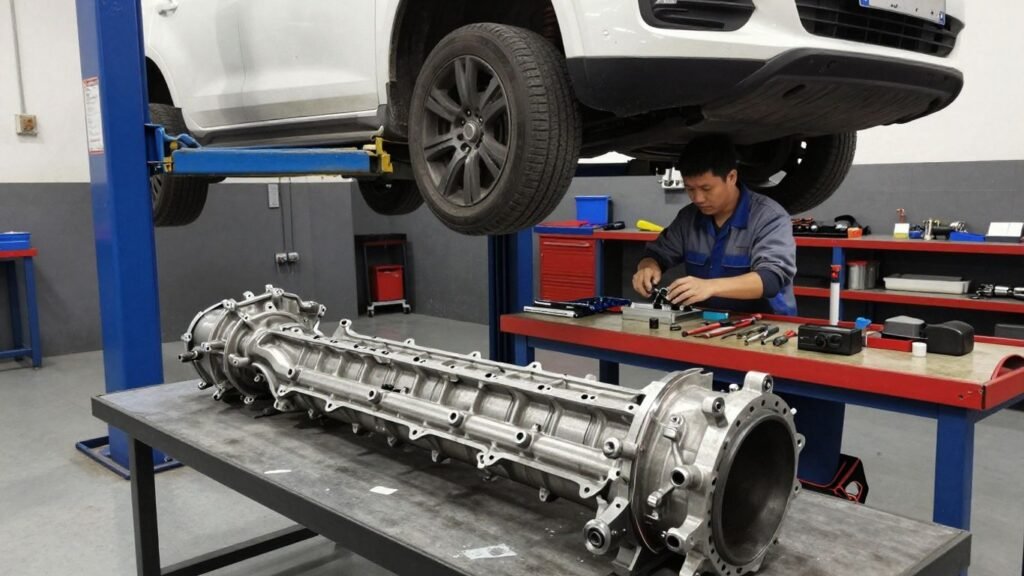
A rebuilt transmission is generally a previously used unit that has been disassembled, cleaned, inspected, and reassembled with selected new or reconditioned parts. The result depends heavily on the technician’s process, the parts used, and whether known weaknesses are addressed. That is why the label alone does not establish quality. When comparing quality rebuilt transmissions, look beyond the price and ask how the unit was prepared.
Rebuilt vs. remanufactured vs. used transmissions
A used transmission is usually sold in the condition it was removed, with limited knowledge of its remaining service life. A rebuilt transmission has undergone inspection and repair, but the exact scope can vary widely from one supplier to another. Remanufacturing typically follows a more standardized process, often returning the unit to documented specifications. The practical difference is not just terminology; it is the amount of inspection, replacement, testing, and documentation behind the unit.
A warranty can provide useful context, but it should not replace technical questions. Read what the warranty covers and whether the supplier requires specific fluids, installation procedures, or maintenance records.
What the rebuilding process typically includes
A careful rebuild starts with complete disassembly rather than simply replacing the part that first appeared damaged. The case and internal components should be cleaned, measured, and checked for wear, cracks, scoring, or distortion. Friction materials, seals, gaskets, bearings, bushings, and other wear items may need replacement, while reusable hard parts should meet clear inspection standards.
The process should also account for the original failure. For example, a contaminated cooler or damaged torque converter can compromise a replacement if it is ignored. A professionally rebuilt unit can be reliable when experienced technicians use appropriate parts and correct the underlying problem, as explained in this rebuilt transmission reliability guide.
When a rebuilt transmission makes financial sense
A rebuilt unit can make sense when the vehicle remains in good condition and its replacement value does not justify a new transmission or a newer vehicle. It may also preserve a familiar vehicle whose maintenance history is already known. The calculation should include installation, fluids, diagnostics, towing, and the possibility of replacing related components.
The cheapest quote is rarely the most useful comparison. A slightly higher price may reflect better parts, more thorough testing, clearer documentation, or a warranty that reduces financial risk.
How to evaluate the quality of a rebuilt transmission
Quality is found in the details that are normally invisible once the transmission is installed. Ask for a written description of the rebuilding scope, not merely a promise that the unit was “checked.” The supplier should be able to explain what was replaced, what was measured, and how the completed transmission was tested.
Key internal components that should be inspected or replaced
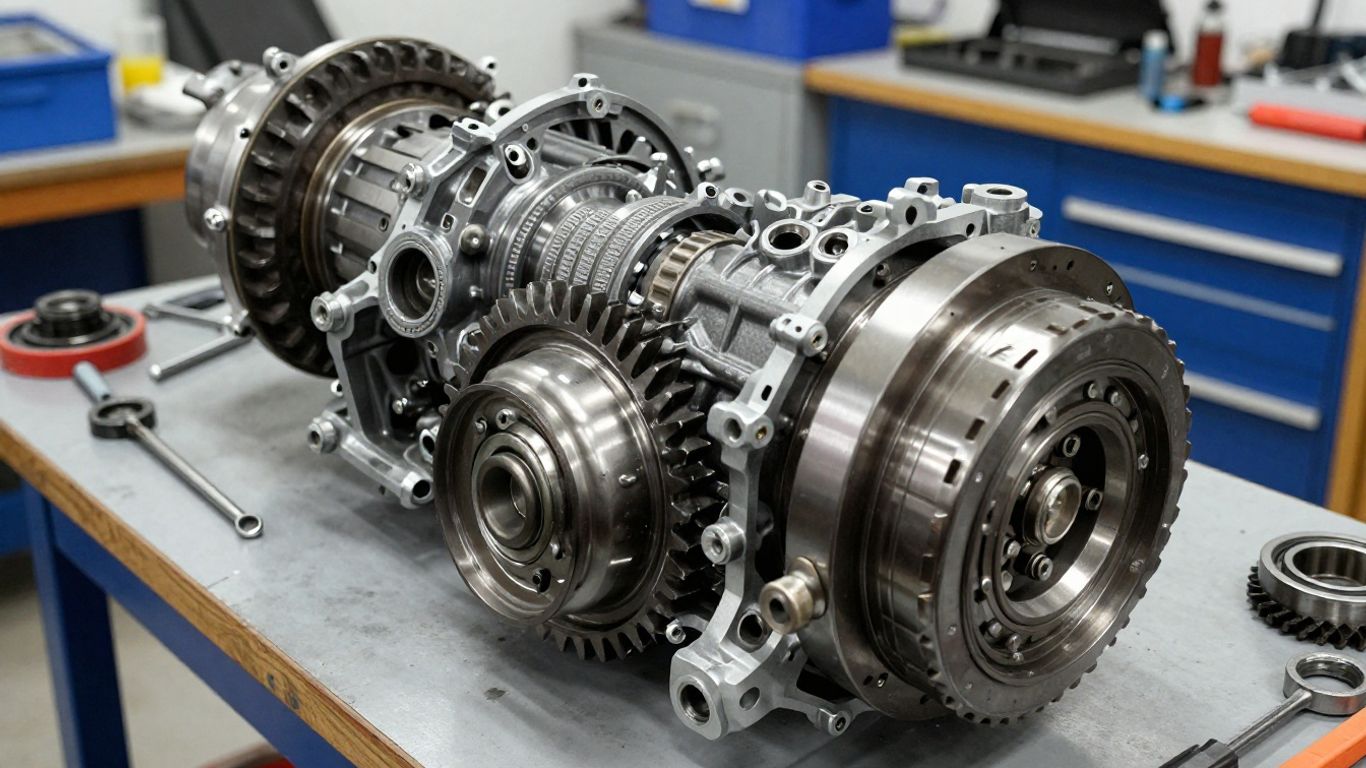
Wear-prone components deserve particular attention because they influence hydraulic pressure, clutch engagement, lubrication, and long-term durability. Seals and gaskets should be renewed where appropriate, while clutch packs, bands, bearings, bushings, pumps, valve-body components, and hard parts should be evaluated according to the transmission’s design and failure pattern.
A good supplier will distinguish between new, reconditioned, and reused parts. That distinction matters because a reusable part is not automatically a serviceable part; it must meet dimensional and surface-condition requirements.
The importance of updated designs and upgraded parts
Some transmissions have revisions that address recurring wear or durability concerns. Ask whether the rebuild incorporates documented updates and whether those updates are appropriate for the exact unit. Avoid vague claims about “premium upgrades” unless the supplier can identify the part, explain its purpose, and show that it is compatible.
The goal is not to add every available aftermarket component. It is to use suitable parts that correct known problems without creating new fitment or calibration issues.
Testing, calibration, and quality-control standards
Testing should extend beyond visual inspection. Depending on the transmission, quality control may include pressure checks, leak checks, electronic testing, valve-body inspection, and verification of shift-related components. Ask whether the supplier records test results and whether the unit is calibrated or configured for the intended application.
For a clearer comparison, organize the supplier’s answers in a simple record before ordering. Useful questions include:
- Which components are always replaced during the rebuild?
- Which hard parts are inspected, measured, or reconditioned?
- What tests are performed before the transmission ships?
- What documentation accompanies the unit?
This process turns broad assurances into information you can compare. It also gives the installer a better starting point if a problem appears after delivery.
Choosing the right rebuilt transmission for your vehicle
Correct fitment is just as important as internal quality. A well-rebuilt transmission can still be wrong for a vehicle if it has a different electronic strategy, gear ratio, connector arrangement, or drivetrain configuration. Gather the vehicle details before requesting a quote, and share them with both the supplier and installer.
Matching the transmission to the exact year, make, and model
Year, make, and model are only the beginning. A single model year may include several engines, body styles, transmission families, or production changes. Provide the full vehicle identification number when possible, along with the original transmission code and any available build information.
Do not assume that a transmission from the same model line will be interchangeable. Small changes can affect mounting, electronics, cooling connections, and programming.
Verifying engine, drivetrain, and transmission compatibility
The engine and drivetrain determine more than physical fit. Front-wheel-drive, rear-wheel-drive, four-wheel-drive, and all-wheel-drive applications may use different housings, transfer-case interfaces, output shafts, or control systems. Towing packages and performance variants can also require different internal specifications.
Have the installer verify torque-converter, flexplate, driveshaft, axle, cooler-line, wiring, and control-module compatibility before the unit is installed. Resolving those questions early is far less expensive than removing an incorrect transmission.
Checking serial numbers, specifications, and fitment details
Record the transmission identification tag, casting numbers, serial numbers, and supplier part number. Compare those details with the quote, invoice, shipping label, and warranty paperwork. If any number is unclear, pause the order and request confirmation in writing.
Photographs can help when tags are difficult to read, but they are not a substitute for a proper fitment check. A reputable supplier should welcome precise questions rather than treating them as an inconvenience.
Considering towing, performance, and driving conditions
Describe how the vehicle is actually used. Frequent towing, steep terrain, stop-and-go traffic, extreme temperatures, commercial work, and long highway trips can place different demands on the transmission. The correct rebuild should match the vehicle’s intended load and operating environment, not just its basic model designation.
Be candid about modifications such as increased engine output, oversized tires, or altered gearing. Those changes may affect heat, shift behavior, and component stress, so the supplier and installer need that context.
Comparing warranties, prices, and total ownership costs
A transmission quote is only one part of the replacement decision. The real cost includes the unit, installation, diagnostics, fluid, cooler service, programming, shipping, core handling, and possible follow-up work. Comparing those items side by side makes it easier to see why two apparently similar offers differ.
What a strong transmission warranty should cover
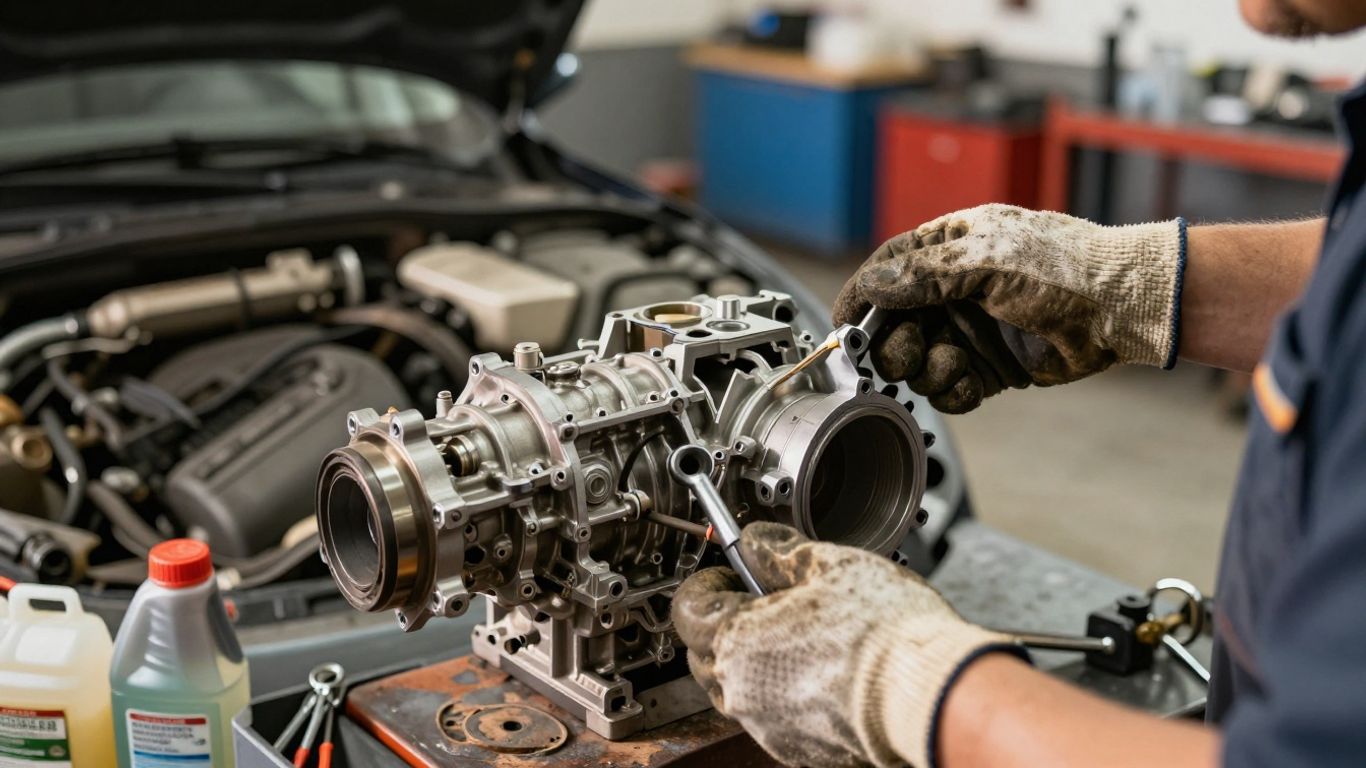
Read the warranty before buying, rather than treating it as an afterthought. Look for the coverage period, mileage limits, parts-and-labor language, claim procedure, geographic restrictions, and requirements for approved installation or maintenance. Ask whether consequential costs such as towing, rental transportation, fluids, or diagnostics are excluded.
A useful warranty is specific enough that both the owner and installer understand their responsibilities. It should also explain what happens if the supplier determines that a different component caused the failure.
Understanding labor, installation, and shipping exclusions
Many warranties cover the replacement unit but not the labor required to remove and reinstall it. Shipping, return freight, core charges, fluid, programming, and storage fees may also sit outside the headline price. Ask for those terms in writing and keep the documents with the vehicle’s service records.
The installation procedure itself can affect coverage. Some suppliers require cooler flushing, a new filter, specific fluid, or documented diagnostic steps. Ignoring those conditions can turn a covered defect into a disputed claim.
Comparing upfront price with long-term reliability
A lower initial price may be reasonable if the scope, testing, and warranty are comparable. It becomes less attractive when the quote omits essential service work or leaves the owner exposed to repeat labor costs. Consider the likely service life, warranty support, downtime, and resale value alongside the purchase price.
The following comparison can help separate the visible price from the ownership picture:
| Cost or protection | Questions to ask | Why it matters |
|---|---|---|
| Replacement unit | What exactly is included? | Reveals the rebuilding scope |
| Installation | Are labor and diagnostics separate? | Shows the actual installed cost |
| Related service | Is the cooler, converter, or filter addressed? | Reduces repeat-failure risk |
| Warranty | Are parts and labor both covered? | Defines financial protection |
| Shipping and core | Who pays freight and return charges? | Prevents unexpected fees |
After filling in the comparison, use the total rather than the advertised unit price. This is especially helpful when one supplier bundles services that another lists separately.
Identifying unusually cheap rebuilt transmission offers
An unusually cheap offer is not automatically poor, but it deserves more questions. The price may exclude the torque converter, use a short warranty, omit testing, or depend on a core that is unusually expensive to return. It may also reflect a narrower rebuild than the buyer expects.
Ask for a complete written quote and compare it with at least one technically detailed alternative. If the seller cannot explain the difference in price, the risk may outweigh the savings.
Finding a reputable rebuilt transmission supplier
Supplier selection is where much of the quality decision is made. Look for clear technical answers, accessible warranty language, and evidence that the business understands the applications it sells. Customer reviews can reveal patterns, but they should be read alongside process information rather than used alone.
Reviewing certifications, experience, and customer feedback
Ask how long the supplier has handled the transmission family and whether technicians receive ongoing training. Certifications can be useful when they are verifiable and relevant to the work being performed. Reviews are most informative when they discuss fitment, communication, warranty handling, and resolution of problems.
For broader industry context, JASPER documents remanufactured automatic and standard transmissions, while AAMCO Reading describes on-site rebuilding, inspection, reassembly, and road testing. These examples are useful points of comparison, not substitutes for checking the terms of your own order.
Asking about parts sourcing and rebuilding procedures
A supplier should be willing to explain whether parts are new, reconditioned, or reused and how each category is approved. Ask how cores are inspected, how common failure points are addressed, and what tests are completed before shipment. Clear answers usually indicate a more accountable process than generic claims about quality.
Some businesses focus on wholesale supply and technical assistance. For example, TRCL describes remanufactured transmissions, certified professionals, and free technical support. Keep the distinction clear: a supplier’s stated service offering does not remove the need to confirm your specific application.
Evaluating technical support and return policies
Technical support matters before and after installation. You should know whom the installer can contact about fitment, diagnostic findings, setup questions, or a warranty claim. Return policies should explain core returns, restocking, shipping responsibility, inspection timelines, and what happens when the unit is found to be incorrectly ordered.
A supplier serving repair shops may offer different ordering and support arrangements than one selling directly to vehicle owners. Ace Transmission Reman describes remanufactured transmissions for auto repair shops, so its documented audience is a useful reminder to confirm who the seller is set up to serve.
Recognizing warning signs before placing an order
Be cautious when a seller avoids identification questions, refuses to provide written terms, or promises universal compatibility. Other warning signs include pressure to pay immediately, unclear core requirements, no explanation of testing, and reviews that repeatedly mention unresolved warranty disputes.
Relevance also matters when researching online. Pages about AWTT, Regenesis Roofing & Restoration, Enclomiphene and TRT, fine art photography, and African Safari Group may be well prepared for their own subjects, but they cannot validate a transmission supplier. Check that evidence actually concerns the vehicle component and service being purchased.
Preparing for professional installation
Installation is not simply a matter of bolting in the replacement. The original failure may have contaminated the system or damaged related parts, and the vehicle may require electronic setup afterward. Choose a technician who will document the diagnosis and follow the supplier’s installation requirements.
Diagnosing the original transmission before replacement
Before removal, the technician should review symptoms, scan diagnostic codes, inspect fluid condition, and consider whether the issue could originate elsewhere. Electrical faults, sensors, solenoids, linkage, engine controls, and driveline components can sometimes imitate transmission failure.
A proper diagnosis also helps identify why the original unit failed. Without that step, the replacement may be exposed to the same overheating, contamination, pressure, or electrical problem.
Flushing, replacing, or inspecting related components
The cooler and lines may need flushing or replacement if debris has circulated through the system. The filter, seals, torque converter, mounts, wiring, and connectors should be inspected as appropriate. The installer should use the specified fluid and verify that the system reaches the correct level after installation.
These tasks can add to the invoice, but they are part of protecting the replacement. Ask which services are required, which are recommended, and how each charge relates to the failure diagnosis.
Programming, adaptive learning, and post-installation checks
Many modern vehicles use electronic controls that may require programming, relearning, or a defined drive procedure after transmission replacement. The technician should check for software or calibration requirements and confirm that sensors, connectors, and control modules communicate correctly.
After installation, road testing should cover engagement, shift quality, reverse operation, leaks, fluid level, and warning lights. The vehicle should not be returned solely because it moves under its own power.
A video demonstration can supplement the owner’s understanding of these steps, but it cannot replace vehicle-specific diagnosis or a technician’s final inspection.
Following the supplier’s break-in recommendations
Follow the written break-in instructions supplied with the unit and ask the installer to explain anything unclear. Early driving may need to avoid heavy towing, aggressive acceleration, or extended high-load operation while the transmission’s behavior is monitored.
Keep the invoice, part number, warranty, fluid specification, and installation records together. Those documents can support troubleshooting and protect coverage if service is needed later.
Maintaining a rebuilt transmission for dependable performance
A rebuilt transmission needs the same basic care as any other precision drivetrain component. Maintenance cannot correct a defective unit, but it can prevent avoidable heat, contamination, and low-fluid conditions. Small changes in shift behavior or fluid condition deserve attention rather than dismissal.
Using the correct fluid and maintaining proper fluid levels
Use only the fluid specified for the vehicle and transmission. The wrong formulation can affect friction characteristics, seals, valve operation, and shift quality. Check the level using the manufacturer’s procedure, since temperature, engine state, and dipstick instructions vary.
Leaks should be repaired promptly. A transmission that is slightly low may still move the vehicle, but reduced lubrication and hydraulic pressure can cause expensive damage.
Managing heat with cooling-system inspections
Heat is a major source of transmission stress. Inspect the cooler, lines, radiator or auxiliary cooler, airflow path, and fittings for blockage, leaks, or damage. A cooling-system problem can undermine an otherwise careful rebuild.
Vehicles used for towing or heavy work may need more frequent inspections and, where appropriate, a cooling arrangement suited to the application. Any change should be evaluated for compatibility rather than added casually.
Adjusting service intervals for severe driving conditions
Service intervals should reflect use, not just the average schedule in a handbook. Frequent towing, dusty roads, steep grades, short trips, heavy traffic, extreme temperatures, and commercial operation can justify more frequent fluid and filter service.
Maintain a simple record of mileage, fluid service, repairs, and unusual operating conditions. That history makes it easier to spot patterns and supports warranty conversations if a concern develops.
Addressing early shifting problems and warning signs promptly
Delayed engagement, slipping, harsh shifts, unusual noises, burning odor, fluid leaks, or a warning light should be checked quickly. Continuing to drive may turn a manageable adjustment or electrical fault into internal damage.
Describe exactly when the symptom occurs, whether the vehicle is hot or cold, and whether the condition changes with load. Detailed observations help the technician distinguish a transmission problem from an engine, sensor, mount, or driveline issue.
Conclusion
Choosing quality rebuilt transmissions is less about finding a perfect label than verifying the unit’s workmanship, compatibility, testing, warranty, and installation requirements. A careful comparison of those details can reduce surprises and give a sound vehicle a dependable path back to the road.
Frequently Asked Questions
Are rebuilt transmissions reliable?
They can be reliable when the unit is thoroughly disassembled, inspected, rebuilt with suitable parts, tested properly, and installed correctly. The supplier’s process and warranty matter more than the word “rebuilt” alone.
How long does a rebuilt transmission last?
Service life varies with workmanship, vehicle condition, driving habits, maintenance, heat, and load. A supplier should avoid guaranteeing a universal lifespan and instead explain the unit’s coverage and intended application.
Is a rebuilt transmission better than a used one?
A rebuilt transmission generally offers more information about inspection and replaced wear items than a used unit. However, the actual advantage depends on the rebuild scope and the credibility of the supplier.
What should be replaced during a transmission rebuild?
Common wear items such as seals, gaskets, friction materials, bearings, and bushings are often evaluated for replacement, while hard parts are inspected for damage and serviceability. The exact list depends on the transmission and failure cause.
Does installation affect the warranty?
Often it does. A warranty may require professional installation, specific fluid, cooler flushing, a new filter, programming, or documented maintenance. Read the conditions before authorizing the work.
Should the transmission cooler be flushed?
The cooler and lines should be inspected, and flushing or replacement may be necessary when debris or failed-component material is present. The correct procedure depends on the original failure and the vehicle design.
What are the first signs of a transmission problem after installation?
Watch for leaks, slipping, delayed engagement, harsh or erratic shifts, unusual noise, overheating, burning odor, or warning lights. Report symptoms promptly and avoid heavy use until the vehicle has been evaluated.