Key Takeaways
Finding cheap gearboxes near me is less about choosing the first low price and more about confirming fit, condition, warranty, and total cost. A little preparation can prevent an expensive mismatch or premature failure.
- Identify the exact vehicle, machine, or industrial application before requesting prices.
- Compare new, used, rebuilt, and remanufactured units on equal specifications.
- Add shipping, inspection, installation, and return-related costs to the quoted price.
- Ask for testing records and inspect used units for wear, leaks, and damage.
- Plan installation and maintenance before buying, not after the gearbox arrives.
Define the gearbox you need before comparing local options
A gearbox is only a bargain when it works in the application that needs it. Start with the equipment identification, operating conditions, and original specifications rather than searching by appearance alone. Taking a few measurements and photographs can make local price comparisons much more useful.
Identify the vehicle, machine, or industrial application
Write down the make, model, year, serial number, and current gearbox identification if they are available. For industrial equipment, include the driven machine, motor details, duty cycle, load, speed, and environment. A supplier can often find a suitable unit faster when you provide the full application instead of simply asking for a cheap gearbox.
Confirm gearbox type, size, and specifications
Determine whether you need a manual transmission, automatic transmission, differential, steering box, worm gearbox, helical gearbox, planetary unit, or another design. Record input and output speed, torque, horsepower, shaft dimensions, rotation direction, lubrication requirements, and housing size. If the nameplate is damaged, a clear photograph and measurements are more reliable than a guess based on a similar listing.
Check compatibility, gear ratios, and mounting points
The ratio affects speed, torque, noise, and how the rest of the system behaves. Check the bolt pattern, shaft position, flange or mounting points, spline count, electrical connections where applicable, and available clearance. Exact fitment matters most because a gearbox that needs extensive adaptation may erase the savings from its lower purchase price.
Decide between new, used, rebuilt, and remanufactured units
New units generally offer the clearest specifications, while used units may be attractive when the model is common and the application is light. Rebuilt and remanufactured options can make sense when the housing and major components are reusable, but the terms do not always mean the same thing from one seller to another. Ask what was replaced, what was measured, and how the finished unit was tested.
Find affordable gearbox suppliers near you
Local sourcing can reduce delivery time and make inspection, collection, and returns easier. Search by the gearbox type and application, then add your city or service area rather than relying on the phrase “cheap” alone. A nearby specialist may also identify a repairable unit that a general marketplace listing overlooks.
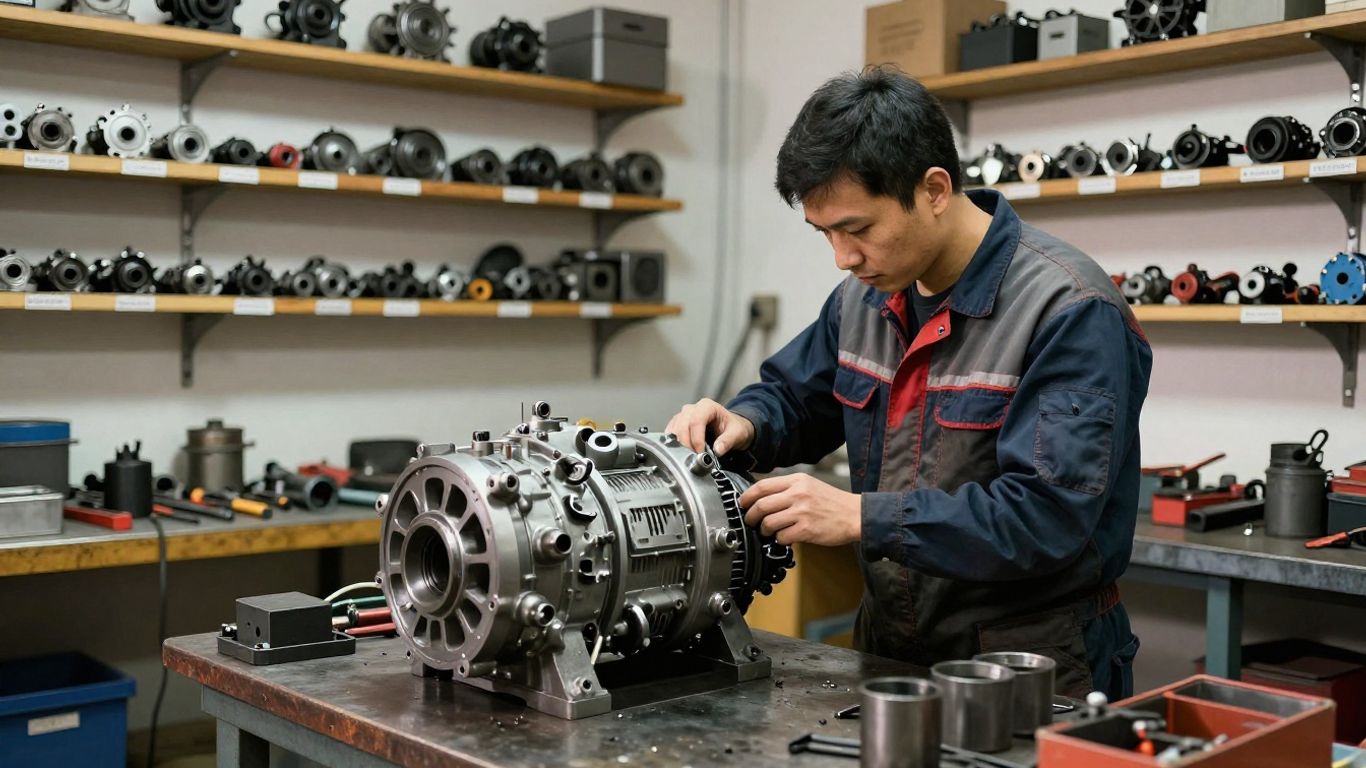
A sensible search compares both inventory and support. Local availability is useful, but it should not replace questions about specifications, condition, and after-sale help.
Search local repair shops and specialist dealers
Repair shops often know which models fail repeatedly and which parts can be reused. Ask whether the shop sells exchange units, rebuilds customer-owned gearboxes, or can inspect a unit before purchase. A repair specialist may also provide a practical opinion about whether rebuilding your existing gearbox is more economical than replacing it.
Compare salvage yards, distributors, and online marketplaces
Salvage yards can be valuable for discontinued vehicles and equipment, especially when the seller can identify the donor model and mileage or operating history. Distributors may have better documentation and new stock, while online marketplaces offer a wider range but more variation in listing quality. Request photographs of the actual unit, not just a catalog image, before sending payment.
Use local search listings, reviews, and service areas
Search listings are a starting point, not proof of expertise. Read recent reviews for comments about accurate fitment, communication, packaging, and how problems were handled. Confirm the seller’s physical location, pickup rules, delivery range, and business hours so a low advertised price does not come with an inconvenient or costly process.
Ask manufacturers about authorized resellers and refurbished stock
A manufacturer or authorized service channel may know about surplus, exchange, or refurbished inventory that is not prominently advertised. Ask for the exact part number and request written confirmation of compatibility. For industrial applications, a service provider such as Precision Gear Repair describes teardown, inspection, diagnosis, repair, and testing services; those documented steps illustrate the kind of process worth asking about locally.
Compare gearbox prices beyond the advertised unit cost
The number beside a listing rarely tells the whole financial story. Freight, core charges, taxes, inspection, installation, and replacement hardware can change the final bill substantially. Ask every seller for a written estimate that separates the unit from the services and fees around it.
Separate the gearbox price from shipping and delivery fees
Large, heavy gearboxes can be expensive to pack and transport, particularly when they require a pallet or special handling. Confirm whether shipping is included, whether delivery is curbside, and whether a core must be returned at your expense. Local pickup may be cheaper, but only if the unit can be transported safely and inspected before loading.
Include inspection, rebuilding, and installation charges
A low-cost used unit may need cleaning, seals, bearings, fluid, or machining before it can be installed. Installation can also involve alignment, clutch or linkage adjustment, mount replacement, and diagnostic time. Ask for these likely costs before comparing the offer with a tested rebuilt gearbox.
Check warranty coverage and return conditions
Read the warranty for duration, covered parts, labor limits, exclusions, and the conditions that could void it. Return policies may require the gearbox to remain unused, be returned in original packaging, or include a core. A documented rebuilding process, such as the one described by AGW, can be more informative than a vague promise that a unit is “good.”
Compare total ownership cost instead of the lowest upfront price
A basic comparison table can keep different offers on the same footing. Use actual figures when suppliers provide them, and mark unknown charges rather than quietly assuming they are zero.
| Cost factor | Used unit | Rebuilt unit | New unit |
|---|---|---|---|
| Purchase price | Often lower | Moderate | Often higher |
| Inspection or preparation | May be needed | Usually included to some extent | Usually limited |
| Shipping and core charges | Varies widely | May apply | Varies by size |
| Warranty and return support | Often limited | Commonly stated by seller | Typically documented |
The cheapest column is not automatically the best value. Compare expected service life, downtime risk, installation effort, and the cost of removing the unit again if it fails.
Evaluate used and rebuilt gearboxes before buying
Condition is difficult to judge from a single photograph, so a careful inspection is worth arranging before purchase. If an in-person visit is impossible, request detailed images, videos of operation where practical, and written answers to specific questions. A seller who cannot provide basic information may not be the right source for a critical component.
Inspect the housing, gears, bearings, and seals
Look for cracks, damaged threads, distorted mounting faces, broken ribs, and corrosion on the housing. If the unit is open for inspection, examine gear teeth for pitting, chips, scoring, and uneven contact, while checking bearings and seals for roughness or deterioration. Do not assume fresh paint means the internal parts are sound.
Ask for service records and testing documentation
Request the original equipment identification, repair invoice, replaced-parts list, measurements, and test results. For an industrial unit, ask what load or operating test was performed and whether the ratio and rotation were verified. A credible record should identify the unit and describe the work rather than simply state that it was inspected.
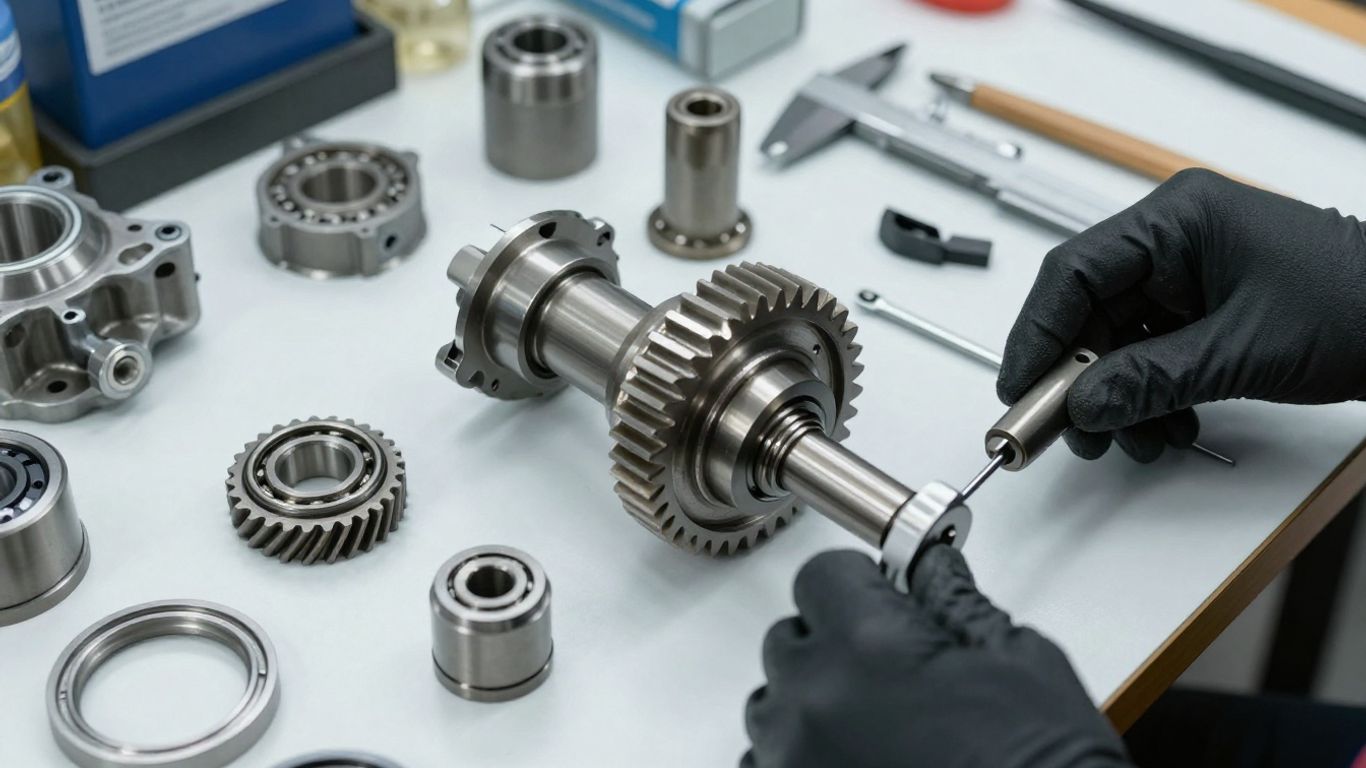
Documentation cannot reveal every future problem, but it gives you a basis for comparing sellers. It also makes it easier to resolve a disagreement if the delivered gearbox does not match the description.
Look for signs of leaks, overheating, or abnormal wear
Oil residue around seals, discolored metal, burnt lubricant, and darkened bearings can point to heat or lubrication problems. Check for excessive shaft play and ask whether the gearbox produced whining, grinding, knocking, or vibration before removal. If the unit is still installed, observe it under normal operating conditions rather than relying only on a stationary inspection.
Understand the difference between rebuilt and remanufactured units
“Rebuilt” may describe a unit that was disassembled, cleaned, and fitted with selected replacement parts. “Remanufactured” often suggests a more defined process, but the exact standard depends on the seller and industry. Ask for the process in writing, including which components were replaced, which were reused, and how tolerances were checked.
Avoid common problems when buying a cheap gearbox
Most purchasing mistakes happen before the gearbox reaches the workshop. A listing can look attractive while omitting the ratio, mounting pattern, condition, or return terms that determine whether it is usable. Slow down when a seller pushes for immediate payment or avoids direct technical questions.
Watch for incorrect specifications and poor fitment
Compare the seller’s part number with the identification on your equipment and verify dimensions independently. Do not rely on phrases such as “fits many models” without a compatibility list or confirmation from someone familiar with the application. Small differences in shafts, ratios, or mounting points can create major installation problems.
Recognize misleading listings and incomplete descriptions
Be wary of stock photographs, generic condition labels, missing serial numbers, and listings that say “tested” without explaining how. Ask whether the price includes the pictured accessories, sensors, mounts, or fluid. If key details remain unanswered, treat the offer as a risk rather than filling in the gaps yourself.
Verify seller reputation and customer feedback
Look for a consistent business identity, clear contact information, and reviews that discuss the same type of work or equipment. Feedback about packaging and communication is useful, but technical reviews are more relevant when buying a gearbox. For specialized steering work, Lee Power Steering is one example of a service listing that states its rebuild, warranty, and return terms clearly; use that level of detail as a benchmark when comparing local providers.
Be cautious with units that lack warranties or inspection reports
A warranty is not a substitute for fitment, but the absence of any written support raises the risk of a false economy. Ask who pays for return freight, whether labor is covered, and what evidence is needed to make a claim. If the seller offers no inspection report, budget for an independent inspection before installation.
Plan installation, testing, and future maintenance
Buying the right gearbox is only part of the job. Poor alignment, contaminated lubricant, reused damaged hardware, or an unresolved cause of the original failure can shorten the life of a replacement unit. Schedule the installation with enough time for inspection and testing instead of treating it as a quick swap.
Decide whether professional installation is necessary
Professional help is sensible when the gearbox is heavy, the system requires precise alignment, or the repair involves internal adjustment. A qualified technician can also investigate why the previous unit failed, which may prevent the replacement from suffering the same damage. For a specialized industrial repair, Horner Industrial describes gearbox service using a machine shop and CNC capabilities; the relevant lesson is to match the installer’s skills to the equipment’s demands.
Prepare lubricants, seals, mounts, and replacement hardware
Confirm the specified lubricant and fill level before installation. Have new seals, gaskets, fasteners, mounts, shims, filters, and related fluids available where the application calls for them. Reusing a stretched bolt or hardened seal may create a leak that looks like a gearbox defect.
Test noise, vibration, temperature, and shifting after installation
Run the equipment first at low load, then increase the load gradually while checking for leaks and unusual movement. Listen for whining, grinding, or knocking, and monitor temperature and vibration against normal operating behavior. On a vehicle, verify engagement, shifting, clutch operation, and road performance in a controlled area before returning to regular use.
A short instructional video can help you understand inspection points, but it should not replace the manufacturer’s instructions or a technician’s judgment. Stop testing if noise, heat, vibration, or shifting suddenly worsens.
Follow a maintenance schedule to extend gearbox life
Use the recommended lubricant, inspect seals and mounts, and check for leaks at regular intervals. Keep ventilation and cooling paths clear, avoid overloading, and record operating hours or mileage. A simple maintenance log can reveal gradual changes before they become a breakdown.
Conclusion
The best way to find cheap gearboxes near me is to compare verified fitment and total ownership cost rather than chase the smallest advertised number. Confirm the specifications, inspect the condition, review the warranty, and plan installation before committing. That approach leaves room for a genuinely affordable purchase without treating quality as an afterthought.
Frequently Asked Questions
How do I search for cheap gearboxes near me?
Search using the exact gearbox type, part number, equipment model, and your city or ZIP code. Then compare local repair shops, specialist dealers, salvage yards, distributors, and marketplaces based on fitment and support as well as price.
Is a used gearbox worth buying?
A used gearbox can be worthwhile when its identification, condition, history, and compatibility are documented. It is a greater risk when the seller cannot provide photographs of the actual unit, operating information, or a reasonable return policy.
What is the difference between rebuilt and remanufactured?
The terms can vary by seller. Ask for a written description of the teardown, inspection, replacement parts, measurements, reassembly standards, and testing rather than relying on the label alone.
What should I check before buying a gearbox?
Check the part number, ratio, dimensions, shaft and spline details, mounting points, rotation, lubricant requirements, condition, warranty, return terms, and included accessories. Confirm that the quoted unit is the actual one being sold.
Are local gearbox suppliers cheaper than online sellers?
Not always. Local suppliers may reduce freight, simplify inspection, and provide installation help, while online sellers may offer broader inventory. Compare the delivered and installed cost rather than the listing price alone.
Do I need professional gearbox installation?
Professional installation is advisable for heavy equipment, precise alignment, complex controls, or applications where a failure could cause injury or major downtime. Simpler replacements may be manageable for an experienced person using the correct service information and tools.
How can I make a replacement gearbox last longer?
Use the correct lubricant, align the unit properly, replace worn seals and hardware, avoid overloads, and inspect for leaks, heat, noise, and vibration. Keep a maintenance record so changes in performance are noticed early.