

Key Takeaways
A sudden gearbox fault can turn a normal workday into a safety and scheduling problem. A calm shutdown, clear fault notes, and early parts checks can help keep the response focused.
- Stop operation when symptoms suggest a safety risk or worsening damage.
- Isolate the equipment and record what happened before anything is moved or reset.
- Give the repair provider clear gearbox details, fault history, and photos.
- Compare repair, replacement, and temporary options against compatibility, timing, and cost.
- Confirm the cause and follow monitoring instructions before returning to normal operation.
Recognize an urgent gearbox problem
A gearbox problem can develop quickly, but not every new noise means the unit has failed. The key is to notice changes, consider whether the equipment remains safe to run, and avoid guessing at the cause. A last minute gearbox repair is easier to organize when the first warning signs are recorded rather than dismissed.
Symptoms that call for immediate attention
Grinding, repeated knocking, sudden vibration, burning odors, visible lubricant leaks, or difficulty selecting a gear all deserve attention. A sudden change from the equipment’s usual sound or feel matters even if the machine still moves. A change in operating behavior can be an early clue that something needs checking before the fault becomes more extensive.
When to stop operating the equipment or vehicle
Stop when a gearbox is making severe or rapidly worsening noise, when gears disengage unexpectedly, or when leaking fluid or excessive heat creates a hazard. Follow the equipment maker’s shutdown procedure, and do not keep testing it under load just to see whether the symptom goes away. If you cannot tell whether it is safe to continue, treat that uncertainty as a reason to pause and get qualified advice.
How to distinguish a gearbox fault from a related issue
A symptom near the gearbox can originate elsewhere, such as a clutch, driveline, mount, control, or lubrication problem. Note when the symptom occurs—during gear changes, under load, at a particular speed, or while stationary—and share that pattern rather than declaring a diagnosis. A workshop resource on transmission diagnostics can help illustrate the range of repair work that may be considered, but an inspection is needed to identify the fault in a specific vehicle.
Take safe first steps before repair
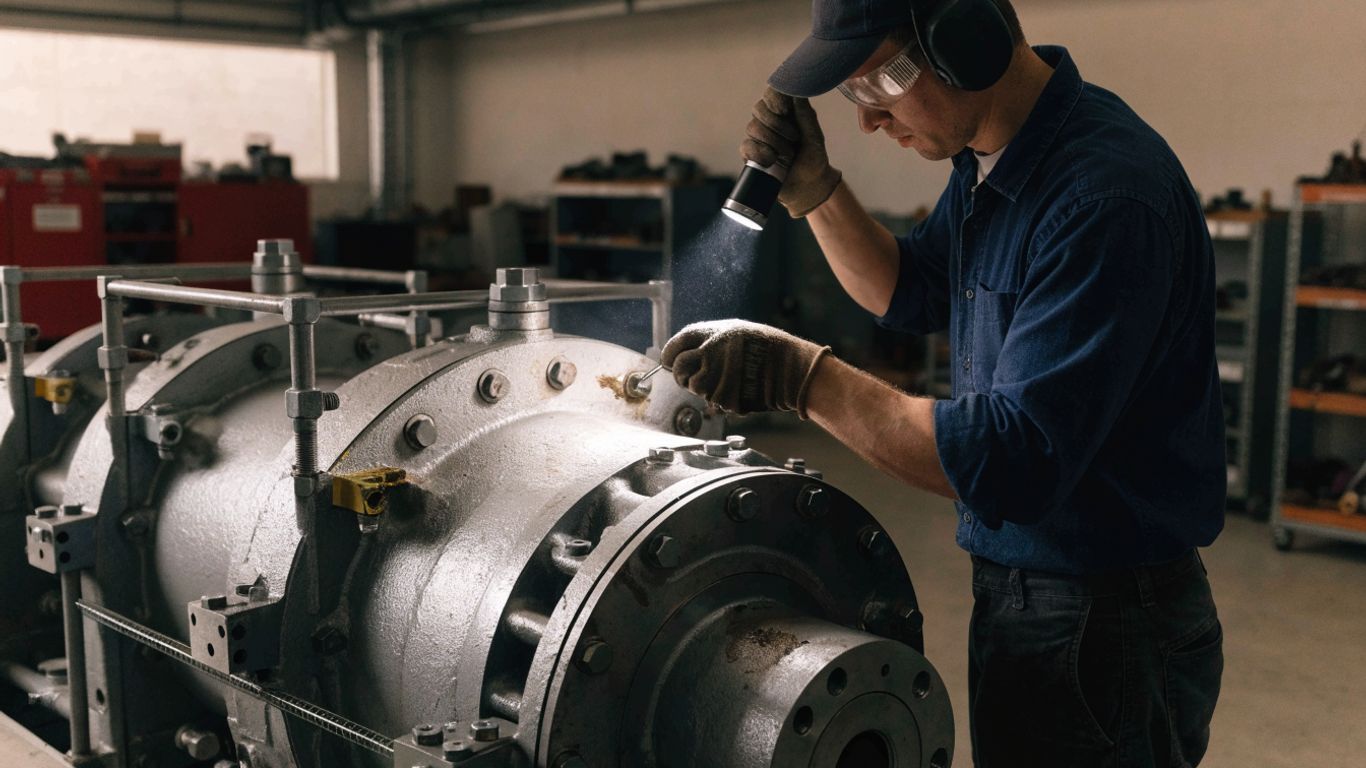
The first few minutes are about preserving safety and useful information, not attempting a repair. Keep people clear of moving parts and hot surfaces, and follow site procedures for shutdown and isolation. A little care now can prevent a small problem from becoming a second one.
Shut down and isolate the equipment
Park or secure the vehicle or machine in a safe place, use the manufacturer’s shutdown steps, and isolate energy sources where the equipment requires it. Lockout and tagout procedures should be followed by authorized personnel, not improvised. Do not reach into guarded areas or work beneath an unsupported load; if the location itself is unsafe, secure the area and wait for qualified help.
Record noises, leaks, temperatures, and warning signs
A concise record makes the first conversation with a repair provider more useful. Capture what changed, when it began, and what conditions were present. If the equipment has an established safe way to display fault codes or temperature readings, record those without restarting it solely to collect more data.
- Write down the time and operating conditions when the symptom appeared.
- Photograph visible leaks, warning indicators, and the equipment identification plate.
- Note unusual sounds or vibration in plain language, without trying to diagnose them.
- Record recent service, repairs, impacts, overloads, or operating changes.
Keep the notes together with any existing service records and pass them on with the equipment. Avoid touching hot fluid or opening a gearbox to inspect it unless the work is within your training and the equipment is safely isolated.
Avoid temporary fixes that could worsen the damage
Do not top up with an unknown lubricant, force a gear, bypass a sensor, or use sealant as a substitute for diagnosis. A fluid specification that seems close may not be compatible, and a temporary workaround can hide a developing fault. Even a familiar repair should wait until the machine is safe, the correct parts and procedure are known, and warranty or maintenance requirements have been checked.
Find and brief an emergency repair provider
A useful emergency call is specific: what the gearbox is, what it did, where it is, and whether it is safe to access. Ask about experience with the relevant vehicle or equipment type, not just general repair availability. Some field-service teams use scheduling and dispatch tools such as Dynamics 365 Field Service, but the practical question is whether the provider can respond to this particular fault and location.
Choose a specialist with experience in your gearbox type
Gearboxes vary by application, design, and parts requirements, so ask whether the provider regularly works on your type. Explain whether it is in a passenger vehicle, commercial vehicle, or industrial machine and whether the unit is accessible on site. For a vehicle part, a car parts supplier can connect customers with used, genuine, and aftermarket parts; confirm that any candidate part matches the specific application before deciding.
Share model details, photos, and fault history
Give the provider the make, model, year or machine identifier, gearbox details if known, and the exact location. Send clear photos of the identification plate and affected area when safe to take them, then describe the sequence of symptoms and any recent work. Keep the account factual: “noise under load” is more useful than an unsupported conclusion about which internal component has failed.
Confirm availability, callout coverage, and parts access
Before arranging a callout, confirm the response window, travel coverage, diagnostic charges, and what the technician can assess on site. Ask how parts will be sourced and whether a repair can proceed if the right component is not immediately available. Promotional material for unrelated services—such as EkoGroup, which describes SEO advertorial publishing—does not establish gearbox repair capability, so focus the decision on relevant qualifications, scope, and availability.
Assess the repair options
Once an initial inspection is possible, ask what is known, what remains uncertain, and what each option would require. A fast fix is not automatically the best one if it leaves the underlying issue unresolved or depends on an unverified part. The right choice balances safety, compatibility, expected downtime, and the consequences of a repeat failure.
Decide whether an on-site repair is practical
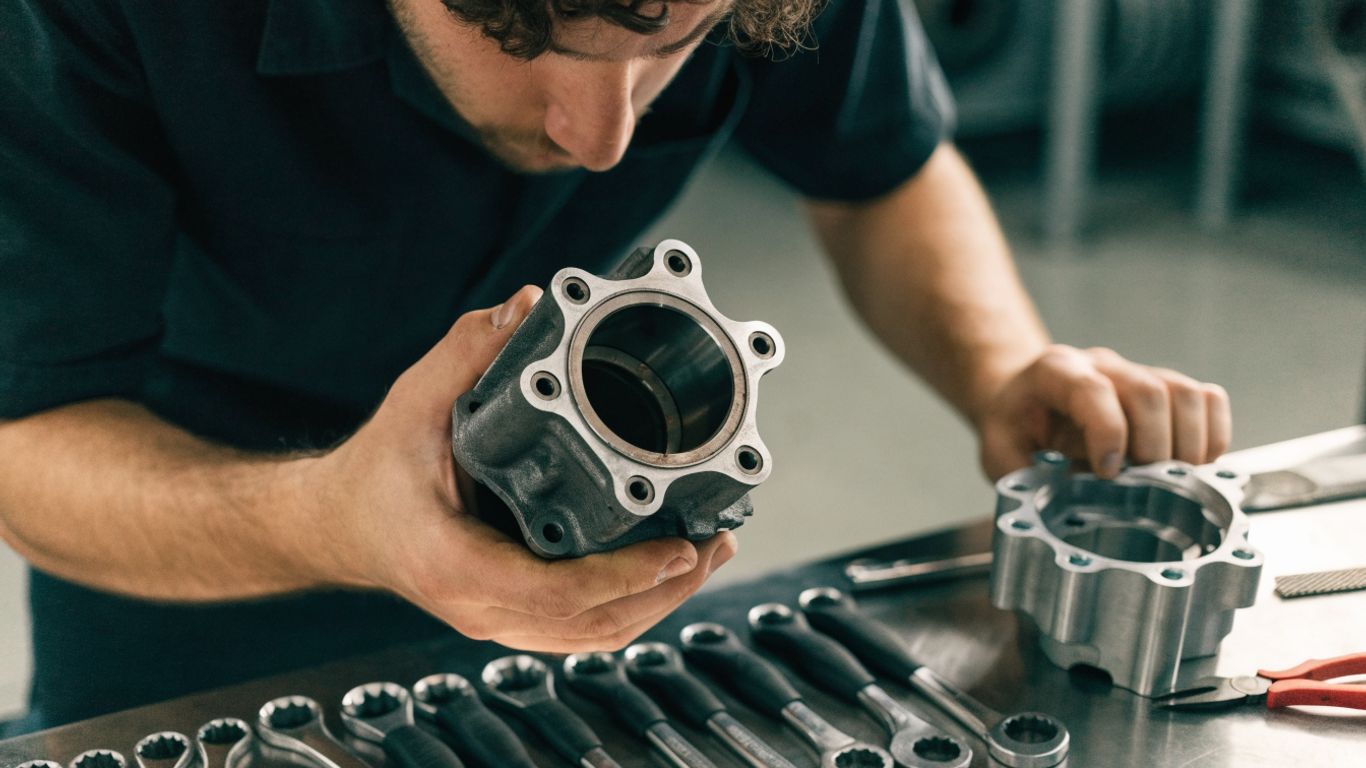
On-site work may be reasonable when the fault can be assessed safely, the necessary tools and parts are available, and the equipment does not need specialist lifting or workshop facilities. If access is restricted, contamination is suspected, or the gearbox must be dismantled beyond what can be done safely in place, transport to a suitable facility may be more appropriate. Ask the provider to explain the limits of an initial on-site inspection.
Compare repair, replacement, and temporary gearbox options
Compare options in terms of what is included, what is still unknown, and how long each path may take. A planned industrial repair resource describes how addressing gearbox issues can help avoid unexpected disruption, but the best approach for a particular failure depends on inspection and operating requirements. When weighing options, lay out the practical trade-offs rather than focusing only on the first quoted figure.
| Option | What to clarify | Possible timing factor |
|---|---|---|
| Repair the existing unit | Scope of damage and parts required | Inspection and repair complexity |
| Replace the gearbox | Exact specification and availability | Sourcing and transport |
| Use a temporary unit | Compatibility and permitted duration | Rental or exchange availability |
| Move the equipment to a workshop | Safe transport and handling | Recovery and workshop scheduling |
Use the comparison to ask what is included in each estimate and what could change after disassembly. A temporary unit may help keep essential work moving, but only if it is suitable, correctly installed, and approved for the intended use.
Check parts compatibility and warranty implications
Confirm the gearbox code or other required identifying details before authorizing a part. A car parts supplier may offer access to used, genuine, and aftermarket parts, but the part still needs to match the vehicle and repair requirements. Check whether the proposed work affects an existing warranty, what warranty applies to the part and labor, and whether the provider needs approval before proceeding.
Plan the timeline and cost
Urgent work is easier to manage when the estimate separates immediate checks from work that depends on further findings. Ask what can be assessed today, what requires disassembly or transport, and when a decision point will come. For a broader sense of how inspection complexity and parts availability influence turnaround, see this overview of transmission repair timing; actual timing depends on the job in front of the repairer.
Ask what diagnostics and repairs can happen immediately
Ask what the first visit includes: visual inspection, code checks where appropriate, fluid assessment, or another diagnostic step. Clarify whether the technician can begin a repair during the callout or must first obtain authorization, equipment, or parts. An early estimate is provisional if the cause cannot be confirmed until the unit is opened.
Identify likely delays, including parts lead times
The most useful timing estimate names the dependencies rather than offering a bare promise. Ask whether the likely delay is diagnosis, parts sourcing, workshop capacity, transport, or approval. A story about a last-minute gearbox fix in motorsport shows how logistics can matter under a tight deadline, but its circumstances should not be treated as a normal repair timeline.
Estimate labor, transport, and downtime costs
Request a written breakdown that separates diagnostic work, labor, parts, callout or recovery charges, and any likely additional work. Consider the operational cost of keeping the equipment idle as well as the repair invoice, while avoiding a rushed decision based only on downtime pressure. For vehicle gearbox parts, a car parts supplier can help customers find options across Melbourne, Sydney, Brisbane, and nationwide; compare the actual part, fit, and delivery details before committing.
Reduce the risk of another sudden failure
A repaired gearbox should not simply be returned to full demand without understanding what caused the problem. Ask the repairer to explain the findings, any remaining limitations, and what to watch for during the first period of operation. These details make the repair more useful than a quick return to work with the same conditions still in place.
Investigate the root cause before restarting
A replacement component may address the visible damage without explaining why it occurred. Ask whether the inspection found signs of lubrication problems, contamination, overload, misalignment, or another contributing factor, and what evidence supports that conclusion. Restart only after the repairer confirms the required checks are complete and the equipment is safe to use.
Follow run-in and monitoring instructions after repair
Follow the repairer’s instructions on initial loading, speed, checks, and any required fluid inspection. Stop again if the original warning returns or a new leak, heat, noise, or vibration appears. A simple written handover helps operators know what was done and which signs warrant another call.
A short video can help explain general gearbox inspection concepts, but it cannot verify whether a particular machine is safe to run. Use it as background only, and follow the equipment maker’s procedures and the repairer’s advice for the actual repair.
Schedule inspections and maintenance around operating demands
Set inspection intervals with the equipment’s duty cycle, environment, and manufacturer guidance in mind. Record service and repair details so a later technician can spot patterns instead of starting from scratch. Regular checks do not guarantee that a sudden fault will never happen, but they can make changes easier to notice before they become an emergency.
Conclusion
A last-minute gearbox problem calls for a clear head more than a quick guess. Shut down safely, document the symptoms, choose a provider suited to the gearbox, and compare repair paths with timing and compatibility in view. Before returning to normal operation, confirm the cause as far as possible and follow the repairer’s checks so the response addresses more than the immediate interruption.
Frequently Asked Questions
Can I drive or operate equipment with a noisy gearbox?
Not if the noise is severe, worsening, or accompanied by slipping, unexpected gear changes, a leak, or excessive heat. Stop safely and get qualified advice rather than continuing to test it.
What information should I give an emergency repair provider?
Share the equipment identification details, gearbox type if known, location, symptoms and when they occur, recent service history, and clear photos taken from a safe position.
Is an on-site gearbox repair always possible?
No. Access, safety, the fault’s complexity, required tools, and parts availability may mean the equipment needs to go to a workshop.
Should I add gearbox fluid before calling for help?
Do not add fluid unless the correct specification and procedure are confirmed and it is safe to do so. The wrong fluid or an unsafe inspection can cause further trouble.
How long does an emergency gearbox repair take?
It depends on diagnosis, repair complexity, parts availability, transport, and workshop capacity. Ask for an estimate with dependencies and a time for the next update.
Is replacing the gearbox better than repairing it?
Neither option is automatically better. Compare confirmed damage, compatibility, warranty terms, likely downtime, and the full estimate before choosing.
What should I check after the repair?
Follow the repairer’s instructions for initial operation and monitoring. Watch for returning noise, vibration, leaks, heat, or gear-selection problems, and stop if warning signs recur.