

Key Takeaways
Gearbox life depends on steady care, suitable operating conditions, and sound installation. Small changes caught early are usually easier to address than damage discovered after a failure.
- Use the lubricant grade and service interval specified for the gearbox.
- Keep loads, speed, and temperature within rated limits.
- Check for changes in sound, vibration, heat, leaks, and visible wear.
- Confirm alignment, mounting, and connected components are secure.
- Record maintenance and operating conditions so developing problems are easier to spot.
Choose and monitor the right lubricant
Lubrication protects contacting parts from excessive friction and wear, but the right approach depends on the gearbox design and its working conditions. Use the manufacturer’s documentation as the reference point for lubricant type, quantity, and service timing. A consistent routine can extend gearbox life by preventing avoidable lubrication problems before they build. Keep notes when the gearbox’s duty or environment changes, since those changes may affect maintenance needs.
Match lubricant viscosity and specifications to the gearbox
Viscosity affects how lubricant moves through the gearbox and protects its parts at operating temperature. Check the equipment nameplate and manual for the required grade and any stated performance specifications; do not choose oil by color or by what is already on the shelf. Matching the lubricant to the equipment is a basic but consequential check that helps avoid using a fluid unsuited to the unit.
Follow manufacturer guidance for oil-change intervals
Oil-change timing depends on the gearbox and its service conditions, so a universal interval can be misleading. Start with the manufacturer’s recommendation and record operating hours, oil changes, and any exceptions. If the gearbox works in unusually hot, dusty, or demanding conditions, ask a qualified service professional whether the interval should be reviewed. Guidance on gearbox maintenance and oil cleanliness targets can provide useful background for those conversations.
Check oil levels and watch for leaks
A routine level check can catch a problem before it becomes a major repair. Follow the specified checking procedure, including any requirements about shutdown, settling time, or oil temperature, and use the correct level indicator. If the level has dropped, look for the source rather than simply topping up repeatedly; an unexplained loss may point to a leak or another issue that needs attention.
Keep lubricant clean and prevent contamination
Dust, water, and debris can compromise lubricant and add wear, so cleanliness matters during storage, transfer, and filling. Use clean containers and tools, keep fill openings protected, and replace damaged breathers or seals as appropriate. If contamination is suspected, do not assume fresh oil alone will solve it; identify how material entered the system and correct the cause.
Control operating conditions
A gearbox can wear faster when it is routinely asked to work outside its intended range. Rated load and speed, operating temperature, start-up patterns, and the surrounding environment all affect how much stress the unit experiences. Compare actual conditions with the equipment documentation rather than relying on a general rule of thumb. A short operating log can help show whether a change is occasional or becoming the new normal.
Stay within rated load and speed limits
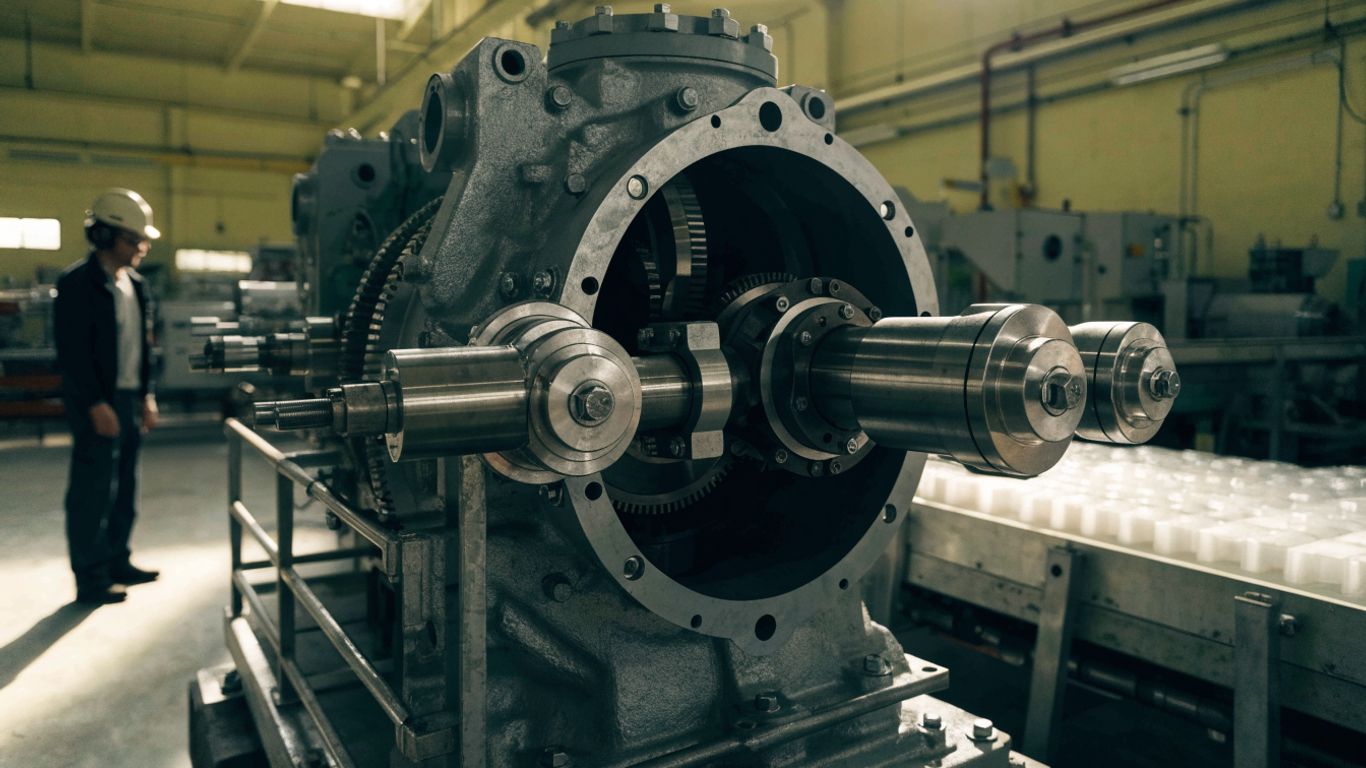
Check the gearbox rating and the driven equipment’s requirements together; a suitable gearbox can still be overloaded by the application. Pay attention to changes in throughput, material weight, or process settings that increase demand. If operating needs have changed, have the application reviewed instead of expecting the gearbox to absorb the extra load indefinitely.
Manage temperature and prevent overheating
Heat can signal a change in load, lubrication, ventilation, or another operating condition. Monitor temperature consistently at the same accessible point and under comparable conditions so readings can be meaningfully compared. Clear obstructions around ventilation paths and investigate a persistent rise rather than treating it as normal variation. Temperature is most useful as a trend, not a single number without context.
Reduce shock loads, vibration, and frequent starts
Sudden impacts and repeated starts can place additional stress on gearbox components. Where the process allows, smooth starts and gradual changes in load can reduce abrupt demands. Operators can help by noting when vibration or impacts occur and what the equipment was doing at the time.
A few operating habits make those observations easier to apply consistently:
- Avoid sudden changes in load when the process permits.
- Record unusual starts, stops, or impacts.
- Report new vibration rather than waiting for a scheduled service.
- Check whether process changes have altered the gearbox’s duty.
After a change in operating practice, compare readings and observations with the established baseline. That makes it easier to decide whether the adjustment improved conditions or introduced a new source of stress.
Account for dust, moisture, and other harsh conditions
The environment around a gearbox can affect seals, lubricant cleanliness, and inspection frequency. Dusty or damp locations may call for more careful checks and stronger contamination controls, but the right measures depend on the unit and site. For wider context, industrial gearbox efficiency is also influenced by selection, installation, and operating conditions. Adjust protection and inspection practices to the actual environment rather than applying a one-size-fits-all fix.
Inspect the gearbox regularly
Inspections help establish what is normal for a particular machine and reveal changes that deserve attention. They need not be complicated, but they should be consistent and performed safely. Combine listening and visual checks with notes on temperature, vibration, and operating conditions. That record makes a gradual change easier to notice than a memory-based comparison made months later.
Listen for changes in noise and vibration
A new hum, rattle, or change in vibration can be an early sign that something has shifted. Listen under familiar operating conditions when possible, and note when the sound appears, how long it lasts, and whether it changes with load or speed. Do not assume every sound means gearbox damage, but do not dismiss a persistent change without checking its cause.
Check seals, fasteners, and mounting points
Look for damaged or displaced seals, loose fasteners, and signs that the unit has moved on its mount. Use the manufacturer’s maintenance instructions and appropriate isolation procedures before touching or tightening components. If a fastener repeatedly loosens, investigate alignment, vibration, and mounting rather than treating repeated tightening as a permanent repair.
Look for leaks, unusual heat, and visible wear
A visual inspection can reveal oil traces, damaged surfaces, corrosion, or wear around accessible components. Compare findings with earlier checks and note the location, not just the presence, of a change. If signs point to internal damage or the source is unclear, arrange a qualified inspection instead of opening the gearbox without the correct procedure.
Set inspection intervals based on duty and environment
Inspection frequency should reflect the manufacturer’s guidance, the gearbox’s hours of use, and the conditions around it. The following table helps organize what to observe; it is a recordkeeping aid, not a substitute for equipment-specific service instructions.
| Check | What to note | When to investigate |
|---|---|---|
| Sound and vibration | New or changing patterns | A persistent or worsening change |
| Temperature | Reading and operating conditions | A repeated rise from baseline |
| Seals and housing | Leaks, damage, or residue | Any new or recurring leakage |
| Mounting and fasteners | Movement or looseness | Repeated movement or loosening |
Use the same checkpoints each time, and add detail when something changes. If the application is difficult to access or operates continuously, plan inspections around safe access and the manufacturer’s recommended service approach.
Align and install components correctly
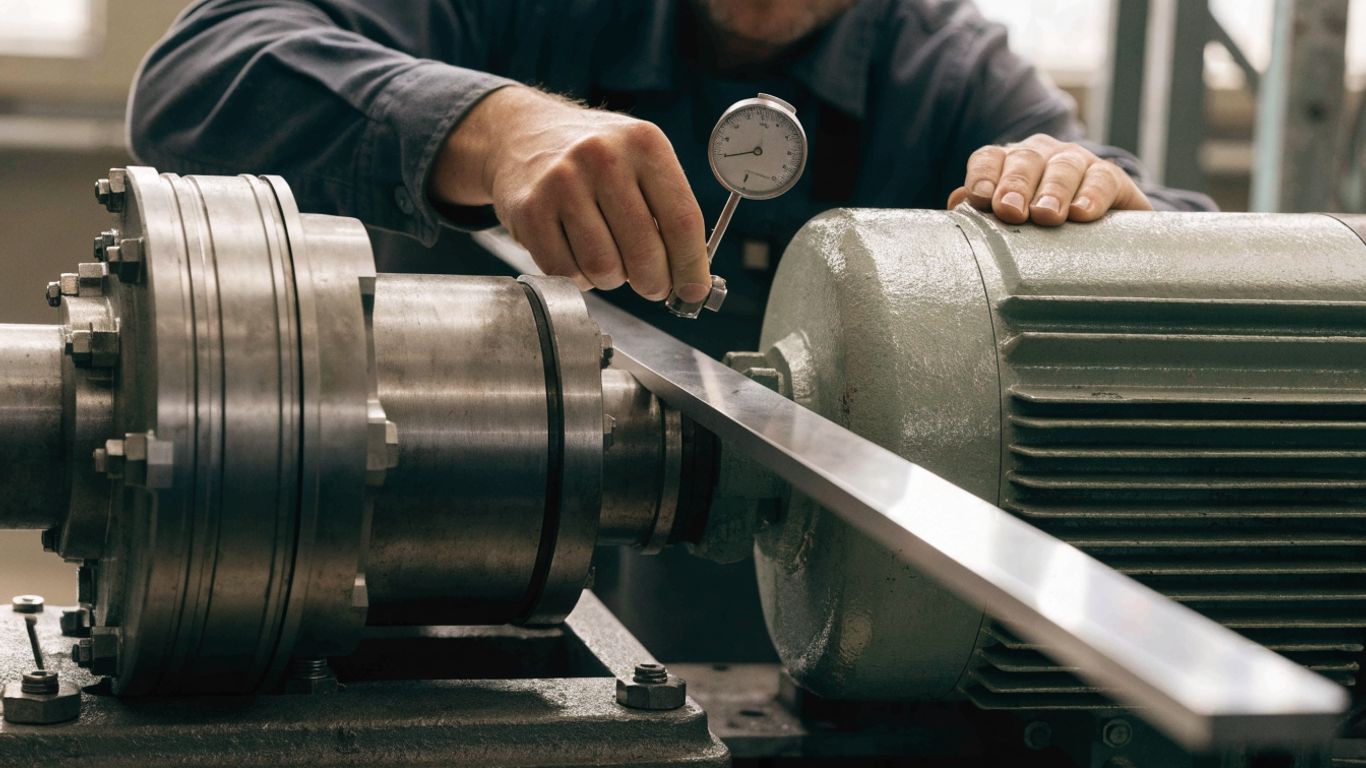
Installation affects how loads pass through the gearbox and into connected equipment. Alignment, a stable foundation, and appropriate setup all matter, even when the gearbox itself is correctly specified. Use the manufacturer’s procedures and appropriate measuring tools rather than relying on visual alignment alone. If a unit has already been operating, a new noise or repeated wear may justify checking the installation as well as the internal parts.
Align the gearbox with connected equipment
Misalignment can add unwanted forces to shafts, bearings, and couplings. Check alignment using the method specified for the equipment and account for any thermal or operating movement identified by the manufacturer. Recheck after adjustments, since correcting one point can affect another.
Verify the foundation and mounting are secure
The supporting base should be stable and suitable for the equipment and operating forces. Inspect for loose mounting hardware, movement, or signs of uneven support, and follow the required tightening sequence and torque values. Where building moisture or drainage is a separate concern, gutter installation professionals address a different part of facility protection; gearbox mounting itself still needs equipment-specific checks.
Check couplings, shafts, and belt tension
Connected components should be inspected as part of the same drive system, since wear or incorrect tension can affect how the gearbox operates. Check couplings for damage and verify shaft fit and belt tension against the relevant equipment instructions. Avoid compensating for a suspected gearbox issue by making an unverified adjustment elsewhere in the drive.
Follow proper procedures during installation and startup
Before startup, verify lubrication, alignment, mounting, guards, and any other checks required by the manufacturer. Confirm that the surrounding equipment is ready and that the startup sequence is understood by the people involved. After the unit begins operating, check for leaks, unusual sounds, and unexpected heat, and document the initial readings for future comparison.
Use condition monitoring to catch problems early
Condition monitoring gives maintenance teams a way to compare current behavior with an established baseline. The goal is not to collect data for its own sake, but to notice meaningful changes and investigate them in time. Choose checks that suit the gearbox and the available access, then apply them consistently. Even simple measurements become more useful when they are recorded alongside load, speed, and operating context.
Track vibration and temperature trends
Take vibration and temperature readings at repeatable points and under similar operating conditions. A single reading may reflect a temporary change, while a trend can indicate that the machine is moving away from its normal pattern. Record when and how each reading was taken so later comparisons remain useful.
Use oil analysis to identify wear and contamination
Oil analysis can help assess lubricant condition and identify indications of contamination or wear, when the method and interpretation suit the gearbox. Take samples using a consistent, clean procedure and follow the laboratory’s sampling instructions. Results should be considered alongside operating history and other observations, not treated as a diagnosis in isolation.
Set alert thresholds and document baseline readings
Establish a baseline when the gearbox is operating normally, and note the conditions at the time. Alert thresholds should be based on manufacturer guidance, site experience, or advice from a qualified specialist—not an arbitrary number copied from another machine. Keep the baseline and thresholds accessible to the people responsible for inspection and response.
Investigate changes before they lead to failure
When a reading shifts, first check whether operating conditions or measurement methods also changed. Repeat the measurement if appropriate, then compare it with other signs such as sound, temperature, or lubricant condition. If the change persists or worsens, plan an investigation rather than waiting for the next routine check.
Build a maintenance plan that prevents avoidable wear
A practical plan turns individual checks into a repeatable routine. It should identify who performs each task, when it is due, and what to do when an inspection raises a concern. Keep the plan aligned with manufacturer recommendations and adjust it when the gearbox’s duty or environment changes. Reliable notes are particularly useful when shifts or maintenance personnel change.
Create a schedule based on manufacturer recommendations
Begin with the service intervals and procedures in the gearbox documentation. Add inspections that reflect the actual operating environment, but make clear which tasks are manufacturer requirements and which are site practices. Review the schedule after significant changes to operating hours, load, or surroundings.
Keep maintenance and operating records
A useful record captures the date, operating hours, observations, measurements, work performed, and any parts replaced. Include enough detail that another person can understand what changed and why an action was taken. Planning routines matter in many settings, from vacation rental management to maintaining equipment; group dining plans, a mountain getaway, and a physiotherapy guide are unrelated examples, but likewise depend on clear records and defined needs.
Train operators to spot early warning signs
Operators often notice a change before it appears in a formal inspection. Explain which sounds, leaks, heat, or vibration should be reported, and make it easy to record when they occur. Training should also cover safe boundaries: operators can observe and report, while repairs and adjustments follow approved procedures.
Repair recurring issues instead of treating symptoms
Repeated oil loss, loose mounting hardware, or recurring vibration deserves a search for the underlying cause. Review inspection notes and operating changes together, and involve qualified maintenance personnel when diagnosis requires specialist knowledge. Fixing the cause is more useful than repeating a temporary correction that leaves the same stress in place.
Conclusion
Extending gearbox life is less about one special intervention than about getting the fundamentals right and repeating them. Use the specified lubricant, watch operating conditions, inspect consistently, and keep installation and connected equipment in sound condition. When observations and measurements are recorded, small changes become easier to recognize and address before they interrupt operation.
Frequently Asked Questions
How often should a gearbox be inspected?
Follow the manufacturer’s guidance and adjust the routine to reflect operating hours, load, and environmental conditions. More demanding or variable service may call for more frequent checks.
What are common signs of gearbox trouble?
Changes in noise, vibration, temperature, lubricant level, or visible leakage can indicate that something needs attention. Compare observations with the gearbox’s normal behavior and investigate persistent changes.
Can the wrong lubricant shorten gearbox life?
Using a lubricant that does not meet the specified grade or requirements may reduce effective protection. Check the equipment documentation rather than selecting oil by convenience.
Why does gearbox alignment matter?
Misalignment can introduce extra forces into the connected drive components. Correct alignment helps the system operate as intended and can reduce avoidable stress.
What should I do if gearbox temperature rises?
Confirm the reading under comparable conditions, then check for changes in load, ventilation, lubrication, or operating pattern. A repeated or unexplained rise should be investigated.
Does oil analysis replace regular inspection?
No. Oil analysis can add useful information about lubricant condition, but it works best alongside visual checks, operating records, and other appropriate monitoring.
What information should a gearbox maintenance log include?
Record dates, operating hours, checks performed, readings, observations, maintenance actions, and relevant changes in duty or environment. Consistent details make trends easier to assess.