Key Takeaways
Recognizing dash warnings early prevents severe damage and ensures driver safety in all road conditions.
- Gearbox lights typically appear as cog symbols or warning triangles indicating hydraulic or electronic irregularities.
- Fluid issues like low levels or degradation are the most frequent triggers for transmission alerts.
- Immediate action involves monitoring other dashboard indicators and assessing driving performance for signs of failure.
- Standard diagnostics require OBD-II scanners to identify specific trouble codes stored within the vehicle control module.
- Regular maintenance schedules for fluid and filter replacements are the best defense against long-term transmission failure.
Understanding the gearbox warning light
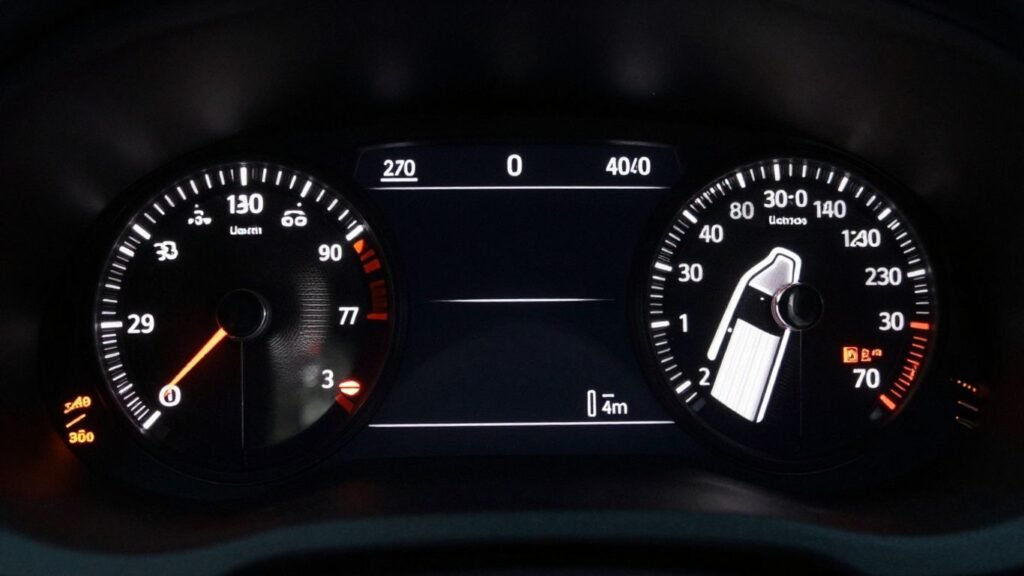
When you see a sudden glow on your dashboard, it creates immediate stress for any driver. This indicator is a sophisticated communication method designed to alert you before internal damage becomes irreversible. It represents the gearbox warning light on dashboard ecosystem, where sensors monitor temperature and pressure continuously.
Symbols and icons associated with transmission issues
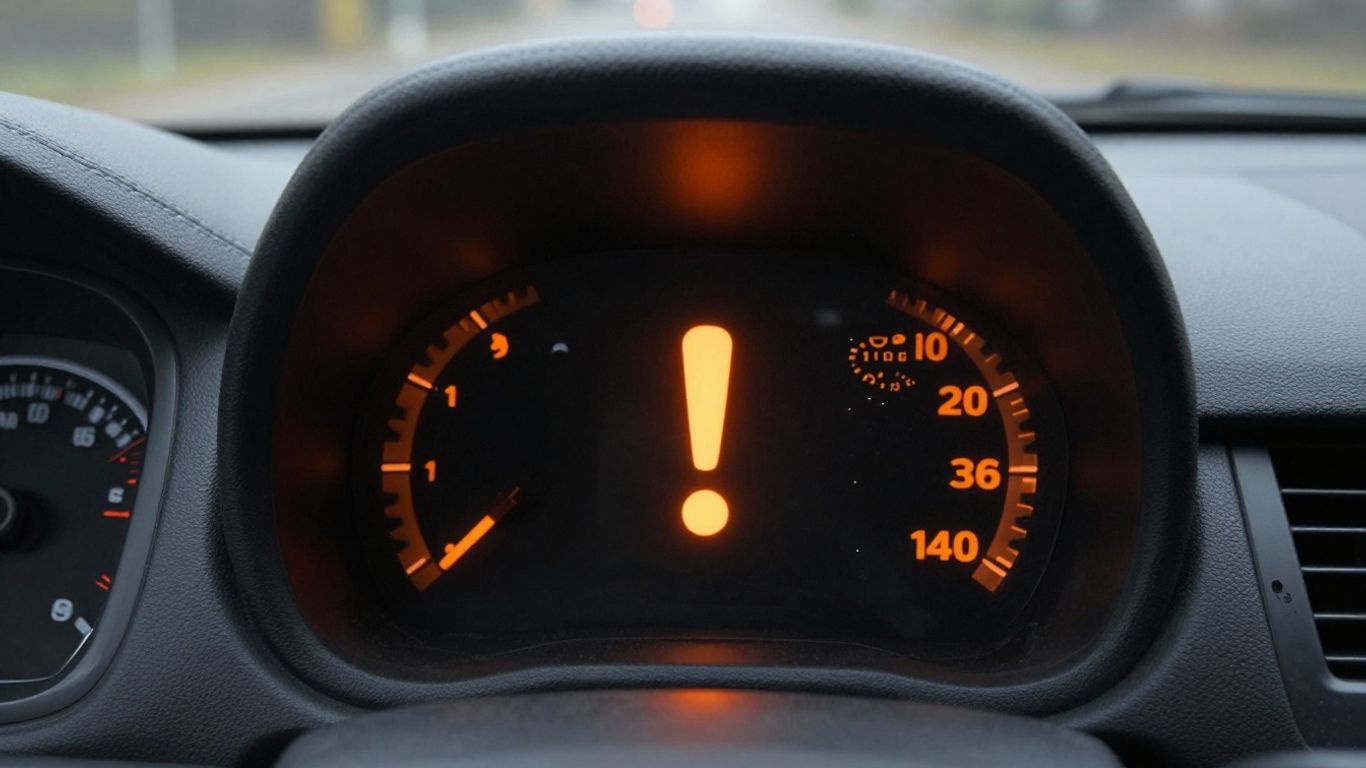
Manufacturers often use specific icons to designate transmission status, which can vary slightly by vehicle model. You might see a gear shaped icon with an exclamation point or a simple thermometer combined with a cog. These symbols function as specialized status reports from the powertrain control unit.
How the onboard diagnostic system triggers the alert
Modern vehicles utilize a series of sensors linked to the Transmission Control Module (TCM) to monitor shifting patterns. If a shift solenoid fails to activate or hydraulic pressure drops below a threshold, the system triggers the alert to prevent further mechanical heat buildup.
Differentiating between temporary and persistent warnings
Occasionally, a sensor might report an momentary glitch due to a power fluctuation. If the light disappears after restarting the engine, it may be a data error. However, a persistent warning indicates a physical fault that demands immediate inspection.
Common causes for transmission warnings
Transmission failures often originate from neglected maintenance or simple wear over time. When your car signals a fault, consider John Lee Mazda reports about potential overheating or internal errors that could be the root cause.
Low or contaminated transmission fluid levels
Transmission fluid is the lifeblood of the entire assembly, providing necessary cooling and hydraulic pressure. If the fluid level drops below the dipstick indicator, internal parts lack the lubrication required to operate without excessive friction.
Overheating transmission fluid and cooling system failure
High temperatures cause rapid degradation of the transmission fluid’s effectiveness. When the cooling system fails or gets bogged down during heavy loads, the resulting heat spike forces the computer to flag a performance issue.
Sensor malfunctions and electrical continuity issues
Modern cars rely on complex electrical loops to communicate gear positions. A frayed wire or a corroded connector can cause false reporting, mimicking the same indicators as a true mechanical failure.
Mechanical wear in clutches or gear components
We provide a quick glance at the typical factors contributing to these warnings in the table below:
| Component | Common Issue | Impact Level |
|---|---|---|
| Clutch Pack | Slipping or burnt material | High |
| Shift Solenoid | Electrical resistance | Medium |
| Torque Converter | Fluid circulation block | High |
Mechanical wear inside the unit, such as worn clutch linings, alters the shifting timing significantly. This physical degradation necessitates a thorough inspection to determine if a rebuild or component replacement is required to restore function.
Immediate steps to take when the light appears
Managing a sudden mechanical alert requires a calm head to ensure you do not worsen existing problems. For those seeking transmission light guidance, the initial reaction should prioritize vehicle and passenger safety above all else.
Checking your vehicle dashboard for accompanying symptoms
Look for other signs like sluggish acceleration or strange smells coming from the engine bay. These indicators often provide the context needed to understand if the vehicle is safe to operate at slow speeds.
Safely pulling over and assessing the situation
Find a secure location to pull the car off the main flow of traffic immediately when the indicator remains lit. This prevents the transmission from working under load while it might be suffering from internal starvation or overheating.
Deciding between towing and driving it to a shop
If the dashboard emits a flashing symbol or the transmission enters limp mode, do not attempt to drive further. It is better to rely on professional transport than to risk burning out the transmission components further.
Resetting the electronic control unit as a preliminary troubleshooting step
Sometimes, clearing the cache helps isolate if the error was a one-time electronic ghost. Use this cautiously as a last resort, as it can hide critical diagnostic data if the fault is indeed mechanical.
Diagnostic procedures for transmission issues
Pinpointing the exact nature of an internal problem is a technical task that benefits from systematic observation. Much like learning the nuances of Generative Engine Optimization, using diagnostic tools requires patience and understanding of how data structures relate to the physical machine.
Using an OBD-II scanner to extract error codes
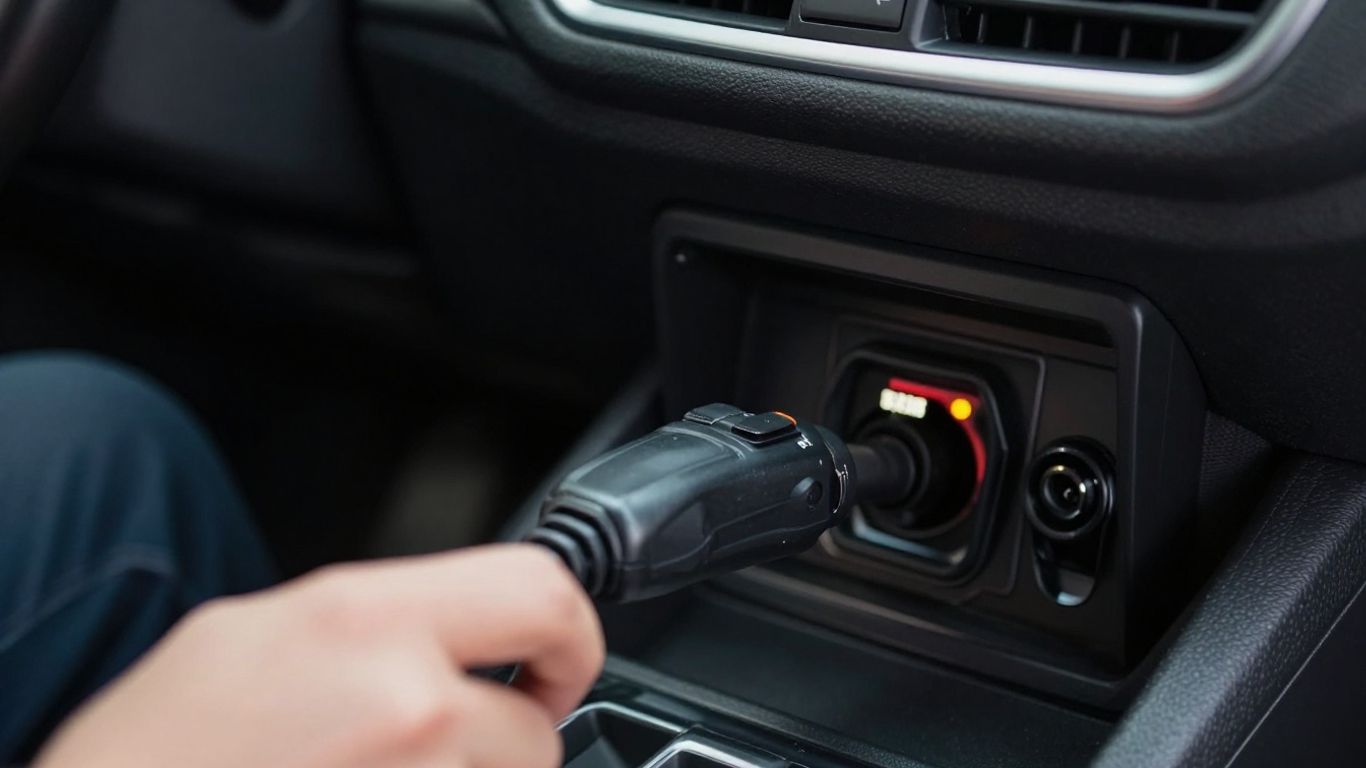
Connect a diagnostic tool to the port under the dash to retrieve the specific alphanumeric codes saved in the history. This is the most effective way to identify the exact solenoid or sensor failing within the system.
Interpreting transmission-specific diagnostic code meanings
Codes starting with a ‘P07’ sequence usually signal specific electrical errors regarding gear shifts. Researching these codes online or in your service manual often highlights whether the fault is related to fluid pressure or a hardware failure.
Inspecting transmission fluid color, smell, and consistency
Perform a physical check of the fluid condition by pulling the dipstick if your car is equipped with one. Fresh fluid should be clear and reddish; if it is dark, murky, or smells like burnt toast, the fluid is severely compromised.
Identifying fluid leaks beneath the transmission housing
Check your parking spot for red or brown fluid puddles that confirm a seal failure. According to Modern automatic transmission tips, identifying a leak early can be the difference between a simple gasket replacement and a full system swap.
Avoiding long-term transmission damage
Protecting your gearbox starts long before a dashboard light flickers. It involves consistent habits, much like the commitment required when you prioritize your Attic Fanatics energy savings for home efficiency.
Adhering to the manufacturer’s recommended fluid change intervals
Changing the fluid removes abrasive suspended metal particles that accumulate over thousands of miles. This single habit drastically extends the lifespan of internal gears and hydraulic valves against premature fatigue.
Monitoring transmission temperatures during towing or heavy loads
Engines and gearboxes struggle under extreme weight, which increases operating temperatures rapidly. If you pull trailers, keep an eye on the temperature gauge to ensure you are not cooking the fluid under persistent stress.
Recognizing the signs of early internal component failure
Listen closely for subtle whines or clunking sounds during shifts that occur before the light ever turns on. These indicators serve as an early warning signs that a component is nearing the end of its functional life.
Preventing driving habits that strain the gearbox
- Avoid shifting from drive to reverse while the vehicle is still rolling.
- Do not rest your hand on the gear shifter while driving.
- Allow the engine to reach operating temperature before driving aggressively.
- Use the emergency brake on inclines to take the load off the transmission park pawl.
Changing your driving style ensures that the internal components are not consistently placed under unnecessary shearing forces. These small adjustments cumulatively reduce the strain on the unit during stop-and-go commuting.
When to seek professional repair
Knowing your limits as a DIY mechanic is essential when dealing with such a complex drivetrain component. Distinguishing between a minor adjustment and a catastrophic failure is similar to learning the difference between a media advisory and a press release based on your needs.
Identifying complex mechanical failures beyond DIY repair
If the issue involves planetary gear sets or broken torque converters, the job requires a hydraulic lift and specialized equipment. Attempting to disassemble a transmission without proper shop manuals often leads to more harm than good.
Understanding the limitations of home-based transmission diagnostics
While scanners provide codes, they do not illustrate the microscopic wear on gear surfaces or debris in the fluid filter. Specialized equipment is needed to perform internal pressure tests that verify if internal seals are still holding.
Importance of finding a certified transmission specialist
Certified professionals possess the expertise to distinguish between a simple sensor swap and a full rebuild. Their experience ensures that the work is performed to factory specifications and tested to prevent future leaks or shifting issues.
Managing repair costs and warranty considerations
Discussing repair estimates beforehand is crucial for avoiding budget surprises. Verify if the shop provides a warranty on their labor and parts, as this is standard evidence of quality service in the automotive field.
Conclusion
Addressing a transmission warning requires diligence and a clear understanding of your vehicle’s health indicators. By monitoring fluid conditions, paying attention to early mechanical signs, and knowing when to consult a certified specialist, you can significantly reduce the risk of major breakdowns. Maintaining your gearbox properly ensures that the vehicle remains reliable and safe for every journey ahead.
Frequently Asked Questions
Is it dangerous to continue driving if the gearbox light comes on?
Operating a vehicle with a transmission light on is risky because the system may suddenly shift into neutral or lock in a single gear. This behavior can cause you to lose power during high-speed traffic, which is a major safety hazard, so it is always advised to stop as soon as possible.
Can low transmission fluid cause the light to turn on?
Yes, low fluid levels are one of the most common causes for the indicator to activate because the system relies on hydraulic pressure for shifting. If the pump cannot build enough pressure, the control module will detect the discrepancy and signal a fault.
How much does it typically cost to fix a transmission problem?
Repair costs vary wildly depending on whether the issue is a simple sensor replacement, a fluid flush, or a complete mechanical overhaul of the unit. Minor electronic fixes might cost a few hundred dollars, while a full rebuild can reach into the thousands.
Does a transmission light always mean the transmission is broken?
Not necessarily, as the issue could be a simple software bug or a faulty sensor reporting incorrect data to the control unit. A proper diagnostic scan is the only way to determine if you are facing a minor electronic glitch or an actual mechanical failure.
Should I check the transmission fluid myself?
Checking the fluid is possible if your vehicle is equipped with a dipstick, but many modern transmissions use sealed units that require specialized tools for inspection. If you are unsure about the procedure, it is better to have a professional handle it to avoid overfilling or improper testing.
Can a transmission light turn off on its own?
Sometimes an intermittent warning can disappear if the system detects that the measured parameter has returned to the safe operating range. However, even if the light goes away, it is wise to have the error codes scanned to identify what caused the temporary spike.
What should I look for in a transmission repair shop?
Look for shops that employ technicians certified in automatic transmission systems and offer clear, written warranties on their work. A reputable shop should be willing to show you the old parts they replaced and explain the diagnostic process that confirmed the specific mechanical failure.