

Key Takeaways
Identifying why your vehicle behaves erratically is the first step toward long-term reliability. Addressing shifting issues early prevents catastrophic internal damage to your drivetrain.
- Low or degraded transmission fluid often causes harsh shifting sensations.
- Faulty shift solenoids disrupt hydraulic pressure, leading to noticeable gear changes.
- Sensor malfunctions, such as issues with mass air flow, can trick your computer into making poor shifting decisions.
- Mechanical wear, including damaged clutch plates, requires immediate inspection by a technician.
- Regular diagnostic scans often reveal specific trouble codes that point to the root cause of the jerk.
Common transmission fluid issues
Low fluid levels and leaks
One of the most frequent culprits behind a car jerking when shifting gears is inadequate transmission fluid volume. Your transmission relies on fluid as both a lubricant and as a hydraulic medium to actuate gear changes smoothly. When the levels are low, the system struggles to maintain the pressure required to engage or disengage gears efficiently, often resulting in a harsh lurch during the transition.
Dirty or degraded transmission fluid
Over many miles, transmission fluid picks up microscopic debris and thermal breakdown particles. This contamination changes the fluid’s thermal properties, meaning it can no longer cool the delicate internal parts effectively or provide the consistent pressure needed for smooth shifts.
The role of fluid viscosity in gear transitions
Fluid viscosity is the lifeblood of an automatic transmission, as it determines how quickly hydraulic signals move through the valve body. If you notice your car hesitating or jumping, it may be time to visit Top Notch Transmissions to ensure your internal lubrication is maintained.
Faulty transmission solenoids
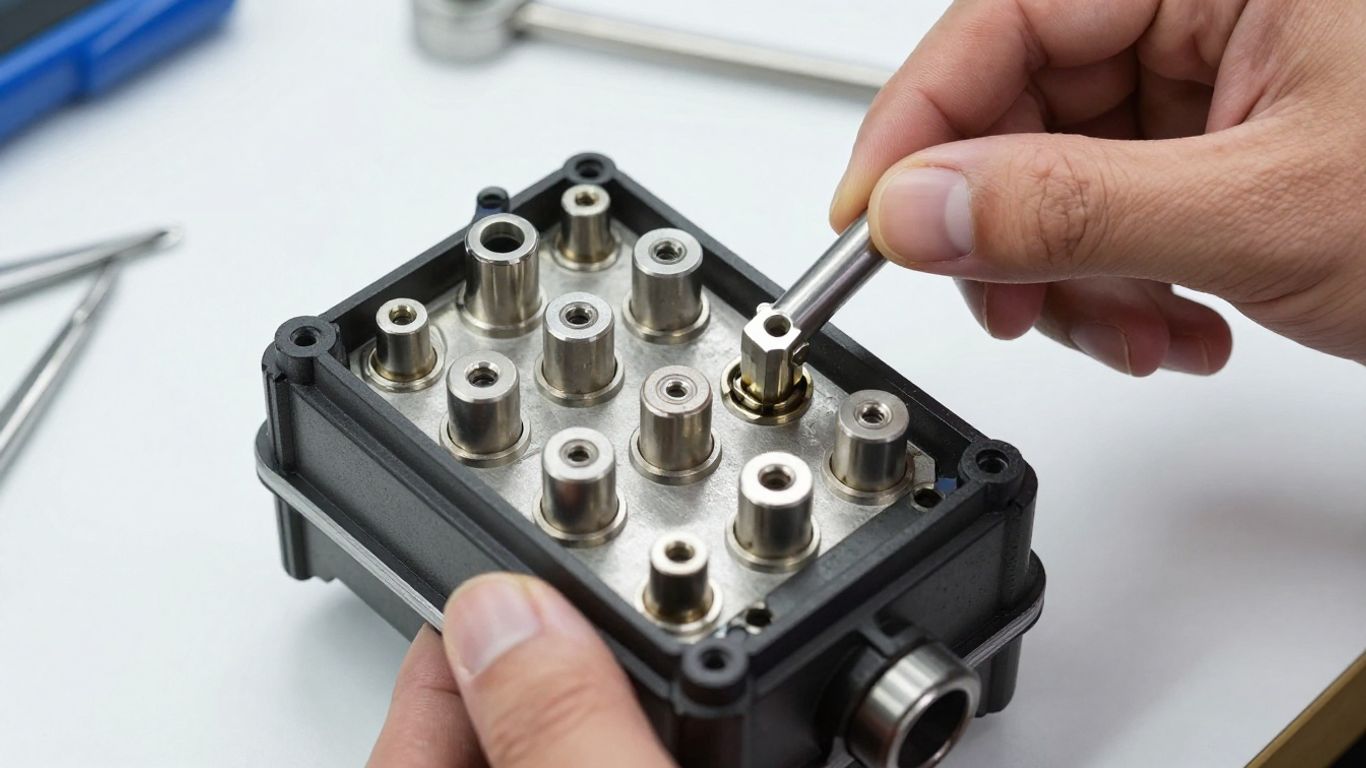
Understanding the function of shift solenoids
Shift solenoids are electromechanical components responsible for directing the flow of fluid to the correct clutch packs or bands. They act as the muscle of the transmission control system, translating signals from the computer into physical movement.
Symptoms of a stuck or failing solenoid
When these components fail, the result is a delayed or violent gear shift that feels like the engine is stuttering. Your automobile drivetrain relies on these parts for timing; if one is stuck, you might experience a significant shudder during acceleration.
Electrical connectivity and wiring harness issues
Sometimes the solenoid itself is perfectly fine, but the electrical signal is interrupted by frayed insulation or corroded connectors. A simple wire harness repair can save you from a complete transmission rebuild.
Engine performance and sensor malfunctions
Impact of faulty mass air flow sensors
An inaccurate mass air flow sensor sends incorrect data to the engine computer, which causes the engine to oscillate between power demands. This causes the transmission to search for the right gear, resulting in a series of jerks as the engine load fluctuates rapidly.
Spark plug and ignition coil misfires
Engine misfires are frequently misdiagnosed as transmission problems because they produce the same jerky sensation under load. This is a common drivetrain stress issue that often happens during hard acceleration.
Throttle position sensor calibration errors
Your transmission needs to know exactly how much the throttle is open to choose the most efficient gear ratio. A miscalibrated sensor creates confusion for the control unit, leading to awkward, jerky shifts. Consider these factors when diagnosing:
| Issue Type | Symptom Intensity | Primary Cause |
|---|---|---|
| Solenoid Failure | High | Hydraulic Delay |
| Sensor Drift | Low to Moderate | Electrical Signal |
| Fluid Degradation | Variable | Thermal Breakdown |
These data points help narrow down whether the issue stems from fluid, electrical, or mechanical failures.
Mechanical wear inside the transmission
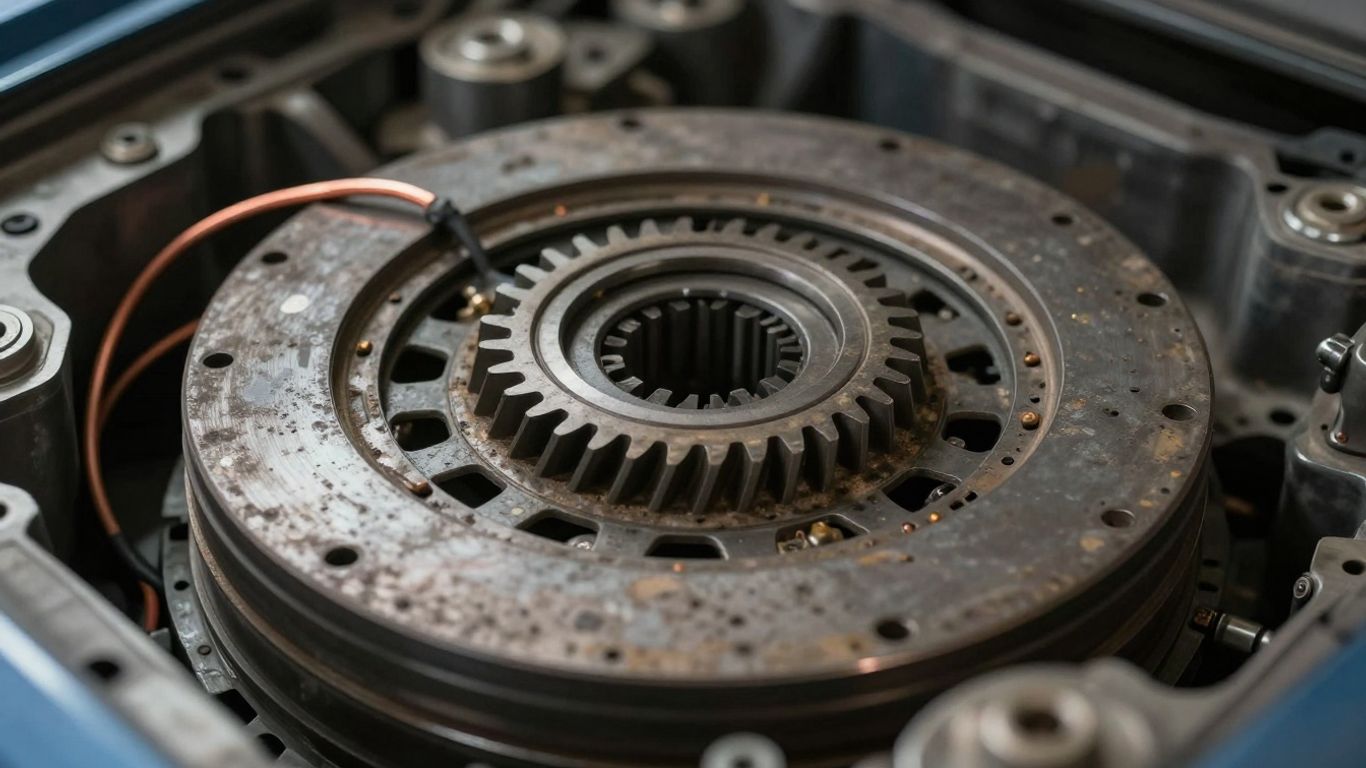
Worn clutch plates and torque converter issues
Inside an automatic transmission, clutch packs engage and release to manage gear ratios. When these plates wear thin, the contact becomes inconsistent, causing a slippage sensation followed by a sudden, jarring grip.
Damaged gear teeth and internal wear
Hard impacts or metal-on-metal contact due to lack of lubrication can chip gear teeth, causing a mechanical stutter. Just as Bundled enforces community standards to keep digital spaces, mechanical integrity is essential for consistent road performance.
Deterioration of transmission mounts and support bushings
Rubber mounts dampen the vibration of the drivetrain; when they become brittle or crack, the transmission moves excessively during torque changes. This makes a smooth shift feel like a major jolt because the entire assembly is shifting position relative to the chassis.
Engine and transmission control unit errors
Reading diagnostic trouble codes
Modern vehicles store electronic error logs that act like a map for mechanics. These codes, accessed via an OBD-II port, often pinpoint the exact solenoid or sensor causing your shifting problem.
Software updates and firmware recalibrations
Occasionally, the manufacturer releases firmware updates to optimize shift points or logic. Ignoring these updates can leave your car stuck with suboptimal, clunky factory settings for years.
Resetting the electronic control unit
Sometimes, clearing the drive cycle memory allows the car to relearn your driving habits using fresh sensor data. This can resolve minor hiccups caused by long-term accumulation of incorrect shift adaptation data.
Preventative maintenance and professional troubleshooting
Routine fluid flushes and filter replacements
Keeping your transmission clear of sludge is the best way to prevent long-term damage. While LongDistanceMovers.org manages complex logistics across states, maintaining your vehicle’s fluid cycle is essentially the same principle applied to your transmission.
Identifying jerking in cold versus warm operating temperatures
If the car jerks more when it is cold, thick fluid or worn rubber components are likely the issue. If it worsens when hot, look for electrical sensor degradation or thinning fluid.
Knowing when to seek professional mechanical repair
If the check engine light is flashing or the car is slipping out of gear, you must stop driving immediately. Continuing to operate a vehicle that is clearly failing the drivetrain transition can lead to a roadside event that requires emergency transport.
Conclusion
A jerky transmission is rarely an unsolvable problem, yet it is one that demands your full attention to protect the long-term value of your vehicle. By systematically checking your fluid levels, monitoring electronic sensor health, and paying for regular inspections, you can catch minor issues before they translate into expensive overhauls.
Frequently Asked Questions
Can low transmission fluid cause permanent damage?
Yes, running a transmission with low fluid causes excessive heat and friction, which can permanently score the internal components and ruin the clutch plates.
Is it safe to drive my car if it jerks when shifting?
No, driving a vehicle that is experiencing shifting issues often exacerbates the underlying problem and significantly increases the risk of a total transmission failure on the road.
Does weather affect how a transmission shifts?
Extremely cold temperatures can cause transmission fluid to thicken, leading to sluggish or jerky behavior until the system reaches proper operating temperature.
Can an engine misfire feel like a bad transmission?
Yes, engine misfires cause the vehicle to shake and hesitate during gear shifts, making it very common for owners to blame the transmission for an issue actually rooted in the engine.
How often should I check my transmission fluid?
Depending on your manufacturer’s recommendation, you should generally inspect the level and condition of the fluid at every major oil change or roughly every 30,000 miles.
Do I always need a full transmission rebuild for jerking?
Not necessarily, as many shifting problems stem from external factors like faulty sensors, bad wiring, or simple fluid needs that do not require an invasive teardown.
Will a check engine light always come on if the transmission is failing?
Most modern vehicles are equipped with sophisticated diagnostic systems that will trigger a light if the transmission control unit detects an irregular shift point or internal sensor error.