
Key Takeaways
A gearbox problem can begin with a small change in sound or shift quality, so early inspection is usually kinder to both the vehicle and the budget.
- Manual and automatic gearboxes fail in different ways, but both need correct fluid, sound components, and timely servicing.
- Grinding, slipping, leaks, burning smells, and warning lights deserve prompt attention.
- An inspection normally combines a road test, fluid and seal checks, and electronic diagnosis where appropriate.
- Repair, reconditioning, and replacement each suit different levels of damage and vehicle value.
- Clear quotes, sensible warranties, and a specialist familiar with the vehicle type make the repair process easier.
Understanding gearbox problems in Melbourne vehicles
A gearbox transfers engine power to the wheels while allowing the vehicle to move at useful speeds. Its parts work under heat, pressure, and repeated movement, so wear can develop gradually rather than arriving as one dramatic failure. For Melbourne drivers, regular traffic, hills, short trips, and changing weather can all add to the workload. Knowing the basic failure patterns makes it easier to decide when a noise or shift change needs attention.
How manual and automatic gearboxes differ
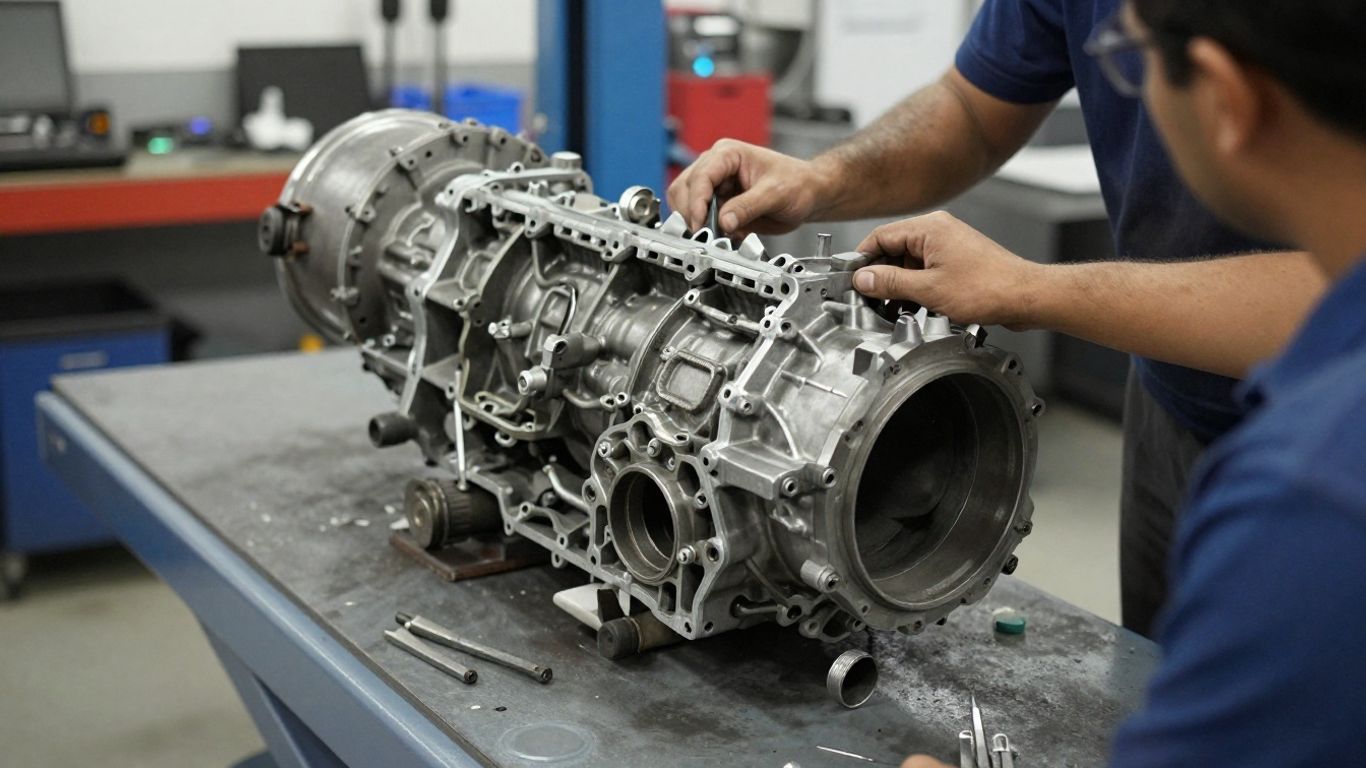
A manual gearbox relies on the driver to operate the clutch and select gears, while an automatic transmission uses hydraulic, electronic, or dual-clutch systems to manage those changes. Manual faults often involve the clutch, synchronisers, bearings, or selector mechanism. Automatic faults may involve fluid pressure, solenoids, valves, sensors, or internal clutch packs. The same symptom can therefore point to a different cause depending on the transmission design.
Common causes of gearbox wear and failure
Low or deteriorated fluid, worn friction materials, damaged bearings, leaking seals, and overheated components are common starting points. Hard shifts can place extra load on gears and shafts, while clutch problems can create heat that spreads through a manual drivetrain. Age and mileage matter, but towing, poor servicing, water exposure, and repeated stop-start use can accelerate wear. A proper diagnosis is more useful than assuming every noise means the entire gearbox needs replacing.
How Melbourne driving conditions affect transmissions
Dense commuting traffic keeps a transmission working through frequent acceleration, braking, and gear changes. Short journeys may also prevent fluids and surrounding components from reaching their normal operating temperature, while hills and heavy loads increase torque demands. Summer heat can make existing fluid or cooling problems more apparent. These conditions do not automatically damage a gearbox, but they make scheduled servicing and early checks worthwhile.
When a gearbox issue becomes a safety concern
A vehicle that slips out of gear, hesitates badly at an intersection, or loses drive while moving should not be treated as a minor inconvenience. Difficulty selecting reverse or first gear can also create risk when manoeuvring in traffic. Stop driving and arrange assistance if there is a serious fluid leak, a burning smell accompanied by smoke, or a sudden loss of propulsion. Continuing to drive can turn a manageable fault into wider drivetrain damage.
Signs your vehicle may need gearbox repair
Gearbox symptoms are often easier to notice during ordinary driving than when the vehicle is parked. Pay attention to changes that repeat, worsen, or appear under particular conditions such as cold starts, uphill acceleration, or reversing. One symptom alone does not identify the failed part, but a useful description can help a technician narrow the inspection. If you are researching transmission specialists, a local Melbourne transmission workshop may also provide a useful point of comparison when arranging an assessment.
Grinding, whining, clunking, and other unusual noises
Grinding during a gear change can indicate clutch release trouble, worn synchronisers, or internal gear damage in a manual vehicle. A whining sound that rises with road speed may involve bearings, gears, or fluid condition, while a clunk can come from a mount, driveshaft, or transmission component. Note whether the noise occurs in neutral, only in one gear, or while turning. That detail helps separate gearbox faults from nearby drivetrain issues.
Slipping gears, delayed engagement, and poor acceleration
A slipping gearbox may show rising engine speed without a matching increase in road speed. Automatic vehicles can hesitate before engaging Drive or Reverse, while a manual may jump out of gear or struggle to transmit power through a worn clutch. Poor acceleration can also come from the engine, brakes, or electronic controls, so testing matters. Early diagnosis can limit damage when friction material or fluid pressure is beginning to deteriorate.
Fluid leaks, burning smells, and warning lights
Transmission fluid may appear red, brown, or dark depending on its type and age, but any fresh fluid beneath the vehicle deserves investigation. A burning smell can point to overheated fluid, a slipping clutch, or oil contacting a hot surface. Warning lights provide another clue, particularly on electronically controlled automatics, although they do not reveal the failed component by themselves. Avoid guessing from colour alone; fluid identification and leak location are part of the inspection.
Difficulty selecting gears or staying in gear
Resistance when selecting a gear can be linked to clutch adjustment, hydraulic problems, selector cables, or internal wear. If the lever refuses to stay in gear, the vehicle may be unsafe and should be checked promptly. Do not force the selector, since that can damage linkages or synchronising components. A technician will usually ask whether the issue occurs when the vehicle is cold, hot, stationary, or moving.
What happens during a gearbox inspection
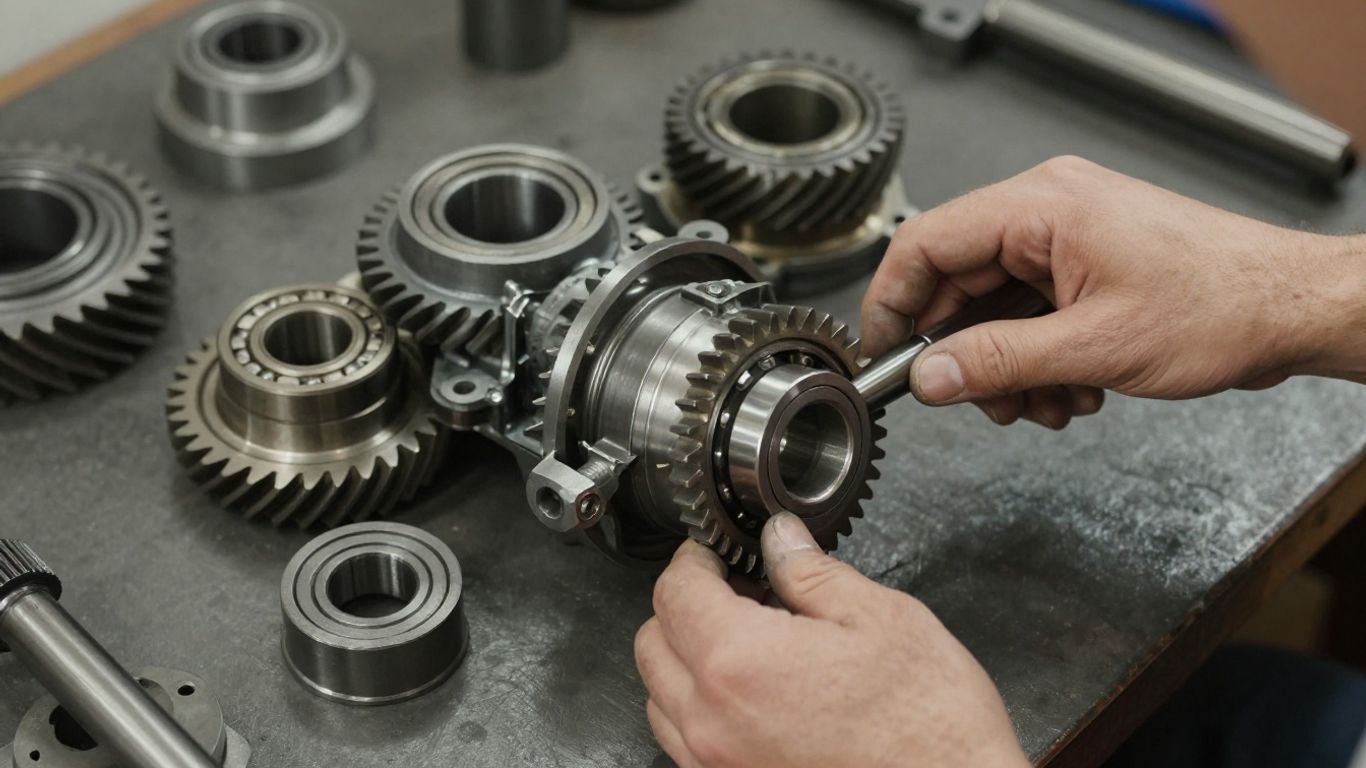
A sound inspection is a process of elimination rather than a quick guess based on one noise. The technician first gathers the driver’s account, checks the vehicle’s general condition, and then tests the symptoms under controlled conditions. Some faults are external and relatively straightforward; others require removal and partial or complete disassembly. The aim is to establish what has failed, what caused it, and what repair is proportionate.
Initial vehicle assessment and road testing
The assessment normally begins with questions about when the symptom started, how often it occurs, and whether recent towing, servicing, or impact may be relevant. A road test can reveal shift timing, clutch engagement, vibration, noise, and behaviour under acceleration or braking. The technician should reproduce the complaint without driving recklessly or placing unnecessary strain on the vehicle. A written description of the symptom can make this stage much more productive.
Checking gearbox fluid, seals, and external components
Fluid level and condition are checked using the procedure specified for that vehicle, since some transmissions must be measured at a particular temperature or running state. The inspection may include sump areas, cooler lines, driveshaft seals, selector shafts, mounts, cables, and electrical connectors. A leak should be traced to its source rather than simply topped up. External checks can sometimes resolve the problem without opening the gearbox.
Using diagnostic scans for automatic transmissions
Many automatic vehicles store fault codes related to sensors, pressure control, shift solenoids, or communication between control modules. A scan tool can identify recorded conditions and show live data, but a code is not proof that the named part is the only problem. It needs to be interpreted alongside the road test and physical inspection. This is especially important when wiring, fluid pressure, or mechanical wear could produce similar symptoms.
Identifying repairable faults versus internal damage
Once the evidence is gathered, the technician can explain whether the problem appears external, service-related, electrical, or internal. A leaking seal or damaged mount may be repairable without removing the complete unit. Worn gears, bearings, clutch packs, or extensive contamination may require removal and disassembly. The useful question is not simply whether something can be repaired, but whether the proposed repair is reliable and sensible for the vehicle.
Gearbox repair and replacement options
There is no single gearbox repair that suits every vehicle. The correct option depends on the failed components, parts availability, vehicle age, future use, and the quality of the repairer’s process. A specialist may recommend a targeted repair when the main assembly is sound, or a rebuild when wear is spread across several internal parts. Replacement can be practical when damage is extensive or a suitable unit is readily available.
Replacing worn clutches, bearings, and synchronisers
Manual gearbox work may include replacing a clutch assembly, release bearing, pilot bearing, synchronisers, seals, or damaged gears. The visible symptom does not always identify the full parts list, because one worn component may have caused secondary damage. During disassembly, parts are measured and inspected rather than replaced automatically. Correct adjustment and alignment after installation are just as important as the new components.
Repairing automatic transmission valves and solenoids
Automatic transmissions use fluid circuits and electronic controls to manage pressure and gear changes. A sticking valve, failed solenoid, wiring issue, or contaminated valve body may cause harsh shifts or delayed engagement. Depending on the diagnosis, the repair may involve cleaning, replacing a component, repairing wiring, or servicing the valve body. The transmission should be tested afterward to confirm that the original symptom has been addressed.
Reconditioning or rebuilding a damaged gearbox
Reconditioning generally involves removing the gearbox, cleaning and inspecting its components, replacing parts outside acceptable limits, and reassembling it to an appropriate standard. A rebuild can be more extensive when several internal parts have failed. Ask what is included: seals and bearings may be standard, while gears, torque converters, electronics, or specialist machining may be additional. The written scope should match the work actually proposed.
When a complete gearbox replacement makes sense
A replacement may be considered when the casing or major internal components are badly damaged, parts are difficult to source, or rebuilding would cost close to a suitable replacement unit. Compatibility must be confirmed for the exact engine, transmission code, electronics, and final-drive arrangement. Used, reconditioned, and new units carry different levels of risk and warranty support. The cheapest initial option is not always the lowest-cost outcome if installation problems or repeat faults follow.
Gearbox repair costs in Melbourne
There is no reliable single price for gearbox repair Melbourne because the range of possible faults is wide. A fluid or seal issue is a very different job from removing, rebuilding, and refitting an automatic transmission. Labour access, vehicle design, parts availability, and diagnostic time all affect the final figure. A useful quote explains the assumptions behind the price instead of presenting one unexplained total.
Factors that influence the final repair price
The main cost drivers include the type of gearbox, the location of the failed part, the time needed to remove it, and whether additional damage is found during disassembly. Parts prices can vary significantly between common and uncommon models. Fluids, filters, machining, software procedures, freight, and disposal may also appear as separate line items. Ask whether the estimate is fixed, staged, or subject to approval if hidden damage is discovered.
Comparing minor repairs with full rebuilds
A minor repair may involve correcting a leak, replacing an external sensor, servicing fluid, or adjusting a linkage. A rebuild includes far more labour and usually carries a larger parts bill, but it may restore a worn unit when a small repair would only postpone failure. The comparison should consider the vehicle’s condition and expected future use, not just today’s invoice. A clear report makes that decision less emotional.
A simple cost comparison can help organise the questions you need to ask:
| Repair scope | Typical work involved | Main cost uncertainty | Useful question |
|---|---|---|---|
| External fault | Seal, mount, cable, sensor, or linkage repair | Whether internal damage is also present | Can the gearbox be tested after the external repair? |
| Service-related issue | Fluid, filter, adjustment, or diagnostic procedure | Correct fluid and service method | What evidence supports a service rather than a rebuild? |
| Partial internal repair | Selected bearings, gears, clutch parts, or solenoids | Secondary damage found during disassembly | Which parts are being measured or replaced? |
| Rebuild or replacement | Removal, overhaul, or installation of another unit | Unit condition, compatibility, and warranty | What does the quoted warranty cover? |
The table is a starting point, not a price list. Two vehicles with the same symptom can need very different work, so compare the diagnosis and inclusions as carefully as the dollar amount.
Genuine, aftermarket, and reconditioned parts
Genuine parts are made or supplied for the vehicle manufacturer, while aftermarket parts come from other manufacturers and may vary in specification and quality. Reconditioned components can be a sensible choice when they have been properly inspected, tested, and matched to the application. The important details are the part’s source, warranty, and suitability rather than the label alone. Ask whether the quote includes new seals, fluids, filters, and any required programming.
How to evaluate quotes and warranty coverage
A useful quote identifies the diagnosis, labour, parts, taxes, machining, and any work that remains conditional. It should also state whether old parts will be retained, whether a road test is included, and what happens if additional damage appears. Warranty wording matters: check duration, covered components, exclusions, and whether servicing must be completed at the same workshop. Services such as Google Sheets formulas can help organise competing quotes, but the mechanical assumptions still need a technician’s explanation.
Choosing a gearbox repair specialist in Melbourne
Choosing a repairer is about more than finding the nearest workshop. You want someone who understands the transmission type, can explain the diagnosis, and has a process for checking the result before returning the vehicle. Specialist experience can be particularly useful for uncommon gearboxes, commercial vehicles, four-wheel drives, or complex automatic systems. Take time to compare evidence of workmanship rather than relying on a low starting price.
Checking qualifications, experience, and equipment
Ask whether the workshop regularly handles your vehicle’s gearbox type and whether technicians have access to the required diagnostic equipment, lifting gear, measurement tools, and rebuild facilities. Experience should relate to the actual job, not just general servicing. For manual gearbox reconditioning across cars, four-wheel drives, trucks, and buses, Statewide Gearbox Services describes a strip-and-quote approach and Melbourne metro pickup and delivery. Confirm the current scope and warranty directly before authorising work.
Comparing specialist workshops and general mechanics
A general mechanic may be well placed for fluid servicing, mounts, linkages, or straightforward external faults. A gearbox specialist is more likely to have the equipment and workflow for internal diagnosis, reconditioning, or major overhaul. The best choice depends on the fault, but the workshop should be willing to explain where its capability ends and when specialist removal or machining is needed. For broader comparison, Cox Auto provides a reference point for transmission and gearbox servicing across several European and luxury vehicle makes.
Questions to ask before approving repairs
Before work begins, ask what has been tested, what has been ruled out, and what the proposed repair is intended to fix. Also ask how the workshop handles additional damage, replacement units, stored fault codes, and post-repair testing. A short written answer is better than a vague assurance over the phone. Useful questions include:
- What evidence supports the diagnosis?
- Which parts and labour are included in the quote?
- Will you contact me before exceeding the approved amount?
- What testing will be completed before collection?
These questions do not guarantee a perfect repair, but they make the scope visible and give both sides a shared reference. A workshop that cannot explain its process clearly may not be the right fit for a complex gearbox job.
Reviewing warranties, turnaround times, and customer feedback
Turnaround estimates can change when parts are delayed or hidden damage is found, so ask what is known and what remains conditional. Read customer feedback for recurring patterns about communication, diagnosis, and aftercare rather than focusing on one dramatic review. Booking platforms such as AutoGuru can help compare repairers, prices, and customer reviews, although the final assessment still depends on the vehicle and proposed work. Get warranty details in writing before the repair is approved.
How to prevent future gearbox problems
Prevention is mostly consistent maintenance and paying attention to small changes. It cannot eliminate wear, but it can reduce the chance that a fluid issue or minor leak develops into major internal damage. The correct schedule depends on the vehicle, gearbox design, use, and manufacturer guidance. Keep service records so a future technician can see what fluid, parts, and adjustments have already been used.
Following the manufacturer’s servicing schedule
Service intervals should be based on the vehicle’s handbook and operating conditions, not a generic assumption that all gearboxes need the same treatment. Some transmissions require fluid and filter servicing, while others have specific inspection or temperature procedures. Towing, commercial use, dusty roads, and frequent short trips may justify asking whether a severe-use schedule applies. A missed service does not prove damage, but it is a reason to obtain professional advice.
Maintaining correct fluid levels and fluid quality
Use only the fluid specification approved for the gearbox, since an apparently similar product may have different friction or pressure characteristics. Check for leaks whenever the vehicle is serviced and do not treat repeated top-ups as normal maintenance. Fluid that is burnt, contaminated, or badly degraded needs investigation rather than concealment. Correct level matters too: both low and excessive fluid can affect operation.
Improving driving habits that reduce gearbox wear
A few ordinary habits can reduce unnecessary load on the transmission. They are simple, but consistency matters:
- Come to a complete stop before selecting Drive, Reverse, or a low manual gear.
- Avoid resting a hand on the manual gear lever or a foot on the clutch pedal.
- Use the recommended procedure when towing, climbing hills, or carrying heavy loads.
- Allow a slipping, shuddering, or overheating vehicle to be inspected rather than forcing it to continue.
These habits cannot correct an existing fault, but they reduce avoidable shock and heat. Smooth inputs and timely servicing give the gearbox a better chance of reaching its expected service life.
Recognising early symptoms before they become major faults
A new noise, delayed engagement, fluid mark, or change in pedal feel is worth recording, even if the vehicle still drives normally. Note the temperature, speed, gear, and driving conditions when it happens. That information can help reproduce an intermittent problem and may shorten diagnostic time. Early inspection is often the most practical way to protect both the gearbox and the rest of the drivetrain.
Conclusion
Gearbox repair is easier to manage when symptoms are recorded early, diagnosis is separated from guesswork, and the quote explains the proposed work. Whether the answer is a service, targeted repair, rebuild, or replacement, choose the option that fits the vehicle’s condition and your expected use. A careful inspection and clear communication can turn a worrying change in shifting into a controlled repair decision.
Frequently Asked Questions
How long can I drive with gearbox symptoms?
It depends on the symptom, but slipping, severe noise, a burning smell, a major leak, or loss of drive should be treated as a reason to stop and arrange an inspection. Continuing to drive may increase damage and create a safety risk.
Is a gearbox service the same as a gearbox repair?
No. A service may involve fluid, filter, inspection, or adjustment work, while a repair addresses a failed component. A service can support gearbox health but cannot correct every mechanical or electrical fault.
What does a gearbox rebuild involve?
A rebuild normally involves removing and disassembling the gearbox, cleaning and measuring components, replacing parts outside acceptable limits, and reassembling and testing the unit. The exact scope varies by transmission and damage found.
Are automatic gearboxes more expensive to repair than manual gearboxes?
They can be, particularly when electronic controls, hydraulic circuits, or complex internal assemblies are involved. However, vehicle design, parts availability, and the actual fault matter more than the gearbox label alone.
Should I choose a used or reconditioned replacement gearbox?
Either may be suitable if the unit is compatible, its condition is verified, and the warranty is clear. Ask about testing, mileage or history where available, included parts, installation requirements, and warranty exclusions.
Can low fluid cause gearbox damage?
Yes. Low fluid can reduce lubrication or hydraulic pressure and may contribute to heat and accelerated wear. The source of the loss should be found and corrected rather than relying on repeated top-ups.
What should a gearbox repair quote include?
It should describe the diagnosis, proposed work, parts, labour, fluids, taxes, testing, warranty, and any conditions that could change the price. Ask how additional damage will be handled before approving the job.