
Key Takeaways
A gearbox replacement can be a major expense, but careful diagnosis and comparison can make the decision more manageable.
- Confirm the failure before agreeing to replacement.
- Compare new, used, remanufactured, and rebuilt gearboxes.
- Request itemized estimates that separate parts, labor, and fees.
- Check compatibility, warranty coverage, and installation requirements.
- Protect the replacement with correct fluids and regular maintenance.
Understanding when gearbox replacement is necessary
A gearbox problem does not always mean the entire unit must be replaced. Noises, slipping, delayed engagement, or fluid leaks can come from anything from a worn seal to serious internal damage. The right path begins with identifying the source rather than choosing the most expensive repair by default.
Common signs of gearbox failure
A failing gearbox may produce whining, humming, grinding, or clunking sounds that change with vehicle speed or gear selection. You may also notice slipping, harsh shifts, hesitation when selecting drive or reverse, or fluid beneath the vehicle. A burning smell and unusually dark fluid are further reasons to arrange an inspection soon.
Some symptoms overlap with problems elsewhere, including the clutch, driveshaft, differential, engine controls, or electrical system. That is why a single symptom should not be treated as proof of gearbox failure. If the vehicle suddenly loses drive, stop using it where possible; continuing to drive can turn limited damage into a complete failure.
Gearbox damage versus a repairable fault
A leaking pan gasket, damaged seal, faulty solenoid, worn mount, or low fluid level may be repairable without removing the gearbox. In contrast, broken gears, badly worn bearings, contaminated fluid with metal debris, or extensive clutch-pack damage can make replacement or rebuilding more sensible. Manual gearboxes may also have a clutch problem that feels like a transmission fault.
The repair decision depends on the damage, the vehicle’s age, the value of the car, and the availability of suitable parts. A trustworthy shop should explain what has been found and why a replacement is being recommended. Be cautious when a provider suggests a full unit without describing the diagnostic evidence.
How professional diagnostics confirm the problem
Professional diagnosis usually combines a road test, visual inspection, fluid assessment, computer scan where applicable, and checks of related mechanical and electrical components. A technician may compare the reported symptom with fault codes, shift behavior, line pressure, linkage operation, and signs of external damage. No scan tool can replace physical inspection, but scanning can help identify control or sensor faults.
Ask for the findings in writing, even if the initial inspection is brief. The estimate should identify the suspected failure, the proposed remedy, and any uncertainty that remains. Affordable Transmission & Auto Repair is one example of a provider whose published service information describes diagnostics among its transmission services; regardless of the shop chosen, the diagnostic explanation should be specific enough for you to understand.
When rebuilding or repairing is a better option
Repair or rebuilding can be worthwhile when the casing and major hard parts are still usable. A rebuild generally involves disassembly, cleaning, inspection, and replacement of worn components, while a targeted repair addresses a particular failed part. The economics are strongest when parts are available and the rest of the gearbox has reasonable service life left.
Replacement may be preferable when internal damage is widespread, the unit has a poor repair history, or a properly tested replacement is easier to source. Compare the complete installed price, not only the advertised part price. A cheaper unit that carries little warranty or requires repeated removal may cost more over time.
What affects the cost of an affordable gearbox replacement
The price of an affordable gearbox replacement is shaped by more than the gearbox itself. Vehicle design, parts availability, labor time, fluids, seals, programming, and warranty terms all influence the final invoice. Two vehicles with similar symptoms can therefore produce very different estimates.
Vehicle make, model, and gearbox type
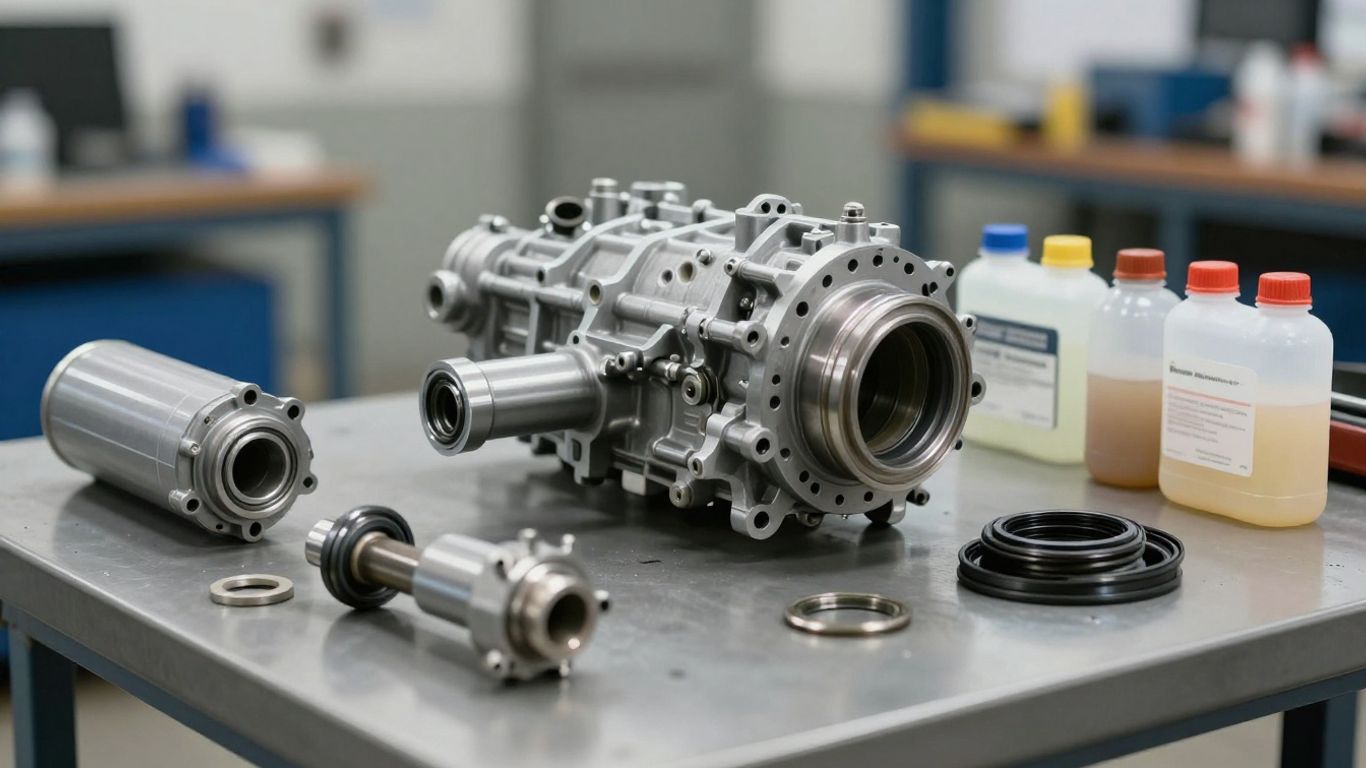
A common automatic gearbox for a high-volume vehicle may be easier to source than a unit for a less common model. Four-wheel-drive systems, luxury vehicles, commercial vans, and performance applications can involve additional components or tighter installation requirements. Manual and automatic gearboxes also differ in parts, labor, adjustment, and testing needs.
The exact identification code matters. A gearbox that appears suitable by year and engine size may still have different ratios, connectors, software, mounting points, or transfer-case provisions. Give the provider the vehicle identification number and ask them to confirm the unit against the vehicle before ordering.
New, used, remanufactured, and rebuilt units
New units usually cost the most but may offer predictable specification and strong manufacturer support. Used units can reduce the initial price, although their mileage, storage history, and testing standards vary. Remanufactured and rebuilt gearboxes sit between those choices, but the terms are not interchangeable in everyday use, so ask what work was actually performed.
A fair comparison should include the part, shipping, core requirements, labor, fluids, and warranty. UTV CV Boot Repair Kits is an unrelated example of why a parts decision should match the actual mechanical problem: a repair kit and a full replacement serve different situations. For a gearbox, the equivalent question is whether the proposed component addresses the confirmed fault or merely appears cheaper.
The following broad comparison can help organize the conversation before you request quotes:
| Option | Typical initial cost | Main advantage | Main concern |
|---|---|---|---|
| New unit | Highest | Known specification and support | Greater upfront expense |
| Used unit | Low to moderate | Lower purchase price | Unknown wear or history |
| Remanufactured unit | Moderate to high | Restored components and testing may be included | Quality and coverage vary |
| Rebuilt unit | Moderate | Can reuse a suitable original casing | Workmanship and parts quality vary |
These categories are only starting points. The warranty length, exclusions, testing process, and reputation of the supplier can matter as much as the label attached to the part.
Labor rates and installation complexity
Labor can rise when the gearbox is difficult to access, the vehicle requires extensive disassembly, or related parts must be removed and refitted. Four-wheel-drive layouts, integrated electronics, tight engine bays, and heavy-duty components may add time. Regional labor rates also create meaningful differences between otherwise similar quotes.
Ask whether the estimate includes removal, installation, adjustment, fluid filling, road testing, and disposal. A very low labor figure may simply leave important work outside the headline price. A complete estimate matters because the cheapest initial number is not always the lowest finished cost.
Fluids, seals, programming, and related parts
A replacement may require new fluid, filters, gaskets, seals, cooler-line service, fasteners, or a replacement mount. Some electronically controlled units also need software procedures, adaptation, or calibration after installation. These steps should be identified before work begins rather than appearing as surprises on the final invoice.
Ask whether the shop will inspect the cooler and lines, flush contamination where necessary, and check the condition of the flywheel, clutch, torque converter, axles, or mounts. The answer depends on the vehicle and failure, but the estimate should make clear which related items are recommended and which are optional.
Comparing gearbox replacement options
There is no universally best replacement unit. The right choice balances purchase price, expected service life, warranty protection, availability, and the value of the vehicle. A provider should explain the trade-offs in plain language instead of presenting one category as suitable for every driver.
New gearboxes and manufacturer-backed warranties
A new gearbox is typically built to the vehicle’s intended specification and may come with manufacturer-backed warranty coverage. It can be a sensible choice for a newer vehicle, a high-value model, or an owner planning to keep the car for many years. The higher initial price may be easier to justify when reliability and long-term support are priorities.
Read the warranty conditions carefully. Coverage may depend on approved fluids, professional installation, maintenance records, or the replacement of related components. Confirm who handles a claim, whether labor is included, and whether the warranty applies only to the part or to the complete repair.
Used gearboxes from salvage and auto recycling sources
A used gearbox can lower the parts bill, particularly when a compatible unit is readily available. Its value depends on verified mileage, donor-vehicle information, storage conditions, testing, and return policy. A supplier that cannot provide basic identification or meaningful warranty terms deserves extra caution.
Ask whether the unit is tested, drained, inspected for damage, and guaranteed against immediate failure. Confirm the return window before installation because some suppliers will not accept a part once it has been fitted. Saving on the component is less helpful if removal and refitting are excluded from the warranty.
Remanufactured units with restored internal components
Remanufacturing generally means the unit has been disassembled and assessed, with worn or failed internal components replaced as needed. However, standards differ between suppliers. Ask for the inspection and testing scope, the parts replaced, and whether the torque converter, valve body, seals, or electronic components are included.
A remanufactured unit can offer a useful middle ground between a new gearbox and an unknown used one. Its practical value rests on the supplier’s process and warranty, not on the word “remanufactured” alone. Compare the written specification with the vehicle’s exact gearbox code.
Rebuilt gearboxes and the risks of inconsistent quality
A rebuilt gearbox may be assembled from the original unit using selected replacement parts. Good rebuilding work can restore a damaged gearbox effectively, but the outcome depends heavily on diagnosis, machining, parts quality, cleanliness, and final testing. Ask who performs the rebuild and what checks are completed before delivery.
A written warranty is helpful, but it does not eliminate inconvenience if the unit fails. Clarify whether the warranty covers parts, labor, towing, fluids, and repeat removal. When two rebuilt options have similar prices, the clearer process and stronger support are usually more meaningful than a vague promise of quality.
How to find a reliable gearbox replacement provider
Choosing the provider is as important as choosing the part. Look for clear diagnosis, relevant experience, written pricing, and a warranty that is understandable before authorization. Local reputation can help, but it should support—not replace—questions about the actual repair.
Checking certifications, reviews, and local experience
Check whether the technicians hold relevant trade certifications and whether the shop regularly handles your vehicle type. Reviews are most useful when they describe communication, diagnosis, workmanship, and how problems were resolved. Look for patterns across many reviews rather than relying on one enthusiastic or angry account.
A local provider may also understand common models and parts sources in the area. Published service pages can help you build a shortlist, including Affordable Transmission & Parts when researching general transmission service information. Treat online claims as a starting point and verify the details directly with the shop.
Comparing written estimates and warranty terms
Request at least two or three itemized estimates where practical. Each should identify the gearbox category, part number or matching method, labor, fluid, taxes, shipping, core charge, programming, and warranty. Comparing only the grand total can hide major differences in what is included.
A warranty should state its duration, mileage limit, exclusions, claim process, and whether coverage is local or transferable. Garage Management Software may be useful to readers researching a separate business-management topic, but it is not a substitute for a repair estimate; the gearbox quote itself remains the document that should govern this decision.
Questions to ask before authorizing the work
A short conversation can expose gaps before the vehicle is dismantled. Ask these questions and write down the answers:
- What evidence confirms that the gearbox, rather than a related component, has failed?
- Which exact unit will be installed, and how was compatibility verified?
- What does the warranty cover, and who pays for labor if it fails?
- Are fluids, seals, programming, testing, and core charges included?
Clear answers do not guarantee a perfect repair, but they make the agreement easier to understand. If the provider cannot explain the proposed unit or avoids discussing warranty limits, get another estimate before proceeding.
Warning signs of an unreliable repair shop
Be wary of pressure to authorize work immediately, a quote that contains only one unexplained total, or a provider unwilling to show the gearbox identification. Other warning signs include changing explanations, no written warranty, vague claims about “fully rebuilt” parts, and requests for large payment before the scope is agreed.
The presence of a warranty alone is not enough. You should know how the shop documents the repair, what maintenance it expects, and what happens if a fault returns. A dependable provider can discuss uncertainty without using fear or urgency to close the sale.
What the gearbox replacement process involves
Replacement is a sequence of checks rather than a single bolt-on task. The shop must identify the right unit, remove the failed component safely, prepare the vehicle, and verify operation afterward. Understanding the stages helps you judge whether an estimate includes the work needed for a dependable result.
Vehicle inspection and part matching
The process starts with confirming the symptom and inspecting the vehicle. The technician records the vehicle identification details, gearbox code where available, drivetrain layout, and any related damage. The replacement is then matched by specification, not simply by a broad description such as make, model, and year.
This is also the point to identify contaminated fluid, damaged wiring, worn mounts, cooler restrictions, or clutch and converter concerns. Resolving those issues before installation reduces the chance that the replacement will be exposed to the same conditions that damaged the original.
Removing the failed gearbox
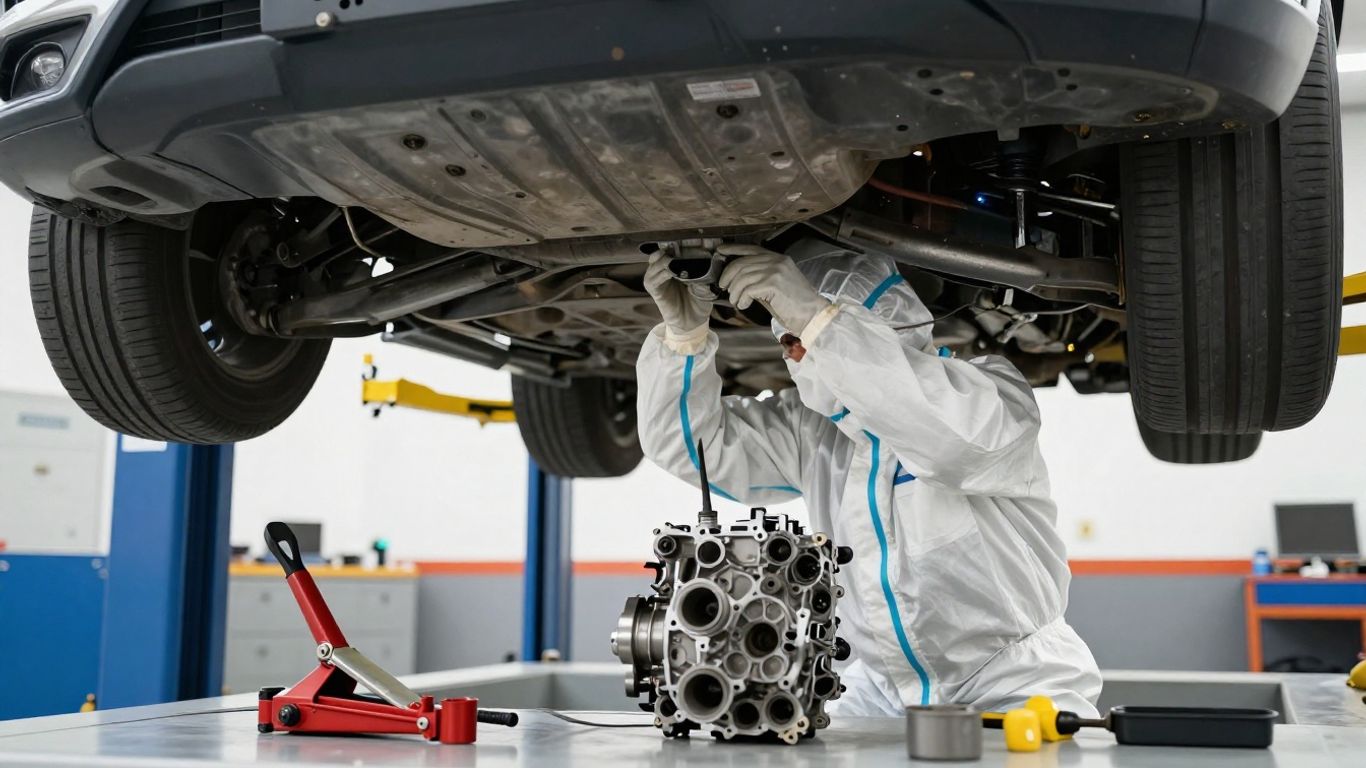
Removal may involve disconnecting the battery, draining fluid, supporting the engine and gearbox, removing shafts or axles, disconnecting wiring and controls, and lowering the unit with suitable equipment. The exact work varies considerably by vehicle. Safe access and careful labeling matter because connectors, lines, and fasteners must return to their correct positions.
Once removed, the technician can inspect the surrounding components more closely. If the original failure spread metal or debris through the system, cleaning or flushing may be necessary. Skipping that preparation can undermine an otherwise suitable replacement.
Installing and calibrating the replacement unit
Installation includes fitting the replacement, reconnecting controls and lines, replacing specified seals or fasteners, and filling the correct fluid to the proper level. Electronically controlled vehicles may require programming, adaptation, or calibration. Manual systems may need clutch adjustment or related alignment checks.
The shop should follow the unit supplier’s installation requirements and document any procedures performed. Do not assume that a gearbox advertised as ready to install needs no setup. Ask specifically whether calibration is included in the quoted labor.
Road testing and final quality checks
After installation, the vehicle should be checked for leaks, warning lights, abnormal noise, fluid level, and correct engagement. A controlled road test allows the technician to assess shift quality, operating temperature, and behavior under different conditions. Any adaptation process should be completed according to the vehicle’s requirements.
Before collection, ask what was installed, what fluid was used, and when the vehicle should return for a follow-up check. Keep the invoice, warranty paperwork, and maintenance recommendations together. For a visual overview of the work, this related resource may help set expectations:
The video is supplementary, not a diagnosis of your vehicle. Actual procedures, safety requirements, and calibration steps differ by model, so the repair provider’s instructions should take priority.
How to keep replacement costs under control
Cost control is mostly about reducing avoidable surprises, not choosing the least expensive component at any price. Start with a sound diagnosis, then compare complete solutions on equal terms. Good records and sensible maintenance can also protect the money already spent.
Getting multiple itemized quotes
A second opinion is especially useful when replacement is recommended without clear evidence or when estimates vary widely. Ask each provider to quote the same type of unit and list the same associated work. Otherwise, a lower number may simply omit programming, fluid, warranty labor, or necessary cleaning.
When comparing, place the estimates side by side and check the part description, warranty, labor hours, fees, taxes, and expected completion time. A-Affordable Transmissions Center is one published local-service example readers may encounter while researching repair providers; whichever businesses you contact, request the same level of detail from each.
Confirming compatibility before buying a part
Do not order from a listing that matches only the vehicle’s year. Confirm the gearbox code, engine, drivetrain, connectors, ratios, transfer-case arrangement, and software requirements where relevant. Give the supplier the vehicle identification number and ask for written confirmation.
If you buy the part yourself, clarify who carries responsibility if it is incorrect or defective. Some shops will not install customer-supplied parts, while others limit labor warranties in that situation. The lowest purchase price can disappear quickly when compatibility is uncertain.
Understanding core charges and additional fees
A core charge is a refundable deposit sometimes applied when the supplier expects the failed gearbox to be returned. Ask how much it is, when it is refunded, and what damage could reduce the refund. Shipping, storage, diagnostic fees, shop supplies, disposal, taxes, and emergency sourcing can also affect the final amount.
Write down which fees are included and which are conditional. If additional damage is discovered after removal, the shop should explain the change and obtain approval before exceeding the agreed scope. That simple step keeps a difficult repair from becoming an open-ended bill.
Maintaining the replacement gearbox after installation
Correct maintenance gives the replacement a better chance of delivering its expected service life. Follow the vehicle or unit supplier’s fluid specification and service interval, repair leaks promptly, and avoid towing or heavy use until any break-in guidance has been followed. Watch for delayed engagement, fresh fluid, or changes in shift quality.
Keep service records and return for any recommended inspection. If you are comparing providers in another market, Affordable Trans LLC is an example of a published repair business that discusses repair, rebuilding, replacement, diagnostics, and transparent pricing; those are claims to verify locally, not assumptions about every shop. Maintenance remains useful regardless of where the work was performed.
Conclusion
An affordable gearbox replacement is less about finding the smallest headline price and more about matching the diagnosis, part, installation, and warranty to the vehicle. Confirm the failure, compare complete written estimates, verify compatibility, and choose a provider willing to explain its work. That approach can reduce surprises and give the replacement a better foundation for reliable service.
Frequently Asked Questions
How much does gearbox replacement usually cost?
The price varies with the vehicle, gearbox type, part source, labor time, related parts, fluids, programming, taxes, and warranty. The most useful figure is an itemized installed estimate for your specific vehicle.
Is it cheaper to repair a gearbox than replace it?
Sometimes. A targeted repair may cost less when the damage is limited, while widespread internal damage can make a tested replacement more practical. Diagnosis and the condition of the original unit determine the better value.
Are used gearboxes reliable?
A used gearbox can work well when its compatibility, mileage, condition, testing, and warranty are documented. Because history varies, ask about the donor vehicle and the return policy before installation.
What is the difference between rebuilt and remanufactured?
The terms are used inconsistently. Generally, rebuilding involves replacing selected worn parts in an existing unit, while remanufacturing suggests a more defined inspection and restoration process. Ask what was replaced and tested rather than relying on the label.
How long does gearbox replacement take?
Time depends on vehicle access, parts availability, drivetrain layout, damage to related components, and any programming or calibration required. A shop can provide a more useful estimate after inspecting the vehicle and confirming the replacement unit.
Should I get a second opinion before replacement?
A second opinion is sensible when the diagnosis is unclear, the estimate is unusually high, or the provider cannot explain the warranty and proposed part. Give both shops the same vehicle information so their recommendations can be compared fairly.
How can I extend the life of a replacement gearbox?
Use the specified fluid, maintain the correct level, repair leaks promptly, follow service intervals, and address warning signs early. Keep records of the installation and maintenance so warranty or diagnostic questions can be handled efficiently.