
Key Takeaways
A transmission replacement is a major repair, but a careful diagnosis and a well-matched replacement unit can make the process far less uncertain.
- Confirm that the transmission itself has failed before approving replacement.
- Compare the full installed cost, not only the price of the unit.
- Match the replacement to the Ranger’s engine, drivetrain, and transmission code.
- Ask how the torque converter, cooler, fluid, programming, and warranty will be handled.
- Keep up with fluid service and save every repair record after installation.
Recognizing when your Ford Ranger needs a transmission replacement
Transmission trouble rarely arrives as one perfectly clear symptom. Shifting may become harsh, delayed, or inconsistent, while noises and fluid leaks can point to related problems. A Ford Ranger transmission replacement should be considered only after the symptoms, diagnostic results, and condition of connected parts have been reviewed together.
Common symptoms of transmission failure
A slipping transmission may let the engine speed rise without a matching increase in road speed. You might also notice delayed engagement when selecting Drive or Reverse, shuddering during acceleration, grinding sounds, or fluid beneath the truck. Warning lights and stored fault codes can add useful clues, although they do not by themselves prove that the entire transmission needs to be replaced.
The pattern matters as much as the symptom. A single hard shift can have a different cause from repeated loss of drive, and a leak may be repairable if internal damage has not occurred. Write down when the problem appears, whether the truck is hot or cold, and what happens under load.
How transmission problems differ from minor repairs
Some transmission complaints come from a worn seal, damaged wiring, a faulty sensor, low fluid, or a problem with the shift mechanism. Those repairs may be considerably smaller than removing and replacing the complete unit. A shop should explain what it tested and why the evidence points to internal failure rather than stopping at a broad fault-code description.
The distinction is financially significant. A written diagnostic explanation helps you compare estimates and reduces the chance of paying for a replacement that does not address the real cause. Ask whether the diagnosis was based on a road test, fluid inspection, scan data, pressure testing, or physical inspection.
Warning signs that require immediate attention
Continued driving can turn a manageable problem into a more expensive one, particularly when the transmission is slipping badly or losing fluid. Stop using the truck and arrange an inspection if it will not move, repeatedly drops out of gear, produces burning smells, or makes loud mechanical noises. A rapidly growing leak also deserves prompt attention.
If the truck still moves, avoid towing, hard acceleration, and unnecessary trips until it has been checked. A short drive to a repair facility may be reasonable only when the vehicle is operating safely and fluid loss is not severe. When in doubt, use a tow service rather than gambling on a final trip.
Why a professional diagnosis matters
A qualified technician can separate transmission failure from engine, driveline, electrical, or control-system problems that feel similar from the driver’s seat. The inspection should identify the transmission type, review scan results, check fluid condition, and look for evidence of contamination or physical damage. It should also establish whether repair, rebuilding, or replacement is the sensible path.
For background on the truck and its specifications, readers can consult Ford Ranger information before speaking with a shop. That research does not replace a hands-on inspection, but it can help you provide the correct model year, engine, drivetrain, and transmission details.
Understanding Ford Ranger transmission replacement costs
The price of a replacement depends on much more than a box labeled “transmission.” Labor, fluid, seals, programming, towing, cooling-system service, and related parts can all appear on the final invoice. Because model years and configurations differ, a trustworthy estimate should identify the exact unit and list what installation includes.
Parts, labor, and related service expenses
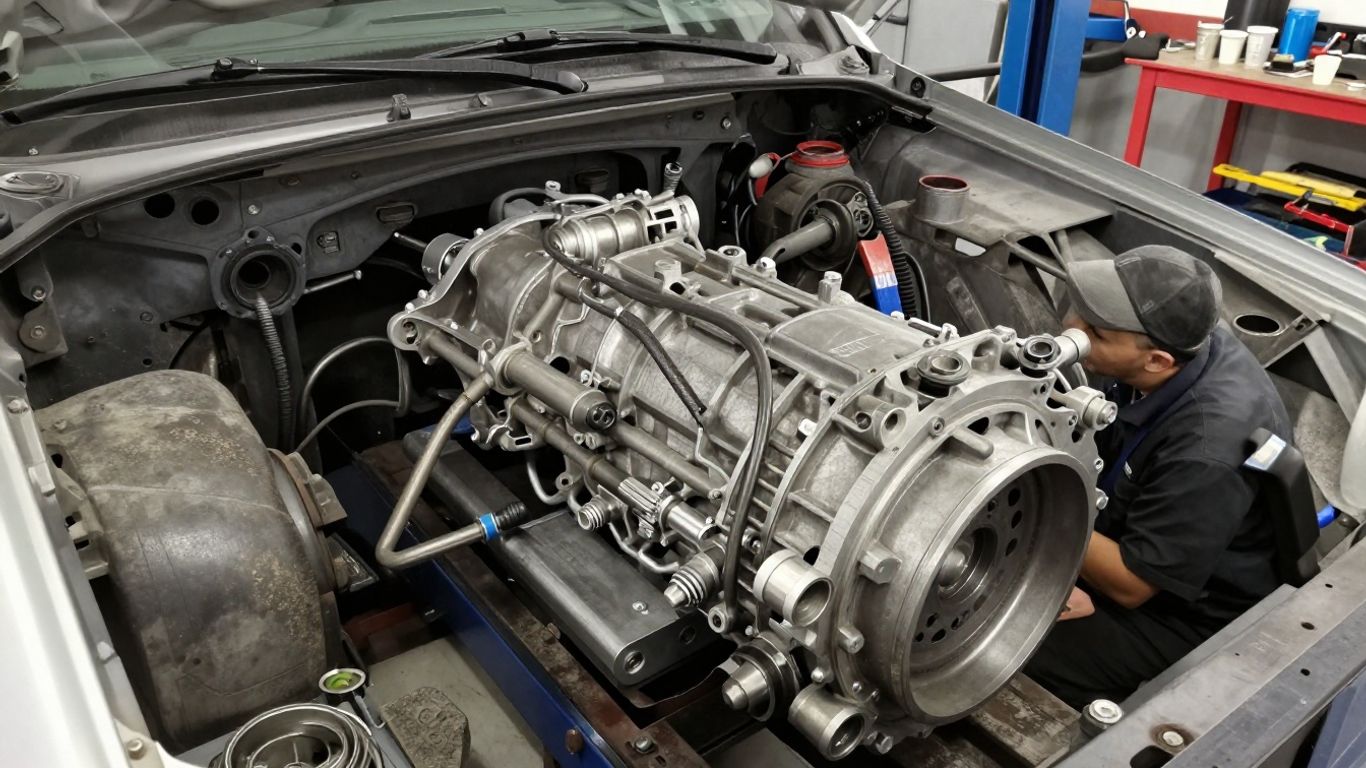
The transmission assembly is often the largest single part of the estimate, but labor can be substantial because access, removal, and installation take time. Related expenses may include a torque converter, mounting hardware, seals, filters, fluid, cooler-line service, diagnostic work, and post-installation testing. Ask whether tax, shop supplies, disposal, and programming are already included.
A low initial quote can rise when inspection reveals contaminated fluid or damaged connected components. The useful comparison is the total installed price with the same scope of work, warranty terms, and replacement type. Two estimates that use different assumptions are not truly comparable.
How the Ranger model year affects pricing
The Ranger name covers multiple generations, engines, drivetrains, and transmission applications. Parts availability, electronic controls, labor procedures, and the supply of used or remanufactured units can change with the model year. Even two trucks that look similar may require different components.
Give the repair shop the vehicle identification number and confirm the engine and drivetrain rather than relying on a general online listing. Ford Motor Company covers a broad range of Ford automobiles and commercial vehicles, so general brand information should not be treated as a substitute for the exact vehicle configuration.
Factors that increase the total replacement cost
Several issues can expand the job after the failed unit is removed. Severe internal damage may spread debris through the cooler and lines, while worn mounts, axles, wiring, or seals may need attention at the same time. Towing, expedited parts, difficult access, and additional diagnostic work can also affect the total.
The following questions are useful when reviewing an estimate because they expose costs that may otherwise appear later:
- Is the replacement unit new, used, rebuilt, or remanufactured?
- Does the price include the torque converter, fluid, filter, seals, and programming?
- Will the cooler and lines be inspected or flushed if contamination is found?
- What labor and parts are covered by the written warranty?
These details turn a broad estimate into a clearer repair plan. They also give you a fair basis for comparing a dealership, independent shop, or transmission specialist.
How warranties and remanufactured units affect value
A remanufactured transmission may offer a middle ground between a new unit and a lower-cost used assembly, but the label alone does not tell you what was replaced or tested. Ask who remanufactured it, what the warranty covers, whether labor is included, and whether there are mileage, time, or installation conditions.
A used unit may cost less initially, yet its prior service history can be limited. A longer warranty can be valuable, but only if the installer follows the required procedure and the coverage is practical for your location. Read the terms before authorizing the work.
Choosing the right replacement transmission
The right replacement is the one that fits the truck mechanically and electronically, comes from a credible source, and makes sense for the vehicle’s remaining life. Price matters, but it should be considered alongside condition, documentation, warranty, and installation support. A careful parts decision can prevent a second removal job.
New, used, rebuilt, and remanufactured options
A new unit is typically supplied without prior operating history, while a used unit comes from another vehicle and may have limited documentation. Rebuilt and remanufactured descriptions can vary, so ask what inspection, machining, replacement, and testing were performed. The supplier should identify the unit by a compatible part number or transmission code rather than by a loose model description.
Consider the truck’s mileage, intended use, budget, and expected ownership period. A cheaper option is not necessarily economical if its condition is uncertain or its warranty is difficult to use. Conversely, the most expensive option may not be appropriate for an older truck with other major repairs ahead.
Matching the transmission to the engine and drivetrain
Compatibility involves more than the Ranger badge. Confirm the model year, engine, two-wheel-drive or four-wheel-drive configuration, transmission code, electronics, and calibration requirements. Small differences in connectors, gear ratios, sensors, or mounting points can make an apparently similar unit unsuitable.
Use the VIN and the original transmission identification when ordering. Have the supplier verify the fit in writing, especially when buying online or from a distant warehouse. The installation shop should also confirm that the replacement can communicate correctly with the vehicle’s control systems.
Comparing original equipment and aftermarket units
An original-equipment replacement may follow the vehicle’s factory specification, while an aftermarket unit may offer a different combination of price, availability, warranty, or internal components. Neither description answers every practical question. The important comparison is the documented specification and the support available if something goes wrong.
Review the warranty, return policy, core-charge rules, included parts, and required installation steps. A supplier that cannot clearly explain compatibility or warranty handling creates more risk than a modest price difference is worth.
Questions to ask a repair shop or parts supplier
Before approving the work, ask for a written description of the failure and the proposed remedy. The shop should be comfortable explaining what it will inspect before installation and how it will verify operation afterward. If you are comparing local service options, Asheville Ford is one example of a dealership source that lists vehicle service and genuine Ford parts among its offerings; confirm the specific repair scope directly.
Do not hesitate to ask who supplies the unit, what the warranty requires, and what happens if the replacement arrives damaged or proves incompatible. Clear answers are a sign that the process has been planned rather than improvised.
How the transmission replacement process works
Replacement is a sequence of connected tasks, not simply the removal of one assembly and installation of another. The technician must protect surrounding components, identify any cause of the original failure, and prepare the vehicle for accurate testing. The exact procedure varies by configuration and shop equipment.
Removing the failed transmission
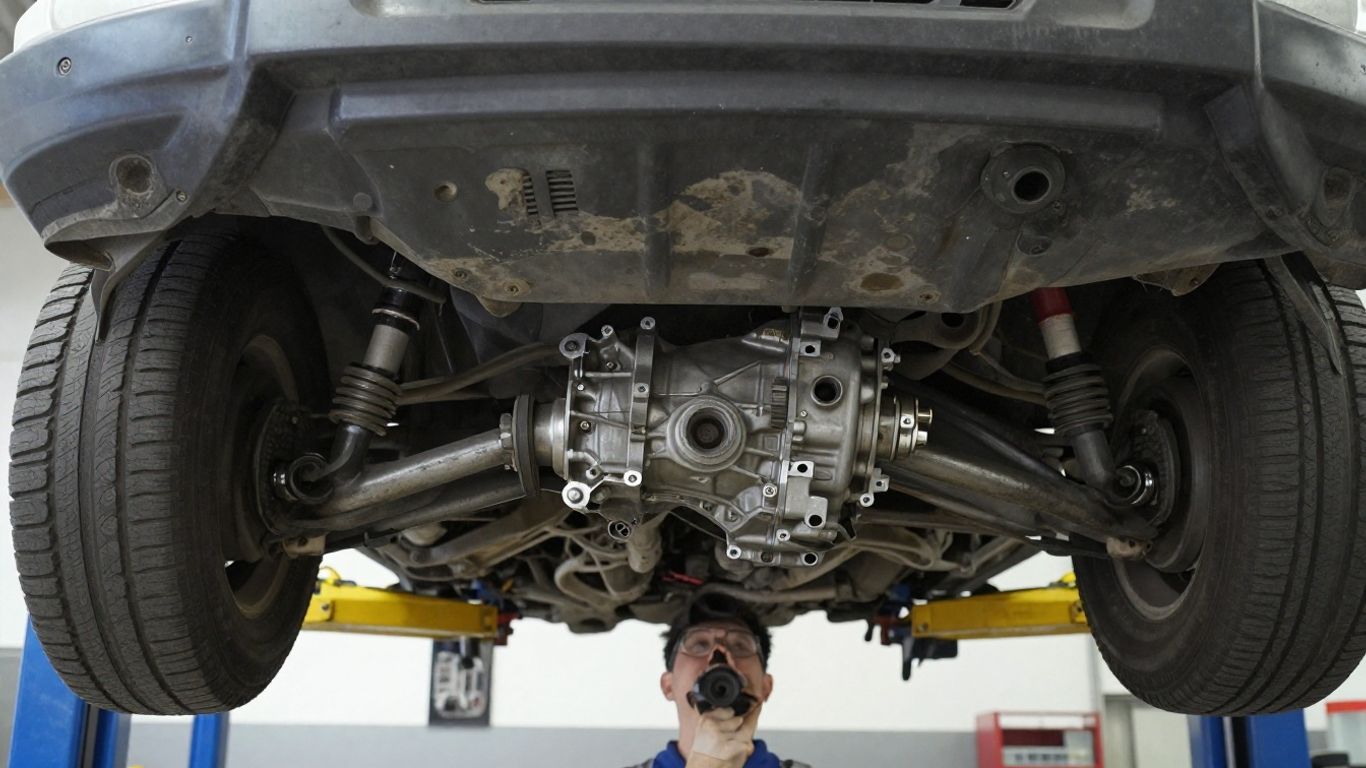
The technician generally begins by confirming the complaint and securing the vehicle. Depending on the configuration, removal can involve disconnecting the battery, driveshaft, electrical connectors, cooler lines, exhaust or shields, mounts, and other components that block access. The transmission is supported carefully before its fasteners are removed.
Once the unit is out, the shop can examine the removed assembly and the fluid for clues. That evidence may reveal overheating, clutch material, metal debris, impact damage, or another condition that must be addressed before the replacement goes in.
Inspecting connected components before installation
A replacement transmission cannot correct every surrounding problem. The technician should inspect the torque converter, flexplate, mounts, driveshaft connections, cooler, lines, wiring, seals, and related control components. If debris has circulated through the fluid system, leaving it in place can damage the replacement.
This inspection is also the point to confirm that the replacement unit physically matches the vehicle. Discovering a mismatch before installation is inconvenient; discovering it after the truck has been reassembled is much more costly.
Installing and programming the replacement unit
Installation reverses the removal process, with new or approved seals and hardware used where required. Electrical connections and mounts must be secured correctly, and the transmission must be aligned without forcing components into place. On electronically controlled vehicles, programming, relearn procedures, or adaptation may be needed after installation.
The shop should explain whether those procedures are included in the estimate. A mechanically sound installation can still shift poorly if the required electronic setup is skipped or performed incorrectly.
The video can serve as a visual supplement for the general sequence, but it cannot account for every Ranger configuration or replace the instructions for the specific vehicle. Use the shop’s documented procedure as the final authority.
Filling, flushing, and testing the transmission fluid
The technician fills the unit with the specified fluid and checks the level using the correct temperature and procedure. Depending on the condition of the failed transmission, cooler and line flushing may be necessary before fresh fluid is added. Overfilling, underfilling, or using an incorrect fluid can create new shifting problems.
A proper test includes checking for leaks, verifying engagement, monitoring shift quality, and scanning for faults. The vehicle should be retested under appropriate conditions before it is returned, and any unusual noise, delay, or warning light should be investigated immediately.
Avoiding common Ford Ranger transmission replacement mistakes
Most expensive mistakes happen when the repair is treated as a single part purchase. Diagnosis, compatibility, fluid handling, installation, and warranty requirements all affect the result. Slowing down at the approval stage is often cheaper than correcting an incomplete job later.
Replacing the transmission without confirming the diagnosis
A fault code or symptom can identify a system that needs attention without proving that the whole transmission has failed. Wiring, sensors, low fluid, a valve-body issue, or another driveline fault may produce similar behavior. Ask the shop to connect its proposed replacement to specific test results.
If the evidence is unclear, a second professional opinion may be worthwhile. The goal is not to delay a necessary repair, but to make sure the large repair is aimed at the actual source of the problem.
Ignoring the torque converter and cooling system
The torque converter works closely with the transmission, and the cooler protects fluid from excessive heat. Reusing a damaged converter or failing to address contaminated cooler lines can compromise the replacement. The estimate should say whether these parts will be inspected, replaced, flushed, or tested.
Heat and debris are especially relevant when the original failure involved burnt fluid or internal breakage. A replacement unit deserves a clean, correctly serviced environment from its first mile.
Using the wrong fluid or replacement parts
Transmission fluid is not interchangeable simply because it looks similar. The shop should use the specification required for the vehicle and follow the correct fill-level procedure. Filters, seals, connectors, and sensors also need to match the application.
Keep the parts and fluid information with the invoice. If a later concern appears, those details help another technician understand exactly what was installed and serviced.
Choosing a shop based only on the lowest estimate
A low estimate may omit programming, fluid service, a warranty, diagnostics, or related parts. Compare the scope of work and the shop’s experience with the relevant vehicle configuration instead of comparing one headline number. A clear estimate that costs slightly more can be the better value if it reduces uncertainty.
Before authorizing the repair, confirm the expected completion time, warranty process, road-test policy, and who is responsible for resolving a compatibility problem. Written expectations protect both sides.
Protecting your replacement transmission after installation
The first days after installation are a useful observation period. Even when the truck feels normal, fluid levels, shift behavior, and warning lights should be monitored closely. Follow the installer’s instructions rather than assuming every replacement has the same service requirements.
Following the recommended break-in period
Some replacement units require a short period of gentle driving or specific relearn procedures. Avoid heavy towing, aggressive acceleration, and extended high-load use until the shop says the process is complete. Smooth inputs also make it easier to notice whether engagement and shifting are behaving as expected.
If the shop provides a break-in checklist, keep it with the invoice. Completing the requested steps may also be necessary for warranty coverage.
Maintaining fluid levels and service intervals
Check for fresh leaks after the truck has been parked on a clean surface, and arrange a level inspection if you see spots or smell fluid. Follow the recommended service interval and use only the specified fluid. Do not add a product simply because it promises to improve shifting.
Driving conditions matter. Frequent towing, stop-and-go traffic, heavy loads, and extreme temperatures can make proper maintenance more important, so ask whether the service schedule should be adjusted for your use.
Recognizing early signs of a new problem
A delayed engagement, flare between shifts, vibration, burning odor, new leak, or warning light deserves attention soon after installation. Do not wait for the truck to lose all movement. Early documentation gives the shop a better chance to identify a fluid, calibration, installation, or component issue while the symptoms are still clear.
Note the speed, temperature, gear, road conditions, and frequency of the symptom. That simple record can make a follow-up diagnosis much faster.
Keeping records for warranty and future repairs
Save the estimate, invoice, transmission identification, warranty, fluid specification, diagnostic reports, and any break-in instructions. Record the installation date and mileage as well. These documents establish what was done and help a future technician avoid repeating unnecessary work.
If the truck is sold later, complete records can also give the next owner a more accurate maintenance history. Good paperwork is a small habit with lasting value.
Conclusion
A Ford Ranger transmission replacement is easier to manage when diagnosis, compatibility, installation, and aftercare are treated as one connected repair. Get the failure confirmed, compare complete estimates, choose a documented replacement unit, and keep careful records after the truck returns to the road.
Frequently Asked Questions
How long does a Ford Ranger transmission replacement take?
The time varies with the model year, drivetrain, parts availability, shop workload, and whether related components need repair. Ask for an estimated completion window after the vehicle has been inspected.
Can a transmission be repaired instead of replaced?
Sometimes. A repair may be suitable when the damage is limited to an external seal, sensor, valve-body component, or another serviceable part. Internal damage and extensive contamination may make replacement or rebuilding more practical.
Is a used transmission a good choice?
A used unit can make sense when its compatibility, mileage, condition, and warranty are documented. Without that information, the lower purchase price may carry more risk than expected.
What should be replaced with the transmission?
The answer depends on the diagnosis, but the torque converter, seals, filter, fluid, mounts, cooler, and lines should at least be inspected. Any contaminated or damaged related component should be addressed before final testing.
Does a replacement transmission need programming?
Some electronically controlled vehicles require programming, relearning, or adaptation after installation. The shop should verify the requirements for the specific vehicle and include them in the repair plan.
How can I tell if the replacement is working properly?
Engagement should be consistent, shifts should be appropriate for the driving conditions, and there should be no leaks, unusual noises, burning odors, or warning lights. Report any new symptom promptly rather than continuing to drive normally.
What information should I bring to a repair shop?
Bring the VIN, model year, engine and drivetrain details, mileage, symptom notes, previous repair records, and any scan results. A clear history helps the technician confirm compatibility and avoid repeating earlier diagnostic steps.