
Key Takeaways
A gearbox rebuild can restore worn components, but the right choice depends on the fault, the unit, and the condition of its internal parts. Before agreeing to an express gearbox rebuild, ask what the timeline includes and how any newly discovered damage will affect the estimate.
- A rebuild involves inspecting and renewing worn components; a targeted repair may address only one fault.
- Noise, slipping, shifting trouble, leaks, or overheating deserve diagnosis, but no single symptom proves a rebuild is needed.
- “Express” may refer to scheduling or turnaround, so confirm the specific steps and timing.
- Cost and completion time depend on the gearbox, parts availability, labor, and damage found during disassembly.
- Compare a rebuild with repair and replacement options, including what each quote and warranty covers.
What an express gearbox rebuild involves
An express gearbox rebuild usually means a gearbox is removed, opened, inspected, and reassembled with worn or damaged parts replaced as needed. The word “express” is not a precise technical standard, so it does not by itself establish a guaranteed completion time or a particular scope of work. The most useful first step is to clarify what the shop means by the term and what is included in its estimate.
How a rebuild differs from a repair or replacement
A repair often focuses on a specific fault or component, while a rebuild involves inspecting the gearbox internally and renewing parts that are worn or damaged. Replacement means fitting another unit, which might be new, used, or previously rebuilt. The difference matters because a quote for a limited repair may not include the wider inspection and parts renewal associated with a rebuild, while a replacement quote may include removal and installation but not the same internal work on your existing unit.
Gearbox types and vehicles commonly serviced
Gearboxes vary by vehicle and design, and the parts and procedures that apply to one unit may not suit another. A shop needs enough information to identify the gearbox before it can confirm whether it handles that type of work or estimate parts and labor. The vehicle’s make, model, year, and identification details can help narrow down the unit; if you are unsure what information to provide, ask before arranging an inspection.
What “express” service may mean in practice
“Express” could describe a priority booking, a shorter workshop queue, or a target turnaround once the correct parts are available. It might not mean the gearbox can be rebuilt the same day: diagnosis, disassembly, parts sourcing, machining, and testing all take time. Get the shop to define the term in plain language, including when its estimate begins and what could extend it.
When a rebuild may be the right option
A rebuild may be worth considering when diagnosis points to internal wear or damage and the gearbox can be inspected and serviced appropriately. A technician may discover that a smaller repair is sufficient, or that damage makes a replacement more practical; there is no reliable decision based on symptoms alone. The choice should account for the unit’s condition, availability of parts, total installed price, and the coverage offered on the work.
Signs your gearbox may need rebuilding
Changes in sound or shifting can signal a gearbox problem, but similar symptoms may have other causes. Note when the symptom occurs, whether it changes with speed or gear, and whether warning lights or fluid loss appear at the same time. That detail gives a technician a clearer starting point than a general report that the vehicle feels different.
Grinding, whining, or other unusual noises
Grinding during a shift, a whine that changes with road speed, or a new clunk can indicate a fault that needs attention. The sound alone cannot identify which part has failed: noise may vary with the selected gear, engine speed, load, or whether the vehicle is moving. Avoid assuming that a particular noise automatically calls for a complete rebuild; a proper inspection is needed to locate its source.
Difficulty shifting or gears slipping
A gear that is hard to select, refuses to engage, or slips out of place can make driving unpredictable. These symptoms may relate to internal wear, but they can also involve other parts of the shifting system or vehicle. Note whether the problem affects one gear or several, and whether it happens consistently or only when the vehicle is cold, warm, or under load.
Fluid leaks, burning smells, or overheating
A visible leak, a burning smell, or signs of overheating should be checked promptly, since continued operation may add to the damage. The source of a leak may be outside the gearbox itself, and a smell or temperature change does not confirm the exact fault. If the vehicle’s behavior changes significantly or it seems unsafe to drive, stop and seek qualified advice rather than trying to reach a workshop at any cost.
Why symptoms need a proper diagnosis
Symptoms are clues, not a parts list. A diagnostic check can help separate gearbox trouble from an issue elsewhere, just as identifying mole and vole damage depends on distinguishing signs that can look similar at first. Before authorizing work, ask what was inspected and how the findings support the recommended repair or rebuild.
A short record of what you notice can make that conversation more useful. Include details such as:
- The sound or change in shifting, described as specifically as possible.
- When it occurs, including speed, gear, temperature, or driving conditions.
- Any fluid marks, smells, warning lights, or recent changes in performance.
- Whether the symptom is constant, occasional, or getting worse.
These details do not replace diagnosis, but they can help focus the inspection. Share them with the technician and ask whether the initial findings point to a gearbox fault or call for further checks.
How the rebuild process works
A rebuild is a sequence of inspection and workshop steps, not simply a swap of worn parts. The exact procedure varies with the vehicle and gearbox, and a shop may need to revise its estimate after opening the unit. Knowing the broad stages makes it easier to ask what has been completed and what remains before the vehicle is returned.
Initial inspection and fault diagnosis
The technician starts by discussing the symptoms and checking the vehicle or gearbox as appropriate. That may include confirming the unit, looking for leaks, and investigating how the fault appears; the specific checks depend on the complaint. Ask what the first inspection can establish and whether more information will be available only after disassembly.
Removing and disassembling the gearbox
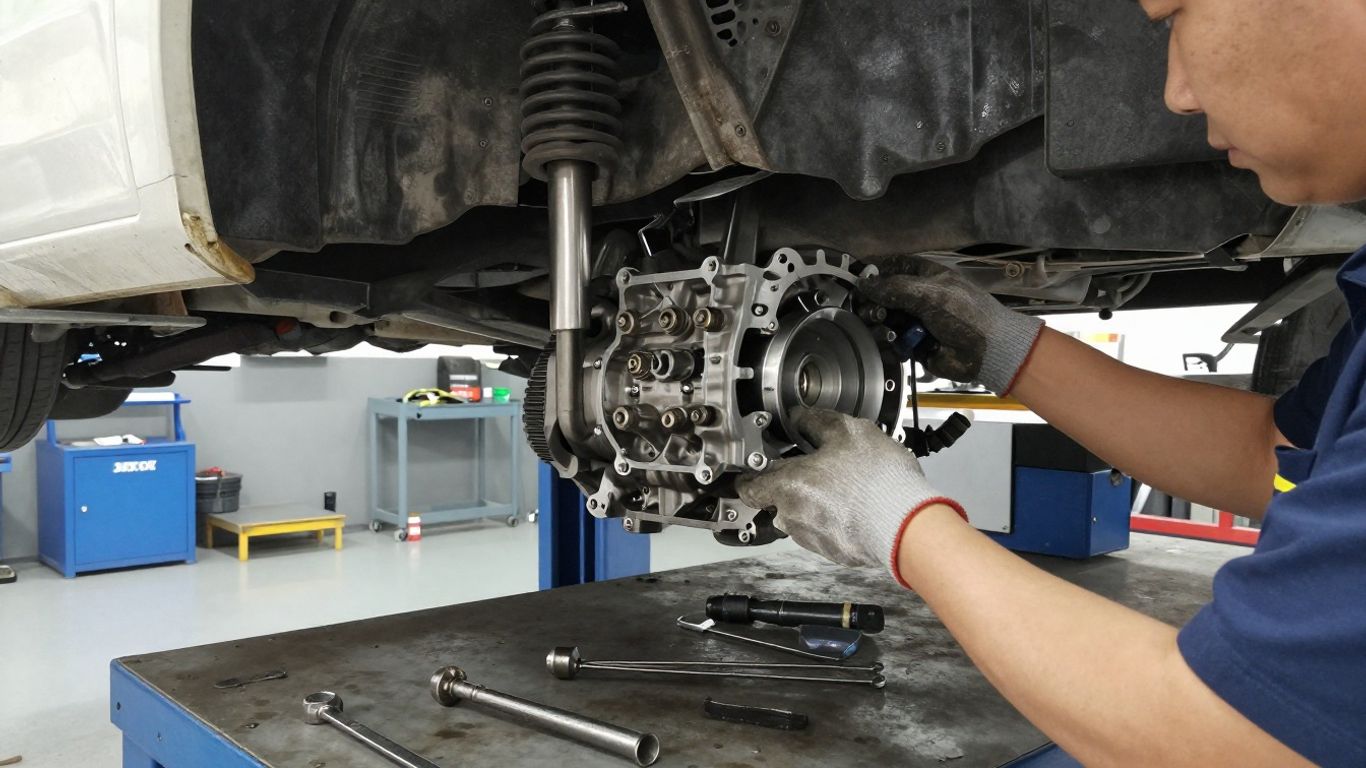
If the findings support internal work, the gearbox may need to be removed from the vehicle and opened. Removal and refitting add labor, and access can differ considerably between vehicles. Disassembly lets the technician inspect internal parts directly, but it can also reveal damage that was not visible during the initial assessment.
Cleaning, measuring, and assessing components
After disassembly, components can be cleaned and checked for wear, damage, or measurements outside applicable limits. The point is to assess the parts rather than replace everything automatically. A useful update from the shop explains which components can be reused, which need work or replacement, and whether those findings change the estimate.
Replacing worn parts and reassembling the unit
Parts identified as worn or damaged may be replaced, then the gearbox is reassembled according to the appropriate procedure. Which parts are needed depends on the inspection and the availability of components for that unit. Confirm whether the estimate covers only listed parts or also allows for additional items if further damage is found.
Testing before refitting or delivery
Before the job is considered complete, ask what testing the shop performs and whether the gearbox is checked before or after it is refitted. The available checks depend on the workshop setup and the vehicle. Clarifying this stage helps set expectations about what “finished” means, including whether installation, fluid, and any follow-up checks are part of the quoted work.
How to compare rebuild, replacement, and repair
The lowest initial quote is not always the best comparison if the options cover different work. Ask whether each price includes removal, installation, parts, fluids, testing, and applicable warranty coverage. A decision framework used for HVAC repair-or-replace decisions also illustrates a general point: compare the scope and condition behind each option, not just the headline price.
When a targeted repair may be sufficient
A targeted repair may suit a clearly identified fault when the surrounding gearbox is in serviceable condition and the repair can be completed without a full internal rebuild. Ask the technician to explain how the fault was isolated and whether other wear was found. If a limited repair is recommended, make sure the estimate says what it fixes and what it does not cover.
When a full rebuild makes more sense
A rebuild may make more sense when inspection finds wear or damage in several internal components, or when addressing only one fault would leave known problems unresolved. The technician should be able to describe the inspection findings and explain why broader work is being proposed. For comparison, a discussion of a Talbot Express gearbox repair includes owner observations about rebuild and fitting costs; treat such accounts as individual experiences, not a price guide for another vehicle.
Comparing rebuilt, used, and new replacement units
Replacement choices can differ in condition, history, parts, installation requirements, and warranty. A used unit may have limited information about its prior use; a rebuilt unit has had work performed, though the precise scope matters; and a new unit may not be available or practical for every vehicle. Use the table as a prompt for questions, not as a promise about the condition or cost of any particular unit.
| Option | What to clarify | Main point to compare |
|---|---|---|
| Targeted repair | Which fault is being addressed? | Whether the diagnosis supports a limited scope |
| Rebuild | Which parts are inspected or replaced? | What the internal work and warranty include |
| Used replacement | What is known about the unit’s history? | Condition, fitment, and coverage |
| New replacement | Is the correct unit available? | Total installed cost and applicable warranty |
A fair comparison uses complete, itemized estimates and accounts for what remains unknown. If a quote is preliminary, ask what would cause it to change once the gearbox is opened.
Questions to ask about parts and warranty coverage
Before authorizing the job, ask for the proposed parts and warranty terms in writing. Warranty coverage can vary, and a warranty on a component may differ from coverage for labor or removal and refitting. Read the applicable terms and conditions, and ask the shop directly about exclusions, claim steps, and what documentation you need to keep.
What affects gearbox rebuild cost and turnaround
There is no single price or reliable turnaround that applies to every rebuild. The estimate depends on the vehicle, the gearbox, the findings after disassembly, and the work included in the quote. A 40×60 steel structure estimate is a different kind of project, but its cost breakdown offers a useful general reminder: labor and scope can matter as much as the headline figure.
Vehicle, gearbox type, and parts availability
The vehicle and gearbox determine what parts and labor may be needed, while availability can affect both price and timing. A less common unit or a part that must be sourced can delay progress even when workshop time is available. Provide accurate vehicle details and ask whether the estimate assumes parts are in stock or still need to be confirmed.
Damage found after disassembly
An initial estimate may change if opening the gearbox reveals damage that could not be assessed beforehand. Ask how the shop will contact you, document the additional findings, and obtain approval before doing work beyond the agreed scope. This can help prevent an unexpected final bill and gives you a chance to compare revised options.
Labor, machining, and replacement components
Labor may include diagnosis, removal, disassembly, cleaning, reassembly, testing, and refitting. Some jobs may also require machining or additional components, depending on the inspection. Costs for staffing in another context can be explored with an Employee Cost Calculator, but gearbox estimates should be assessed using the specific labor and parts itemized by the repairer.
How to confirm the quoted price and completion estimate
A written estimate is more useful when it separates known work from possible additional costs. Ask what the expected completion date assumes, when the clock starts, and how the shop will keep you informed if parts or new findings change the schedule. That way, an “express” promise becomes a specific estimate you can assess rather than an undefined label.
How to choose a gearbox rebuild specialist
Choosing a shop is partly about technical fit and partly about how clearly it explains the work. A specialist should be able to identify the unit, describe the diagnostic steps, and set out what is included in the proposed job. Before booking, compare the written scope, warranty, and communication expectations rather than relying on a short turnaround claim alone.
Relevant experience with your vehicle and gearbox
Ask whether the shop has worked on your vehicle and gearbox type, and whether it can source the parts that may be needed. Experience with a different unit does not necessarily answer questions about yours, so provide accurate details and ask for a specific response. If the shop cannot confirm its capability before inspection, find out what it needs to determine that.
Diagnostic process and written estimate
A sound estimate should connect the reported symptoms to the inspection findings and recommended work. Ask what has been checked, what remains uncertain, and whether the price may change after disassembly. A written scope gives both sides a shared reference for the work and makes it easier to compare another estimate on equivalent terms.
Warranty terms and what they cover
Ask how long the warranty lasts, which parts and labor it covers, and whether it includes removal or refitting if the same issue returns. Also clarify any conditions that could affect coverage, such as maintenance requirements or limits on vehicle use. Keep the written warranty and invoice together so the coverage and work performed are easy to check later.
Reviews, communication, and service expectations
Reviews can offer context about how a shop communicates and handles scheduling, but individual experiences do not guarantee a particular result. Notice whether staff answer questions clearly, explain changes before proceeding, and provide realistic updates. Agree on how you will receive progress reports and who to contact if the timing or estimate changes.
Conclusion
An express gearbox rebuild can be a practical option when inspection supports a full internal overhaul, but the label alone does not tell you what the job includes or how quickly it will be done. Ask for a clear diagnosis, an itemized estimate, written warranty terms, and an explanation of how new findings will be handled; those details make it easier to choose between repair, rebuild, and replacement with confidence.
Frequently Asked Questions
How long does an express gearbox rebuild take?
Timing depends on the vehicle, gearbox, workshop schedule, parts availability, and damage found after disassembly. Ask what the quoted turnaround includes and when the estimate begins.
Is a gearbox rebuild the same as a repair?
Not necessarily. A repair may address a specific fault, while a rebuild generally involves opening and inspecting the gearbox and replacing worn or damaged internal parts as needed.
Does a noisy gearbox always need rebuilding?
No. Noise can have more than one cause, and its sound alone does not identify the fault. A qualified diagnosis is needed before deciding what work is appropriate.
Can I drive with a gearbox that is slipping?
Slipping can affect how the vehicle responds, and continued driving may worsen a fault. Seek qualified advice promptly, and avoid driving if the vehicle seems unsafe.
What should a gearbox rebuild quote include?
Ask whether it covers diagnosis, removal, parts, labor, any machining, testing, refitting, fluids, and warranty. It should also explain how additional work will be approved and priced.
Is a used gearbox cheaper than a rebuild?
It may have a lower initial price in some cases, but total value depends on condition, history, fitment, installation costs, and warranty. Compare complete quotes rather than the unit price alone.
What does an express gearbox rebuild mean?
“Express” is not a universal technical standard. It may describe scheduling or an intended turnaround, so ask the repairer to define the service and state any timing assumptions in writing.