

Key Takeaways
A calm, safe response can save time after a breakdown. Focus first on protecting people, then gather clear information and confirm the repair plan before authorizing work.
- Move away from traffic only if the car can be driven safely, and use hazard lights.
- Note warning lights and symptoms, but avoid touching hot or moving parts.
- Compare available roadside help, towing, and shop availability before choosing.
- Ask for a confirmed diagnosis, an itemized estimate, and a realistic timeline.
- Check the completed work and invoice before picking up the car.
1. Make the breakdown safe
A breakdown can be unsettling, but your first decisions should be about people and traffic—not the repair. Stay aware of nearby vehicles and road conditions, and don’t take a risk just to move the car a short distance. The safest choice depends on where you’ve stopped, the condition of the vehicle, and whether anyone is hurt.
Move out of traffic if the car can be driven safely
If the car still responds normally and there is no sign that it could fail dangerously, move it to a shoulder, parking area, or other safe place. Don’t drive it if the brakes or steering feel wrong, the engine is overheating, or smoke is coming from under the hood. A short drive is not worth turning a breakdown into a crash or worsening the damage.
Turn on hazard lights and set up warning devices
Switch on the hazard lights as soon as you can do so safely. If you have warning triangles or similar devices, use them only when you can place them without stepping into traffic or taking another unsafe position. Visibility matters, especially on a narrow shoulder, at night, or in poor weather.
Stay inside or move to a safer location based on conditions
There isn’t one right place to wait in every breakdown. If traffic is moving close by and leaving the car would put you at risk, remain inside with your seat belt on; if the vehicle is in a more dangerous position, move away from traffic when it is safe to do so. Keep passengers together and avoid standing behind or beside the car where other drivers may not see you.
Call emergency services if anyone is injured or in danger
Call emergency services if anyone is injured, the vehicle is in a dangerous location, or there is an immediate risk such as fire. Give the dispatcher your location and describe the danger plainly. For a non-emergency breakdown, you can arrange roadside help once everyone is safe. A general roadside breakdown guide may help you think through common situations, but it cannot replace emergency assistance when someone is at risk.
2. Identify what may be wrong
Once you are in a safe place, a few observations can help you explain the problem and avoid an unnecessary restart. You don’t need to diagnose the car yourself; the aim is to record what happened and notice any clear warning signs. A useful symptom record can make the first conversation with a repair shop more productive.

Check dashboard warning lights and recent changes
Note which warning lights appeared and whether they came on before or after the car began acting differently. Think about recent changes too: a slow start, unusual handling, a recent repair, or a new sound. Don’t assume that a familiar warning light means the issue is minor; share exactly what you saw with the person assessing the car.
Look for obvious issues without touching hot or moving parts
From a safe position, look for a visibly flat tire, a dangling part, or fluid beneath the car. Keep your hands away from the engine, belts, fans, and anything that may be hot, and don’t crawl under a vehicle supported only by a jack. If the problem is not obvious, stop inspecting rather than taking the car apart at the roadside.
Note unusual sounds, smells, smoke, or leaks
Details are more useful than a guess about what has failed. A brief note of when the sound began, whether it changed with speed, and whether you noticed a smell, smoke, or leak can help the technician narrow down what to inspect. Don’t touch or taste leaking fluid, and treat smoke or a strong burning smell as a reason to move away and seek help.
Use symptoms to decide whether it is safe to restart the car
A restart is not a harmless test in every situation. If the engine overheated, smoke appeared, a warning indicated a serious problem, or the car lost braking or steering function, leave it off and call for help. When the cause is unclear, describing the symptoms to roadside assistance before trying again is the safer choice; basic roadside assistance services vary, so confirm what is available to you.
3. Choose the fastest help available
The quickest solution is not always the one that arrives first; it is the option that can deal with the problem safely and get the car where it needs to go. Consider whether the car can be repaired where it stopped, needs a tow, or can be moved to a nearby shop. Before committing, compare estimated arrival times, coverage, and any limits on where the car can be taken.
Compare roadside assistance, a tow, and mobile repair
A roadside provider may be able to assist with certain common problems, while a tow may be necessary if the car is unsafe to drive or needs workshop equipment. Mobile repair can be convenient when the fault is suitable for on-site work, but not every issue can be diagnosed or repaired at the roadside. Ask what the service can do, where the vehicle will be taken if it cannot be fixed, and whether any extra charges apply. For examples of what on-site help may involve, see roadside repair assistance.
Check insurance, warranty, or membership benefits
Before paying out of pocket, check your insurance policy, vehicle warranty, or roadside membership for relevant benefits and conditions. Coverage can differ, including how far a tow is covered and whether you need to use an approved provider. Keep the policy or membership details handy and ask the provider to confirm any likely costs before dispatch.
Ask nearby repair shops about availability and towing
A nearby shop may be able to tell you whether it can receive the car, whether it can arrange a tow, and when someone can inspect it. Ask whether the shop is open, how it handles after-hours drop-offs, and whether the expected wait for diagnosis is manageable. Shops often share service details online; a guide to local repair-shop visibility discusses that from the business side, while your immediate decision should rest on direct confirmation from the shop.
Share your location and symptoms when requesting help
Give the provider a precise location, a safe callback number, and a concise account of what happened. Mention whether the car is blocking traffic, whether anyone is injured, and any warning lights or signs of smoke. A short list helps ensure you pass along the details that affect the response:
- Your exact location and the safest way to reach the vehicle.
- The car’s make, model, and any relevant access details.
- What happened, when it began, and the symptoms you observed.
- Whether passengers need assistance or the vehicle is in a hazardous position.
That information can help the provider choose an appropriate response and avoid a second round of basic questions. If the car has been sitting unused for a long time, mention that too; prolonged inactivity can bring different concerns, covered in this guide to parked cars.
4. Get an accurate repair diagnosis
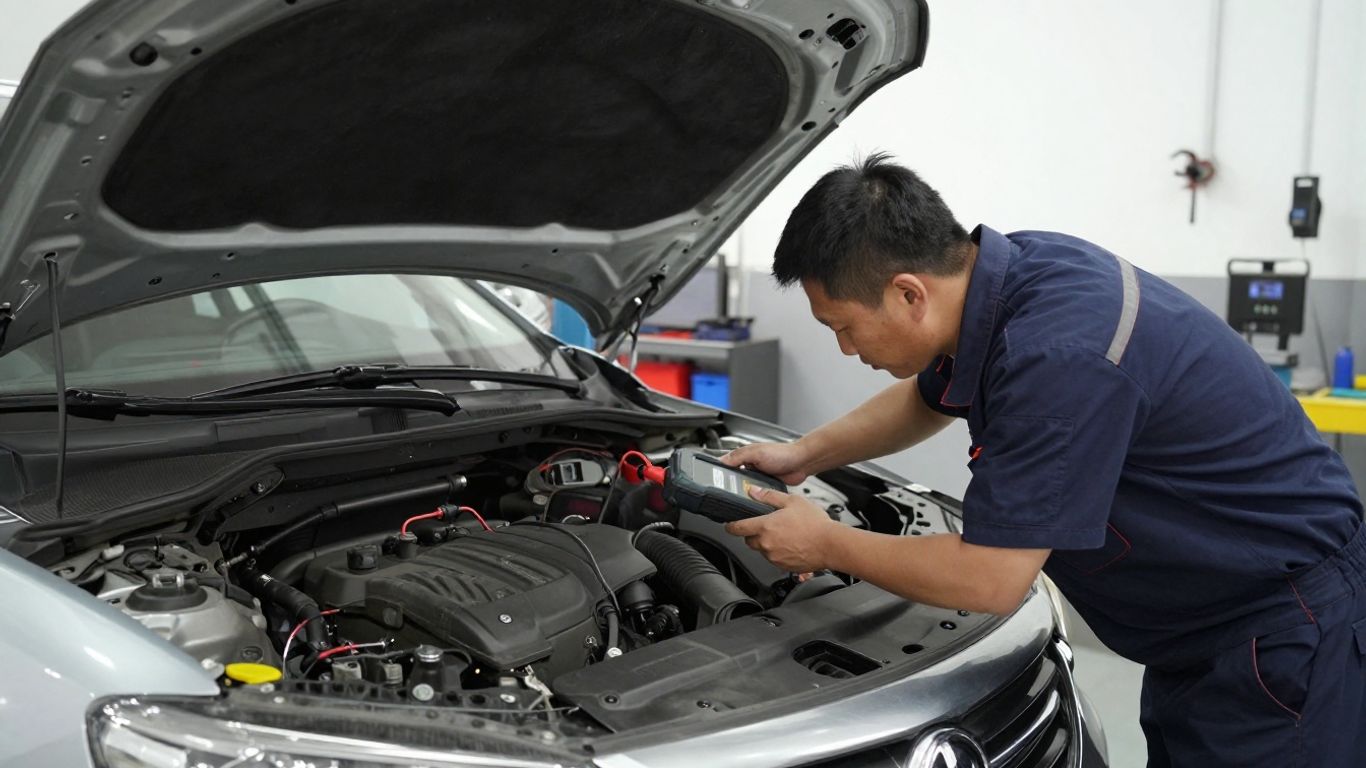
Once the car reaches a repair shop, clear communication and a confirmed diagnosis are more useful than guessing at the cause. Tell the shop what you observed and ask what it plans to check before authorizing parts or labor. If a replacement part is needed, our car-parts network connects customers with quality used, genuine, and aftermarket parts; the shop should confirm the correct fit for the vehicle and the repair.
Describe the problem and when it started
Give the technician a simple timeline: what the car was doing, what changed, and what happened just before it stopped. Mention warning lights, sounds, smells, leaks, and whether the car restarted or behaved differently after a pause. Even details that seem minor can help distinguish an intermittent issue from a problem that is present all the time.
Ask the shop to confirm the cause before replacing parts
A symptom can have more than one cause, so ask what inspection or test supports the diagnosis. The shop should explain what it found and how that finding relates to the recommended repair. If the explanation is unclear, ask a follow-up question before approving replacement parts; a confirmed cause is a better basis for action than a guess.
Request an estimate that separates parts, labor, and fees
An estimate is easier to assess when you can see the main costs separately. Ask the shop to distinguish parts, labor, and other fees, and to identify any work that is optional or not yet confirmed. The following comparison can help you check whether the estimate answers the practical questions that matter:
| Estimate detail | What to check | Why it helps |
|---|---|---|
| Parts | Part description and price | Clarifies what the repair uses |
| Labor | Work included and charge | Shows what installation or testing covers |
| Fees | Additional charges and reason | Helps avoid surprises at pickup |
| Approval | Work included in the estimate | Defines what you have authorized |
If a particular part must be sourced, our network helps customers find quality used, genuine, and aftermarket parts across Melbourne, Sydney, Brisbane, and nationwide. Confirm the shop’s fitment requirements and expected supply timing rather than assuming a part will suit based only on a general description.
Confirm the expected repair time and parts availability
Ask when the shop expects to begin, how long the work may take, and whether any required parts are already available. A time estimate may change if inspection reveals another issue or a part is delayed, so ask how the shop will update you. If a part needs to be sourced, the car-parts supplier’s stated aim is to make finding the right part fast and affordable; still, confirm the specific part and timing for your repair.
5. Prioritize repairs without cutting corners
A repair plan can include work that affects immediate safety, work needed to restore normal operation, and maintenance that can be scheduled later. Ask the shop to explain the difference in plain language and to identify any risk in delaying a recommendation. The goal is to make a considered choice—not to approve every item automatically or defer something that makes the car unsafe.
Address safety-critical problems first
Problems that affect braking, steering, tires, or other essential systems deserve prompt attention. Ask what makes the issue unsafe and whether the car should remain parked until it is repaired. If the shop says the vehicle should not be driven, arrange a tow rather than trying to make a short trip home.
Ask which repairs are essential for driving and which can wait
Request a clear distinction between work required to make the car safe to use and other recommendations that can be planned for later. Ask what may happen if a lower-priority repair is postponed and when it should be reviewed. Our car-parts network connects customers with quality replacement options, but the mechanic’s diagnosis—not part availability—should determine what the car needs.
Get approval before the shop performs additional work
Set a clear limit for the work you are authorizing and ask the shop to contact you if it finds anything beyond the estimate. Confirm any change in cost or repair scope before giving approval. This keeps the decision with you and reduces the chance of confusion when the final invoice arrives.
Consider a second opinion for costly or unclear recommendations
For an expensive repair or an explanation that still doesn’t make sense, another qualified shop may be able to review the diagnosis. Ask what records, test results, or parts information can be shared to support that review. If you’re gathering general background on urgent services, a page on electrical safety concerns addresses a different setting; it is not a substitute for a vehicle-specific assessment.
6. Avoid delays before picking up the car
A completed repair still needs a final check before you leave. Confirm what was done, what it cost, and whether the shop found anything that needs attention soon. It is also sensible to ask what to do if the original symptom returns after pickup.
Confirm the repair is complete and the car has been road-tested
Ask the shop to confirm the approved work is finished and whether the car was road-tested, when appropriate. Find out whether the original symptom was checked after the repair and whether any warning lights remain. If the vehicle is not ready for normal driving, ask the shop to explain why before arranging pickup.
Check the invoice against the approved estimate
Compare the invoice with the estimate and any changes you approved along the way. Check the parts, labor, fees, and final total, and ask about any item you do not recognize. A quick review before paying gives the shop a chance to clarify a discrepancy while the repair details are close at hand.
Ask about replaced parts, warranty coverage, and follow-up care
Ask which parts were replaced and whether the shop can return old parts when appropriate. Confirm what warranty applies to the repair or parts and whether there are any conditions you need to follow. If a follow-up inspection or maintenance step is recommended, note when it should happen.
Plan alternative transportation if the repair takes longer than expected
Parts availability, added diagnostic work, or shop scheduling can extend the wait. Ask when you should expect the next update and make a backup transport plan if you depend on the car for work, school, or appointments. If your car trouble began after it had been idle for weeks or months, this guide to car inactivity can offer broader context, though the shop should advise on your vehicle specifically.
Conclusion
To get your car back on the road fast, protect everyone at the scene, share clear symptoms, and choose help based on what the car actually needs. A confirmed diagnosis, a written estimate, and approval for any added work can keep the repair moving without sacrificing safety. Before you leave the shop, check the completed work and make sure you understand the invoice and any follow-up advice.
Frequently Asked Questions
What should I do first when my car breaks down?
Move to a safe location if the car can be driven safely, turn on the hazard lights, and check whether anyone needs emergency help. Avoid standing near traffic or attempting a repair in an unsafe spot.
Should I restart my car after it stops?
Not if it overheated, produced smoke, showed a serious warning, or lost braking or steering function. If you’re unsure, describe the symptoms to roadside assistance before trying to restart it.
Is it faster to call roadside assistance or a tow truck?
It depends on the problem, your location, and what services are available. Ask about arrival time, whether the issue may be handled where you are, and where the car will go if it needs a tow.
What information should I give a repair shop?
Share when the problem began, what the car was doing, which warning lights appeared, and any sounds, smells, smoke, or leaks you noticed. Include what happened if you tried restarting the car.
Should I approve repairs before the shop confirms the cause?
Ask the shop to explain what it found and why it recommends the repair before authorizing parts or labor. Request an estimate and confirm that you approve the work it covers.
What should an auto repair estimate include?
Ask for parts, labor, and additional fees to be shown separately, along with a description of the work included. Clarify which items are confirmed and which may change after further inspection.
What should I check before picking up my car?
Confirm the approved work is complete, review the invoice against the estimate, and ask about replaced parts, warranty coverage, and any follow-up care. Find out whether the vehicle was road-tested when appropriate.