
Key Takeaways
Clutch and gearbox replacement can be a major repair, but early diagnosis often prevents unnecessary parts and labor. These are the main points to keep in mind:
- A clutch transfers engine power and allows smooth gear changes.
- Gearbox symptoms often include whining, slipping, leaks, or difficult selection.
- A proper diagnosis should establish whether repair or replacement is appropriate.
- Written estimates should separate parts, labor, diagnostics, and possible additional work.
- Gentle driving, correct fluid maintenance, and prompt inspections can extend drivetrain life.
Understanding clutch and gearbox replacement
The clutch and gearbox work together, but they are not the same component. The clutch temporarily separates the engine from the transmission, while the gearbox selects different gear ratios for speed and torque. Knowing that distinction makes it easier to understand why similar symptoms can come from very different faults.
What the clutch and gearbox each do
In a manual vehicle, pressing the clutch pedal separates the engine’s rotating flywheel from the transmission input shaft. Releasing the pedal allows friction between the clutch disc and flywheel to transfer power again. The gearbox then uses its gears to deliver an appropriate balance of acceleration and road speed.
A clutch assembly may include the disc, pressure plate, release bearing, flywheel, cable, or hydraulic components. The gearbox contains gears, shafts, bearings, synchronizers, and other parts that can wear independently. That is why a driver may feel a problem during shifting without knowing whether the clutch, gearbox, or control system is responsible.
How clutch and gearbox problems are connected
A clutch that does not disengage fully can make healthy gearbox synchronizers work harder. This may produce gear grinding or resistance when selecting first or reverse. Conversely, a damaged gearbox can make shifting difficult even when the clutch pedal feels normal.
The symptoms overlap, so replacing parts based only on a driver’s description is risky. A useful clutch replacement explanation describes the relationship between the clutch plate, pressure plate, flywheel, and the cable or hydraulic system; those connections are worth checking before approving a large repair.
When one component can be repaired instead of replaced
Replacement is not automatically the answer. A clutch may need only hydraulic bleeding, a cable adjustment, or repair of a leaking cylinder. A gearbox might need a seal, bearing, synchronizer, linkage, or fluid service rather than a complete replacement, depending on the design and extent of damage.
The decision should follow inspection and testing. If internal gears or housings are badly damaged, rebuilding or replacing the unit may be more sensible than repairing one visible symptom. A clear diagnosis matters because it prevents a worn but serviceable component from being replaced unnecessarily.
Why delaying repairs can increase costs
Small drivetrain faults can spread. A slipping clutch can overheat friction surfaces and damage the flywheel, while low fluid can accelerate wear on gearbox gears and bearings. Continuing to drive with grinding, severe vibration, or repeated gear loss also creates a safety concern.
A prompt inspection does not guarantee a cheaper repair, but it gives the technician more options. Drivers who notice early symptoms can arrange testing before a minor leak becomes extensive internal damage or before a clutch fault leaves the vehicle unable to move.
Signs your clutch may need replacement
Clutch wear tends to appear during starting, accelerating, and changing gears. Some symptoms are gradual, while others arrive after a cable, hydraulic component, or related part fails. None of these signs proves that the clutch disc itself is worn, so testing remains necessary.
Difficulty shifting or selecting gears
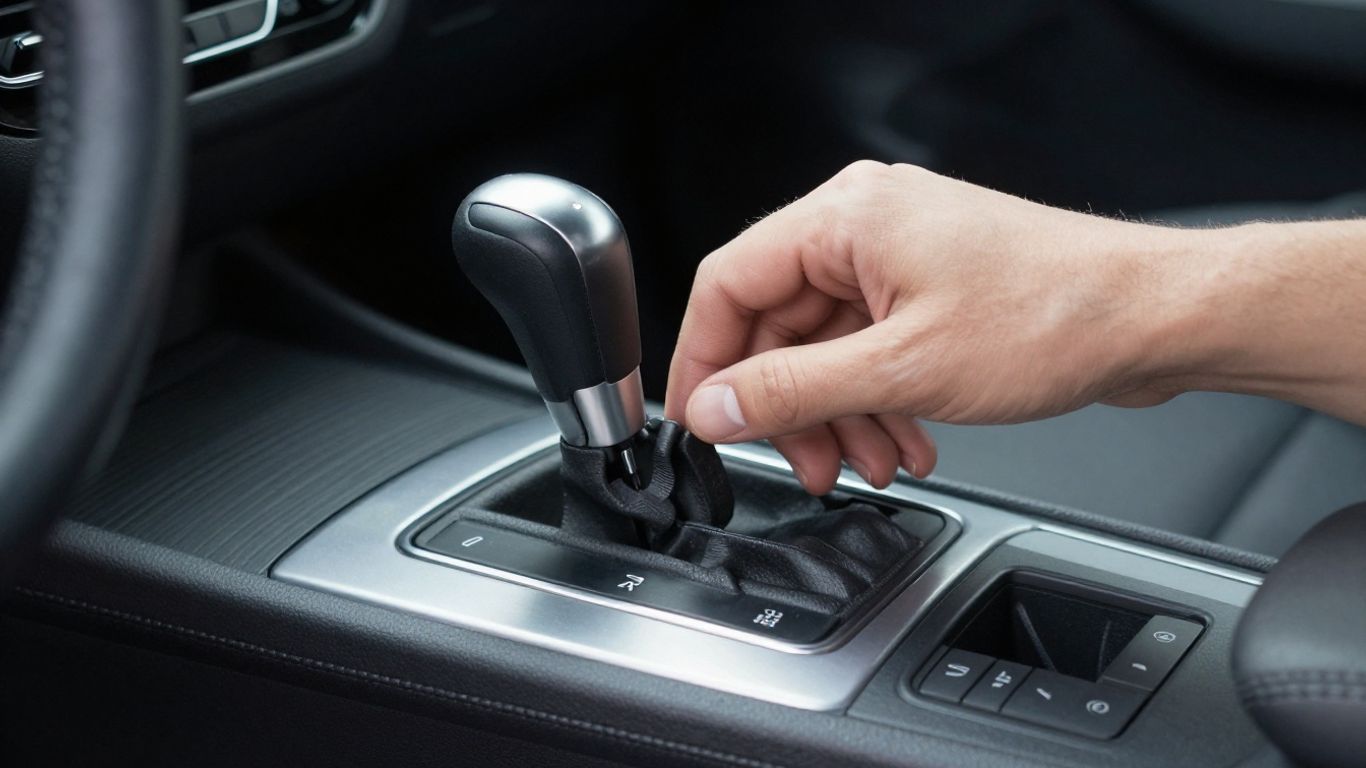
Resistance when selecting gears, especially first or reverse, may mean the clutch is not releasing fully. The cause could be a worn clutch assembly, air or leakage in the hydraulic system, a stretched cable, or a problem with the linkage. Grinding during selection deserves prompt attention rather than repeated force on the gear lever.
The clutch inspection and replacement guide discusses common complaints such as slipping, grinding, and difficult shifting. A technician should compare the symptom with pedal travel, hydraulic operation, linkage movement, and the condition of the clutch assembly.
Clutch slipping under acceleration
A slipping clutch allows engine speed to rise without a matching increase in vehicle speed. It is often easiest to notice when accelerating uphill, carrying a heavy load, or selecting a higher gear. The smell of overheated friction material may follow repeated slipping.
Worn friction material is one possible cause, but oil contamination, a weak pressure plate, incorrect adjustment, or hydraulic problems can create similar behavior. A road test and inspection help distinguish normal wear from a fault elsewhere in the release system.
Grinding, rattling, or unusual noises
Noise when the pedal is pressed can point toward the release bearing or another clutch-related component. Rattling at idle may involve the clutch, flywheel, engine, or transmission, while grinding during gear changes may reflect incomplete disengagement or gearbox damage.
The timing of the noise is useful: note whether it occurs with the pedal up, pedal down, during acceleration, or only in a particular gear. Recording those details gives the technician a more useful starting point than describing the sound as simply “bad.”
A burning smell or vibrating clutch pedal
A burning odor after traffic, hill starts, or towing may indicate excessive clutch slip. Judder or vibration through the pedal can result from an uneven flywheel, contaminated friction surfaces, worn mounts, or problems in the release mechanism.
Avoid holding the vehicle on an incline with the clutch partially engaged. If the smell is strong, the pedal behavior changes suddenly, or the vehicle struggles to move, stop driving when safe and arrange an inspection.
Signs the gearbox may need replacement
Gearbox problems often become more obvious through sound and gear behavior. Manual and automatic transmissions have different failure patterns, but persistent noise, fluid loss, and loss of drive should never be dismissed. A gearbox may be repairable, rebuilt, or replaced after testing reveals the internal condition.
Persistent gear whining or humming
A whine that rises with vehicle speed can be associated with worn gears, bearings, incorrect fluid, or low fluid level. A humming sound may also come from wheel bearings or the differential, so the technician must isolate the noise rather than assume the gearbox is at fault.
Noise that changes when the driver selects a different gear provides a useful clue. Noise present in one gear may suggest a gearset issue, while noise across several gears may point toward bearings, lubrication, or another drivetrain component.
Gear slipping, sticking, or jumping out
If a selected gear disengages under load, the problem may involve worn synchronizers, selector components, gear teeth, or internal engagement mechanisms. Sticking can also result from linkage faults or unsuitable fluid. Automatic transmissions may show delayed engagement or flare between shifts instead.
Do not keep forcing a lever into gear. Repeated engagement attempts can worsen damaged teeth and make the eventual repair more extensive. Safe diagnosis is preferable to guessing from the symptom alone.
Fluid leaks and low transmission-fluid levels
Transmission fluid lubricates and helps protect internal parts, so a leak should be investigated quickly. Fluid around a driveshaft seal, axle seal, casing, cooler line, or drain plug can have different causes and repair requirements.
The fluid level should be checked using the vehicle manufacturer’s procedure, since some transmissions must be measured at a specific temperature or with the engine running. Adding fluid may reduce immediate risk, but it does not repair the leak or reverse existing wear.
Warning signs of internal gearbox damage
Metal particles in drained fluid, loud knocking, repeated gear loss, and a casing damaged by impact are serious findings. Burnt or contaminated fluid can also indicate overheating or internal deterioration. These conditions may justify a rebuild or replacement, but the final choice depends on parts availability, vehicle value, and the technician’s findings.
A specialist can compare the cost and reliability of repairing the existing unit with installing another one. The most suitable answer is not always the newest part; it is the option that restores dependable operation at a reasonable total cost.
What happens during the replacement process
Clutch and gearbox replacement is a substantial mechanical job because the transmission is usually removed to reach the clutch assembly. The exact sequence varies by vehicle, drivetrain layout, and transmission type. Good work begins with diagnosis and ends with controlled testing, not simply fitting a part and returning the keys.
Initial inspection and diagnostic testing
The technician normally records the symptoms, checks for leaks, examines the pedal and linkage, and performs a road test when safe. Diagnostic equipment may be used on vehicles with electronically controlled transmissions. The inspection should identify whether the fault is in the clutch, gearbox, hydraulics, mounts, driveshafts, or controls.
Before work begins, ask what evidence supports replacement. This is also the stage to confirm the proposed parts, labor assumptions, warranty terms, and whether the flywheel or other related components will be measured.
Removing the transmission and damaged components
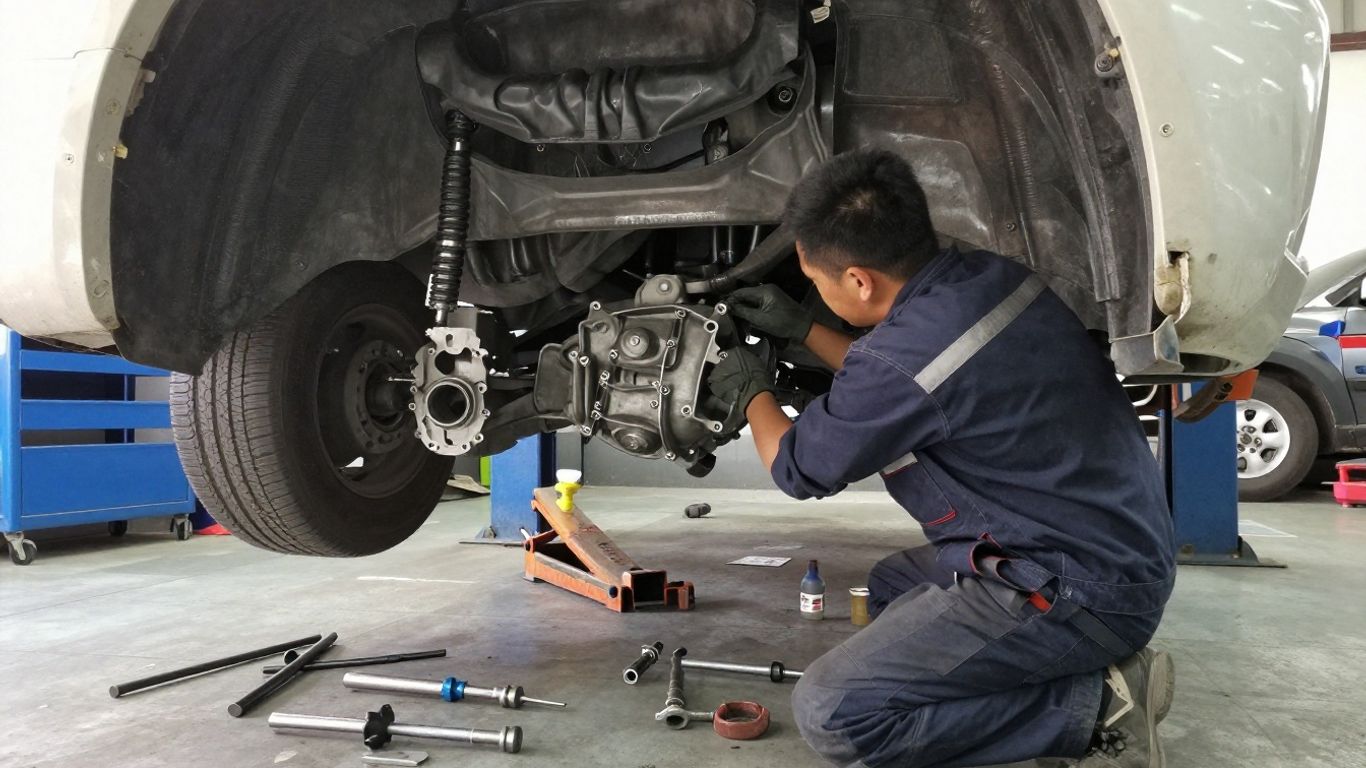
Once the vehicle is secured and supported, the battery, intake components, driveshafts, wiring, linkage, mounts, and other access parts may need to be disconnected. The transmission is then lowered or moved out of position so the clutch or gearbox can be removed safely.
This work requires careful support and correct procedures. A damaged mount, seal, flywheel, or release mechanism may become visible only after removal, which is why an initial estimate can include clearly explained inspection contingencies.
Installing and aligning the replacement parts
A new clutch must be centered accurately on the flywheel before the transmission is refitted. The technician may inspect or replace the release bearing, pilot bearing, flywheel, seals, hydraulic parts, or mounts when their condition makes reuse unwise.
For a replacement gearbox, compatibility, fluid specification, mounting points, linkage, sensors, and driveshaft connections all need confirmation. Correct alignment prevents premature wear and helps the clutch engage smoothly.
Testing the vehicle after reassembly
After reassembly, the system should be filled or bled as required, then checked for leaks and abnormal noises. The technician should verify pedal feel, gear selection, clutch engagement, reverse operation, and any electronic transmission functions.
A road test under varied conditions can reveal a problem that is not visible while stationary. The vehicle should return with an explanation of the work completed, the parts fitted, the warranty, and any recommended follow-up checks.
Clutch and gearbox replacement costs
The price of clutch and gearbox replacement varies widely by vehicle and repair scope. A clutch job is often less costly than a complete gearbox replacement, but access, parts choice, and hidden damage can change the comparison. Treat online figures as rough orientation rather than a promise for a specific vehicle.
Parts, labor, and diagnostic charges
The bill usually combines inspection or diagnostic time, replacement parts, removal and installation labor, fluids, shop supplies, and taxes. A clutch kit may include the disc, pressure plate, and release bearing, while a gearbox quote may cover a new, rebuilt, or used unit plus installation.
Ask whether the estimate includes disposal fees, software relearning, fluid, bleeding, and post-repair testing. The clutch replacement cost guide illustrates why vehicle type and related parts can materially affect a quoted total, even when the basic repair sounds the same.
Factors that affect the total price
The main cost drivers are vehicle layout, engine and transmission access, labor rates, parts availability, and the severity of the damage. Four-wheel-drive systems, performance vehicles, and complex electronically controlled transmissions may require additional time or specialized equipment.
A useful estimate should show the assumptions behind the figure. When comparing shops, consider these common variables:
- The exact vehicle, engine, transmission, and drivetrain configuration
- Whether the flywheel, seals, mounts, or hydraulics need replacement
- Whether the selected gearbox is new, rebuilt, remanufactured, or used
- The labor rate, estimated hours, fluids, diagnostics, and taxes
That list makes it easier to compare like with like. The lowest initial number may not be the lowest final cost if it excludes necessary related work or provides a shorter warranty.
Choosing between new, rebuilt, and used components
A new component generally offers predictable condition but may cost more or be unavailable for an older vehicle. A rebuilt or remanufactured unit can offer a practical middle ground when it comes from a reputable supplier with documented testing and a meaningful warranty.
A used gearbox may reduce the parts price, but its mileage, storage history, compatibility, and warranty deserve careful review. Discuss expected service life and return arrangements before approving that option.
Additional repairs that may appear during the job
Once the transmission is removed, technicians may find a worn flywheel, leaking rear main seal, damaged mounts, or a failing hydraulic component. Not every related part must automatically be replaced, but reusing a visibly damaged item can mean paying labor twice.
Ask the shop to photograph or explain any newly discovered issue and provide its price before proceeding. A staged approval process keeps the repair under control while still allowing necessary work to be completed properly.
How to choose a clutch and gearbox repair shop
The right shop should be transparent about diagnosis, parts, labor, and risk. Experience with your vehicle matters, but so does the ability to explain findings in plain language. A polished website alone is not proof of technical quality; look for evidence in the estimate, communication, and warranty.
Checking technician experience and certifications
Ask how often the shop handles manual clutches, automatic transmissions, or your particular drivetrain. Confirm that technicians have relevant training and access to the required lifting, diagnostic, measurement, and fluid-service equipment.
A shop should be comfortable explaining what was tested and why replacement is recommended. For general advice on choosing a repair provider, focus on transparency, defined services, update procedures, and support after the work is complete.
Comparing written estimates and warranties
Obtain a written estimate that identifies the diagnosis, parts, labor, fluids, taxes, and possible additional charges. It should also state whether the warranty covers parts, labor, or both, and whether there are mileage or time limits.
Do not compare totals without reading the conditions. A cheaper quote using an unknown used unit may provide less protection than a higher quote with a tested replacement and clear labor warranty.
Asking about parts quality and turnaround time
Ask who supplies the part, whether it is new, rebuilt, or used, and how compatibility will be confirmed. Also ask how long the vehicle is expected to remain in the shop and what could delay completion.
Parts availability can change quickly, particularly for older models. A realistic time estimate is more useful than an optimistic promise that later expands without explanation.
Evaluating specialist versus general repair shops
A transmission specialist may have deeper experience with gearbox rebuilding and unusual internal faults. A general repair shop may be a sensible choice for a straightforward clutch replacement, especially when it has the equipment and experience your vehicle requires.
The best choice depends on the diagnosis, not the label above the door. Even a business researching its technical SEO agency options should understand that online discoverability is separate from mechanical expertise; verify qualifications and repair evidence directly.
How to prevent future clutch and gearbox problems
Good driving habits cannot stop every mechanical failure, but they can reduce unnecessary heat and load. Maintenance also gives small leaks and changes in behavior a chance to be addressed early. Prevention is mostly consistent attention rather than a complicated routine.
Using correct shifting and clutch techniques
Fully press the clutch when changing gears and avoid resting a foot on the pedal. Do not hold the vehicle on a hill with clutch slip, and avoid aggressive launches unless the vehicle and situation are designed for them.
Shift at appropriate engine speeds and avoid forcing a gear that resists selection. Smooth, deliberate inputs reduce heat and shock through the clutch, gearbox, mounts, and driveshafts.
Following fluid inspection and replacement intervals
Use only the fluid specification recommended for the vehicle. Check for leaks during routine servicing and pay attention to a new stain beneath the transmission or a change in fluid level, color, or smell.
Some transmissions are sensitive to fluid level and temperature during inspection. Following the specified interval and procedure is safer than relying on a universal rule for every model.
Responding quickly to early warning signs
A new whine, burning smell, vibration, or change in pedal feel should be recorded and checked. Continuing to drive may be reasonable for a short distance in a mild case, but severe grinding, loss of drive, or fluid loss calls for safer arrangements.
Early professional advice can distinguish an adjustment or leak from a failing assembly. It also gives you time to compare repair options instead of making a roadside decision.
Scheduling regular drivetrain inspections
Include the clutch, gearbox, mounts, driveshafts, and visible seals in regular maintenance discussions. An inspection is particularly useful before towing, long trips, or buying an older vehicle with incomplete service records.
A few minutes of preventive checking can reveal loose hardware, deteriorated mounts, or a developing leak. For broader maintenance decisions, even a guide to selecting the right camping light offers a useful general lesson: match equipment and upkeep to the conditions in which it will actually be used.
Conclusion
Clutch and gearbox replacement should follow careful diagnosis, a clear estimate, and testing after installation. Paying attention to slipping, grinding, whining, leaks, and changes in pedal or gear behavior can help limit damage and preserve your repair choices. Choose a shop that explains its evidence, parts, warranty, and expected timeline before work begins.
Frequently Asked Questions
How long does a clutch replacement usually take?
The time depends on vehicle design, access, parts availability, and whether related components need attention. Many jobs require several hours, while difficult layouts or unexpected damage can extend the appointment.
Is a clutch replacement cheaper than a gearbox replacement?
Often it is, because a clutch is usually less complex and less expensive than a complete gearbox. The final comparison depends on labor access, parts choice, flywheel condition, and the extent of the transmission fault.
Can I drive with a slipping clutch?
Short trips may be possible in mild cases, but slipping generates heat and can damage the flywheel and pressure plate. Avoid heavy loads, hills, and busy traffic, and arrange an inspection promptly.
What does gearbox fluid do?
Gearbox fluid lubricates internal gears, shafts, bearings, and synchronizers while helping control heat and wear. The correct type and level are essential because unsuitable or insufficient fluid can accelerate damage.
Should the flywheel be replaced with the clutch?
Not always. It should be inspected and measured, then resurfaced or replaced when its condition falls outside specification or contamination and heat damage make reuse unreliable.
Are used gearboxes safe to install?
A used gearbox can be suitable when its compatibility, condition, mileage, and warranty are verified. Ask how it was tested and what happens if it fails after installation.
What is the first step when gears become difficult to select?
Note when the problem occurs, check for obvious fluid leaks, and arrange a professional diagnosis. Avoid forcing the gear lever, since continued attempts can worsen internal or linkage damage.