
Key Takeaways
A low advertised price is only a good deal if the unit fits, its condition is documented, and the complete installed cost makes sense. Compare like with like, and get key terms in writing before paying.
- Match the transmission code, drivetrain, and VIN before ordering.
- Compare quotes that describe equivalent units and included parts.
- Ask for clear condition records, warranty terms, and return rules.
- Include shipping, taxes, labor, fluids, and related parts in your budget.
- Inspect the shipment promptly and keep records for any claim.
Understand what affects the price
The price of a used transmission depends on more than the vehicle’s badge. Its exact configuration, condition, and location all shape what a seller can offer and what you will ultimately pay. Knowing which details drive the quote makes it easier to judge whether you are looking at a genuine bargain or simply a different product.
Vehicle make, model, year, and transmission type
A transmission for one model year may not fit a similar-looking vehicle from the year before or after it. Engine, trim, drivetrain, and transmission type can all affect fitment, while automatics, manuals, CVTs, and other designs may carry different prices. Give sellers the vehicle’s year, make, model, engine, and drivetrain so they can identify the right unit rather than quote a rough match.
Mileage, condition, and donor vehicle history
Mileage can help you assess a used unit, but it is only one part of its history. Ask how the figure was recorded, whether the donor vehicle’s details are available, and what the seller knows about the transmission’s condition before removal. A clear record is more useful than a low mileage claim with no explanation.
OEM, aftermarket, and remanufactured options
A used original-equipment unit, an aftermarket replacement, and a remanufactured transmission are different choices, not interchangeable labels. Their price, internal condition, included components, and warranty terms may vary. Before comparing numbers, confirm exactly what type of unit each seller is offering; a listing for remanufactured transmissions describes a different option from a used unit.
How location and shipping change the total cost
A low price from a distant seller can lose its appeal once freight, delivery arrangements, and possible handling charges are added. Ask whether shipping is included, how the unit will be transported, and whether the quote assumes delivery to a business or a residence. Separating transport from the part price is a useful habit in other cost comparisons, too, such as Australian moving costs, where local and interstate expenses can differ.
Compare quotes from different sellers
A useful comparison starts with several quotes for the same specification, not a quick scan of headline prices. Confirm that each seller is pricing the same type of transmission, with similar condition information, included components, shipping terms, and warranty coverage. When details are missing, ask before treating the quote as complete.

What details to include in a quote request
A well-prepared request helps sellers return a quote you can actually use. Include the VIN, vehicle year, make and model, engine, drivetrain, transmission type, and transmission code if you have it. Mention any modifications and say whether you need a particular component included, such as a torque converter. The more precise the request, the less time you spend sorting through mismatched offers.
How to compare prices for equivalent units
Put the important terms side by side before choosing. A basic comparison table can reveal that one lower quote excludes freight or offers less coverage, while another includes items you would otherwise need to buy separately.
| Quote detail | Seller A | Seller B | Seller C |
|---|---|---|---|
| Unit type and code | Confirmed | Confirmed | Needs confirmation |
| Condition or mileage record | Provided | Not provided | Provided |
| Shipping and fees | Freight listed | Freight unclear | Freight listed |
| Warranty and returns | Terms supplied | Terms unclear | Terms supplied |
Treat any blank or unclear cell as a question, not as an assumed benefit. A listed price is only comparable once you know what it includes and what remains your responsibility.
Questions to ask salvage yards and online suppliers
Ask how the unit was identified, what condition or donor records are available, and which parts come with it. Find out whether shipping, taxes, and any core charge are included in the quote, then request the warranty and return terms in writing. If you are reviewing VIN-matched used transmissions, use the same questions you would ask any seller: matching claims still need to be checked against your vehicle and the written terms.
How to spot unusually low or incomplete quotes
A price far below other comparable offers deserves a closer look, not an automatic rejection. The seller may be quoting a different transmission type, excluding delivery, or offering limited coverage; the listing may also leave out condition details. Ask for an itemized total and written terms before sending payment. Comparing package details is useful beyond vehicle parts as well: for example, Big Island elopement packages can be assessed more fairly when the services and costs included are clear.
Check compatibility before you buy
A transmission can appear to match a vehicle by year and model and still be wrong for its exact configuration. Small differences in codes, drivetrain, or electronics can change what fits and what installation requires. Verify compatibility before paying, and get any fitment confirmation in writing.
Match the transmission code and drivetrain
Start with the code on the existing transmission or the vehicle’s service information, then confirm it against the replacement unit. Also check whether the vehicle is front-wheel drive, rear-wheel drive, or all-wheel drive, and whether the replacement is intended for the same arrangement. Similar names do not guarantee that two units share the same configuration.
Verify fitment with the VIN
Provide the full VIN to the seller and ask them to confirm the exact fitment rather than relying only on a broad year-and-model lookup. A VIN can help distinguish configurations that are otherwise easy to confuse, but it does not replace checking the transmission code and drivetrain. Save the confirmation with the quote and order details in case a question comes up later.
Confirm included components and required programming
Clarify which components are included and which must be transferred from the old unit or purchased separately. Ask whether the vehicle may require programming, adaptation, or other procedures after installation, and verify that with a qualified repairer familiar with the vehicle. For context on another kind of matching problem, advice on Genshin Impact team choices likewise turns on checking how individual pieces work together; for a vehicle, rely on the actual specifications rather than resemblance.
Check whether modifications affect compatibility
Nonstandard engine, drivetrain, or control-system modifications can complicate a straightforward parts match. Tell the seller about changes to the vehicle before ordering and ask whether the replacement is compatible with that setup. If there is uncertainty, have a repair professional identify the required specification before the transmission is shipped.
Evaluate condition, testing, and warranty coverage
Used transmissions differ in how much is known about their past and how they were checked before sale. A careful buyer asks for the evidence behind condition claims and reads the warranty before treating coverage as protection. Pay attention to what the seller documents, not just reassuring shorthand in a listing.
What testing or inspection records to request
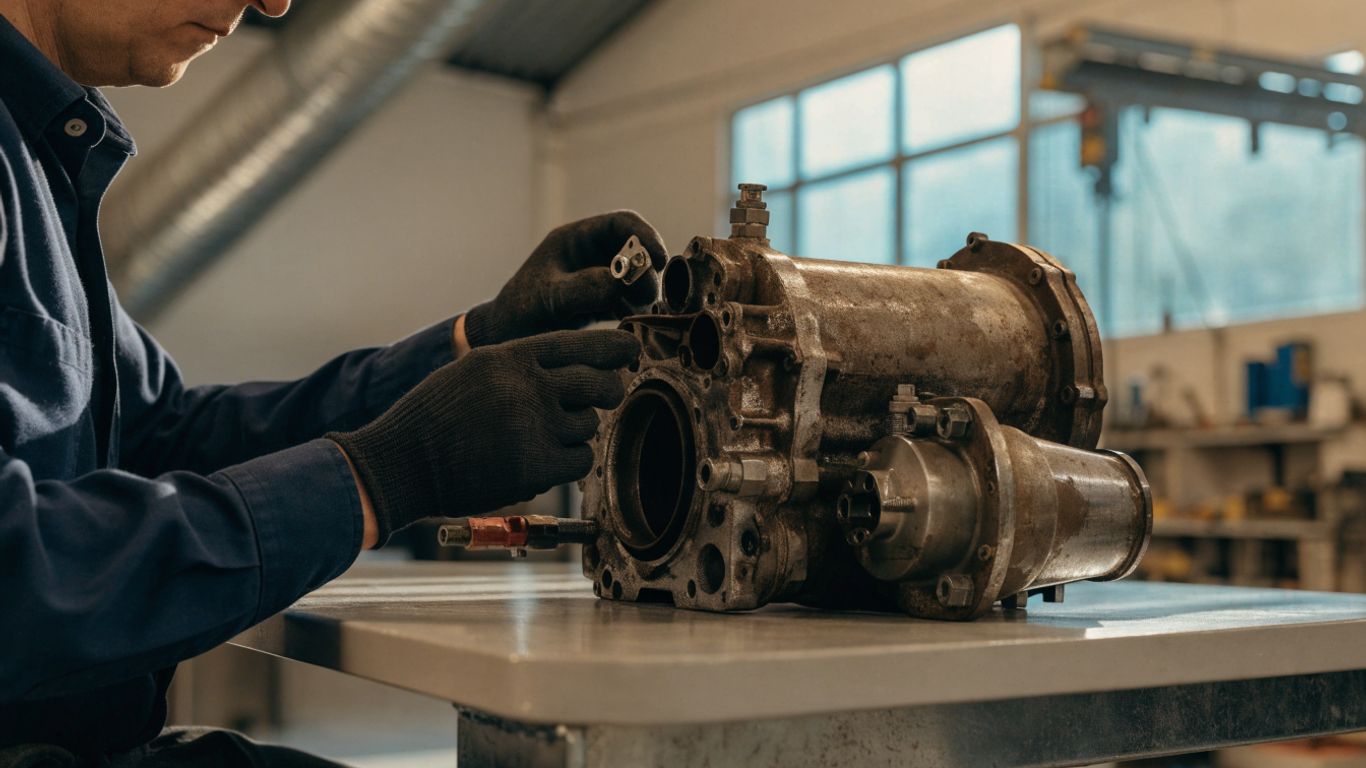
Ask what inspection or testing was performed and whether the seller can provide written notes or records. Find out whether the unit was evaluated before removal, after removal, or both, and what the checks can and cannot establish. If a seller offers inspection notes, review them before paying; a general claim that a unit is tested is less informative than a description of the work performed.
How mileage claims and donor records are documented
Ask how the mileage was obtained and whether it is tied to the donor vehicle’s records. A seller may be able to provide identifying details or documentation that helps explain the figure, but the available records can vary. Keep a copy of any mileage statement and donor information you receive so the basis for the claim is clear.
What the warranty covers and excludes
Read the warranty for its duration, covered parts, exclusions, and any conditions that must be met during installation. Some terms may require professional installation, particular fluids, or proof that related components were addressed. Check whether labor, towing, or consequential costs are excluded; a parts warranty does not necessarily pay every expense if a problem arises.
How return policies handle incompatible or defective units
A warranty and a return policy are not the same thing. Ask how soon you must report a mismatch or defect, who pays return freight, and whether the unit must remain uninstalled for a return to be accepted. Get those details before purchase, since a heavy part can be costly and difficult to send back once it has been fitted.
Calculate the full installed cost
The purchase price is only one part of the bill. Delivery, shop labor, installation supplies, taxes, and any required related work can shift the overall value considerably. Build a complete estimate before deciding that one option is cheaper than another.
Estimate shipping, core charges, and taxes
Ask for a written breakdown that separates the transmission price from shipping, taxes, and any core charge. Confirm whether a core charge is refundable and what condition the returned part must be in. Lead times and order conditions matter in many kinds of purchasing; even floating cover orders make clear why it helps to check production timing, minimums, and quote validity rather than assume every price is final.
Compare shop labor and installation requirements
Ask the repair shop for an estimate based on the specific unit and vehicle, not a generic transmission replacement. Confirm whether the estimate includes removal, installation, diagnostics, programming if needed, and any additional work the shop expects. You can also ask whether the shop has requirements for parts or installation that could affect warranty eligibility.
Budget for fluids, seals, and related parts
Small additional items are easy to overlook when you are focused on the transmission itself. Before setting your budget, ask the repairer which fluids, seals, filters, or related parts may be needed for the job. Use a short checklist to make sure the estimate covers the likely expenses:
- Shipping, handling, and applicable taxes
- Core charge and any return freight
- Shop labor and required diagnostics
- Fluids, seals, and related replacement parts
Once those costs are included, compare the resulting total rather than the advertised part price. That is a more realistic basis for deciding whether the deal works for your budget.
Weigh the total cost against repair or replacement alternatives
Ask a qualified repairer whether repairing the existing transmission is a practical alternative and what the likely cost and scope would be. Compare that estimate with the installed cost of a used unit and any other replacement option, taking warranty terms and known condition into account. A diagnostic visit can help distinguish a transmission problem from another issue; for a different repair trade, Choate HVAC service similarly describes diagnostics alongside repair and replacement advice.
Buy and prepare for installation
Once the fitment and costs are clear, slow down long enough to check the transaction details. Keep your order information, written assurances, and delivery plans together so you can respond quickly if the shipment differs from what you bought. A little preparation before the truck arrives can prevent avoidable delays at the repair shop.
Review the seller’s terms before payment
Read the quote, warranty, return policy, and shipping terms before paying. Confirm the exact transmission specification, what is included, the total charges, and any conditions that affect coverage. If a promise matters to your decision, ask the seller to put it in writing rather than relying on a phone conversation alone.
Arrange safe delivery and inspect the shipment
Confirm the delivery address, unloading arrangements, and who will be available to receive the unit. When it arrives, inspect the packaging and transmission for visible damage before signing or disposing of shipping materials, and follow the carrier’s process for noting damage. Contact the seller promptly if the unit is missing parts or does not match the order.
Keep records for warranty claims
Save the invoice, quote, compatibility confirmation, warranty, shipping paperwork, and any condition or mileage records. Keep installation invoices and relevant communications too, since the warranty may require proof of how the unit was installed or maintained. A tidy file makes it easier to explain the issue and meet any reporting deadline.
Follow break-in and maintenance recommendations
Follow the vehicle maker’s and installer’s instructions for fluids, setup, and any post-installation checks. Ask the repair shop whether the unit has specific break-in or maintenance recommendations and keep a record of the work performed. Do not assume every used transmission follows the same procedure; instructions should be specific to the unit and vehicle.
Conclusion
Finding the best price used transmissions takes more than locating the lowest number: verify the match, review the evidence and written terms, and compare the full installed cost. A careful check before purchase is usually easier than resolving a fitment, delivery, or warranty problem after the unit is on its way.
Frequently Asked Questions
How much does a used transmission usually cost?
Prices vary with the vehicle, transmission type, condition, mileage information, availability, and shipping distance. Ask for an itemized quote and compare the complete installed cost rather than relying on a single advertised price.
Is a used transmission worth buying?
It may be a practical option when the unit fits, its condition and history are sufficiently documented, and the total cost suits your needs. Compare it with repair and other replacement options using advice from a qualified repairer.
How do I know if a used transmission will fit my car?
Confirm the transmission code, drivetrain, and vehicle configuration, and provide the seller with the full VIN. Ask for written fitment confirmation, especially if the vehicle has been modified.
What should I ask about a transmission’s mileage?
Ask how the mileage was recorded and whether the seller can provide donor vehicle details or supporting records. Keep any documentation that explains the claim.
What should a warranty for a used transmission cover?
Review the coverage period, covered parts, exclusions, installation requirements, and steps for making a claim. Check whether labor, freight, or related costs are excluded rather than assuming they are included.
Can I return a used transmission if it does not fit?
That depends on the seller’s written return policy. Before paying, check the deadline, the unit’s required condition, who pays return shipping, and whether installation affects eligibility.
What costs should I include beyond the transmission price?
Include shipping, taxes, any core charge, shop labor, diagnostics, fluids, seals, and other parts the installation requires. Ask the repair shop for a vehicle-specific estimate so the comparison reflects the likely total.