

Key Takeaways
A gearbox rebuild can be a sensible way to restore a vehicle, but the final value depends on the diagnosis, parts, workmanship, and warranty. A clear written scope helps you compare options without focusing on the lowest number alone.
- Ask what will be inspected, repaired, and replaced before authorizing work.
- Compare rebuild, used, and remanufactured options against the vehicle’s condition and value.
- Request an itemized estimate and agree how additional work will be approved.
- Follow the shop’s guidance on fluid, break-in, and service intervals.
- Keep invoices and repair records in case you need to make a warranty claim.
What an affordable gearbox rebuild includes
A rebuild generally involves removing and disassembling the gearbox, inspecting its components, and repairing or replacing parts that are worn or damaged. The exact scope depends on the design and what the inspection reveals, so two vehicles with similar symptoms may need different work. A useful estimate explains the planned steps rather than promising a complete restoration for a flat price before inspection.
Which parts are inspected, repaired, or replaced
A technician may examine gears, shafts, bearings, seals, and other components for wear, damage, or excess movement. Parts that remain within the applicable service limits may be reused, while damaged or excessively worn items may need repair or replacement. Ask the shop to explain how it will decide; the inspection findings should shape the parts list, not assumptions based on a symptom alone.
How cleaning and reassembly fit into the process
Once the gearbox is apart, cleaning helps make surfaces and components easier to inspect and prepare for reassembly. The technician then fits suitable components and assembles the unit according to the relevant specifications and repair requirements. A careful process also includes checking that parts fit and move as intended, rather than simply closing the casing after replacing one obvious failure.
What testing should happen before the gearbox is returned
The shop should explain what checks it performs after reassembly and before the gearbox is returned or installed. The appropriate test depends on the gearbox and the repair; it may include checking operation, noise, leaks, or other concerns identified during diagnosis. Ask for a plain-language description of the checks and what the results mean, especially if the unit is tested outside the vehicle.
How rebuilds differ from basic repairs
A basic repair usually addresses a specific fault without necessarily taking the whole gearbox apart. A rebuild involves broader disassembly and inspection, with a wider scope of work that can only be confirmed once components are accessible. That difference matters when comparing estimates: a quote for replacing a seal is not directly comparable to a quote for a full teardown and rebuild.
What affects the cost of a gearbox rebuild
There is no single price that applies to every vehicle or gearbox. The final amount depends on the unit’s design, the damage found inside, the parts needed, and the labor involved. Before treating any advertised range as a budget, compare it with an estimate for your own vehicle and its confirmed condition.
Vehicle type and gearbox design
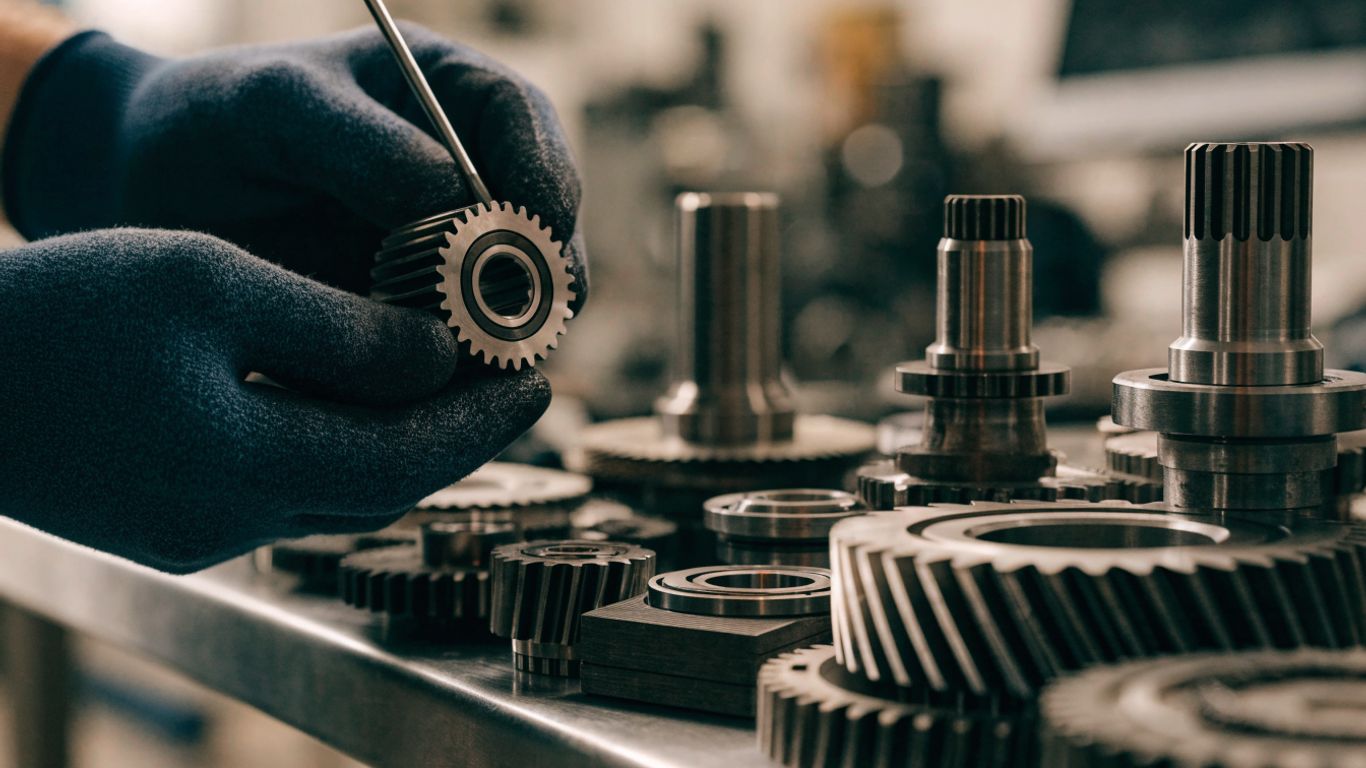
Different vehicle and gearbox designs can require different removal, disassembly, and reassembly work. Access can also affect the time needed to reach the unit, while specialized designs may have different parts requirements. A broad gearbox rebuild cost guide can help frame the questions to ask, but it cannot determine the cost for a specific vehicle without a diagnosis.
The extent of internal damage
The damage discovered after disassembly is one of the main reasons an initial estimate may change. A problem limited to a replaceable component can have a different scope from damage affecting multiple internal parts. Ask whether the shop will contact you with its findings and a revised estimate before proceeding with work beyond the amount you have authorized.
Parts availability and quality
Parts prices and availability vary by gearbox and by the components required. A shop may offer different suitable part options, but the estimate should identify what is included and explain any relevant differences in warranty or sourcing. This comparison can be clearer when the quote separates the main cost categories:
| Estimate item | What to clarify | Why it matters |
|---|---|---|
| Parts | Which components are included and their source | The parts list defines the scope of replacement |
| Labor | What removal, inspection, and assembly work is covered | The same parts list can involve different labor scopes |
| Additional work | What is excluded or conditional on inspection | These items may change the final total |
| Warranty | What parts and labor coverage applies | Coverage is part of the value, not just the price |
Use the table as a prompt for questions, not as a substitute for a vehicle-specific quote. A lower parts figure may not be the better value if the estimate omits work or provides less coverage; compare like with like.
Labor rates, location, and shop expertise
Labor costs vary with location, the vehicle, and the work required. A shop’s experience with the specific gearbox can also help it diagnose the fault and explain the repair scope, though experience alone does not guarantee a particular outcome. If a quote seems unusually low, ask what labor, checks, or parts have been left out before deciding.
How to decide between rebuilding and replacing
A rebuild is not automatically the best choice, and replacement is not always the more expensive option once all costs are considered. Compare the gearbox’s condition with the vehicle’s overall state and the terms of each available option. The right decision is the one that fits your budget, intended use, and appetite for repair risk.
When a rebuild can be the better value
A rebuild may make sense when the gearbox can be repaired reliably and the rest of the vehicle remains suitable for continued use. It may also allow the shop to address the damage found inside rather than relying on the unknown history of another unit. Ask what the rebuild covers, what remains outside its scope, and what warranty applies before weighing the price.
When a used or remanufactured gearbox makes sense
A used unit may have a lower upfront cost, but its condition and history can be uncertain unless they are documented. A remanufactured gearbox may come with a defined process and warranty, but terms vary by supplier and installation requirements. Compare availability, fitment, included parts, labor, and warranty details rather than relying on the label alone.
How to compare repair estimates with replacement costs
Request estimates that use the same assumptions: what is being supplied, which labor steps are included, and whether removal, installation, fluids, and testing are covered. For a replacement, ask whether the quoted unit is used or remanufactured and what warranty comes with it. For a rebuild, ask how the price can change if inspection uncovers more damage; a meaningful comparison includes those possibilities.
What to consider for an older or high-mileage vehicle
Consider the vehicle’s overall condition, expected future use, and other repairs likely to be needed. Spending more on a gearbox may not be sensible if the vehicle has several major issues, but mileage alone does not decide the question. A mechanic who can assess the whole vehicle can help you compare the repair with the cost and practicalities of moving on to another vehicle.
How to find a reliable shop at a fair price
A fair quote is specific enough to explain what the shop intends to do and what could change the price. Look for clear communication about diagnosis, parts, testing, and warranty rather than relying on a low headline figure. Asking the same questions of each shop makes differences easier to spot.
What to look for in gearbox repair experience
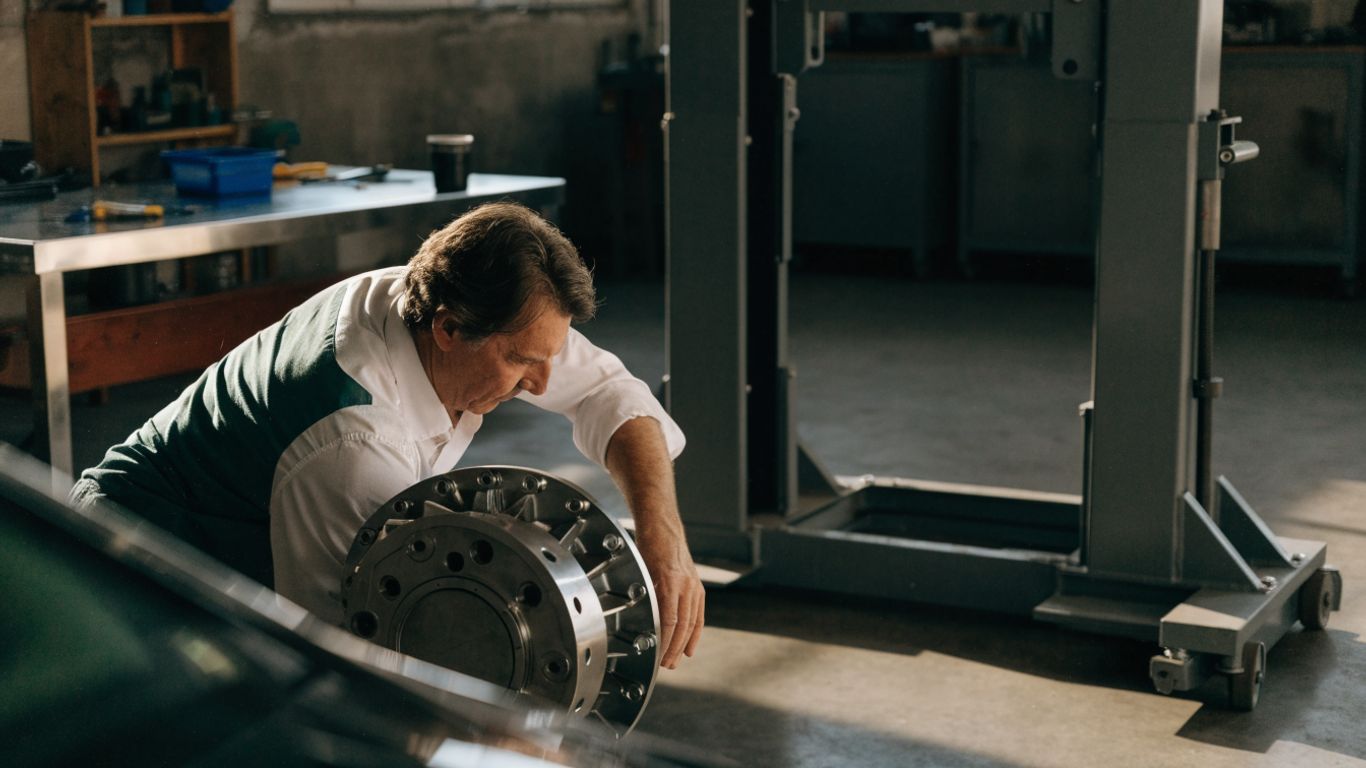
Ask whether the shop regularly works on your vehicle’s gearbox type and how it handles diagnosis before recommending a rebuild. A useful answer explains the inspection process and the information the shop will share if it finds additional damage. You can also ask what experience the technician or shop has with the particular unit, without treating a broad claim as proof of quality.
Which details to request in a written estimate
A written estimate should make it possible to see what is included before work begins. Ask for a breakdown that names the diagnostic findings, proposed work, parts, labor, exclusions, and the process for authorizing changes. Written scope is useful in any service decision; for comparison, people may also look at the stated scope of construction project management, face recognition cameras, defacto India Payroll, team-building events, or an Ultimify Trial Day—though those services are unrelated to vehicle repair.
Use the estimate to identify unanswered questions, such as whether installation and testing are included or billed separately. A quote that spells out assumptions gives you a better basis for comparing another shop’s offer and is less likely to create confusion later.
How to compare parts, labor, and warranty coverage
Compare each estimate line by line, including the parts specified, labor scope, and warranty terms. Check whether coverage applies to both parts and labor, how long it lasts, and whether there are conditions for maintaining it. A higher quote may include more work or broader coverage, so compare the written terms rather than choosing by total alone.
Which warning signs may point to a low-quality quote
Be cautious if a shop promises a final price before inspecting the gearbox, cannot explain what the quote includes, or pressures you to approve work without a clear diagnosis. A quote that omits warranty terms or does not explain how extra damage will be handled also deserves follow-up. One short repair and maintenance overview can offer general context, but your estimate should still address your specific gearbox and symptoms.
How to avoid unexpected costs during the rebuild
Some cost changes are unavoidable because internal damage may not be visible until disassembly. Others can be reduced with clear authorization rules and regular communication. Agree in advance how the shop will document new findings, revise the estimate, and wait for your approval before adding work.
Confirming the diagnosis before authorizing work
Ask what evidence supports the diagnosis and whether other faults could cause the same symptoms. Depending on the vehicle, the issue may involve something outside the gearbox, so understand what checks the shop has completed before agreeing to a rebuild. A diagnostic explanation helps you assess whether the proposed work addresses the likely cause rather than just the symptom.
Asking about additional damage found during disassembly
Before work starts, ask how the shop will contact you if it finds additional damage and what details it will provide. Request a description of the affected parts, the proposed next step, and the revised cost. If practical, ask whether the shop can show you the damaged component or provide a clear explanation before you decide.
Checking for related clutch, fluid, or seal issues
Some concerns that appear to be gearbox problems may involve related components or maintenance needs. Ask whether the estimate includes checking any relevant clutch parts, seals, or fluid condition, and whether related work is necessary or optional. Making these distinctions early helps you understand what is essential to the repair and what can be considered separately.
Getting approval before extra parts or labor are added
Set a spending limit or approval process before authorizing the initial work. A short written list can make the arrangement easy to remember:
- Ask the shop to pause if the estimate needs to change.
- Request the reason for any additional parts or labor.
- Agree on a revised total before the shop continues.
- Keep a copy of each approved change with the original estimate.
This process does not prevent new damage from being discovered, but it gives you a chance to make an informed decision before extra costs are incurred. Keep the conversation and approvals in writing where possible.
How to protect your rebuilt gearbox
Once the gearbox is back in service, follow the instructions provided for that repair and vehicle. Good habits cannot guarantee that a component will never fail, but they can help you meet service requirements and notice problems early. Keep the shop’s guidance and warranty paperwork together so you can refer to the exact terms.
Following the shop’s break-in recommendations
Ask whether the rebuilt unit needs a break-in period and request instructions suited to the work performed. If the shop gives limits on load, speed, or driving conditions, follow them for the stated period. Avoid substituting general advice from another vehicle or gearbox for the instructions that apply to your repair.
Using the specified fluid and service intervals
Use the fluid specification recommended for the vehicle and gearbox, and confirm the correct service interval with the shop or vehicle documentation. The wrong fluid or an overdue service may affect operation and could complicate a warranty claim. Keep receipts for fluid and maintenance work, especially when the warranty requires specific servicing.
Watching for leaks, noise, or shifting changes
After the repair, pay attention to new leaks, unusual noises, or a change in how the vehicle shifts. If something seems different, note when it happens and contact the shop promptly rather than waiting for the issue to worsen. A clear description of the symptoms can help the technician assess what needs checking.
Keeping records to support warranty claims
Save the estimate, final invoice, parts details, warranty terms, and records of follow-up maintenance. Note the date and mileage for each visit, and keep written communications about any concern after the repair. Organized records make it easier to show what work was performed and whether the stated warranty conditions were followed.
Conclusion
An affordable gearbox rebuild is about more than finding the lowest quote: it means understanding the diagnosis, comparing a clearly defined scope, and agreeing how additional work will be handled. Ask direct questions, consider rebuilding alongside replacement options, and follow the shop’s maintenance guidance after the repair. Those steps help you make a more informed decision while protecting your budget and the work performed.
Frequently Asked Questions
How much does a gearbox rebuild usually cost?
The price varies with the vehicle, gearbox design, parts required, labor, and damage found during inspection. Ask for an estimate based on your specific vehicle rather than relying on a general price range.
How long does a gearbox rebuild take?
Timing depends on the amount of work, parts availability, and the shop’s schedule. Ask for an expected timeframe and whether the estimate depends on inspection findings or delivery of particular parts.
Is rebuilding a gearbox better than replacing it?
It depends on the gearbox’s condition, the cost and warranty of each option, and the overall state of the vehicle. Compare written estimates that describe the same scope as closely as possible.
Can a gearbox be rebuilt after severe internal damage?
Sometimes, but the shop must inspect the unit to determine whether repair is practical. Extensive damage or unavailable parts can change the cost or make replacement a more suitable option.
What should a gearbox rebuild estimate include?
It should identify the proposed work, parts, labor, exclusions, warranty terms, and how additional findings will be handled. Confirm whether removal, installation, fluid, and testing are included.
Should I keep driving with gearbox problems?
That depends on the symptoms and their severity. If the vehicle is slipping, making unusual noises, leaking fluid, or becoming difficult to control, contact a qualified shop for advice rather than continuing to drive without assessment.
How can I help a rebuilt gearbox last?
Follow the shop’s break-in and maintenance instructions, use the specified fluid, and respond promptly to new leaks, noises, or shifting changes. Keep records of the repair and subsequent servicing.