Key Takeaways
A certified used gearbox can be a sensible replacement, but the word “certified” only helps when the supplier explains what it means. Verify the exact fit, inspect the paperwork, and price the complete repair rather than the part alone.
- Match the gearbox using the VIN, transmission code, and part number.
- Ask what inspection, testing, and grading the certification includes.
- Read warranty exclusions, labor conditions, and return deadlines carefully.
- Confirm fluid, seal, bearing, gear, and contamination checks before buying.
- Treat installation quality and documentation as part of gearbox reliability.
What certified used gearboxes are and how certification works
Certified used gearboxes are factory-built units removed from another vehicle and sold after a defined inspection or testing process. That label does not automatically mean the gearbox has been rebuilt or that every internal component is new. The useful question is what the supplier actually checked, how the unit was tested, and what support follows the sale. A written standard is more valuable than a reassuring adjective.
Used, rebuilt, remanufactured, and certified compared
A used gearbox generally remains in the condition in which it was removed, aside from cleaning and testing. A rebuilt unit has been opened and repaired with selected replacement parts, while a remanufactured unit is restored to a documented manufacturing standard, often with more extensive replacement and testing. “Certified” describes a supplier’s verification process, so it can apply to a used unit without changing its basic category.
That distinction affects expectations. A certified used unit may offer a practical balance between price and availability, but its remaining service life depends on mileage, maintenance, storage, and the donor vehicle’s history. Ask for those details instead of assuming certification means remanufacturing.
What inspection and testing should include
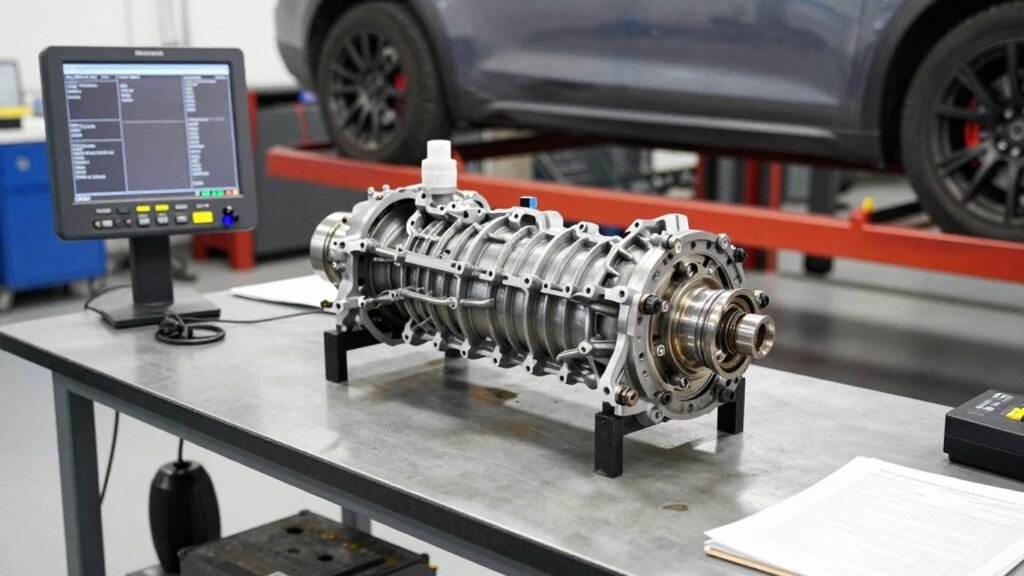
A meaningful inspection should look beyond the casing. The supplier should be able to explain whether the gearbox was run-tested, checked for abnormal noise, examined for leaks, and graded according to visible wear. If the unit was opened, the report should identify which parts were measured, replaced, or rejected.
The report should also identify the donor vehicle or at least provide traceable stock information. For broader context, Fraser Engines describes certified used transmissions as receiving a 9-point inspection intended to meet or exceed OEM specifications. That is a supplier-specific standard, not a universal definition, so compare the actual checklist with the gearbox you are considering.
How certification standards vary between suppliers
There is no single meaning of certification across the used-parts market. One supplier may require a run test and visual grading; another may include fluid analysis, pressure checks, or a longer quality-control process. Some reports are detailed enough to show measurements and test conditions, while others simply mark a unit as inspected.
When comparing suppliers, consider how much information they disclose and how readily they answer technical questions. Verisure Auto Parts describes used transmissions as inspected, tested, warranty-backed, and sourced through certified salvage yards; those are useful points to verify in any supplier’s own documentation rather than assumptions to transfer to every seller.
Why certification matters for fit, performance, and reliability
Certification cannot correct a mismatched part, but a disciplined process can reduce uncertainty about the unit’s condition. It also gives you a reference point if the gearbox arrives with damage or behaves differently from the report. A traceable inspection record turns a vague promise into something you can discuss with the seller and installer.
The best certification language is specific: it states what was tested, what was found, and what warranty applies. If the seller will not provide those basics, treat the label as marketing rather than evidence.
How to identify the correct replacement gearbox
Correct identification begins before you compare prices. The same vehicle badge can cover several gearboxes, drivetrains, engines, and regional configurations, and a visual resemblance is not enough. Gather the vehicle and part information first, then ask the supplier to confirm the match in writing.
Matching the gearbox to your vehicle’s make, model, and year
Make, model, and year are useful starting points, but they rarely settle fitment by themselves. A mid-year production change, trim package, or engine option can alter the transmission assembly or its controls. Give the supplier the complete vehicle description, including body style and powertrain where known.
A seller that responds with only “fits your model” has not shown enough. Ask which configuration the replacement came from and whether the mounting points, sensors, control unit, and torque converter or clutch arrangement correspond to your vehicle.
Using the VIN, transmission code, and part number
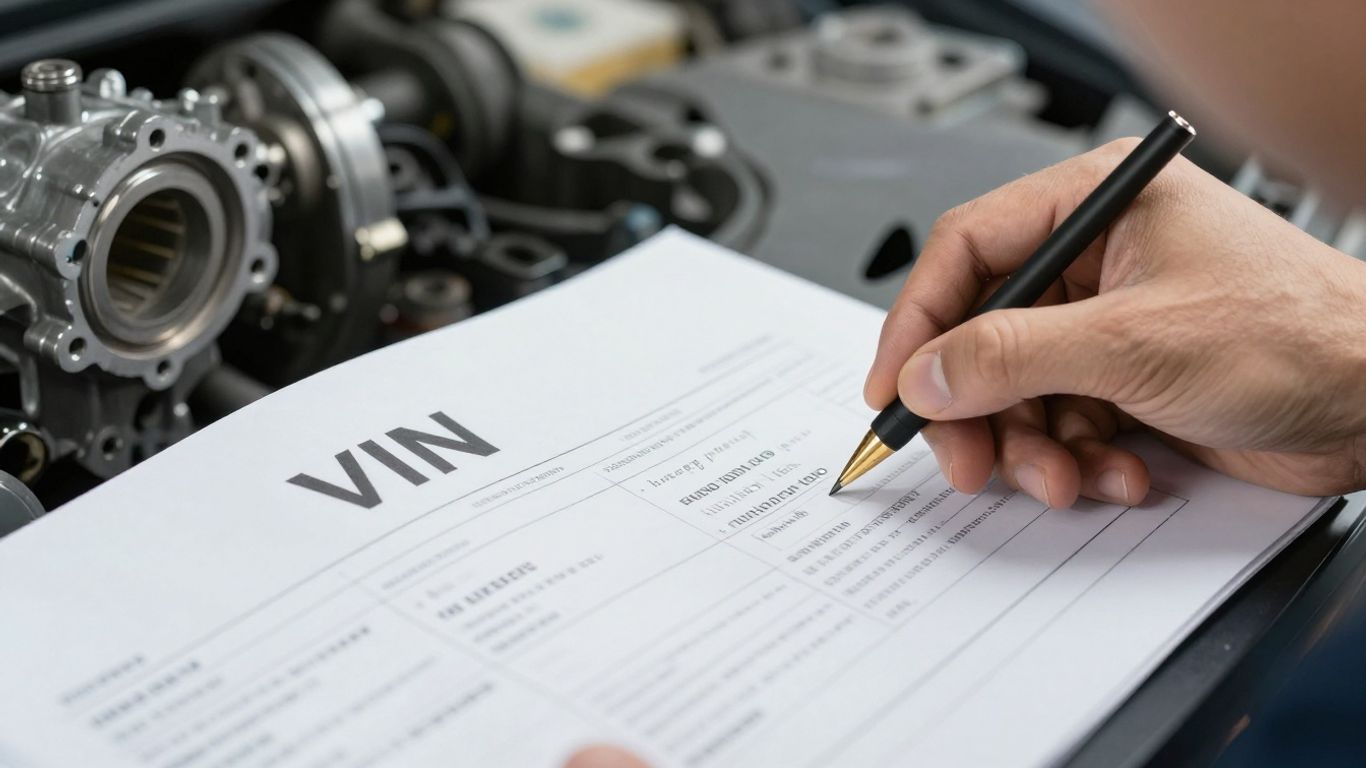
The 17-digit VIN can narrow the vehicle’s factory configuration, while the transmission code and stamped or cast part number can identify the gearbox more precisely. Photographing the old unit’s labels and markings is often worthwhile, especially when the vehicle has already had drivetrain work.
Use the VIN as a verification tool, not as a substitute for every other identifier. Premium Used Auto Parts describes units as VIN verified and run-tested, an approach that illustrates why exact-fit confirmation is more useful than relying on a broad year-and-model search.
Checking drivetrain, engine, and axle compatibility
The gearbox must work with the engine’s output, the vehicle’s drivetrain layout, and the axle or final-drive ratio. Front-wheel-drive, rear-wheel-drive, four-wheel-drive, and all-wheel-drive versions may use different housings, transfer arrangements, or electronic controls. Even when the case looks similar, internal ratios or connectors can make a replacement unsuitable.
Have the installer compare the replacement with the old unit before removing the vehicle from the bay. That small step can expose differences in brackets, sensors, shafts, or cooler connections while the return process is still straightforward.
Avoiding issues with regional and model-year variations
Regional emissions equipment, calibration, wiring, and supplier-specific part revisions can create compatibility problems. A gearbox from another market may physically mount but still require controls or programming your vehicle does not use. Model-year ranges in online listings should therefore be treated as a lead, not a final answer.
Ask whether the listed range includes mid-year changes and whether software programming is required after installation. A precise answer is a sign that the supplier understands fitment; a vague answer deserves a second check.
What to evaluate before buying
Once fitment is established, shift attention to condition and evidence. Mileage is useful, but it is only one clue: a low-mileage unit stored badly may be less attractive than a higher-mileage unit with clear maintenance history. The purchase should leave you with enough information to judge both risk and recourse.
Reviewing mileage, age, and previous vehicle history
Ask for the donor vehicle’s mileage, model year, reason for dismantling, and any available maintenance or accident information. A vehicle retired after body damage may have a healthy drivetrain, while one removed after a mechanical failure deserves more scrutiny. Age also matters because seals, connectors, and stored fluids can deteriorate even when mileage is modest.
Do not treat a mileage figure as a guarantee of remaining life. It becomes more useful when paired with the donor history and a description of how the unit was stored and prepared for sale.
Confirming inspection reports and test results
Request the inspection sheet before ordering, not after a problem develops. It should state whether the gearbox was run-tested and identify observations such as noise, leaks, engagement quality, or visible damage. If the supplier offers a grade, ask what separates one grade from another.
A clear report also helps the installer establish a baseline when the part arrives. ETA Transmissions describes pre-owned transmissions as tested, certified, and warranty-backed, while also discussing OEM remanufactured units; that distinction is a useful reminder to confirm which category is actually being sold.
Checking fluid condition, seals, bearings, and gears
Fluid that is unusually dark, metallic, or contaminated can point to internal wear, though fluid appearance alone cannot diagnose every fault. The casing, cooler ports, seals, shafts, and mounting surfaces should be checked for cracks, impact marks, corrosion, and leaks. Where inspection access allows, bearings and gears should be examined for pitting, scoring, chipped teeth, or excessive play.
Ask how the gearbox was drained, cleaned, capped, and packaged. Contamination introduced during storage or shipping can undermine an otherwise acceptable unit, so preparation is part of the condition assessment.
Assessing supplier reputation and customer support
Reputation is not just a star rating. Look for clear contact details, useful technical answers, transparent stock descriptions, and a process for handling a mismatch or damaged delivery. Support matters especially when the part requires programming, a specific fluid, or a documented installation procedure.
Even unrelated parts retailers illustrate different levels of buyer guidance: Kiwi Sheepskins publishes a detailed buyer’s guide for sheepskin car seat covers, while Aquafilter components discusses replacement parts, installation, and maintenance support. The gearbox lesson is simple: favor suppliers that explain what buyers need to know before purchase.
Understanding warranties, returns, and total cost
A warranty can reduce financial risk, but it does not eliminate installation risk or compatibility work. Read the policy as part of the product, alongside the gearbox description and inspection report. The price you see online is only one line in the final repair bill.
Comparing warranty length and coverage limits
Compare the warranty period, mileage limit, covered components, and remedy offered. Some policies cover replacement parts only; others may provide an exchange, refund, or limited labor contribution. Find out when coverage begins and whether commercial, modified, racing, or fleet use is treated differently.
A longer term is not automatically better if the exclusions are broad. Put the key conditions beside the quoted price so you can compare protection rather than headline cost.
Reading exclusions, labor terms, and installation requirements
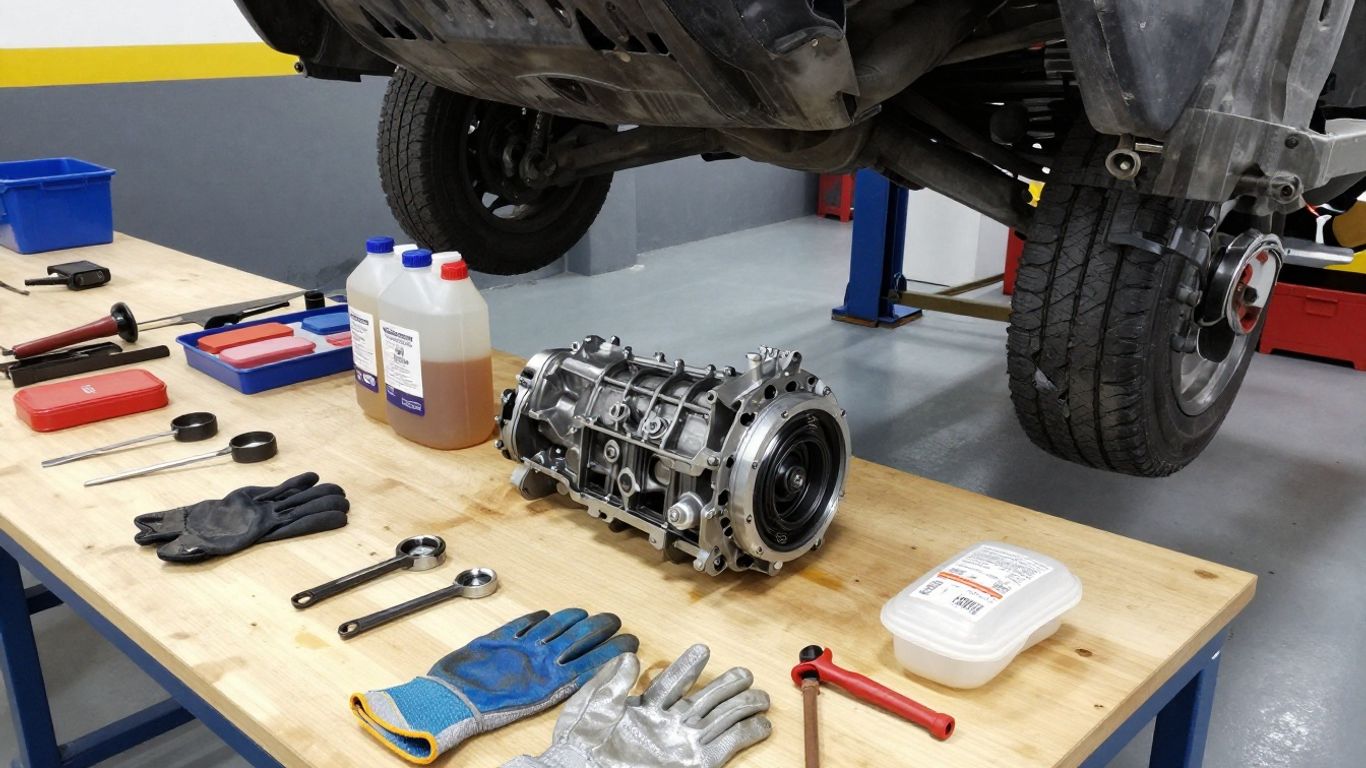
Many warranties require installation by a qualified shop, replacement of related components, use of specified fluids, or proof of a flush and cooler inspection. Some exclude labor, diagnostic charges, towing, programming, or consequential damage. These details can matter more than the stated duration.
Before work begins, ask the installer to review the policy. If the warranty requires a particular procedure, failing to follow it may leave you paying for a second removal and installation even when the replacement part itself is covered.
Evaluating shipping, core charges, and return policies
Shipping costs, residential delivery fees, packaging requirements, core charges, and restocking fees should all be included in the comparison. Confirm who pays return freight when the unit is defective, damaged, or incorrectly matched. Also check the inspection window: some suppliers require notice within a short period after delivery.
Keep the packaging and photograph the gearbox as it arrives. Those records can support a damage claim and make the return process less contentious.
Calculating the true cost versus rebuilding or buying new
Compare the replacement’s price with removal, installation, fluid, seals, programming, shipping, taxes, and the possible cost of returning a failed unit. Then compare that total with rebuilding the original gearbox or buying a new assembly. Flash IPTV Nordic is not relevant to gearbox selection, but its disclaimer illustrates why written terms matter: service scope, limitations, and user responsibilities should never be inferred from a general promise.
A used replacement may still be the sensible choice when the fit is verified and the warranty is practical. The right comparison is not “used versus new” in isolation; it is the total cost of each realistic repair path.
How installation affects gearbox reliability
A well-tested gearbox can fail early if installation leaves contamination, incorrect fluid, misalignment, or an unresolved vehicle fault. Installation should therefore be treated as a continuation of the inspection process. The shop needs the replacement unit’s documentation and the warranty conditions before work starts.
Preparing the vehicle before installation
Diagnose the original failure as far as possible rather than assuming the gearbox was the only problem. Inspect mounts, shafts, wiring, cooler lines, and the differential or transfer case where applicable. A failed cooler or damaged mount can affect the replacement and may also create a warranty dispute.
Clean mating surfaces and verify that the replacement is undamaged before fitting it. Confirming the part at this stage is much easier than discovering a mismatch after the vehicle is reassembled.
Replacing related components and consumables
Use new fluids, filters, seals, gaskets, and one-time-use fasteners where the vehicle or gearbox manufacturer requires them. Flush or replace cooler lines when contamination from the old failure could remain in the system. Check the torque converter, clutch components, mounts, and electrical connections for related wear.
The exact parts depend on the vehicle and failure mode, so the installer should follow the service information for that application. A cheap consumable is not a saving if it allows debris or a leak to damage the replacement.
Following fluid specifications and break-in procedures
Use the precise fluid specification rather than a generic substitute. The wrong fluid can affect hydraulic operation, clutch behavior, lubrication, or temperature control. Fill levels should be checked using the vehicle’s stated temperature and procedure, since some units are sensitive to how and when the level is measured.
If the supplier or vehicle manufacturer specifies an adaptation, programming, or break-in procedure, complete it and record the result. Gentle early driving and a follow-up leak check may also be appropriate, depending on the application.
A short technical demonstration can help explain the sequence, but it should supplement—not replace—the vehicle’s service information. Procedures vary substantially between gearbox families.
Documenting installation for warranty protection
Keep the invoice, VIN confirmation, inspection report, delivery photographs, fluid receipts, and installer’s notes together. Record the installation date, mileage, fluid specification, filter or seal replacement, and any programming performed. If a problem appears, contact the supplier promptly and follow the policy’s diagnostic instructions.
Good documentation does not make a defective part reliable, but it can prevent an avoidable argument about whether the warranty conditions were met.
Common risks and buying mistakes to avoid
The most expensive mistake is often made before the gearbox arrives. Buyers may focus on a low advertised price and overlook fitment evidence, return freight, or the labor involved in another installation. A calm, documented buying process reduces those risks without requiring specialist knowledge of every internal component.
Choosing the lowest price without verifying certification
A low price can reflect mileage, grade, missing accessories, limited coverage, or simply incomplete information. Ask what “certified” means in that listing and request the inspection or test record. If the seller cannot explain the standard, compare the unit as an uncertified used part rather than paying for an unproven label.
Buying a gearbox with incomplete compatibility details
Do not order from a listing that provides only a broad vehicle range when several engines, drivetrains, or transmission codes exist. Confirm the VIN, code, part number, connectors, mounts, and included components. A written fitment confirmation is especially valuable when the seller’s catalog uses overlapping model years.
Overlooking hidden damage and contamination
Photographs can miss cracks, bent housings, corrosion, impact damage, and contamination in cooler passages. Inspect the shipment immediately and report visible issues within the policy’s stated period. Ask how the unit was stored and protected, especially if it has been sitting for an extended time.
Failing to confirm return and warranty requirements
Before payment, understand the return window, authorization process, freight responsibility, core rules, labor exclusions, and required installer qualifications. Zone is an example from a different field where a program’s terms define access, equipment, and responsibilities; the broader buying habit applies here too: read the conditions before relying on the headline offer.
Conclusion
Reliable certified used gearboxes come from matching the right unit with clear evidence, realistic warranty terms, and careful installation. Verify the identifiers, ask precise questions, preserve every document, and compare the complete repair cost before committing. That process takes a little longer than choosing the cheapest listing, but it gives you a much better chance of a repair that works as expected.
Frequently Asked Questions
What does “certified used gearbox” mean?
It usually means a used gearbox has passed a supplier-defined inspection or test process. Because standards differ, ask for the exact checklist and test results.
Are certified used gearboxes the same as remanufactured units?
No. A certified used unit may remain largely in its original used condition, while a remanufactured unit is restored through a more extensive, defined process. Confirm the category in writing.
Is the VIN enough to choose a replacement gearbox?
The VIN is an important starting point, but the transmission code, part number, drivetrain, engine, and regional configuration may also be needed for an exact match.
What should a gearbox inspection report show?
It should explain the tests performed and record findings such as leaks, noise, visible damage, fluid condition, or operating performance. A simple “inspected” label gives little useful evidence.
Does a warranty usually cover installation labor?
Not necessarily. Many warranties cover the replacement part but exclude removal, installation, diagnosis, towing, or related damage. Read the labor terms before buying.
What should I do when the gearbox arrives?
Inspect the casing, ports, shafts, labels, and packaging before installation. Photograph any damage, compare the identifiers with your order, and notify the supplier within the required time.
Is a used gearbox cheaper than rebuilding the original?
It can be, but the answer depends on labor, shipping, warranty coverage, parts, programming, and the condition of the original unit. Compare the complete repair cost rather than the purchase price alone.