Key Takeaways
A gearbox problem is rarely diagnosed well from one symptom alone. A proper assessment combines the driver’s description with inspection, testing, electronic data, and mechanical checks.
- Diagnose the cause before approving major gearbox work.
- Treat grinding, slipping, leaks, burning smells, and warning lights as reasons to investigate.
- Make sure the assessment covers the transmission type fitted to your vehicle.
- Ask for a clear explanation of the fault, repair options, and likely costs.
- Compare repair, reconditioning, and replacement only after the evidence is clear.
What a gearbox diagnostic service in Australia involves
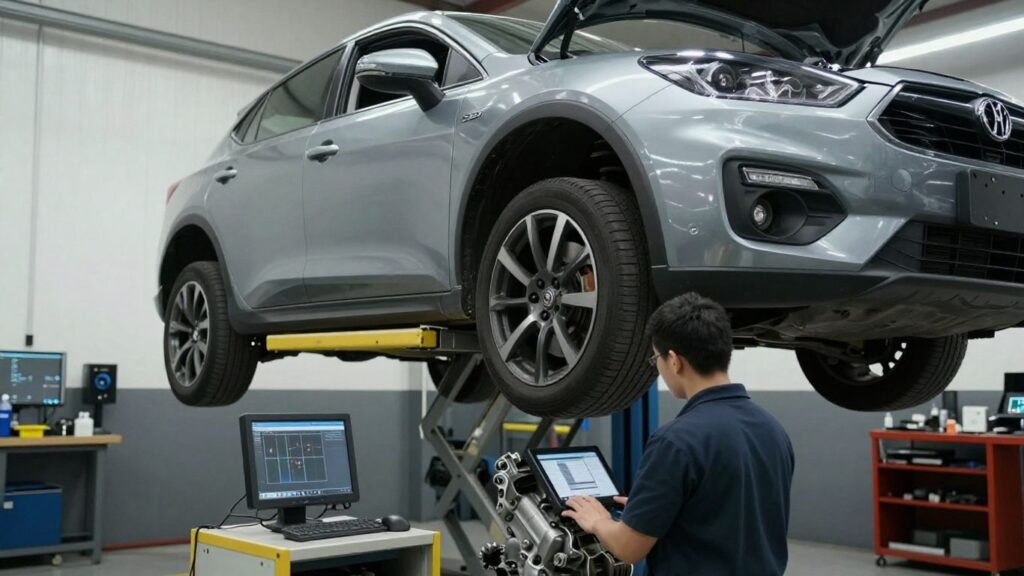
A gearbox diagnostic service Australia drivers can rely on should do more than connect a scan tool and print a fault code. It should establish what the vehicle is doing, when the symptom occurs, and whether the source is electronic, hydraulic, mechanical, or related to the clutch and drivetrain. The aim is to narrow the problem before parts are removed or replaced.
The difference between diagnosis, servicing, and repair
Diagnosis is the investigation: it identifies likely causes and confirms them where possible. Servicing is scheduled maintenance, such as inspecting components or replacing fluid and filters according to the transmission’s requirements. Repair involves correcting a confirmed fault, which may mean adjustment, component replacement, reconditioning, or a full replacement unit.
Confusing these stages can lead to unnecessary work. A fluid service may help a maintenance issue, but it will not automatically fix a worn clutch pack, damaged gearset, or failing electronic module. Likewise, a fault code is evidence to investigate, not by itself a complete repair instruction.
Why accurate fault identification matters
Transmission symptoms overlap. A harsh shift can involve fluid condition, a solenoid, adaptation values, engine performance, or internal wear. Hesitation may be caused by a simple issue rather than a complete gearbox failure, which is why accurate fault identification should come before a large repair estimate.
A useful report should explain the observed symptom, the tests performed, the fault found or suspected, and what remains uncertain. The advice in this gearbox diagnosis guide also illustrates why rushing into repairs can increase costs, particularly on complex automatic and European systems.
Common gearbox types covered by diagnostic services
A workshop may assess conventional automatics, continuously variable transmissions, manuals, automated manuals, and dual-clutch units. Each has different operating principles, fluid requirements, control systems, and failure patterns. The technician should confirm the exact transmission code or vehicle specification rather than assuming all gearboxes behave alike.
That distinction matters when interpreting scan data and planning a road test. A manual clutch complaint, for example, needs a different diagnostic path from a dual-clutch mechatronic fault or a conventional automatic with pressure-control problems.
When professional diagnostics are more reliable than basic troubleshooting
Basic checks can reveal an obvious leak, a low fluid level, or a damaged linkage, but they rarely establish the full cause of an intermittent or electronically managed fault. Professional equipment, controlled testing, and transmission-specific knowledge are especially useful when symptoms appear only when hot, under load, or during a particular shift.
A driver can record when the fault happens, whether the vehicle was cold or warm, and whether warning lights appeared. That information helps the technician, but it should support—not replace—a structured assessment.
Warning signs that your gearbox needs diagnosis
Some transmission faults begin quietly, with a small hesitation or faint noise. Others appear suddenly and make the vehicle difficult or unsafe to drive. The key is to notice a change from the vehicle’s normal behaviour and have it assessed before continued use turns a manageable issue into wider damage.
Unusual noises, vibrations, and grinding
Whining, clunking, humming, rattling, or grinding can come from bearings, gears, mounts, driveshaft components, or insufficient lubrication. The timing of the sound is useful: a noise in neutral differs from one under acceleration, while a vibration that follows road speed may not originate inside the gearbox at all.
Grinding during a manual gear change often points towards clutch release or synchroniser problems, although linkage adjustment can also matter. Do not try to mask a persistent noise with thicker fluid or additives without finding its source.
Delayed, harsh, or slipping gear changes
A delayed engagement after selecting drive or reverse, a sharp shift, or an engine flare between gears deserves attention. These symptoms can involve hydraulic pressure, fluid condition, sensors, software, solenoids, clutch wear, or internal damage.
Keep a simple record of the circumstances. Note whether the issue happens during cold starts, uphill driving, towing, stop-start traffic, or hard acceleration. Patterns often help separate a temperature-sensitive control fault from a constant mechanical problem.
Fluid leaks, burning smells, and overheating
Transmission fluid on the ground, a burnt odour, or a temperature warning should not be ignored. Fluid may escape from a seal, cooler line, pan, plug, or casing, and the visible location is not always the exact source. Low or degraded fluid can affect lubrication and hydraulic operation.
If the vehicle is overheating, losing drive, or producing smoke, stop in a safe place and arrange appropriate assistance. Continuing to drive can change the scope of the original fault and make diagnosis less reliable.
Dashboard warning lights and electronic faults
A transmission warning light, check-engine light, limp mode, or intermittent loss of selected gears may indicate a control-system problem. It may also be triggered by a related engine, voltage, communication, or sensor fault, so replacing a gearbox immediately is not a sound response to a light alone.
The scan should identify stored and current information, then relate it to the vehicle’s behaviour. Clearing codes without finding the cause only removes useful evidence and can make a later assessment harder.
How gearbox diagnostics are performed
A sound diagnostic process moves from broad information to focused testing. The technician first establishes the symptom, then tries to reproduce it, reads available electronic information, and checks physical components. No single step is sufficient for every transmission.
Initial inspection and customer symptom review
The assessment normally begins with the vehicle history and the driver’s account. Mileage, recent servicing, previous repairs, towing, water exposure, warning lights, and the exact point at which the problem began can all change the diagnostic direction.
The technician may also inspect mounts, wiring, visible leaks, fluid condition, battery voltage, and selector operation. These preliminary checks can uncover external causes before the gearbox itself is treated as the main suspect.
Road testing and performance assessment
A controlled road test helps reproduce the complaint under safe conditions. The technician may observe take-up, shift timing, lock-up behaviour, clutch engagement, vibration, engine speed, and what happens during acceleration or deceleration.
A road test is most useful when it is linked to a specific question. For example, does the fault occur only after warm-up, only in one gear, or only when the vehicle is asked to climb? Those observations guide the next test rather than encouraging guesswork.
Electronic scanning and fault-code analysis
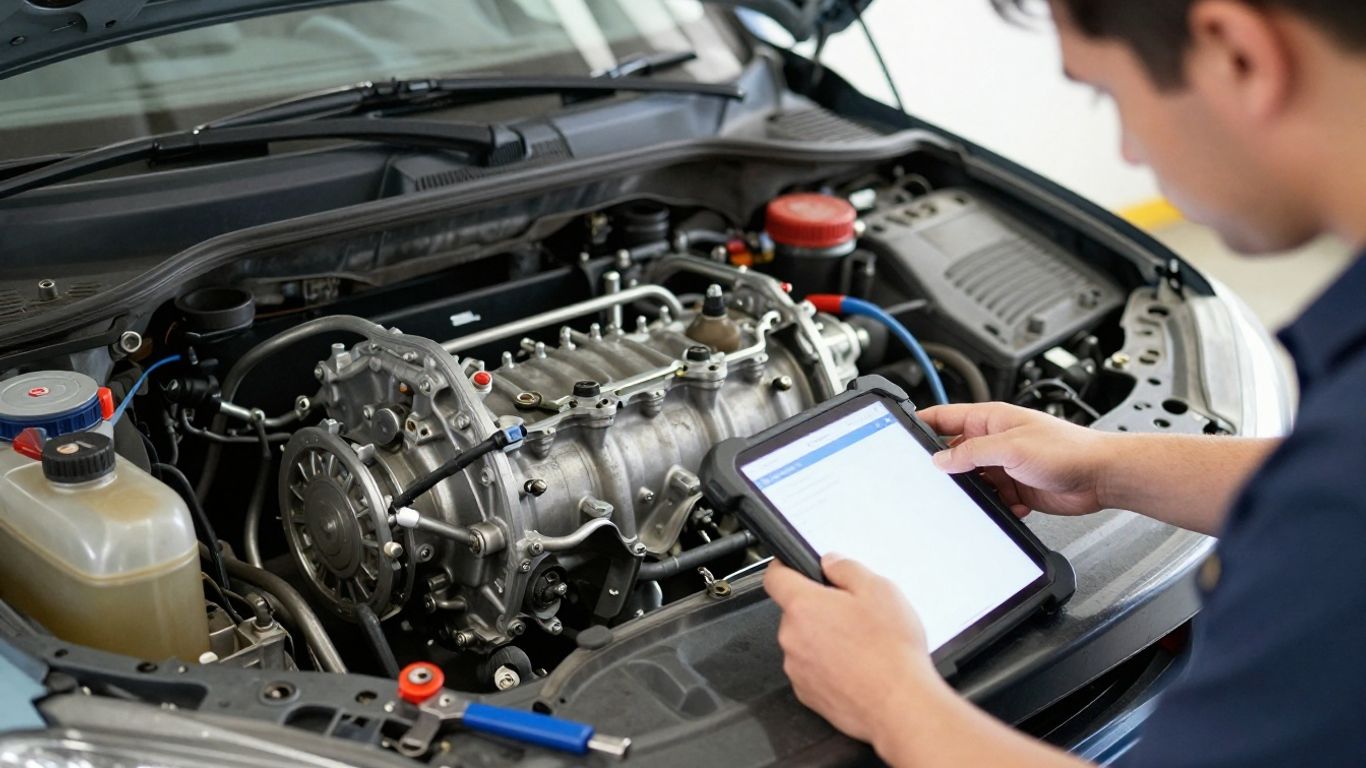
Modern transmissions use sensors, solenoids, control modules, and networked vehicle systems. A scan can reveal stored codes and operating data, but the code must be interpreted in context. It may identify a circuit or performance condition without proving which physical part has failed.
This is where transmission-specific equipment and software can be valuable. A complete assessment should record relevant data, check whether codes return, and compare electronic findings with the road-test symptoms. A video explanation of the process can also help, provided it is treated as general education rather than a diagnosis of one vehicle.
Fluid, linkage, and mechanical component checks
Physical inspection remains essential even when electronic data is available. Fluid level and condition, selector linkage, wiring connectors, cooler lines, mounts, clutch operation, and accessible mechanical parts may all affect shifting.
The result should distinguish confirmed findings from possibilities. If internal inspection or removal is required, the owner should understand what evidence justifies that step and what additional information it is expected to provide.
Diagnosing different gearbox problems
Different transmission designs fail in different ways, although their symptoms can look alike from the driver’s seat. The technician needs to identify the unit before choosing tests, fluid specifications, scan procedures, and repair methods. This is particularly important for vehicles with specialised control systems.
Automatic transmission faults
Automatic transmission complaints may involve delayed engagement, flare, harsh shifts, loss of reverse, or limp mode. Potential causes include fluid problems, pressure loss, solenoid faults, sensor readings, valve-body issues, clutch wear, and damaged internal components.
Diagnosis should avoid jumping from a symptom to a complete rebuild. Pressure testing, data review, fluid inspection, and a properly designed road test may narrow the fault considerably before major disassembly.
Manual gearbox and clutch-related issues
Manual vehicle problems are often divided between the gearbox and the clutch, but the two systems interact. Difficulty selecting a gear may come from clutch drag, hydraulic problems, a worn release mechanism, linkage faults, synchronisers, or internal gear damage.
The distinction affects cost and repair planning. A clutch that fails to disengage properly can make a healthy gearbox feel defective, while a gearbox that jumps out of gear or grinds despite correct clutch operation needs a different investigation.
Dual-clutch transmission problems
Dual-clutch units use electronically controlled clutches and gear-selection mechanisms. Shuddering, hesitation, warning lights, or loss of odd or even gears may relate to clutch adaptation, mechatronic control, fluid, sensors, or internal wear.
Because several systems work together, the assessment should include live data and operating conditions rather than relying on a generic code reader. Software updates or adaptations may be relevant in some cases, but they should follow a confirmed diagnostic direction.
European gearbox systems such as DSG and ZF
DSG and ZF systems have model-specific procedures, fluid requirements, and control strategies. A technician familiar with the exact unit can interpret symptoms more accurately and avoid applying a conventional-automatic process to a specialised transmission.
For background on European transmission servicing, DSG and ZF specialists discuss those systems and the importance of service intervals. European transmission service is another relevant reference for ZF EcoLife/EcoMat and Voith DIWA work, including diagnostics and overhauls. These references are useful context, but a vehicle still needs an individual assessment.
How to choose a gearbox diagnostic service in Australia
Choosing a workshop is not simply a matter of finding the lowest advertised price. Ask how the service is performed, what information you will receive, and whether the technician regularly works on the transmission in your vehicle. Location matters, but diagnostic depth matters more when a major repair may follow.
Checking technician experience and qualifications
Look for technicians who can explain the difference between a fault code, a symptom, and a confirmed failure. Experience with the vehicle’s transmission type is valuable, as is a willingness to discuss test steps without promising a result before inspection.
You can also ask whether the workshop has dealt with similar units, what information is included in the report, and whether a second assessment is recommended when the evidence is inconclusive. Clear answers are a better sign than confident guesses.
Comparing specialist workshops with general repair shops
A general repairer may be well placed for basic checks or routine maintenance, while a transmission specialist may have deeper experience with internal faults, adaptation procedures, and rebuild decisions. The right choice depends on the symptom and the complexity of the unit.
A local Sydney gearbox specialist may suit one driver, while transmission repair in Brisbane may be more relevant to another. The useful comparison is the process offered, not a slogan or a promise that every fault can be fixed immediately.
Evaluating diagnostic equipment and reporting
Ask whether the workshop can access the vehicle’s relevant transmission module and live data. Generic scanning may be helpful, but it may not provide the depth needed for every make or transmission. A proper report should connect the findings to recommended next steps.
For online service research, even unrelated booking or comparison pages can illustrate why transparent scope matters: fixed-price repair quotes are useful only when the included inspection, parts, labour, GST, and exclusions are clearly stated. Likewise, a discussion of transparent mortgage documents, manual scheduling costs, Medellin tour choices, CIPD Level 3 study, or a hair and colour update belongs to a different subject, but each demonstrates the same general lesson: read what is actually included rather than inferring more from a headline.
A diagnostic quote should be equally clear. It should state whether it includes scanning, road testing, fluid inspection, dismantling, and a written report, because these are not interchangeable services.
Considering location, warranty, and turnaround time
A convenient workshop can be helpful, especially if the vehicle is still mobile, but a serious fault may require towing. Check whether the diagnostic fee is separate from repair charges, whether findings are documented, and what warranty applies to any approved work.
Turnaround estimates should be realistic. Parts availability, specialist testing, vehicle access, and the need for a second approval can all affect timing. A careful delay is preferable to a rushed repair based on an untested assumption.
Understanding gearbox diagnostic costs and repair decisions
Diagnostic pricing varies because the work varies. A simple inspection and scan is different from an intermittent fault requiring a road test, live-data analysis, fluid checks, and mechanical investigation. The cheapest initial fee is not always the lowest overall cost if it produces no usable answer.
What influences the price of a diagnostic assessment
Factors include transmission type, vehicle access, scan-tool requirements, symptom complexity, road-test time, fluid inspection, and whether components need to be removed. Remote or intermittent faults generally take longer than an obvious leak or broken external linkage.
Ask for the assessment scope in writing. If further testing requires approval, the workshop should explain what the added step is intended to confirm and how much it is expected to cost.
When diagnostics can prevent unnecessary repairs
A careful assessment can separate a low-fluid condition, wiring fault, sensor issue, or solenoid problem from internal gearbox damage. It cannot guarantee a cheap outcome, but it can reduce the chance of replacing an expensive assembly without evidence.
The decision should be based on test results, vehicle condition, maintenance history, and the likely consequences of continuing to drive. If the workshop recommends major work, ask which findings make that recommendation necessary.
Comparing repair, reconditioning, and replacement options
Repair may suit a contained fault, while reconditioning involves restoring or rebuilding a transmission with appropriate parts and testing. Replacement may be considered when damage is extensive, a suitable unit is available, or the total cost and reliability make it the more practical choice.
| Option | Usually suits | Main question to ask |
|---|---|---|
| Targeted repair | A confirmed external or replaceable fault | What evidence isolates the failed component? |
| Reconditioning | Internal wear or broader component damage | What parts and testing are included? |
| Replacement | Extensive damage or an unsuitable repair path | What is the unit’s condition and warranty? |
The table is a starting point, not a recommendation. Compare the total price, warranty, expected service life, compatibility, and any related work required before choosing an option.
Questions to ask before approving gearbox work
Before authorising repairs, make sure the diagnosis and commercial terms are understandable. Useful questions include:
- What fault has been confirmed, and what remains only suspected?
- Which tests support the proposed repair?
- Is the quoted work a repair, reconditioning job, or replacement?
- What parts, labour, fluid, programming, and warranty are included?
These answers help turn a stressful repair into an informed decision. If the explanation changes from diagnosis to repair without new evidence, pause and ask what the additional finding was.
Conclusion
A gearbox problem is best handled as a process rather than a guess: document the symptoms, obtain a structured diagnosis, and compare repair paths only after the evidence is clear. That approach may not eliminate every expense, but it gives you a much better chance of avoiding unnecessary work and choosing a repair that suits the vehicle.
Frequently Asked Questions
What is included in a gearbox diagnostic service?
It may include a symptom review, visual inspection, road test, electronic scanning, fluid and linkage checks, and further mechanical testing where required. The exact scope should be confirmed before booking.
Can a scan tool diagnose a gearbox by itself?
Usually not. A scan tool can provide codes and operating data, but those findings need to be compared with symptoms, test conditions, and physical inspection.
Should I keep driving if my gearbox is slipping?
It is safer to limit driving and seek advice, particularly if there is loss of drive, overheating, a burning smell, severe noise, or a warning light. Continued use can worsen some faults.
How long does gearbox diagnosis take?
A straightforward assessment may be completed quickly, while intermittent faults or specialised transmissions can require more testing. Parts removal and additional approval can extend the timeframe.
Is a gearbox service the same as a gearbox repair?
No. Servicing is maintenance, while repair addresses a diagnosed fault. A service may help a maintenance-related problem but cannot be assumed to correct internal damage.
Is reconditioning better than replacing a gearbox?
Neither is always better. The appropriate choice depends on the confirmed damage, vehicle value, parts availability, warranty, and the total cost of each option.
What should I ask before approving a major repair?
Ask what has been confirmed, which tests support the recommendation, what is included in the quote, how long the work should take, and what warranty applies.