Key Takeaways
When your car fails to go into gear, understanding the underlying cause is crucial for timely repairs and preventing further damage to your vehicle. This guide breaks down common diagnostic areas to focus on when you encounter shifting trouble.
- Low or degraded transmission fluid often leads to poor hydraulic pressure and failed gear engagement.
- Faulty linkages or misaligned cables are simple, common points of failure that prevent the shifter from communicating with the gearbox.
- Modern vehicles rely heavily on complex control modules that can experience software errors or sensor failures affecting gear shifts.
- Mechanical components like clutch packs and torque converters require professional inspection to identify internal wear.
- Always prioritize safety by using parking brakes and professional diagnostic tools when isolating electrical or pressure issues.
Understanding transmission fluid issues
Transmission fluid is the lifeblood of your vehicle, providing the necessary hydraulic pressure to engage gears and cooling internal components. When levels drop or the fluid becomes contaminated, you might notice your automatic transmission won’t engage smoothly, leading to potential stalling during operation. Regularly monitoring these conditions can save you from invasive and expensive repairs later on.
Checking fluid levels and color
Most modern vehicles use a sealed system, but if your car has a dipstick, checking the level while the engine is warm is essential. The fluid should be a translucent red color, indicating that it is clean and functioning correctly. If you note it is dark, murky, or smells burnt, this is a common transmission problem indicative of internal overheating or debris buildup.
Risks of low or contaminated fluid
Operating a vehicle with low fluid pressure forces the transmission to struggle, often resulting in sluggish movement or a total lack of gear engagement. Contamination, often caused by metal shavings or external water intrusion, compromises the valve body and prevents solenoids from acting correctly. This neglect creates excessive internal friction and rapid component failure across the entire assembly.
The importance of regular transmission flushes
Preventative maintenance is the most effective way to ensure longevity, much like optimizing your equipment investment through structured maintenance cycles. Clean fluid maintains proper viscosity, ensuring that all internal seals and hydraulic paths remain unobstructed. Regular flushes remove accumulated particles, protecting sensitive machinery from blockages that commonly lead to shifting failure.
Evaluating linkage and cable problems
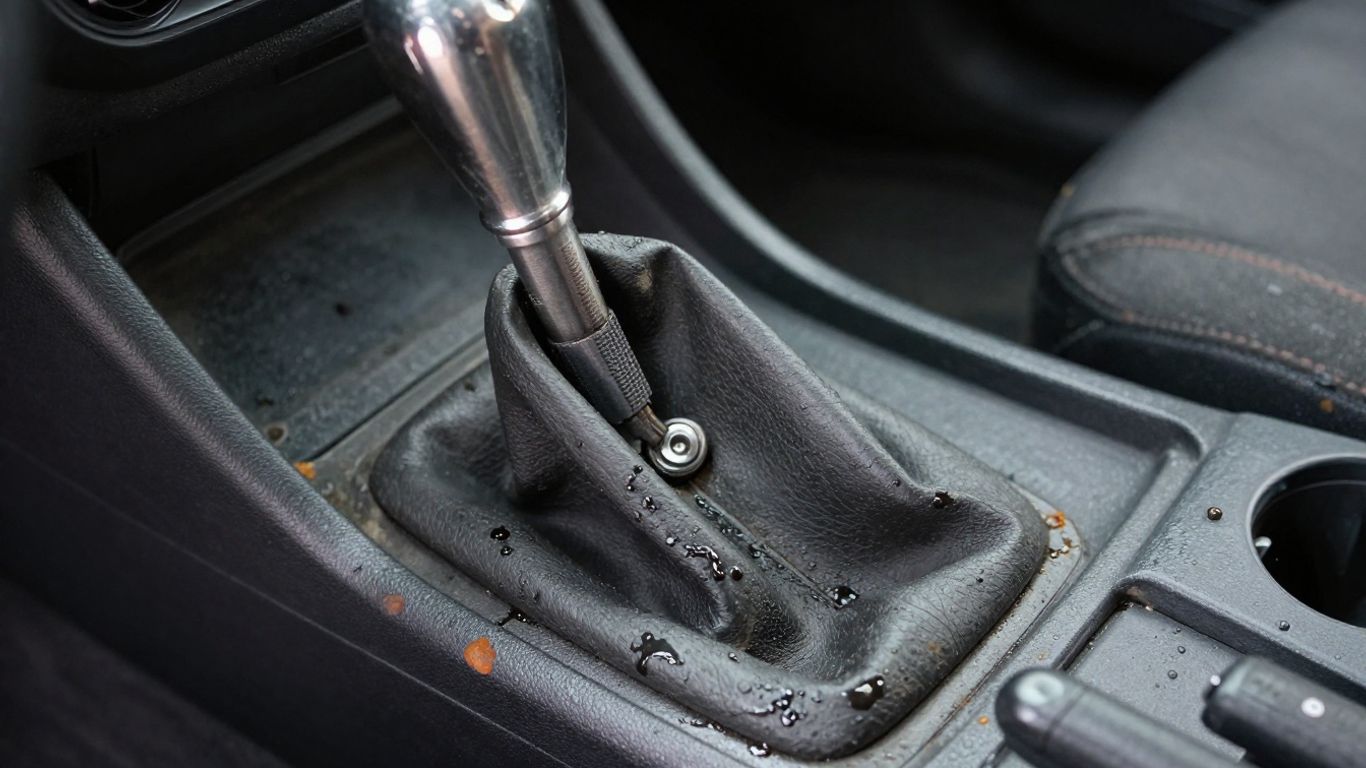
Sometimes the hardware connecting your shifter inside the cabin to the transmission itself fails to operate correctly. These cables or rods can stretch, snap, or loosen over time, preventing the signal from reaching the gear selector correctly. This creates a mechanical disconnect between your input and the car’s reaction, even when the internal transmission is healthy.
Identifying faulty shift cables or rods
Inspect the physical connection points underneath the vehicle to ensure that the cables are not frayed or detached. You might find that the rubber bushings holding the rods have deteriorated, causing excessive play in the lever. If you pull the handle but the transmission remains unresponsive, simple mechanical adjustment might be all you need.
Symptoms of misaligned gear shifters
Misalignment often feels like the shifter moves freely, but the position indicator on your dashboard does not match the actual gear engaged. A common sign includes:
- The dashboard indicator light remains lit for "Neutral" even when you move to "Drive."
- You hear a light grinding sound as the shifter fights to find the detent position.
- The vehicle rolls when you intend to park because the parking pawl did not fully seat.
- The engine starts in gears other than Park or Neutral unexpectedly.
Evaluating these signs helps to distinguish between a cable fault and a deeper electrical error. If the shifter feels loose or lacks resistance, look at the mounting hardware before assuming the transmission is internally broken.
Adjusting or replacing shift linkage components
Once the error is isolated to the linkage, adjustment often involves tightening mounting bolts or replacing stretched cables to restore tactile feedback. Some owners prefer to seek professional bathroom remodel level precision in their maintenance, ensuring every connection is seated perfectly. If components are worn beyond adjustment, full replacement is safer, as broken linkages can leave you stranded in an unsafe gear state.
Troubleshooting internal electrical faults
Modern vehicles are essentially rolling computers where every gear change is calculated and ordered by a central unit. If the electrical signals are interrupted or corrupted by software errors, the transmission may safely lock out gear selection to prevent physical damage. This makes finding the source of the glitch a delicate matter of signal paths and error codes.
Impact of faulty transmission control modules
Faulty modules can fail to send voltage to the solenoids, resulting in a dead transmission that refuses to shift. If the module cannot communicate with the ECU, the safety programming typically triggers a limp mode or completely prevents gear engagement. This electronic blockade is a common failure point that mimics mechanical destruction.
Role of speed sensors in shifting
Speed sensors provide the critical data the car needs to determine when to shift, ensuring that internal pressures match the current velocity. A faulty sensor might report zero speed even when you are moving, forcing the software to default to a neutral or safe state. When replacing these, ensure the wiring harness is secure and free from corrosion to maintain clean signal integrity.
Analyzing software glitches and ECU errors
Electronic anomalies can often be resolved with a diagnostic software update or by clearing stored error codes from the computer memory. If you are struggling with finances while dealing with these repairs, consider how you might leverage simple apps or rewards to offset costs or manage unexpected expenses. Never ignore a persistent check engine light, as it is often your first warning of a looming soft-fail in your transmission electronics.
Investigating mechanical failure indicators
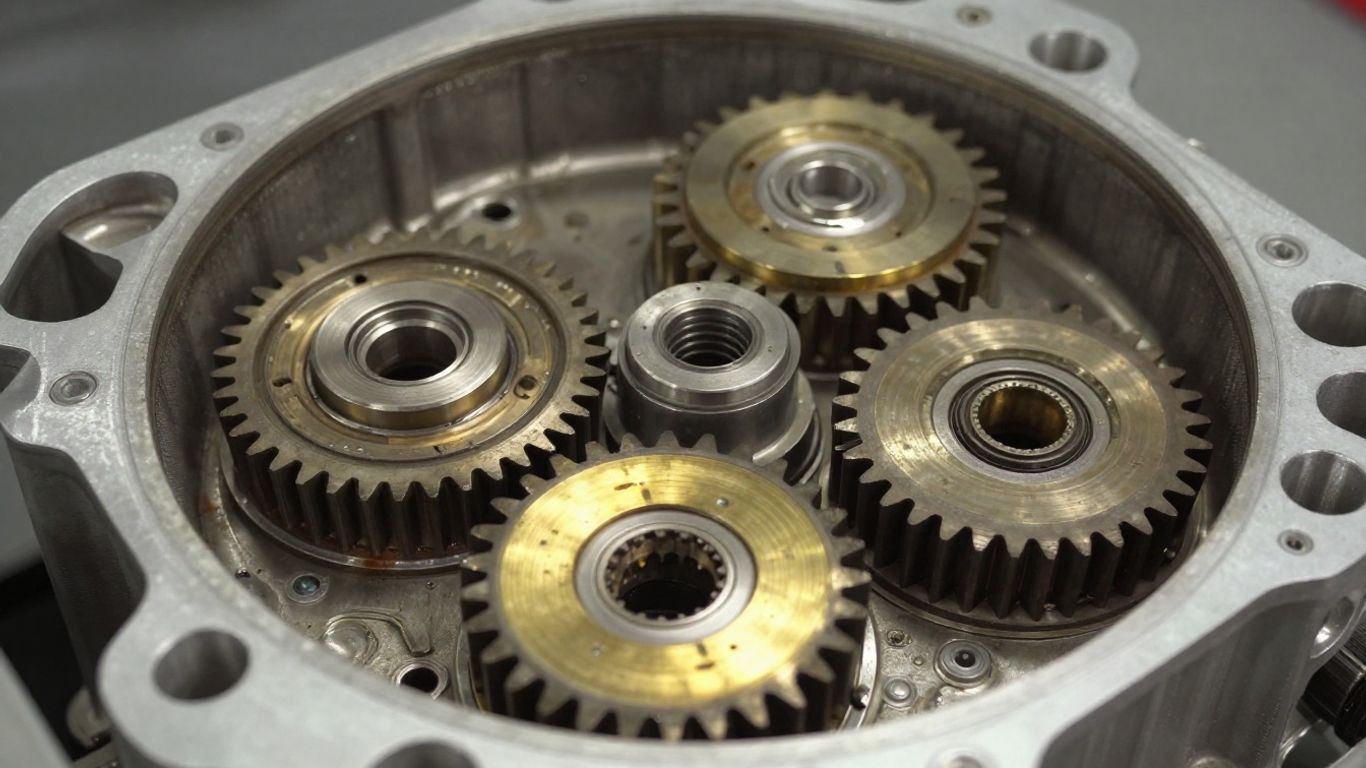
Mechanical failure within the transmission housing usually points to cumulative wear rather than an isolated sudden break. When components like the clutch packs or torque converter exceed their service life, they no longer have the friction necessary to transmit engine torque to the drive wheels. Detecting these signs early is vital, as internal damage often cascades throughout the gearbox, necessitating a full rebuild instead of a simple fix.
Recognizing signs of worn clutch packs
Clutch packs rely on specific friction material to lock gears into place under pressure. If these materials have worn down to the metal, you will experience slipping, high revs without acceleration, or a complete loss of power transfer. This is a common indication that the transmission requires professional disassembly and assessment.
The role of the torque converter
This device uses fluid dynamic rotation to transfer power from the engine, and a failing converter will often cause shuddering or stalling during gear engagement. If you notice a whining sound that changes pitch with engine load, the internal bearings of the converter may be failing. If you use Mecho parts for your vehicle repairs, you know the importance of a high-quality clutch and converter system to maintain consistent power delivery.
When to suspect internal gear damage
If you hear loud clunking or grinding noises when shifting, or if the transmission fluid contains abundant metallic debris, the gears themselves are likely damaged. This level of damage usually occurs after prolonged heating or repeated high-stress use without regular maintenance. A failed gear often causes a hard failure, where the shifting mechanism physically jams or completely fails to catch the drive shaft.
Identifying pressure and solenoid malfunctions
Line pressure is the physical force pushing against clutch plates and valve stems to enable gear movement. If this pressure drops below a factory-specified threshold, the transmission will fail to engage regardless of whether the gear is manually selected or electronically commanded. Solenoids act as the gatekeepers for this fluid throughout the valve body.
| Failure Type | Primary Symptom | Diagnostic Step |
|---|---|---|
| Low Line Pressure | Sluggish engagement | Pressure gauge test |
| Failed Solenoid | Stuck in one gear | Scan tool verification |
| Blocked Valve Body | No gear selection | Fluid pressure testing |
How low line pressure prevents engagement
The hydraulic system must maintain a rigid output to keep plates locked, and any leak in the valve body will sap that strength. You might compare this to Kiwi Sheepskins which are designed to provide a perfect fit; similarly, transmission seals must be exact, or they will leak pressure and prevent the system from engaging. Without stable pressure, the transmission is effectively disconnected from the engine.
Testing transmission solenoid performance
Solenoids are essentially electro-magnetic valves that open or close paths for fluid flow. Using a multimeter, technicians test the resistance of the solenoid coils to ensure they are not internally shorted. If a solenoid does not click when voltage is applied, or if it remains stuck open, the transmission will fail to reach the necessary pressure for that specific gear.
Identifying electrical shortages in the valve body
The valve body houses the complex network of pressurized channels and electronic actuators that control the entire unit. Shorts in the wiring harnesses inside the case can lead to inconsistent commands, causing the car to jump into wrong gears or refuse to shift at all. This requires careful inspection for burnt wiring and corroded terminals that disrupt the signal flow.
Safety precautions and professional inspection
Conducting transmission diagnostics around moving parts requires rigorous adherence to safety standards. If you are examining your vehicle, always block the wheels, ensure the parking brake is fully engaged, and never work underneath a vehicle supported only by a jack. When the task exceeds your specialized diagnostic equipment, it is time to seek professional expertise to avoid creating a new hazard.
When to seek immediate mechanical help
If you observe a strong burning smell or notice a large volume of red liquid puddling under the driveway, stop driving immediately. Continuing to operate the vehicle in this state can turn a simple leak into a catastrophic fire or a total transmission melt-down. When the dashboard lights up with multiple warning signals, the drivetrain management system is telling you it no longer trusts the mechanical input.
Essential safety steps while testing components
Always disconnect the battery before probing electrical sensors to prevent accidental shorts that might fry your control modules. When dealing with fluid, wear gloves and eye protection, as aged fluid contains harmful additives that cause irritation. Treating the transmission with the same caution you would give an engine rebuild ensures that you do not face further complications from improper handling.
Preparing criteria for a professional diagnostic scan
Before you take the car to a shop, write down the specific circumstances of the shifting failure, including cold versus hot weather conditions and any audible symptoms. This allows the technician to narrow their search, potentially saving hours of labor time. Knowing the common transmission problems in advance helps you ask better questions and understand the scope of the potential repair estimated by the shop.
Conclusion
Navigating the complexities of an automatic transmission that fails to shift requires a systematic approach, ranging from simple fluid inspections to advanced electronic diagnostics. By understanding how fluid pressure, linkages, and software modules interact, you can better monitor your vehicle’s health and distinguish between minor adjustments and major mechanical failures. Protecting your transmission through consistent maintenance and immediate attention to warning signs ultimately safeguards your investment and ensures reliable performance for years to come.
Frequently Asked Questions
Why does my transmission not engage only when the weather is extremely cold?
Cold temperatures increase the viscosity of transmission fluid, causing it to flow slowly through narrow filters and valve body passages. The internal rubber seals also contract, which can lead to temporary pressure drops until the fluid warms up to its operational temperature.
Can a low battery cause my transmission to stop engaging?
Yes, because modern transmission control modules require stable voltage to maintain communication with the engine. If your battery or alternator is failing, the inconsistent power can trigger error codes and place the transmission into a default safety mode, preventing gear engagement.
Are there any simple fixes for a transmission that won’t shift?
Yes, sometimes checking the transmission fluid level, inspecting the shift cable connections, or simply resetting the car computer by disconnecting the battery for a few minutes can resolve minor electronic glitches. However, these are only temporary or minor solutions and should not replace a professional evaluation if the problem persists.
How expensive is it to repair an engagement issue?
Repair costs vary significantly depending on whether the issue is caused by a simple external linkage adjustment, a software update, or an internal mechanical failure like a broken torque converter. Replacing external parts is generally inexpensive compared to the labor costs associated with removing, rebuilding, or replacing the entire transmission housing.
Should I check the fluid level if my car is leaking fluid?
Yes, but you should also refrain from driving the vehicle until the leak is located and repaired. Simply adding fluid to a leaking system is a short-term workaround that does not fix the underlying seal or line failure and could lead to overheating and further internal damage.
Does a dashboard check engine light always relate to transmission issues?
Not necessarily, but the engine and transmission computers are linked, so many transmission-related faults will trigger a check engine light. A professional diagnostic scan will provide specific trouble codes that define whether the issue is engine-based, electrical, or specifically located within the transmission assembly.
How often should I have the transmission fluid serviced?
Manufacturer recommendations vary widely, so you should consult your owner’s manual for specific mileage intervals. Generally, for vehicles that see high stress, heavy traffic, or towing, shorter service intervals are recommended to avoid premature component wear.