Key Takeaways
Identifying transmission trouble early is vital to maintaining your vehicle’s long-term health and avoiding expensive component replacements. These key signs help you catch problems before they evolve into full failures:
- Sudden changes in engine RPM that do not match current road speed.
- Noticeable delays when shifting from park into drive or reverse.
- Unusual grinding or whining sounds coming from the transmission area.
- A recurring, persistent hesitation when your car attempts to accelerate.
- Unexpected warning lights illuminating on your dashboard during travel.
Recognizing the initial signs of transmission slipping
The way a vehicle behaves on the open road often provides the earliest warning that something is amiss within its drivetrain. Drivers often brush off minor inconsistencies as simple quirks, but these behaviors can be the first indicators of a budding mechanical fault. Being proactive allows you to assess the state of your gearbox before the situation turns critical.
Identifying unexpected shifts in engine RPM
When your car is operating correctly, acceleration feels linear and tethered directly to the engine output. If you notice your engine RPM climbing significantly without a corresponding increase in your vehicle’s speed, this is a prime symptom. It often indicates that the transmission is struggling to maintain a solid gear connection. This experience, frequently detailed in resources like the 5 early signs of transmission problems, suggests that power is failing to reach the wheels effectively.
Detecting delays in gear engagement
Getting moving from a complete stop should be a seamless transition involving only a split-second pause. When the connection feels sluggish or requires a jarring engagement to move forward, the internal hydraulic systems may be lagging. This type of performance drop often points toward fluid pressure issues that inhibit smooth movement. Mister Transmission helps drivers understand how these engagement delays contribute to premature internal wear.
Monitoring unusual noises during acceleration
Sophisticated gearboxes should operate with subtle mechanical hums rather than audible complaints. If your drive is interrupted by grinding, whining, or metallic clicking sounds whenever the gears attempt to switch, you are hearing internal friction. Such noises are not normal operation and generally worsen as the internal components experience further fatigue. Listening closely to your drive train can often predict upcoming repairs.
Performance indicators of a faulty gearbox
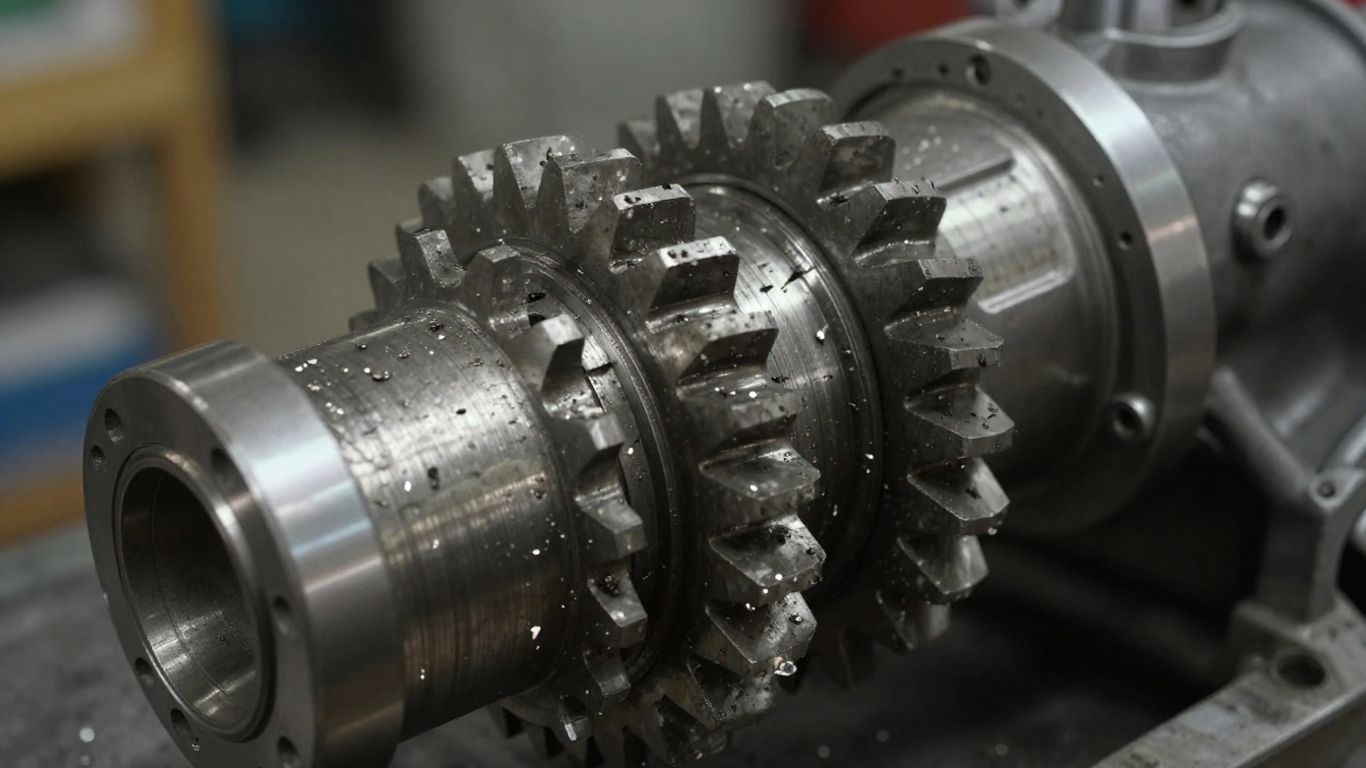
Performance degradation serves as a clear signal that the transmission is failing to process engine power into forward motion. These mechanical hiccups can make driving frustrating and occasionally unpredictable for the average operator. Keeping an eye on your vehicle’s daily habits helps owners evaluate when intervention is strictly necessary.
Assessing loss of power while driving
When your vehicle lacks the responsiveness it once had, the transmission might be losing power through internal slippage. This loss of direct drive capability can manifest during highway merging or while attempting to climb steep gradients under load. We can summarize the typical behavior changes and the corresponding mechanical implications in the following table:
| Symptom Type | Observable Behavior | Likely Mechanical Source |
|---|---|---|
| Power Loss | RPM flare without speed increase | Worn clutch components |
| Shift Hesitation | Jerking during gear changes | Low fluid pressure |
| Noise Issues | Audible metallic grinding | Internal mechanical fatigue |
By monitoring these three distinct areas of your driving experience, you can determine if a performance shortfall is tied to the transmission internals.
Experiencing vehicle hesitation when changing gears
Hesitation occurs when the vehicle seems to "pause" or stutter before finding the next gear in the sequence. It creates an uncomfortable sensation as if the car is debating whether to accelerate or stay in its current state. Relying on professional insights from experts at Matt’s Automotive Service Center can help you decide how soon to schedule an inspection. Addressing this lack of smooth transition is essential for maintaining control in heavy traffic.
Evaluating the impact on fuel efficiency
Inefficiency is a silent symptom that usually accompanies more severe gearbox failure. When a transmission fails to stay in its optimal gear, the engine must work harder and burn more fuel to reach desired speeds. A sudden, unexplained dip in your gas mileage can sometimes be the first measurable indicator of mechanical stress. Keeping track of your fuel economy is therefore a practical, data-driven way to watch for deeper drivetrain problems.
Mechanical causes behind slipping transmissions
Internal failure usually stems from a breakdown in how power is transferred through the gears. Fluid management and mechanical integrity are the two pillars that define a healthy transmission system. When these fail, the drive experience immediately reflects the underlying mechanical instability.
Low or contaminated transmission fluid
Transmission fluid serves as both a lubricant and a hydraulic medium that activates the clutch packs. Without proper fluid levels, the system loses the pressure required to hold the transmission in gear. Furthermore, if the fluid is burnt or filled with debris, it cannot perform its duties, leading to the 3 common signs transmission failure mentioned by professionals.
Worn out clutch packs or bands
Inside the gearbox, clutch packs engage and disengage gears to control speed ratios. Over time, these friction materials wear down, resulting in a loss of grip that directly causes the slippage feeling. Once the friction material is gone, the metal-on-metal wear accelerates, leading to irreversible damage that typically requires a rebuild or total replacement.
Malfunctioning torque converter components
As the link between the engine and the transmission, the torque converter must be flawless to ensure smooth power transfer. If its internal components, such as the lock-up solenoid, start to stick or fail, the vehicle might experience significant shuddering. This issue often makes it feel as though the car is struggling to settle into a steady cruising speed.
Faulty solenoid or sensor input
Modern transmissions depend heavily on computer-linked sensors for precise gear timing. A faulty sensor or damaged solenoid can misinterpret vehicle speed and load, triggering incorrect gear shifts. Maintaining these electronic inputs is just as important as changing the physical oil if you want the system to function correctly.
Diagnostic steps for verifying gear slippage
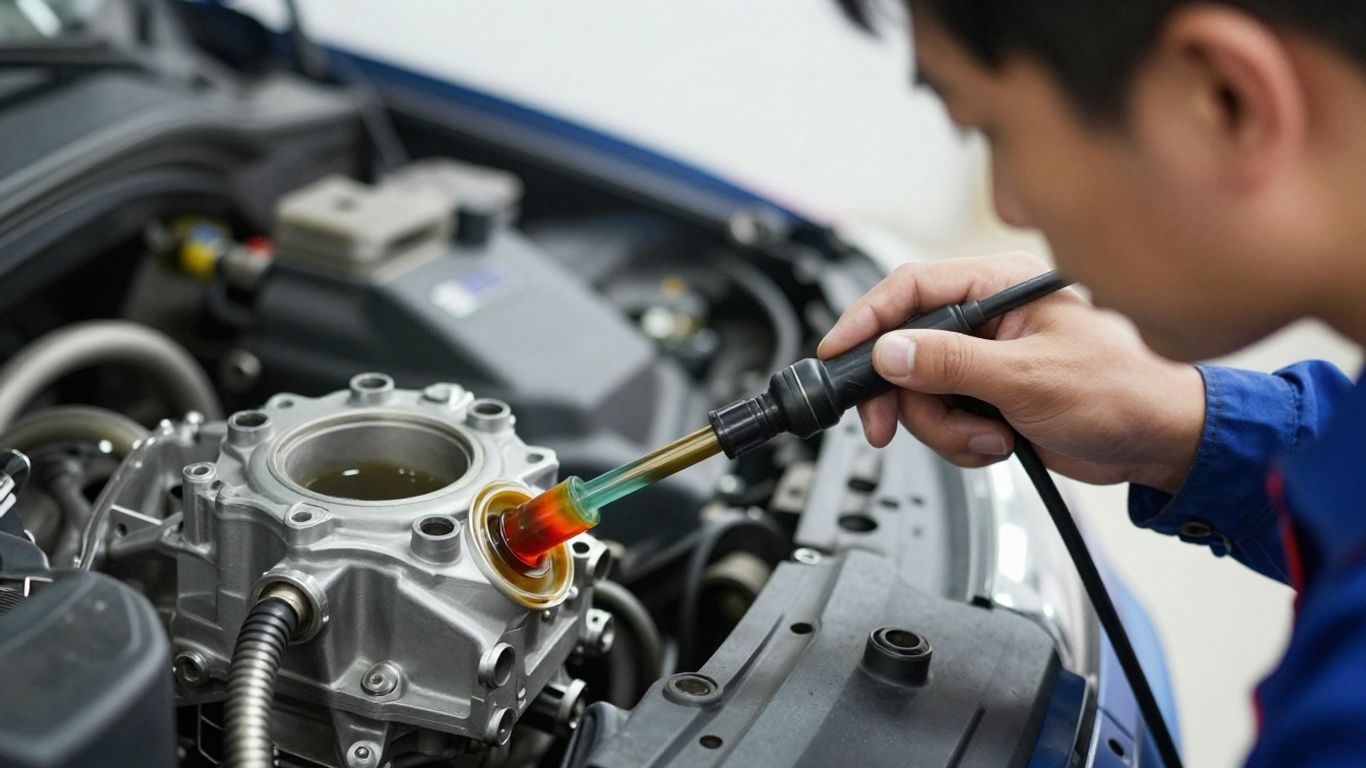
Determining exactly why your car is stalling or slipping requires a methodical approach to vehicle inspection. Skipping steps or guessing at the problem usually leads to redundant costs and temporary fixes that don’t address the primary failure. Professional diagnosis involves looking at both the physical state of the gearbox fluid and the electronic health of the onboard computers.
Checking transmission fluid levels and color
Healthy fluid should be bright red and relatively odorless. If it appears dark brown or releases a sharp, burnt aroma, the internal components have likely experienced extreme heat. Performing a simple visual dipstick check is the standard starting point for anyone investigating suspicious shifts.
Performing an onboard diagnostic scan
Today’s vehicles store codes specifically related to gearbox performance. Using an OBD-II scanner tool allows you to pull these error codes and pinpoint exactly which sensor or solenoid is failing. This provides a digital footprint of the behavior, simplifying the repair process significantly.
Road testing under varied driving conditions
Driving in different environments helps confirm if the slippage occurs during cold starts or only after the vehicle has fully warmed up. A controlled road test by a professional can differentiate between electronic glitching and actual mechanical wear within the clutch systems. This step ensures that the technical data analysis provided by your mechanic matches what you observe daily.
Safety risks of ignoring transmission symptoms
Ignoring the early warnings provided by your vehicle is a gamble that potentially compromises your personal safety. A transmission that fails while you are driving in high-speed traffic creates immediate danger for you and other motorists. It is rarely worth the risk of deferring maintenance once the symptoms escalate into noticeable performance drops.
Consequences of sudden loss of acceleration
Finding yourself unable to throttle out of a tight situation is a terrifying possibility. If a transmission slips into neutral unexpectedly, your vehicle loses the ability to move forward, which can leave you stranded in active lanes. In many residential or urban areas, professional roof care might be a priority for your home, but your car’s drivetrain remains the biggest safety variable on the road.
Risks of vehicle stalling in traffic
Stalling behaviors, especially at intersections, increase the risk of rear-end collisions. When a transmission fails to hold a gear, it may drop engine power so rapidly that the engine shuts down entirely. This total loss of control turns a simple mechanical problem into a significant emergency that requires immediate police or towing intervention.
Escalating repair costs from delayed maintenance
Minor repairs, such as replacing a solenoid or changing dirty fluid, are relatively inexpensive. However, if these repairs are ignored, the internal friction will eventually destroy the entire gearbox, leading to a much more expensive full transmission replacement. The cost of neglect is always higher than the cost of timely, routine service.
Immediate actions to take when symptoms appear
When you confirm that your car is showing clear signs of transmission trouble, you should alter your driving habits immediately. Continuing to operate a vehicle that is failing only compounds the severity of the damage, making the eventual repair far more complex. Taking decisive, logical steps will protect your vehicle’s value.
Limiting vehicle use to prevent further damage
Stop using the car for non-essential trips until you have at least received an initial professional assessment. Avoiding heavy acceleration—which puts significant strain on worn clutch packs—is the best way to prevent a total shutdown. You should also consider investigating local specialized TRT care or similar regional specialists for your other vehicle and health needs while your car is in the shop.
Consulting with a professional repair shop
Do not attempt a DIY transmission teardown unless you have specific, advanced training. A professional mechanic can run a comprehensive scope that an individual cannot replicate in a home garage. Many shops offer diagnostic packages designed to identify the exact source of your slipping issues without needing to replace the entire unit prematurely.
Determining repair versus replacement options
Once the diagnostic is finished, sit down with your lead technician to compare costs. If the damage is confined to a specific valve body or sensor, a component-level repair is often the most cost-effective path. Only when the internal hard parts are heavily scarred and beyond repair should you consider a full unit replacement or a remanufactured transmission.
Conclusion
Understanding the nuanced gearbox slipping symptoms is essential for any responsible vehicle owner. While an unexpected engine flare or a delayed shift might seem like a minor nuisance, they are usually your car’s way of asking for urgent professional attention. By prioritizing early detection, keeping up with fluid maintenance, and responding to mechanical warnings as they arise, you ensure that your vehicle remains a reliable tool for your daily life rather than a source of financial stress.
Frequently Asked Questions
Is it safe to drive with a slipping transmission?
Continuing to drive a vehicle with a slipping transmission is highly discouraged. The issue typically worsens rapidly, eventually leading to a complete breakdown that could strand you in a dangerous location.
What does the smell of burning toast indicate?
A burning smell coming from the transmission area usually points to degraded fluid that is no longer able to keep internal components cool. This heat indicates that friction is damaging the internal clutches and bands.
Can low fluid alone cause slipping?
Yes, low transmission fluid is a frequent culprit for gear engagement problems. Without sufficient fluid, the hydraulic pressure necessary to hold the gears in place drops, causing the transmission to slip during shifts.
How often should I have the transmission fluid changed?
Most manufacturers suggest changing your transmission fluid every 30,000 to 60,000 miles, but this varies based on your driving style. Check your owner’s manual to find the specific interval recommended for your vehicle.
Should I use an additive to fix the slipping?
While some additives might temporarily mask symptoms or smooth out minor behavior, they rarely fix the underlying mechanical cause. These products are usually a short-term patch rather than a permanent solution to internal wear.
Does a check engine light always mean the transmission is failing?
No, a check engine light can indicate a wide range of issues, but if it remains persistent and correlates with poor shifting, it is likely tied to a transmission sensor issue. Getting the codes read will give you a clearer answer.
What is a transmission solenoid?
A solenoid is an electronic control valve that regulates the flow of fluid through the transmission. It acts as an intermediary between the car’s computer and the mechanical shifting components, ensuring that gears change at the correct time.