Your Holden automatic transmission is a pretty complex piece of machinery. It’s easy to overlook little things until they become big, expensive problems. This article is here to help you spot some common issues before they get out of hand. We’ll go over the signs to watch for, what might be causing them, and what you can do to keep your Holden running smoothly.
Key Takeaways
- Pay attention to warning lights on your dashboard, especially the check engine light, as they can signal transmission trouble.
- Listen for unusual noises like whining, humming, or clunking, and be aware of burning smells, which often point to fluid issues or overheating.
- Noticeable changes in how your Holden automatic transmission shifts, like slipping, delayed engagement, or rough changes, need prompt attention.
- Regularly checking and maintaining your transmission fluid – ensuring it’s at the correct level and clean – is vital for preventing damage.
- Addressing minor leaks or issues quickly and getting professional inspections can save you from much larger, costlier repairs down the road.
Understanding Holden Automatic Transmission Warning Signs
Your Holden’s automatic transmission is a pretty complex piece of machinery, and sometimes it tries to tell you when something’s not quite right. Ignoring these signs can turn a small issue into a really expensive problem down the road, so it’s smart to know what to look out for. Think of these as your car’s way of tapping you on the shoulder before it starts yelling.
Illuminated Check Engine Light
This one’s a bit of a catch-all, but when that check engine light pops on, especially if it’s accompanied by other transmission symptoms, it’s definitely worth investigating. Your car’s computer is flagging an issue, and it could very well be related to the transmission’s performance or its electronic controls. It’s not always a transmission problem, but it’s often a good place to start.
- Diagnostic Trouble Codes (DTCs): The light means a code has been stored. A mechanic can read these codes to get a better idea of what’s going on.
- Transmission Control Module (TCM): Sometimes, the light indicates a problem with the TCM itself or its communication with other parts of the transmission.
- Sensor Issues: Faulty sensors related to speed, temperature, or fluid pressure can also trigger this light.
Don’t just ignore the check engine light. It’s your car’s way of saying ‘pay attention here!’ Getting the codes read is usually a quick and easy first step to figuring out if your transmission is the culprit.
Dashboard Warning Lights
Beyond the check engine light, there might be other specific indicators on your dashboard. These can vary by Holden model, but look out for anything that seems unusual or relates to your transmission system. Sometimes, there’s a dedicated transmission warning light, or perhaps a temperature warning if things are getting too hot.
Burning Transmission Fluid Smell
This is a pretty unmistakable sign that something is wrong. If you catch a smell like burnt toast or acrid oil, especially when you’re driving or just after you’ve stopped, it’s a strong indicator that your transmission fluid is overheating and breaking down. This can happen for a few reasons:
- Low Fluid Levels: Not enough fluid means less lubrication and cooling, leading to friction and heat.
- Contaminated Fluid: Old, dirty fluid doesn’t cool or lubricate effectively and can cause internal damage.
- Overworked Transmission: Heavy towing or aggressive driving can sometimes push the transmission beyond its limits, causing it to overheat.
- Cooling System Issues: Problems with the transmission cooler or its lines can prevent proper heat dissipation.
Common Holden Automatic Transmission Performance Issues
Sometimes, your Holden’s automatic transmission might start acting up, and it’s not always a dramatic failure. You might notice subtle changes in how it drives that can be pretty unsettling. Paying attention to these performance hiccups is key to catching problems early.
Transmission Slipping or Gears Not Engaging
This is a big one. You’ll feel it when the engine revs up, but the car doesn’t pick up speed like it should. It’s like the transmission is trying to grab a gear but just can’t quite get there. Sometimes, it might even feel like it’s popping out of gear unexpectedly. This can be caused by low transmission fluid, worn-out clutch packs, or issues with the torque converter. If you’re experiencing this, it’s a good idea to check your transmission fluid levels.
Delayed Gear Engagement
Ever notice a pause after you put your car into drive or reverse, and it takes a moment for the transmission to actually engage? That hesitation is a sign something’s not quite right. It could be related to fluid issues, like it being low or dirty, or it might point to internal problems within the transmission itself. It’s not just annoying; it can put extra stress on components.
Hard or Rough Shifting
When your Holden used to shift smoothly, and now it feels like it’s jerking or clunking into gear, that’s rough shifting. It can make the whole driving experience feel unpleasant. This often points to problems with the transmission fluid, the solenoids that control fluid flow, or even the transmission control module (TCM) that manages shifting.
Grinding or Shaking Sensations
If you hear grinding noises or feel a distinct shaking, especially when the transmission is trying to change gears, that’s a serious red flag. This usually indicates mechanical wear or damage inside the transmission. Think worn-out gears, bearings, or synchronizers. These issues need prompt attention before they lead to a complete breakdown.
Ignoring these performance issues can turn a minor repair into a major, expensive one. Early detection is your best friend when it comes to keeping your automatic transmission healthy and your Holden running smoothly.
Holden Automatic Transmission Fluid Concerns
Transmission fluid is like the lifeblood of your automatic gearbox. It’s not just about lubrication; it keeps things cool, helps with hydraulic pressure for shifting, and cleans internal parts. When this fluid isn’t right, your transmission can really suffer. Paying attention to your transmission fluid is one of the easiest ways to catch problems early.
Low Transmission Fluid Levels
Think of it like your car running low on oil. If the fluid level drops too much, the transmission can’t do its job properly. This can lead to overheating, increased wear on parts, and even slipping gears. You might notice the transmission acting sluggish or taking a while to shift into gear. It’s a good idea to check your fluid level regularly, especially if you’ve noticed any fluid leaks under the vehicle.
Contaminated or Burnt Transmission Fluid
Transmission fluid should be a bright red color and have a clean smell. If it looks dark brown or black, or if it smells burnt, that’s a big red flag. Burnt fluid usually means the transmission has been running too hot, which can damage internal components like clutches and seals. Contamination, like metal shavings or debris, means parts are wearing down faster than they should.
Here’s a quick rundown of what to look for:
- Color: Should be bright red. Dark brown or black means trouble.
- Smell: Should smell clean, not burnt. A burnt smell indicates overheating.
- Texture: Should be smooth. Gritty or metallic particles mean internal wear.
Transmission Fluid Leaks
Leaks are never a good sign. They can happen from seals, gaskets, or even the transmission cooler lines. If you see red or brown puddles under your car, especially after it’s been parked, it’s likely a transmission fluid leak. Not only does this lead to low fluid levels, but the leaking fluid can also attract dirt and debris, causing further contamination.
Ignoring transmission fluid issues can turn a small problem into a major, expensive repair. Regular checks and addressing leaks promptly are key to keeping your Holden’s automatic transmission running smoothly for years to come.
Addressing Holden Automatic Transmission Noises

Sometimes, your Holden’s automatic transmission might start making some odd sounds. It’s easy to just turn up the radio and ignore them, but these noises are often your transmission’s way of telling you something’s up. Paying attention to these sounds can save you a lot of hassle down the road.
Noises While in Neutral
If you notice strange sounds when your car is in neutral, it could point to issues with internal parts like bearings. It’s not always a major problem, but it’s definitely something to get checked out. Ignoring it might lead to more significant damage later on.
Whining or Humming Sounds
That persistent whining or humming noise you’re hearing? It might be related to the transmission fluid breaking down. This fluid is super important for keeping all those gears and parts lubricated. When it gets old or dirty, it loses its ability to do its job, and that friction can start to cause problems. Sometimes, it’s as simple as needing a fluid change, but it could also signal wear in components like the planetary gears or bearings. A professional diagnosis is key here to figure out the exact cause.
Clunking Noises During Operation
Clunking sounds, especially when you’re shifting gears or accelerating, can be a bit more concerning. This often suggests that an internal part might be worn out or damaged. It’s like a warning bell for potential gear or bearing failure. Don’t put off getting this checked; prompt attention can prevent more extensive damage.
Here’s a quick rundown of what might be happening:
- Bearing Wear: Internal bearings can wear down over time, leading to grinding or clunking.
- Gear Damage: Worn or chipped gears can make all sorts of unpleasant noises.
- Fluid Breakdown: As mentioned, old fluid can’t lubricate properly, causing parts to grind against each other.
When your transmission starts making unusual noises, it’s your vehicle’s way of communicating a potential issue. While some sounds might be minor and related to fluid condition, others can indicate significant internal wear or damage. It’s always best to err on the side of caution and have a qualified mechanic inspect your transmission to pinpoint the source of the noise and recommend the right course of action. Early detection is often the most cost-effective solution.
If you’re hearing any of these sounds, it’s a good idea to get your transmission fluid checked and consider a professional inspection. Addressing these noises early can help keep your Holden running smoothly for a long time.
Internal Holden Automatic Transmission Component Failures

Sometimes, the problems with your Holden’s automatic transmission aren’t just about fluid or simple adjustments. They can stem from actual parts inside the transmission wearing out or breaking. These internal issues can be a bit more serious and often require a professional to sort out.
Faulty Torque Converter Symptoms
The torque converter is like the transmission’s clutch, connecting the engine to the transmission. When it starts acting up, you might notice a few things. A common sign is a shuddering feeling, especially when you’re accelerating or the torque converter is trying to ‘lock up’ at cruising speeds. You might also feel like the transmission is slipping, or hear strange noises coming from the front of the car, almost like a grinding or a high-pitched whine. Ignoring these symptoms can lead to poor fuel economy and further damage.
Solenoid Issues and Their Impact
Inside your transmission, there are little electronic valves called solenoids. They control the flow of transmission fluid, telling the transmission when to shift gears. If one of these solenoids gets clogged, worn out, or just stops working right, it can mess with your shifting. You might experience really jerky shifts, delays when you put it in drive or reverse, or the transmission might get stuck in one gear. Sometimes, the ‘check engine’ light will come on because the transmission’s computer knows something’s not right.
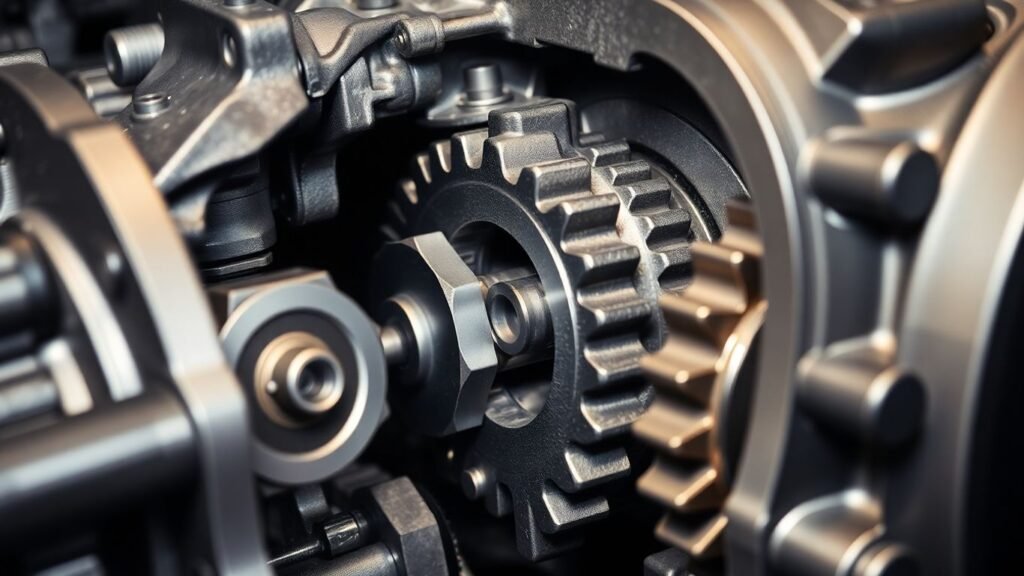
Damaged Gears and Bearings
This is where things get really mechanical. The transmission is full of gears and bearings that all work together. Over time, or due to lack of proper lubrication or hard driving, these parts can wear down or even break. If you hear grinding or clunking noises, especially when shifting or accelerating, it could be a sign of damaged gears. Worn bearings might make a whining or humming sound that changes with your speed. If gears are damaged, you might find the transmission slipping or having trouble engaging certain gears at all.
When internal components like gears, bearings, or the torque converter fail, it’s usually not a quick fix. These parts are deep inside the transmission, and getting to them means taking a lot of it apart. It’s often more cost-effective to have the transmission rebuilt or replaced rather than trying to patch up individual failed parts, especially if multiple components are affected.
Here’s a quick look at what might be going on:
- Torque Converter: Shuddering, slipping, strange noises.
- Solenoids: Jerky shifts, delayed engagement, stuck in gear, warning lights.
- Gears/Bearings: Grinding, clunking, whining, humming, slipping, or no engagement.
Preventative Maintenance for Your Holden Automatic Transmission
Taking care of your Holden’s automatic transmission isn’t just about fixing things when they break; it’s mostly about stopping them from breaking in the first place. Think of it like going to the doctor for check-ups instead of only going when you’re really sick. It saves you a lot of hassle and, honestly, a ton of money down the road.
Regular Transmission Fluid Service
This is probably the single most important thing you can do. Transmission fluid is like the lifeblood of your transmission. It lubricates all those moving parts, cools things down, and helps with shifting. Over time, this fluid gets dirty and loses its effectiveness. You don’t want to wait until it smells burnt or looks like sludge.
- Check the fluid level regularly: Most Holdens have a dipstick for this. Make sure it’s within the recommended range when the engine is warm and running.
- Follow the service schedule: Your owner’s manual will tell you when to change the fluid and filter. Don’t skip this. It’s usually every 30,000 to 60,000 miles, but check your specific model.
- Use the right fluid: Always use the type of transmission fluid recommended by Holden. Using the wrong kind can cause serious problems.
Addressing Leaks Promptly
If you notice any red or brownish puddles under your car, don’t ignore them. That’s likely transmission fluid. Even a small leak can lead to low fluid levels, which can quickly cause damage.
- Identify the source: Is it coming from a seal, a gasket, or a cooler line? Sometimes it’s obvious, other times you might need a mechanic to pinpoint it.
- Get it fixed ASAP: Small leaks are usually easier and cheaper to fix than the damage caused by running low on fluid.
Importance of Professional Inspections
While you can do a lot yourself, sometimes you need a professional eye. Mechanics have the tools and experience to spot problems you might miss.
- Listen for odd noises: Any whining, clunking, or grinding sounds should be checked out.
- Feel for changes in shifting: If your transmission starts slipping, hesitating, or shifting roughly, it’s time for a pro.
- Routine check-ups: Make it a habit to have your transmission checked during your regular car service. They can spot potential issues before they become major headaches.
Neglecting your transmission’s needs is a gamble. Small, routine maintenance tasks can prevent catastrophic failures that can cost thousands to repair. It’s always better to be proactive than reactive when it comes to your car’s complex systems.
Wrapping It Up
So, we’ve gone over some of the more common headaches Holden automatic transmissions can throw your way. It’s easy to ignore that little shudder or weird noise at first, right? But as we’ve seen, those small things can turn into big, expensive problems pretty fast. The good news is, most of these issues aren’t the end of the world if you catch them early. Keeping an eye on your transmission fluid and listening to your car are your best bets. If you do notice something’s off, don’t wait around. Getting it checked out by someone who knows their stuff can save you a lot of hassle and money down the road. Think of it as giving your Holden the TLC it deserves to keep humming along smoothly.
Frequently Asked Questions
What are the first signs my Holden’s automatic transmission might be having trouble?
Watch out for a few key things. If your ‘Check Engine’ light pops on, or if specific transmission warning lights appear on your dashboard, that’s a definite signal. Sometimes, you might even catch a strange, burning smell coming from under the car, which often means the transmission fluid is overheating.
My car feels like it’s not shifting gears properly. What could be wrong?
This could be a few things. The transmission might be slipping, meaning it feels like it’s changing gears on its own or not staying in the gear you selected. You might also notice a delay when you shift into drive or reverse, or the shifts themselves could feel jerky or rough. Sometimes, you might even hear or feel a grinding or shaking sensation.
What’s the deal with transmission fluid and why is it so important?
Your transmission fluid is like the lifeblood for your automatic gearbox. If the fluid level is too low, it can’t do its job properly, leading to overheating and wear. If the fluid looks dark, smells burnt, or has bits in it, it’s contaminated and needs changing. Leaks are also a big red flag that needs immediate attention.
I’m hearing weird noises from my transmission. Should I be worried?
Unusual noises are never a good sign. If you hear whining or humming sounds, especially when you’re driving, or clunking noises when you shift gears, it could point to internal issues like worn bearings or damaged parts. Even noises when the car is in neutral can signal a problem.
What kind of internal parts can fail in an automatic transmission?
Several internal parts can cause trouble. The torque converter, which helps transfer power from the engine, can fail, leading to shuddering or slipping. Solenoids, which control fluid flow, can also malfunction, messing with your gear shifts. And of course, the gears and bearings themselves can wear out or break over time.
How can I keep my Holden’s automatic transmission in good shape?
The best defense is regular care. Make sure to get your transmission fluid and filter changed according to your car’s maintenance schedule. If you notice any fluid leaks, get them fixed right away. Also, don’t skip regular check-ups with a mechanic who can spot potential problems before they become major headaches.