

Key Takeaways
A clear gearbox service estimate explains what will be checked, what work is proposed, and what could change the total. Ask for the details in writing before approving repairs.
- Check whether diagnosis and inspection fees are included.
- Compare labor, parts, fluid specifications, and taxes—not just the total.
- Ask which findings are confirmed and which repairs are only possible.
- Approve additional work only after receiving an updated estimate.
- Keep invoices and compare warranty terms before choosing a provider.
What a gearbox service quote should cover
A useful gearbox service quote should make it possible to see how the total was put together. It should identify the inspection, recommended work, parts, and charges that apply, rather than relying on a single unexplained figure. The word “service” can describe different jobs, so ask the provider to spell out the exact scope. That clarity is the starting point for a no hidden fees gearbox service.
Inspection and diagnostic charges
Ask whether the quoted price includes an initial inspection, diagnostic testing, or both. A visual check and a deeper investigation are not necessarily the same task, and a shop may charge separately if further diagnosis is needed. The estimate should say what the initial fee covers and whether it will be credited toward approved repairs. If the provider cannot yet identify the cause of a symptom, ask what steps would be needed to narrow it down.
Labor, parts, and gearbox fluid
The estimate should distinguish labor from parts and state which components or services are included. If fluid is part of the work, ask for its specification and the amount included; the right fluid depends on the vehicle and gearbox. A quote that says only “parts” or “fluid service” leaves too much open to interpretation. A clearly stated scope makes it easier to understand what you are paying for and to compare a second estimate fairly.
Taxes, shop supplies, and other charges
Small charges can affect the final bill, so look for applicable taxes, shop supplies, disposal fees, or other listed costs. Ask the shop to identify any charge that is not self-explanatory, and confirm whether the total is an estimate or a fixed price for the stated work. Pricing guides for other kinds of services, such as bathroom remodeling services, also depend on understanding what work a quote includes. The comparison is useful as a reminder to check scope, not as a way to compare unrelated prices.
How diagnosis affects the final price
The first symptom you notice may not reveal the source of a gearbox problem. A careful assessment can help a technician decide what work is supported by the available evidence and what needs further checking. This is one reason an estimate can change after inspection, but the reason for any change should be explained before more work begins. A written breakdown helps keep diagnosis distinct from repair approval.

What technicians check before recommending work
Depending on the vehicle and the reported concern, a technician may ask about when the symptom occurs, inspect the vehicle, or carry out diagnostic tests. The provider should explain which checks are included and what they found, in language you can follow. Avoid assuming that a single symptom confirms a particular failed part. If the recommendation is extensive, ask what evidence connects the finding to the proposed repair.
When a diagnostic fee may apply
A diagnostic fee may apply when identifying the cause takes additional time or testing beyond an initial inspection. Before authorizing that work, ask what the fee covers, whether it is separate from repairs, and whether it will be applied to the final bill if you proceed. For context on one specific kind of automotive service, this transmission fluid cost guide discusses how service type affects pricing; it is not a substitute for a vehicle-specific quote. The important point is to understand which task each charge pays for.
How to distinguish confirmed issues from possible repairs
Ask the technician to separate observed problems from concerns that may need attention later. A confirmed finding should be described with the evidence behind it, while a possible repair should be presented as conditional rather than included as certain work. The difference matters when you are comparing estimates or deciding what to authorize now. This short video can help frame the kinds of questions to ask during a service discussion.
How to compare service estimates
A lower total is not necessarily the better value if the work listed is narrower or leaves out likely charges. Read each estimate line by line and check whether both providers are pricing the same diagnosis, repair, and follow-up. If any description is vague, ask for clarification before comparing totals. Estimates for other projects, such as a custom home build, make the same broad point: a price is meaningful only alongside the work it covers.
Match the work listed, not just the total
Start by checking whether each estimate includes the same inspection, repair steps, parts, and any related labor. Then identify items included in one quote but absent from the other, and ask whether they are optional, excluded, or simply not yet assessed. This table can help organize the comparison without treating the lowest figure as the automatic winner.
| Quote detail | Estimate A | Estimate B |
|---|---|---|
| Diagnostic work included | What is covered | What is covered |
| Parts and fluid specified | Item or specification | Item or specification |
| Labor and other charges | Listed charges | Listed charges |
Once the differences are clear, ask each provider to explain them in practical terms. A more complete estimate may have a higher initial total while including work the other quote leaves out; the written scope, not the headline figure, is what lets you make a fair comparison.
Check parts quality and fluid specifications
Ask whether the estimate identifies the parts being used and whether they are new, used, genuine, or aftermarket, as applicable to the proposed repair. A parts supplier can help customers find quality used, genuine, and aftermarket car parts, but the estimate should still make clear what the repair provider intends to fit. For fluid, request the specification and confirm it suits your vehicle. Keep these details with the quote so you can compare like with like.
Ask whether the quote includes follow-up testing
Find out whether the quoted work includes checks after the repair, such as confirming that the reported concern has been addressed. Ask what the provider will do if the original symptom remains and whether additional diagnosis would carry a separate charge. This can prevent different assumptions about what “complete” means. When reviewing prices for rental management services, scope also matters; here, the useful takeaway is simply to ask what the quoted service includes.
What to do when extra repairs are recommended
An additional recommendation does not automatically mean the original quote was misleading. Inspection can uncover a separate issue or show that the work needs to be broader than first expected. Still, the provider should explain the new finding and give you a chance to decide before the bill grows. A calm pause to review the details is usually more useful than agreeing on the spot.
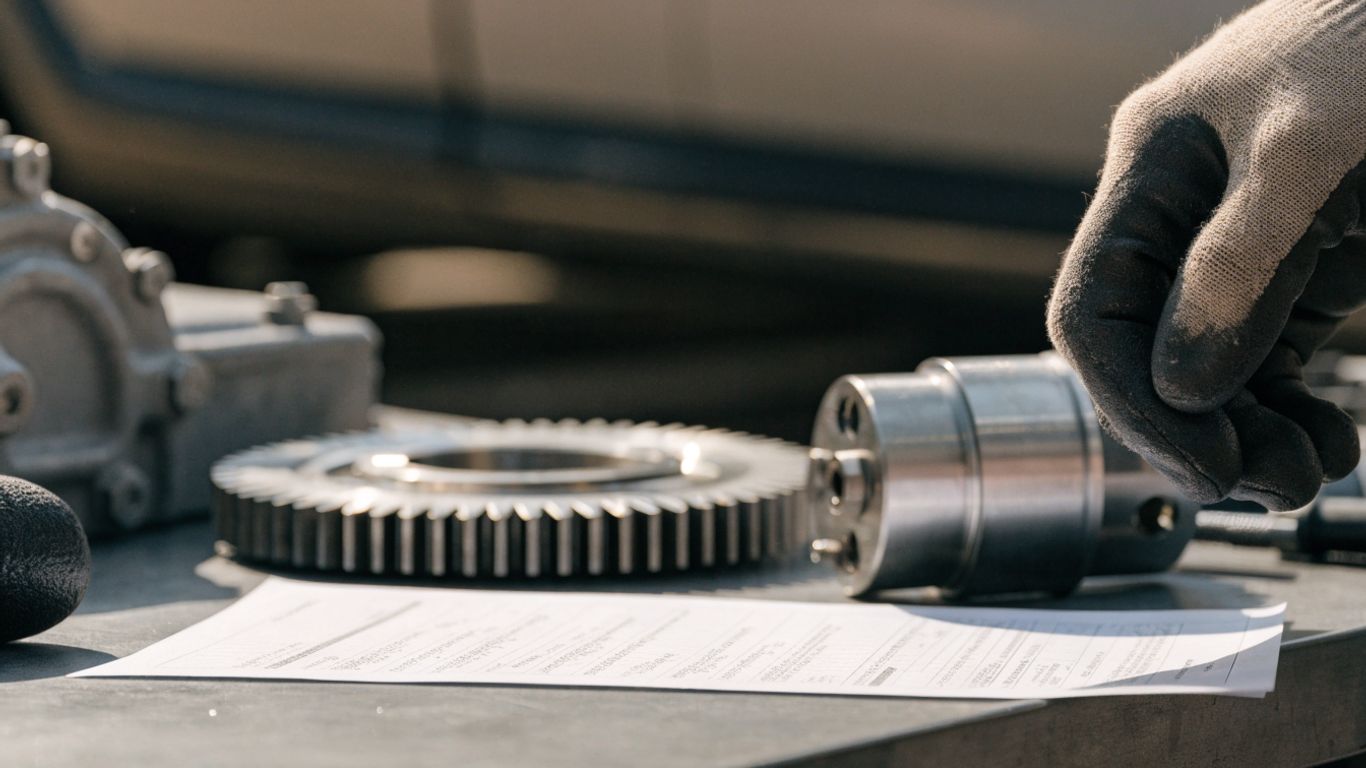
Request the findings behind the recommendation
Ask what the technician observed, how it relates to the original concern, and whether the proposed repair is urgent or can be monitored. A clear explanation should distinguish direct evidence from a precaution or possibility. You can also ask to see relevant findings or have the parts and work explained in plain language. A recommendation is easier to assess when the reason for it is documented, not just described as necessary.
Get approval before additional work begins
Before agreeing, confirm that the provider will not proceed with added work until you authorize it. For a larger estimate, it may help to write down the decision points so there is no confusion about what is approved. Common questions to settle before giving approval include:
- Is this repair required to complete the original job?
- What finding supports the recommendation?
- Can the work wait, and what are the risks of waiting?
- Will approving it change the warranty or completion timing?
Once you have those answers, decide whether to proceed, defer the repair, or seek another opinion. The same care used when reviewing a garage sale pricing guide—checking what a price applies to before acting—can serve as a simple reminder, though the decisions and stakes are very different.
Ask for an updated written estimate
If the scope changes, request a revised estimate showing the added labor, parts, fees, and new total. Check that it also identifies any original work that has been removed or altered. Keep the earlier version so you can see exactly what changed and why. An updated document gives both you and the provider a shared record of the approved work.
How warranties and service records affect value
A quote tells you what the provider plans to do; warranty terms explain what support may be available afterward. Read those terms alongside the estimate rather than assuming that all repairs come with the same coverage. Ask how the warranty applies to parts and labor, and what paperwork you will need if a concern arises. Good records also make future service conversations easier, whether you keep the vehicle or pass it on.
Compare parts and labor warranty terms
Check the duration and scope of any warranty, including whether parts and labor are covered on the same terms. Ask who handles a claim and whether coverage applies only at the original shop. Get the answer in writing, since a verbal assurance may be difficult to interpret later. Warranty length alone does not tell the whole story; the conditions matter too.
Clarify exclusions and claim requirements
Ask what could limit coverage, such as unrelated damage, missed maintenance, or work performed elsewhere, if those exclusions appear in the terms. Confirm how to report a problem and what documents or inspections may be required. Do not assume a general warranty statement covers every related repair. If a term is unclear, request a plain-language explanation before authorizing the job.
Keep invoices and maintenance records
Save the estimate, final invoice, parts details, and any warranty documents together. Note the date and mileage, and keep records of later maintenance that may relate to the gearbox. These documents help establish what was done if you need to ask a follow-up question or make a claim. They are also useful if a future technician needs to understand the vehicle’s service history.
How to choose a gearbox service provider
A suitable provider should be willing to explain the work and the price without making you feel rushed. Look for a clear estimate, sensible answers to your questions, and a process for discussing changes before they become charges. Experience and customer feedback can add context, but they do not replace a written scope. If you are planning other work at home, a quiet pickleball equipment guide is a separate example of how people weigh features and trade-offs; for gearbox service, focus on the details of the repair and the provider’s communication.
Look for itemized quotes and clear explanations
An itemized quote lets you see what is included and which amounts relate to labor, parts, diagnosis, and other charges. A good explanation should make clear what is known, what remains uncertain, and how the estimate could change. Notice whether the provider answers questions directly rather than relying on broad assurances. Transparency is not just a low price; it is being able to understand the price you are being asked to approve.
Check technician experience and customer reviews
Ask whether the technicians have experience with your vehicle and the type of gearbox involved. Read reviews for patterns in communication, estimate changes, and how concerns are handled, rather than relying on a single glowing or negative comment. Reviews are one source of information, not a guarantee of your own experience. Pair them with a direct conversation about the work your vehicle needs.
Confirm the provider’s process for changes to the estimate
Before booking, ask how the shop will contact you if diagnosis reveals additional work. Confirm that you will receive the revised price and have the chance to approve it before work proceeds. It is also worth checking how the shop records declined or deferred recommendations, so there is no ambiguity at pickup. A provider with a clear process makes it easier to stay informed from the first inspection through the final invoice.
Conclusion
A transparent gearbox service estimate is specific about diagnosis, labor, parts, fluid, and additional charges, and it gives you a clear opportunity to approve changes. Compare the scope and warranty terms as carefully as the total, keep the paperwork, and ask for an updated estimate whenever the recommended work changes. That small amount of attention makes the final bill easier to understand and the decision easier to own.
Frequently Asked Questions
What should a gearbox service quote include?
It should describe the inspection or diagnostic work, recommended repairs, labor, parts, fluid where applicable, taxes, and other charges. Ask the provider to clarify anything listed only as a general fee.
Can a gearbox service quote change after inspection?
Yes. Further diagnosis may reveal work that was not apparent at the outset. The provider should explain the finding, provide an updated estimate, and obtain your approval before adding work.
Is a diagnostic fee separate from repair costs?
It can be. Ask what the fee covers, whether it is credited toward approved repairs, and whether additional testing would involve another charge.
How can I compare two gearbox service estimates?
Compare the work included, parts, fluid specifications, labor, fees, and follow-up checks. If the scopes differ, ask each provider to explain what is excluded or treated as optional.
Should I approve recommended repairs immediately?
You can take time to understand the recommendation. Ask what the technician found, whether the repair is urgent, and what could happen if you defer it before deciding.
What warranty details should I ask about?
Confirm what parts and labor are covered, how long coverage lasts, which exclusions apply, and what steps or records are required to make a claim.
Why should I keep gearbox service records?
Invoices and maintenance records show what work was completed and when. They can help with warranty questions, future diagnosis, and the vehicle’s service history.