Key Takeaways
Transmission problems usually develop gradually, which gives you time to reduce the risk if you pay attention to service intervals, fluid condition, heat, and changing driving behavior.
- Check the fluid level and condition according to the vehicle manual.
- Use only the fluid specified for the transmission.
- Control heat during towing, hauling, traffic, and extreme weather.
- Treat slipping, noise, hesitation, leaks, and warning lights as early signals.
- Get an accurate diagnosis before choosing a repair or replacement.
Understand what causes transmission failure
A transmission rarely fails for one mysterious reason. More often, lubrication, heat, workload, and delayed repairs combine until internal parts can no longer operate smoothly. Understanding those pressures is the first step in learning how to prevent transmission failure.
Low or contaminated transmission fluid
Transmission fluid lubricates moving parts, helps manage heat, and supports hydraulic operation in many automatic systems. When the level is low, parts may not receive adequate lubrication or pressure; when the fluid is dirty, its protective qualities can decline. Check the level and condition using the procedure in the owner’s manual rather than relying on a generic method.
Excessive heat and poor cooling
Heat is a major source of transmission stress, especially when the vehicle is towing, carrying heavy loads, or moving slowly for long periods. A blocked cooler, damaged line, low fluid level, or cooling-system problem can make that stress worse. Keeping airflow and cooling components in good condition helps the transmission stay within its intended operating range.
Wear from towing, hauling, and stop-and-go driving
Frequent starts, steep grades, heavy cargo, and trailers all ask the transmission to transfer more force. Stop-and-go traffic adds repeated shifting and leaves less time for airflow to remove heat. Use the vehicle’s rated towing and payload limits, and follow the manual’s guidance for gears, modes, and trailer use.
Ignoring early mechanical warning signs
A small delay when engaging Drive, a new whine, or a brief flare in engine speed can be an early sign of trouble. Continuing to drive without checking the cause may turn a manageable issue into broader internal wear. General guidance on transmission warning signs can help you organize what you notice before speaking with a technician.
Follow the right transmission maintenance schedule
Routine maintenance works best when it follows the vehicle maker’s instructions and the way the vehicle is actually used. A car driven gently on open roads may have different service needs from one used for towing or constant urban traffic. Keep records of inspections, fluid services, and repairs so changes are easier to spot.
When to check fluid levels and condition
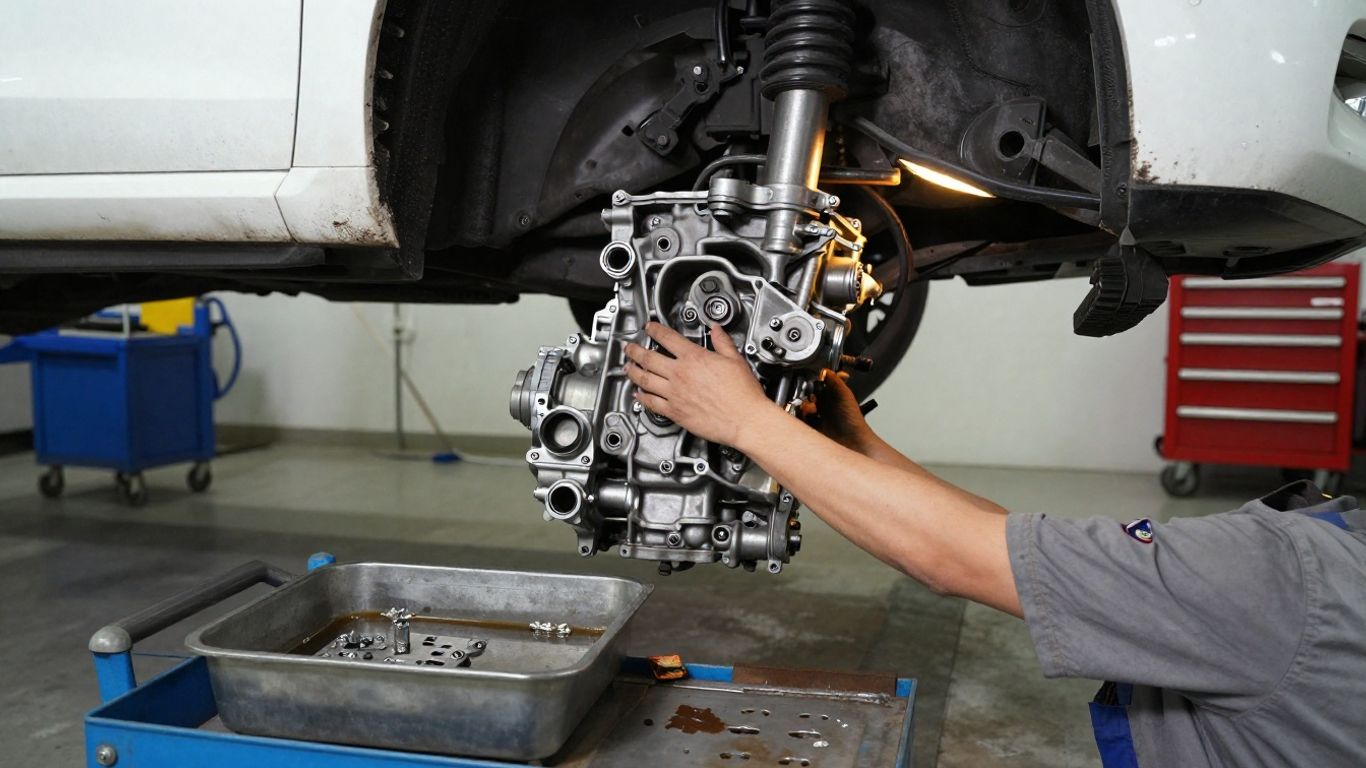
Check the fluid when the manual calls for it, and inspect sooner if you notice a leak, unusual shifting, or a burning smell. Some transmissions have a dipstick, while others require a temperature-specific procedure and specialized equipment. A level check is useful only when the vehicle is positioned and warmed exactly as instructed.
How often to service automatic and manual transmissions
Service intervals vary by vehicle, transmission design, fluid type, mileage, and operating conditions. Automatic transmissions may require fluid and filter service, while manual units may have different fluid and inspection requirements; a clutch service is a separate matter. The transmission maintenance tips cover common preventive themes, but your own maintenance schedule should come from the manual or service information.
Why manufacturer specifications matter
Fluid type, fill temperature, level, and service method are not interchangeable details. Using the wrong specification can affect lubrication, seals, hydraulic behavior, or shift quality even when the container appears similar. The table below illustrates why the manual should guide each decision rather than a universal interval.
| Maintenance question | Why it varies | Best reference |
|---|---|---|
| Fluid type | Transmission design and approved additives differ | Owner’s manual |
| Service interval | Mileage and driving conditions change the workload | Maintenance schedule |
| Level-check method | Some units require a particular temperature or tool | Factory procedure |
These differences are practical, not academic. If the instructions are unclear, confirm the specification before adding fluid or booking a service.
When a professional inspection is necessary
Arrange an inspection when symptoms persist, fluid is leaking, the transmission will not engage normally, or a warning light appears. A professional can check electronic data, pressure, fluid condition, mounts, linkages, and related components instead of assuming the transmission itself is the only cause. Early diagnosis is usually less disruptive than waiting for a complete loss of drive.
Use transmission fluid correctly
Fluid mistakes are among the easiest transmission problems to prevent, yet they are common. The correct product, level, and service procedure all matter, and none should be guessed from color alone. Treat fluid work as a precise maintenance task rather than a quick top-up.
Choosing the correct fluid type
Read the owner’s manual or the service information for the exact specification. Automatic, manual, and continuously variable transmissions can require different fluids, and even similar vehicles may not share the same requirement. If a shop is servicing the vehicle, ask which specification is being used and keep the service record.
Checking fluid color, smell, and consistency
Fluid condition can offer useful clues, although it cannot replace a diagnosis. A sudden darkening, burnt odor, visible debris, or unusual consistency deserves attention, particularly when it occurs alongside shifting changes. Compare what you see with the vehicle’s service guidance and avoid treating one visual observation as proof of a specific failure.
Fixing leaks before they cause major damage
A wet spot beneath the vehicle, fluid around a pan or axle seal, or a falling fluid level should be investigated promptly. Leaks can reduce lubrication and hydraulic pressure while also allowing dirt into vulnerable areas. Clean the area, identify the source, and repair it before simply adding more fluid.
Avoiding overfilling or underfilling
Too little fluid can leave moving parts inadequately lubricated, while too much may cause aeration or erratic operation. Follow the prescribed temperature, surface, engine, and measurement procedure, and add small amounts only when the reading confirms they are needed. When the transmission has no accessible dipstick, leave the level check to someone with the correct equipment.
Reduce heat and driving-related stress
Heat management is a daily habit as much as a repair task. The transmission works harder when the vehicle is loaded, climbing, creeping through traffic, or operating in severe temperatures. Small changes in equipment and technique can reduce repeated stress without making driving impractical.
Maintaining the transmission cooler
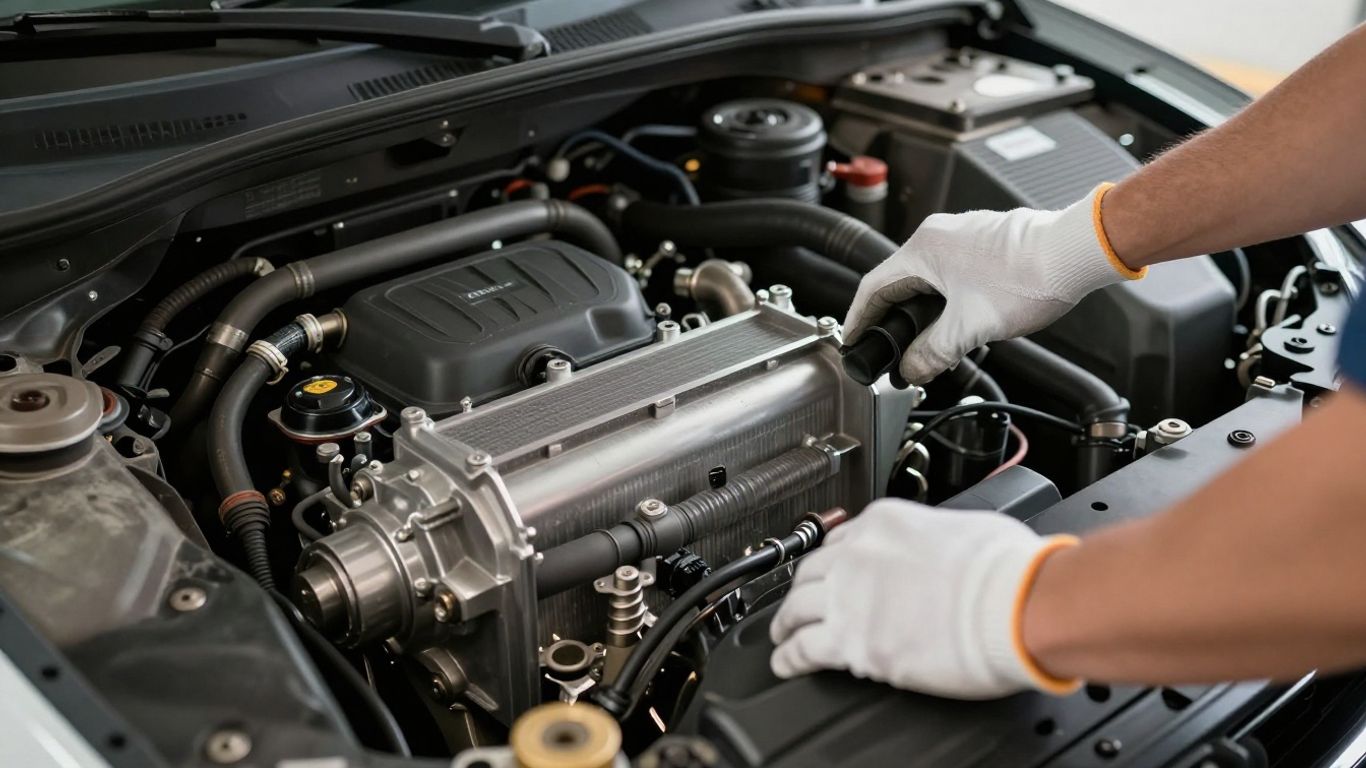
Inspect cooler lines, fittings, and the surrounding airflow path during regular service. Road debris, corrosion, leaks, or restricted airflow can reduce cooling performance, while a broader engine-cooling problem may affect transmission temperatures as well. If the vehicle has a separate cooler, follow its inspection and cleaning requirements.
Using proper techniques when towing
Towing calls for more than staying below a stated weight limit. Use the recommended mode or gear, distribute the load correctly, and avoid making the transmission hunt repeatedly between gears on hills. For a practical overview of towing and transmission care, compare the advice with the instructions specific to your vehicle.
A few habits are especially useful when the load is heavy or the route is demanding:
- Confirm the trailer and payload ratings before setting out.
- Use the recommended tow mode or lower gear on grades.
- Allow extra following distance so acceleration is smoother.
- Stop safely if a burning smell, warning light, or major shift change appears.
These steps reduce unnecessary load and give you a clear response when conditions become unsafe. They do not replace the manufacturer’s towing procedure or a professional check when symptoms appear.
Avoiding aggressive acceleration and sudden shifting
Hard launches and abrupt gear changes create sharp changes in torque and load. Accelerate progressively, select Reverse or Drive only when the vehicle is fully stopped, and allow engagement to complete before applying power. Smooth inputs cannot correct a damaged transmission, but they can reduce avoidable strain.
Adjusting habits for heavy traffic and extreme temperatures
In crawling traffic, leave enough space to move steadily instead of alternating constantly between braking and acceleration. In very hot or cold weather, give the vehicle time to operate normally and watch for changes in engagement or shift quality. If conditions are severe, shorten inspection intervals according to the maintenance schedule.
Recognize early signs of transmission trouble
Drivers often notice a transmission problem through a change in feel before a dashboard light appears. The useful response is to record when the symptom happens, whether the vehicle is warm, and what gear or driving condition is involved. That detail helps separate a recurring fault from a one-time event.
Slipping gears and delayed engagement
Slipping may feel like engine speed rises without a matching increase in road speed, while delayed engagement can appear as a pause after selecting Drive or Reverse. These symptoms may relate to fluid, controls, clutch components, or other faults. The slipping transmission guide offers a useful symptom checklist, but persistent slipping calls for prompt inspection.
Grinding, whining, or clunking noises
New grinding, whining, humming, or clunking should not be dismissed as normal operating noise. Note whether the sound changes with speed, gear selection, turning, or engine load, since related driveline components can produce similar sounds. Avoid prolonged driving until the source has been checked if the noise is loud or worsening.
Shaking, hesitation, or rough shifting
Shuddering during acceleration, hesitation between gears, and harsh shifts can come from transmission issues, but they may also involve the engine, mounts, sensors, or driveline. A technician should assess the complete system rather than replacing a part based on one symptom. Sudden or severe changes are a reason to stop driving when it is safe to do so.
Warning lights and visible fluid leaks
A transmission-related warning light means the vehicle has detected a condition worth investigating, even if it still drives. Combine the dashboard information with a visual check for fresh fluid beneath the vehicle, but do not crawl under an unsupported car. The early failure signs guide can help you describe the timing and severity of what you observed.
Protect manual and automatic transmissions differently
The basic principles of clean fluid, controlled heat, and early diagnosis apply to every transmission, but the operating habits differ. Manual vehicles place more responsibility on clutch technique, while automatic vehicles manage many shifts through hydraulic and electronic controls. Continuously variable transmissions have their own fluid and service requirements.
Preventing clutch wear in manual vehicles
Resting a foot on the clutch pedal, holding the vehicle on the clutch, and slipping the clutch unnecessarily create heat and wear. Use the clutch only as needed, select an appropriate gear, and release the pedal smoothly. If engagement becomes difficult or the clutch starts slipping, have it assessed before the problem affects other components.
Using the parking brake correctly on inclines
On a hill, the parking brake helps hold the vehicle while you select a gear and set off without making the clutch do all the work. It also reduces strain on the parking mechanism inside an automatic transmission. Apply and release it in a controlled way, following the vehicle’s instructions and local safety requirements.
Avoiding unnecessary gear changes in automatic vehicles
Automatic transmissions are designed to select gears without constant driver intervention. Repeatedly moving between Reverse and Drive before the vehicle stops, manually forcing shifts without a reason, or using an unsuitable mode can add stress. Let the system complete each engagement and use manual selection only when the conditions or manual call for it.
Understanding CVT-specific maintenance needs
A CVT does not use the same operating arrangement as a conventional stepped automatic, so its fluid and service procedure must be treated separately. Use only the specified CVT fluid and follow the prescribed inspection method. Unusual engine revs, shuddering, or delayed response should be documented and checked rather than corrected with an unverified additive.
Know when to repair or replace transmission components
A transmission diagnosis should answer two questions: what failed, and why did it fail? Replacing a visible part without addressing low fluid, overheating, electrical faults, or related driveline damage can lead to a repeat problem. The right choice depends on evidence, vehicle condition, repair scope, and long-term value.
Diagnosing the underlying cause of a problem
A proper evaluation may include a road test, scan-tool data, fluid inspection, leak tracing, pressure testing, and checks of mounts or control components. Ask the technician to explain the findings in plain language and identify which tests support the recommendation. This approach is more reliable than choosing a repair from a symptom alone.
Comparing minor repairs with transmission rebuilding
A leak repair, sensor, solenoid, mount, or service may resolve a problem when the internal components remain sound. Rebuilding becomes more involved when internal wear or damage is confirmed, and the estimate should explain what will be replaced and what warranty applies. Compare the diagnosis and warranty, not just the initial price.
Evaluating replacement costs and vehicle value
When a transmission is severely damaged, compare repair, rebuilding, replacement, and selling the vehicle based on its condition and expected remaining use. A realistic budget should include labor, related parts, fluids, taxes, and possible follow-up work. If you are considering a different vehicle, a cheap car buying guide can help frame inspection and budget questions, even though it cannot replace a transmission estimate.
Choosing a qualified transmission technician
Look for a shop that explains the diagnosis, provides a written estimate, and can describe its parts and warranty policies. Ask whether the technician has experience with your transmission type and whether the shop will inspect related cooling and driveline components. Broader decisions about skipping unnecessary repairs may be useful when weighing a vehicle’s overall condition, but safety-critical mechanical repairs need an accurate assessment.
Other maintenance decisions benefit from the same habit of comparing durability, service access, and long-term cost. Even a general low-maintenance materials guide illustrates why upfront choices should be judged by upkeep over time, while a practical site maintenance guide is a reminder to keep records and revisit a maintenance plan rather than treating it as a one-time task.
Conclusion
Preventing transmission failure is mostly a matter of timely attention: use the right fluid, manage heat, drive within the vehicle’s limits, and investigate changes before they become severe. A clear maintenance record and a careful diagnosis can protect both the vehicle and your repair budget.
Frequently Asked Questions
How often should transmission fluid be checked?
Follow the owner’s manual because the interval and checking procedure vary. Check sooner when you see a leak, smell burning fluid, or notice a change in shifting.
What color should transmission fluid be?
Color varies by fluid and age, so it is not a complete diagnostic test. Dark, burnt-smelling, contaminated, or unusually thick fluid should be evaluated with the vehicle’s symptoms and service history.
Can low fluid cause transmission failure?
Yes, low fluid can reduce lubrication and hydraulic pressure and may increase heat. Find and repair the leak or cause rather than repeatedly topping up without an inspection.
Is towing bad for a transmission?
Towing is not automatically harmful when the vehicle stays within its ratings and the correct mode, gear, and service schedule are used. Excess weight, steep grades, poor cooling, and aggressive driving increase stress.
What are the first signs of a failing transmission?
Common early signs include slipping, delayed engagement, rough or hesitant shifts, unusual noises, shuddering, warning lights, and visible leaks. A prompt inspection can clarify whether the transmission or a related system is responsible.
Is a transmission rebuild better than replacement?
Neither option is always better. The decision depends on the confirmed damage, parts availability, warranty, labor cost, vehicle condition, and the value of keeping the vehicle.
Can regular maintenance guarantee a transmission will not fail?
No maintenance plan can guarantee that result because components can wear or fail unexpectedly. Regular service and early attention can, however, reduce avoidable stress and improve the chance of catching problems before they become extensive.