

Key Takeaways
A little preparation can make finding the right part simpler and reduce the chance of an avoidable ordering mistake.
- Gather your Honda’s model, year, variant, and VIN or chassis number before searching.
- Confirm part numbers and ask whether an older number has been superseded.
- Compare sellers’ sourcing details, availability, delivery costs, and return conditions.
- Check warranty terms and authenticity information before placing an order.
- Plan installation carefully and keep receipts and service records.
What Honda genuine parts are
When shopping for replacement parts, it helps to know what “genuine” means and what it does not promise. The label distinguishes parts supplied as genuine for the vehicle from alternatives made outside that supply channel. It does not remove the need to check fitment for your exact car. A considered choice starts with the part’s intended use and the details of the vehicle it must fit.
How genuine parts differ from aftermarket alternatives
Genuine parts are supplied for the vehicle through its manufacturer’s parts channel, while aftermarket parts are produced and sold outside that channel. The differences between individual products can vary, so it is sensible to assess the specific item rather than assume that one category is always better. Honda Genuine Parts are designed to the same exacting standards of fit and function as Honda vehicles. That gives buyers a useful point of comparison, but the part still needs to be matched to the correct model and variant.
Common categories, from service items to accessories
The phrase can cover more than one kind of purchase. You might be looking for a replacement component, a routine service item, or an accessory intended for a particular vehicle. Start by describing what the part needs to do, then narrow the search by vehicle details and the part’s name or number. This helps separate items that sound similar but serve different purposes.
Why fit, function, and finish matter
Fit affects whether a part can be installed as intended; function concerns the job it must perform; and finish may matter when the part is visible or part of the cabin. Honda Genuine Parts are designed to the same exacting standards of fit and function as Honda vehicles, according to Honda’s parts information. For any purchase, though, the exact vehicle match matters: a part that looks right in a photograph may still be unsuitable for a different year or variant.
How to identify the right part for your Honda
A careful identification step can save time, especially when a model has multiple variants or changes across production years. Before contacting a seller, gather the vehicle information available to you and, if possible, the number on the existing part. Honda genuine parts Australia searches can return broad results, so a more precise description helps narrow the options. Treat a listing as a starting point until fitment has been confirmed.

Find your model, year, and variant details
Begin with the model name and year, then check the exact variant or trim shown on your vehicle documents or identification labels. If the car has a model code or chassis designation, include it when asking for help. The names used in advertisements and catalogues may not capture every difference between variants, so more detail is generally useful. This simple reference table can help you collect the information before you search.
| Detail to collect | Where to check | Why it helps |
|---|---|---|
| Model and year | Registration or vehicle documents | Narrows the general application |
| Variant or trim | Vehicle documents or identification label | Distinguishes versions of a model |
| VIN or chassis number | Vehicle identification plate or documents | Helps a seller check vehicle-specific fitment |
| Existing part number | Marking on the removed part, if legible | Gives a reference for comparison |
Having these details together makes a parts inquiry more useful and can reduce back-and-forth. If you are unsure which number is relevant, send the full vehicle details to the seller rather than guessing from a partial description.
Use the VIN or chassis number to check fitment
A VIN or chassis number gives a seller a more specific identifier than a model name alone. Provide it through the seller’s appropriate inquiry process and ask them to confirm the proposed part against the vehicle. Check that the response refers to your exact vehicle, not just a similar model. If the car has been modified or has an unusual history, mention that too, since the original configuration may not tell the whole story.
Match part numbers and confirm superseded parts
Part numbers are useful for checking whether a listing refers to the same item you need. Compare the number carefully, including letters, digits, and any suffixes, and ask the seller to clarify if it does not match exactly. Sometimes a seller may advise that a number has been replaced by a newer one; ask them to confirm that the replacement is valid for your vehicle. Keep both numbers in your notes so you can follow the explanation when comparing listings.
Where to buy Honda genuine parts in Australia
Buyers can start with an authorized Honda dealer parts department or consider an online seller that provides clear details about its stock and sourcing. The right route depends on the part, how quickly you need it, and whether you want help checking fitment before ordering. Honda’s Australian servicing information directs customers seeking genuine parts to their nearest authorized Honda Centre. Whichever route you choose, make sure the seller understands the vehicle details before you pay.
Contact an authorized Honda dealer parts department
A dealer parts department is a practical place to ask about fitment, part numbers, and availability. Share the VIN or chassis number and describe the item you need; if you have an old part number, include it as well. Honda Genuine Parts can be purchased through an authorized Honda Centre, according to Honda’s Australian parts information. Ask whether the item is available locally or needs to be ordered, and request a clear explanation of any proposed substitute number.
Compare online sellers and their sourcing information
Online listings make it easy to compare descriptions, but the amount of detail can differ. Look for an exact part number, a clear fitment description, and information about where the item is sourced. If a listing is ambiguous, contact the seller before ordering and ask them to check the part against your vehicle details. A responsive seller who can explain the listing is more useful than a low price with no supporting information.
Check availability for parts not held in stock
A part that is not on the shelf may still be orderable, but the seller should explain what happens next. Ask whether availability has been checked with a supplier, whether the item is on backorder, and whether an estimated arrival date is available. Delivery timeframes can change, so treat an estimate as an estimate rather than a firm promise. If the vehicle is off the road, say so when asking about timing and consider whether collection is an option.
How to verify a part and seller
A listing or package can provide useful clues, but no single detail answers every question about a purchase. Check that the part number, description, and fitment information agree with what you requested. Ask direct questions if the seller’s information is incomplete, particularly before paying for a special-order item. Clear communication is part of checking the purchase, not just an extra convenience.
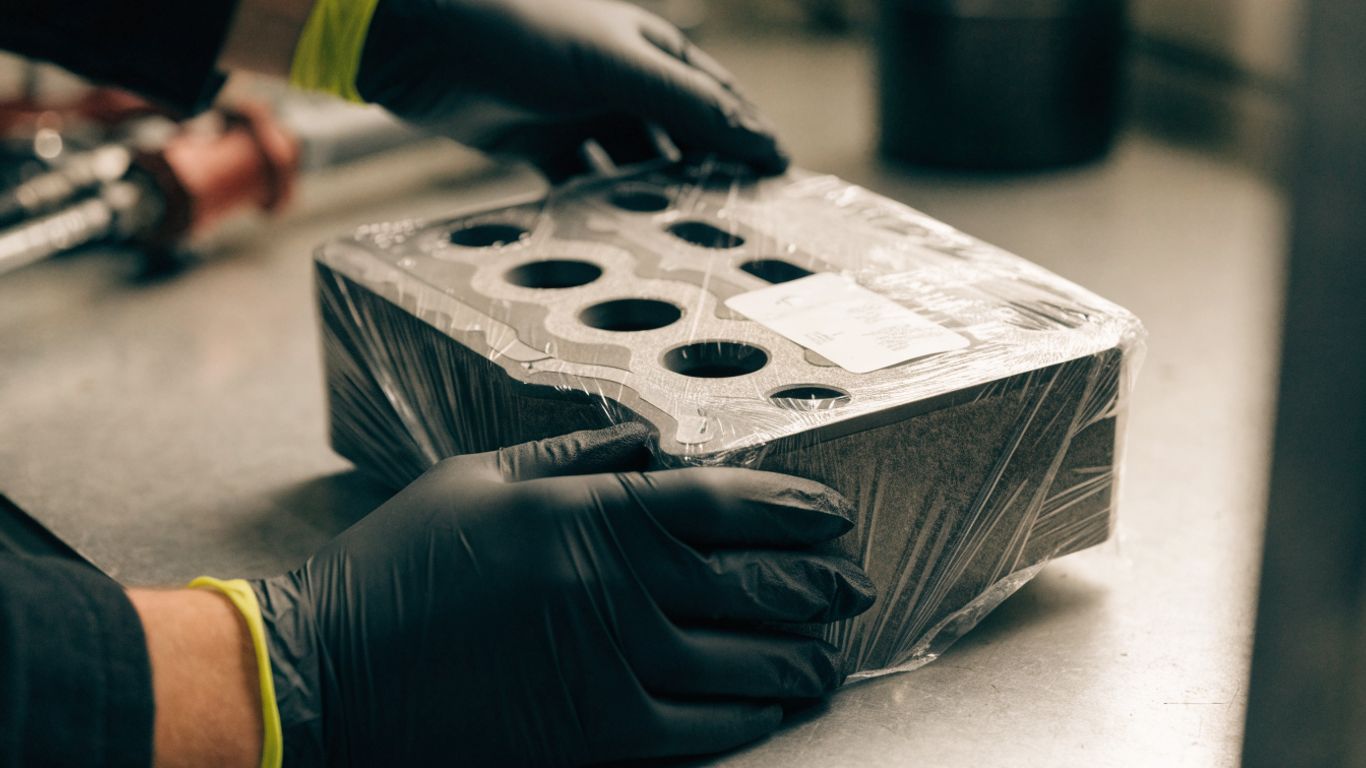
Look for clear packaging and part-number details
When you receive an item, compare its part-number details with the order confirmation and the information supplied before purchase. Inspect the packaging and the part for visible damage or discrepancies, and pause before installation if something does not match. A product photo alone may not establish whether the item is right for your car, so keep the written fitment confirmation and order details together. If anything seems inconsistent, contact the seller before removing or altering the part.
Ask about proof of authenticity and return conditions
Before ordering, ask what information the seller can provide about the part’s source and how authenticity is represented. Also clarify the return conditions, including any limits for parts ordered specifically for your vehicle or items that have been opened or installed. A short written reply can prevent a misunderstanding later. Keep the answer with your receipt so the terms are easy to find if you need them.
When the part number, fitment, and return terms are unclear, pause and ask before you order.
That pause is especially useful when a part is expensive, hard to return, or needed urgently. A straightforward answer should make clear what is being sold and what happens if it proves unsuitable.
Treat unusually low prices and vague listings with care
A low price is not automatically a problem, but it is a reason to check what is included and whether the listing describes the exact part you need. Watch for missing part numbers, broad fitment claims, or stock photos that provide little detail. Ask the seller to confirm the item’s condition, source, and compatibility in writing. If those basics remain unanswered, compare another listing before committing.
How to compare prices and ordering options
The displayed price is only one part of the decision. Delivery, timing, collection, warranty terms, and the practical cost of a return can all affect which offer makes sense. Compare like with like: the same part number or a seller-confirmed replacement, with the same condition and fitment. A slightly different quote can reflect different availability or service, so ask what is included.
Compare the total cost, including delivery
Ask for the full amount payable, including delivery and any other stated charges, before placing the order. Check whether collection is available and whether its timing is convenient. If a seller quotes a different part number, confirm that it is the correct replacement before comparing prices. This keeps the comparison focused on the item you actually need rather than on numbers that may describe different products.
Ask about lead times, backorders, and collection
For items not in stock, ask whether the quoted timing is based on a confirmed estimate or is simply an indication. Check what the seller will do if the expected date changes, and whether you can collect the part once it arrives. If you need the vehicle repaired by a particular date, communicate that early and avoid treating an uncertain estimate as a guarantee. A clear plan makes it easier to decide whether to wait or explore another ordering route.
Check warranty coverage and return eligibility before ordering
Warranty terms can differ by product and seller, so ask what applies to the exact item you are buying. Honda Genuine Parts are covered by Honda’s National Parts Warranty, according to Honda’s Australian parts information; ask the seller for the applicable terms and any conditions. Confirm return eligibility separately, since a warranty and a change-of-mind return are not the same thing. Keep the answers in writing alongside the order confirmation.
How to plan installation and maintenance
Choosing the part is only one step; it also needs to be installed and maintained appropriately. Think about the work involved, the tools available, and whether the repair is within your experience. If you are unsure, seek advice from a qualified repairer before ordering a part that may be difficult to return once opened. Keeping a record of what was fitted makes future maintenance easier to trace.
Decide whether the work suits DIY installation
Some jobs may be straightforward for an experienced owner, while others call for diagnostic knowledge or specialist equipment. Consider the consequences of an incorrect installation, not only the time it may take. If the task affects a safety-critical system or you are uncertain about the procedure, a qualified technician may be the more suitable choice. Decide before buying, since installation plans can affect what you order and how quickly you need it.
Confirm any special tools or procedures required
Before starting work, check whether the repair calls for special tools, a specific sequence, or information from a service manual. Do not assume that a part’s apparent simplicity means installation is uncomplicated. Ask a repairer or consult appropriate vehicle service information if the procedure is unclear. Confirming this in advance can prevent a stalled job and help you prepare the right workspace.
Keep receipts and service records for future reference
Save the receipt, part number, fitment confirmation, and any installation details with the vehicle’s service records. Note the date and the work completed, including who performed it. These records can help you identify the replacement later and provide useful context when discussing maintenance. Keep digital copies if paper receipts may fade or be misplaced.
Conclusion
Finding Honda genuine parts Australia buyers can use with confidence comes down to careful identification, clear questions, and a little patience. Gather the vehicle details, confirm the part number and fitment, compare the full ordering terms, and keep a record once the part is installed. That steady approach makes it easier to buy the right item and know what to do if plans change.