

Key Takeaways
Consistent gearbox maintenance starts with the manufacturer’s instructions and a schedule that reflects real operating conditions. Small, documented checks can help teams notice changes before they become bigger problems.
- Identify the gearbox and follow its service recommendations.
- Adjust inspection frequency to workload and environment.
- Check for leaks, damage, heat, noise, and vibration.
- Use the specified lubricant and keep it clean.
- Isolate power before servicing, and record what you find.
Identify your gearbox and set a maintenance schedule
A practical maintenance plan begins with knowing what gearbox you have, how it is used, and what its maker recommends. A calendar interval alone may not tell the whole story: duty cycle, load, and surroundings all affect what to check and when. Start with the equipment documentation, then turn those instructions into a routine that the people responsible for the unit can follow. That simple groundwork makes gearbox maintenance tips easier to apply consistently.
Check the manufacturer’s service recommendations
Find the gearbox nameplate and its manual or service documentation before setting intervals or choosing service materials. The documents may specify lubricant type, inspection points, operating limits, and procedures for checking level or changing oil. If the manual is missing, use the model and serial information to request the correct documentation rather than guessing. A recommendation written for a different model can lead to the wrong service choice.
Distinguish maintenance needs by gearbox type
Gearboxes vary in design, installation, lubrication method, and operating purpose, so one routine will not suit every unit. Confirm whether the gearbox uses oil, grease, or a sealed-for-life arrangement, and note any special instructions for orientation or mounting. In a vehicle, follow the vehicle maker’s service information; for industrial equipment, consult the gearbox and machine documentation together. For a broader perspective on industrial routines, see these industrial gearbox maintenance practices, while keeping your own unit’s instructions as the authority.
Adjust inspection intervals for operating conditions
A gearbox exposed to heavy loads, frequent starts, dust, moisture, or wide temperature swings may need more frequent attention than one in a clean, steady setting. Set a baseline from the manufacturer’s recommendations, then review it as operating conditions change. Matching a specification to its environment matters in other fields too, such as road-marking material design, where conditions affect the choice of formulation. For gearbox care, the practical point is to record the conditions and use them to guide inspection timing.
Create a repeatable maintenance checklist
A short checklist helps different people carry out the same basic checks and makes it easier to spot changes over time. Keep it specific to the unit, with clear instructions about where to look and what readings or observations to note. For teams refining their maintenance habits, these gearbox maintenance tips can provide another general reference, but they do not replace model-specific guidance. A useful checklist might cover four recurring tasks:
- Look for leaks, loose fasteners, and visible damage.
- Check lubricant level and appearance using the approved method.
- Note unusual noise, vibration, or temperature changes.
- Record the date, operating conditions, and any follow-up action.
Keep the list brief enough to use during a real inspection. When a check produces an unexpected result, write down what changed and who will investigate it rather than marking the task complete without context.
Inspect the gearbox and its surroundings
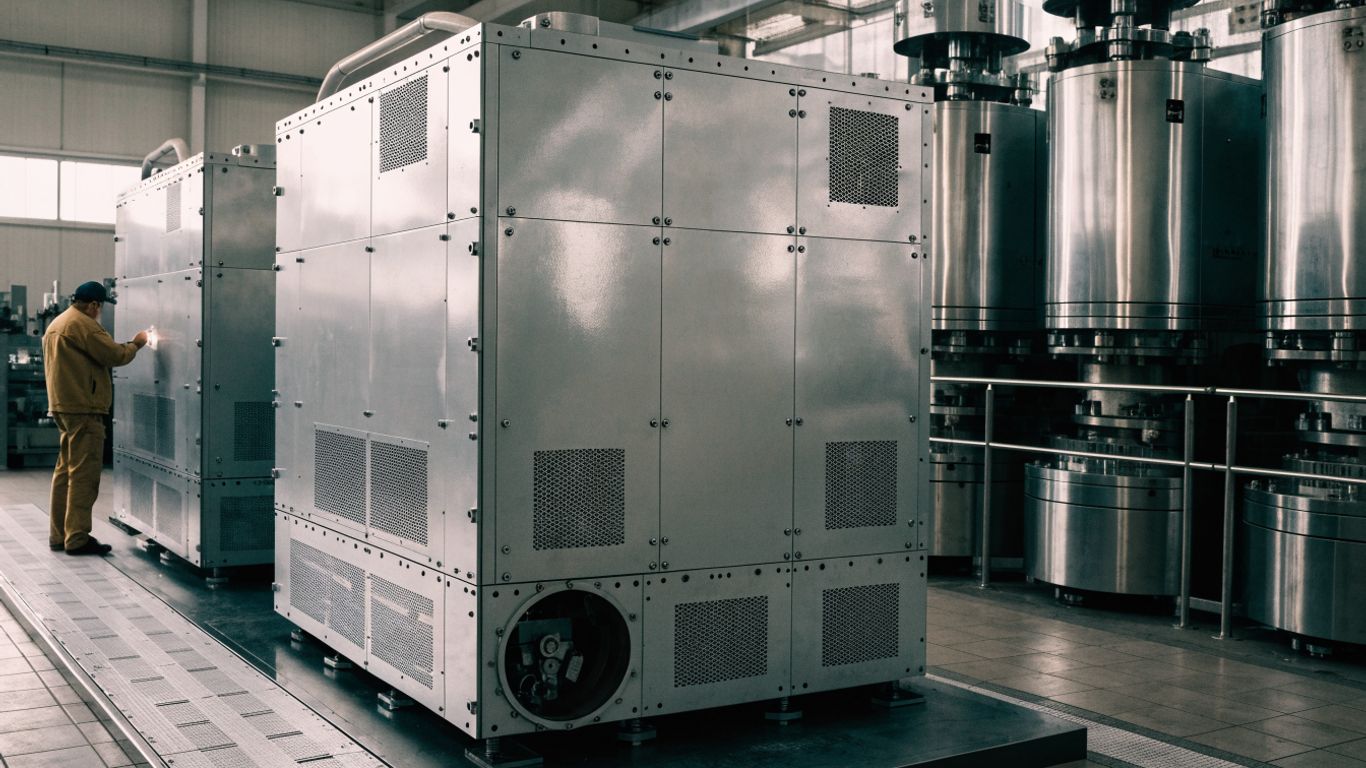
A visual inspection can reveal changes that are easy to miss when attention is focused only on internal components. Look at the gearbox, its supports, nearby equipment, and the area where it operates; the surroundings can point to contamination, poor cooling, or movement. Compare what you see with earlier inspections, since a developing pattern may matter more than a single observation. Take care not to touch moving or hot equipment during checks.
Look for leaks, corrosion, and physical damage
Check the housing, seals, plugs, and joints for oil or grease residue, and note the location and extent of any leak. Look for corrosion, cracks, dents, or damaged paint that could indicate exposure or impact. A small stain may have more than one cause, so clean and recheck only when it is safe and permitted by procedure. Record what you find and seek advice if the source or severity is unclear.
Check mounting bolts, guards, and connections
Inspect visible mounting points and fasteners for looseness, missing hardware, or signs that the gearbox has shifted. Confirm that guards remain in place and are not rubbing against rotating parts. Check accessible electrical or mechanical connections for damage, but do not adjust them while the equipment is energized. If a fastener appears loose or a guard is damaged, follow the site’s approved process for correction rather than improvising a repair.
Monitor operating temperature and vibration
A change in operating temperature or vibration can be an early reason to investigate, especially when it differs from the unit’s normal pattern. If the manufacturer or site procedure specifies measurement locations and methods, use those consistently so readings can be compared. This small table can help organize observations without treating any single value as a universal pass-or-fail limit:
| Observation | What to note | Useful comparison |
|---|---|---|
| Temperature | Reading, location, and operating state | Earlier readings under similar conditions |
| Vibration | Where it is felt or measured | Baseline for the same unit and setup |
| Noise | Type of sound and when it occurs | Normal sound during comparable operation |
| Environment | Load, ambient heat, and nearby activity | Conditions recorded during prior checks |
A reading is most useful when the operating conditions are recorded with it. Escalate a sudden or persistent change for assessment, and use the equipment-specific limits and procedures rather than relying on a generic threshold.
Keep vents and cooling surfaces clear
Dust, debris, or nearby obstructions can interfere with cooling arrangements, where the gearbox design uses them. Check that vents and cooling surfaces are clear and that air can move around the equipment as intended. Cleaning should follow the site procedure and avoid forcing dirt into openings or exposing the unit to moisture. These checks are simple, but they should be done with the equipment in a safe state whenever access could bring someone near moving or hot parts.
Maintain the lubricant
Lubricant helps protect moving components, but its value depends on using the right product, maintaining the correct level, and keeping contamination out. Follow the gearbox maker’s instructions for checking, sampling, topping up, and changing lubricant. Do not assume that two products with similar labels are interchangeable. When maintenance records include both lubricant details and operating conditions, changes become easier to interpret.
Use the specified lubricant and viscosity
Use the lubricant type and viscosity listed for the specific gearbox and application. Confirm any required specification, operating temperature range, and approved alternatives in the service information. If the correct product is uncertain, pause and verify it with the manufacturer or a qualified service professional instead of mixing products or choosing by appearance. A mismatch can undermine the intended lubrication and may complicate later diagnosis.
Check lubricant level and condition
Check the level using the procedure and equipment position specified by the manufacturer, since readings can depend on how the gearbox is installed or whether it is running. Look for changes in color, cloudiness, foaming, water, or visible particles, while remembering that appearance alone cannot confirm lubricant condition. If the procedure calls for sampling or analysis, follow it and compare results with previous records. An unexpected level or appearance deserves investigation, not just an unrecorded top-up.
Change oil at the recommended interval
Use the service interval and change procedure for the gearbox rather than adopting a schedule from another machine. Operating hours, environment, and manufacturer guidance may all affect timing. Note the oil type, quantity, date, and any observations when the service is complete. For vehicle-specific care, consult the owner’s manual; automatic transmission fluid guidance offers a general point of comparison, but industrial gearbox instructions may differ.
Prevent contamination during sampling and refilling
Dirt and moisture can enter during routine service if containers, tools, or openings are not kept clean. Prepare the required supplies before opening the housing, use clean containers, and protect the fill and drain points from debris. Follow the approved method for disposing of used lubricant and handling samples. The goal is to leave the system as clean as it was found, rather than introducing a new problem during maintenance.
Reduce wear through proper operation
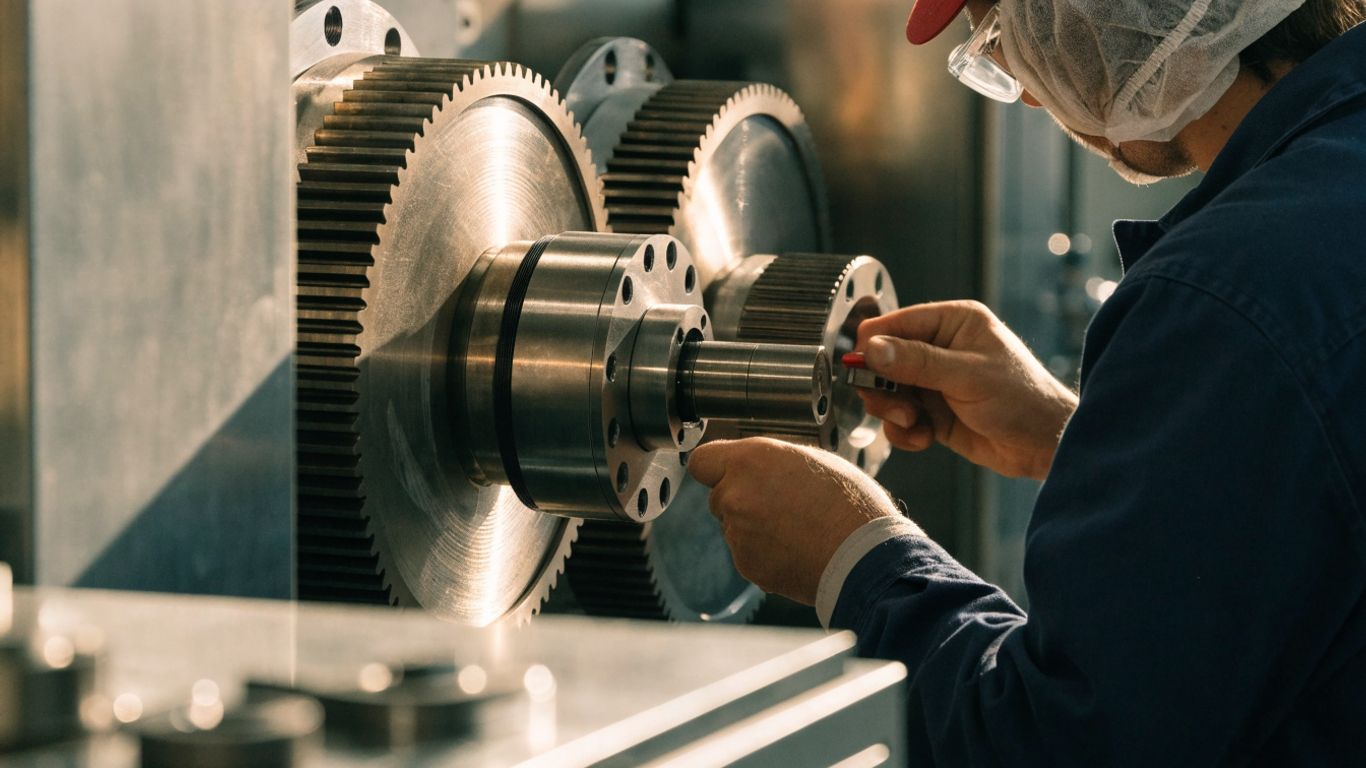
Careful operation supports the maintenance work between inspections. Loads, starts, alignment, and installation all affect the conditions the gearbox experiences, and problems in connected equipment can show up as gearbox wear. Operators and maintenance staff should share relevant observations, particularly when a process or load changes. Prevention is usually more straightforward when the equipment is used within its documented limits.
Keep loads within the gearbox’s rated capacity
Use the gearbox’s rated capacity and the equipment documentation to confirm that the unit is suitable for its actual duty. Consider the full operating pattern, not just a typical moment: repeated peaks or a changed process may create demands beyond what the unit was selected to handle. If loads have increased, have the arrangement reviewed before treating the gearbox as adequate. Avoid relying on a brief period of successful operation as proof that an overload is safe.
Check shaft alignment and coupling condition
Misalignment or a worn coupling can contribute to vibration and added stress on connected components. Follow the approved inspection method and use qualified personnel for measurements or adjustments that require specialized tools. Note coupling damage, unusual movement, or a change in vibration, and compare it with the unit’s established baseline. Alignment checks are especially useful after installation work, movement, or repairs that may have disturbed the setup.
Avoid sudden starts, stops, and frequent overloading
Where the process allows, avoid abrupt changes that place unnecessary stress on the drive system. Repeated overloads should be treated as a condition to correct, not as a normal way of operating. In vehicle applications, smooth driving and routine care can also support transmission health; see these fuel-conscious driving habits for related everyday practices. The details differ by equipment, but steady operation and adherence to rated limits remain sensible principles.
Verify that the gearbox is installed and supported correctly
Confirm that the gearbox is installed in the orientation and arrangement specified by its manufacturer, with the required support and clearances. Look for movement, uneven support, or signs that connected equipment is placing unexpected force on the housing or shafts. Installation concerns should be assessed by a qualified person; tightening or shimming without a procedure can shift the problem elsewhere. If the setup has changed, update the maintenance record so later checks have the right context.
Recognize warning signs and respond promptly
A new sound, smell, leak, or rise in temperature is a reason to pay attention, especially if it appears with another change in performance. The first step is to describe what is different and when it happens, rather than trying to name an internal failure from observation alone. Compare the current condition with past records and report the change through the site’s maintenance process. General gearbox failure warning signs can help frame what to notice, but inspection is needed to identify the cause.
Investigate unusual noise or vibration
Listen for sounds that are new, persistent, or different from the unit’s normal operating pattern, and note whether they occur at startup, under load, or continuously. Record the location and timing of unusual vibration if it can be observed safely. Changes can come from several sources, including connected equipment, so avoid assuming the gearbox itself is at fault. If the change is abrupt or accompanied by poor operation, notify the responsible technician promptly.
Identify overheating and burnt-oil odors
A temperature increase or burnt-oil odor should not be dismissed as normal without checking the equipment-specific operating guidance. If safe, record when the heat or odor appeared and what the unit was doing at the time. Do not touch the housing to estimate temperature, and do not open the gearbox while it is hot or running. Persistent overheating or a strong burnt smell warrants prompt assessment.
Track leaks and changes in lubricant condition
A recurring leak, falling lubricant level, or noticeable change in lubricant appearance should be documented and investigated. Record the location, amount or extent if it can be assessed safely, and whether the condition has changed since the previous check. Repeated topping up without addressing the source can hide a worsening issue. Follow the approved process for containment and cleanup, and have the cause assessed by qualified personnel.
Know when to stop operation and request an inspection
Follow site rules and manufacturer instructions for deciding when equipment must be stopped. A sudden rise in temperature, severe vibration, a major leak, visible damage, or abnormal noise may require immediate escalation, especially if safe operation is in doubt. Do not restart equipment just to see whether the symptom returns unless an authorized person directs you to do so. Clear reporting gives the technician a better starting point for diagnosis.
Perform maintenance safely and keep useful records
Good maintenance protects people as well as equipment. Before inspecting or servicing a gearbox, identify the energy sources and follow the site’s isolation and verification procedures. Use the right tools and the approved service instructions, and involve a qualified technician when the work goes beyond routine checks. Records help turn separate observations into a useful history of the unit.
Isolate power before inspection or service
Before approaching moving components or beginning service, isolate the relevant power sources using the site’s lockout and tagout process. Verify that the equipment cannot start unexpectedly and account for stored energy or connected machinery. Never rely only on a control switch or another person’s assurance that a unit is off. If you are not trained or authorized to isolate the equipment, stop and contact the responsible person.
Use the right tools and follow service procedures
Use tools and measuring equipment suited to the task, and follow the service procedure for the specific gearbox. Improvised methods can damage fasteners, seals, or surfaces and may expose workers to hazards. Keep the work area organized, use required protective equipment, and check that guards are correctly restored before the equipment returns to service. If instructions are unclear, pause and ask for guidance rather than guessing.
Record inspections, lubricant changes, and repairs
A useful log records more than a tick beside a task: note the date, operating hours if available, conditions, findings, and any action taken. For major services, include lubricant details and relevant measurements so later checks can be compared on a like-for-like basis. Documentation matters in many kinds of practical work, from traditional trade skills to equipment maintenance, though each field keeps different records. For a gearbox, concise and accurate notes are what help reveal a developing pattern.
Escalate internal repairs to a qualified technician
Internal inspection or repair may require specialized tools, technical knowledge, and procedures that routine maintenance staff should not attempt. Escalate concerns such as persistent contamination, internal noise, or recurring overheating to a qualified technician. Provide the service history and a clear account of the symptoms, including when they occur and what has changed. A well-prepared report can help the technician assess the problem without exposing anyone to unnecessary risk.
If maintenance is part of a wider workplace learning program, teams may also plan custom team-building activities; keep equipment service itself in the hands of trained and authorized personnel. Separately, local businesses may focus on improving local search visibility, but for gearbox care the useful record is the one that documents the unit’s condition and service history.
Conclusion
A gearbox tends to benefit from steady, informed attention rather than occasional guesswork. Follow the manufacturer’s guidance, keep inspections and lubricant service appropriate to the conditions, and record changes as they happen. When a warning sign appears, respond safely and bring in a qualified technician before uncertainty turns into unnecessary risk.
Frequently Asked Questions
How often should a gearbox be inspected?
Follow the manufacturer’s service recommendations as a starting point, then consider duty cycle, load, and environment. More demanding conditions may call for more frequent checks, while any interval adjustment should be documented.
What should I check during a routine gearbox inspection?
Look for leaks, corrosion, damage, loose fasteners, blocked cooling surfaces, and changes in temperature, vibration, or noise. Follow the unit’s service procedure and record observations so they can be compared later.
Can I use any lubricant with the correct viscosity?
No. Confirm the lubricant type and required specifications in the gearbox documentation. Similar viscosity does not necessarily mean products are interchangeable.
What does a gearbox oil leak mean?
A leak may indicate a problem with a seal, plug, joint, or another part of the assembly, but the appearance alone does not identify the cause. Record the location and extent, follow safe containment procedures, and arrange an assessment.
What can cause a gearbox to overheat?
Possible contributors include operating conditions, lubrication issues, cooling problems, or mechanical concerns. Compare the temperature with the unit’s guidance and previous readings, and have persistent or sudden changes investigated.
Should I keep operating a gearbox that is making unusual noise?
Do not assume it is safe to continue. Follow site procedures and equipment instructions, and stop operation if the condition could make continued use unsafe. Report the change and request an inspection.
Can I repair a gearbox myself?
Routine checks may be suitable for trained, authorized personnel following approved procedures. Internal repairs can require specialized knowledge and tools, so refer them to a qualified technician when the work exceeds your training or authorization.