

Key Takeaways
A gearbox care guide starts with the service instructions for your particular vehicle, not a one-size-fits-all rule. Small checks and timely attention to changes can help you catch problems before they become harder to address.
- Use the owner’s manual to confirm the correct fluid and service intervals.
- Check fluid only as directed for your vehicle; not every gearbox has a dipstick.
- Drive smoothly, observe towing limits, and use the correct parking procedure.
- Treat leaks, warning lights, and changes in shifting as reasons to investigate.
- Keep maintenance records and seek professional diagnosis when symptoms persist.
Understand your gearbox and its maintenance needs
A gearbox transfers engine power to the wheels, but the way it does that depends on its design. Knowing the type fitted to your vehicle helps you understand what routine care involves and which advice applies. This gearbox care guide offers general pointers, while the vehicle maker’s instructions remain the authority for your specific model.
How manual and automatic gearboxes differ
In a manual gearbox, the driver selects gears and operates a clutch pedal. An automatic gearbox selects ratios without the driver changing gears in the same way, though its internal design can vary. Those differences affect how the vehicle feels and which checks or service procedures apply, so a tip intended for one type should not be assumed to fit another. For a broad look at car-based care, see these automatic gearbox maintenance tips.
What to know about CVTs and dual-clutch transmissions
A continuously variable transmission (CVT) changes its effective ratio without using the fixed gear steps drivers may expect from a conventional automatic. A dual-clutch transmission uses a different arrangement again, and its behavior in slow traffic or during parking maneuvers may feel distinct. Follow the guidance written for the exact transmission in your vehicle; the label “automatic” alone does not tell you which procedure or fluid is right. A guide to Volkswagen DSG transmissions offers a separate example of how one dual-clutch design behaves.
Why the owner’s manual is the primary service reference
The owner’s manual identifies the service requirements, checking procedure, and fluid specification selected for your vehicle. It can also explain whether a check should be made with the engine running, at a particular temperature, or with the vehicle on level ground. If the manual gives a specific interval or warns against a particular procedure, follow that instruction rather than relying on a generic schedule. Policies and recordkeeping matter in many settings too; CognitiveMetrics, for example, publishes its terms of service and privacy policy for account and data questions.
How driving conditions affect maintenance intervals
Frequent stop-and-go driving, steep routes, heavy loads, and towing can put a gearbox to work more often than steady, light-duty travel. The vehicle maker may define these situations as severe use and provide a different service schedule. Industrial equipment has its own maintenance needs, too: this overview of industrial gearbox maintenance discusses inspections and lubrication in that distinct setting. For a passenger vehicle, use the schedule and definitions in its manual rather than transferring intervals from another kind of machine.
Check and maintain gearbox fluid
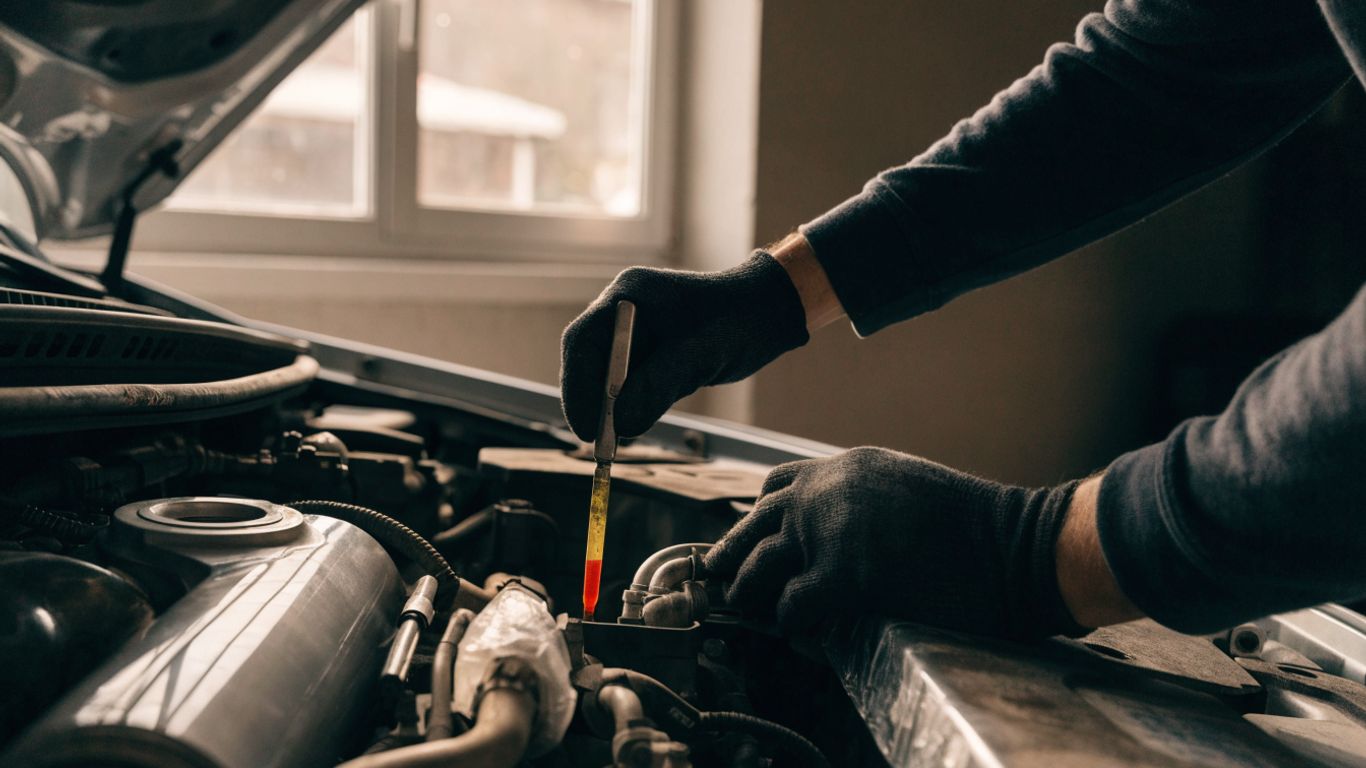
Fluid helps a gearbox operate as designed, but the checking process is not the same for every vehicle. Some gearboxes have a dipstick; others require a specific procedure or professional equipment to check the level. Before opening a cap or adding anything, confirm what your vehicle’s manual says. The right specification and correct level matter more than appearance alone.
How to identify the correct fluid specification
Look up the fluid requirement in the owner’s manual or the vehicle maker’s service information. The specification may be more precise than a general description such as “automatic transmission fluid,” and products that sound similar are not automatically interchangeable. If the instructions are unclear, ask a qualified service professional to confirm the requirement using the vehicle details. Avoid guessing or topping up with a fluid chosen only by color or brand.
When to check fluid level and condition
Check the level only if the maker provides an owner-accessible procedure. Some checks depend on temperature, gear selection, engine state, or a level parking surface; missing one of those steps can make the reading misleading. If your vehicle has no dipstick or calls for a workshop procedure, do not remove plugs or covers to investigate on your own. The service schedule may also specify an inspection or replacement even when no routine owner check is provided.
What fluid color, smell, and texture can indicate
Appearance can offer a clue, but it cannot diagnose the gearbox by itself. Fluid that looks unusually dark, smells burnt, or contains visible debris deserves attention, especially if shifting has changed. Fresh fluid color varies by specification, so color alone is not a reliable universal test. Note what you see and when you noticed it, then compare it with the vehicle’s service guidance or ask a technician to assess it.
Why the wrong fluid or an incorrect level can cause damage
A fluid that does not meet the required specification may not provide the properties the gearbox was designed around. Too little fluid can interfere with operation, while too much may also create problems; the effect depends on the transmission and the circumstances. That is why adding fluid without first confirming the type and checking method can turn a small concern into a larger one. When in doubt, pause and get the correct procedure before making an adjustment.
Build habits that reduce gearbox wear
Routine care is not only about service appointments. How a vehicle is driven, loaded, and parked can affect the demands placed on its transmission. A few steady habits are easy to build into everyday use, though they cannot compensate for missed service or an existing mechanical problem. Aim for smooth operation rather than trying to force the gearbox to respond instantly in every situation.
Let the vehicle warm up before demanding acceleration
After a cold start, give the vehicle a moment to settle and drive gently until it reaches normal operating conditions. There is usually no need to leave a modern vehicle idling for a long time; the manual may provide model-specific advice. Avoid hard acceleration or heavy demands immediately after starting, particularly in very cold weather. A short explainer can help visualize gentle driving and transmission care, but your vehicle’s guidance should still come first.
Use the correct gear and shift smoothly
In a manual vehicle, use the clutch as intended and select a gear suited to your speed and load. Avoid resting a hand on the gear lever or keeping a foot on the clutch pedal, since these habits can add unnecessary pressure or wear. In an automatic, select the requested range only when the vehicle is stopped if the manual calls for it, and allow engagement before accelerating. Smooth, deliberate inputs make it easier to notice when the transmission begins behaving differently.
Avoid towing or overloading beyond vehicle limits
A trailer or heavy cargo increases the work the vehicle must do. Check the limits and towing instructions in the owner’s manual, and use the specified equipment and procedures. If the vehicle is not rated for the load, or if the conditions exceed its stated limits, do not assume a slower pace will make the trip safe for the transmission. Residential maintenance has different concerns—for example, attic insulation and air sealing relate to household comfort, not vehicle loading—so keep advice specific to the system being maintained.
Follow proper procedures when parking on a slope
On a hill, use the parking brake and follow the sequence specified for your vehicle. In many vehicles, setting the brake before selecting Park can help reduce strain on the parking mechanism, but check the manual for the proper method. In a manual vehicle, the recommended gear and parking brake use may depend on the slope and circumstances. Once parked, the vehicle should remain secure without relying on the gearbox alone.
Inspect for leaks and emerging problems
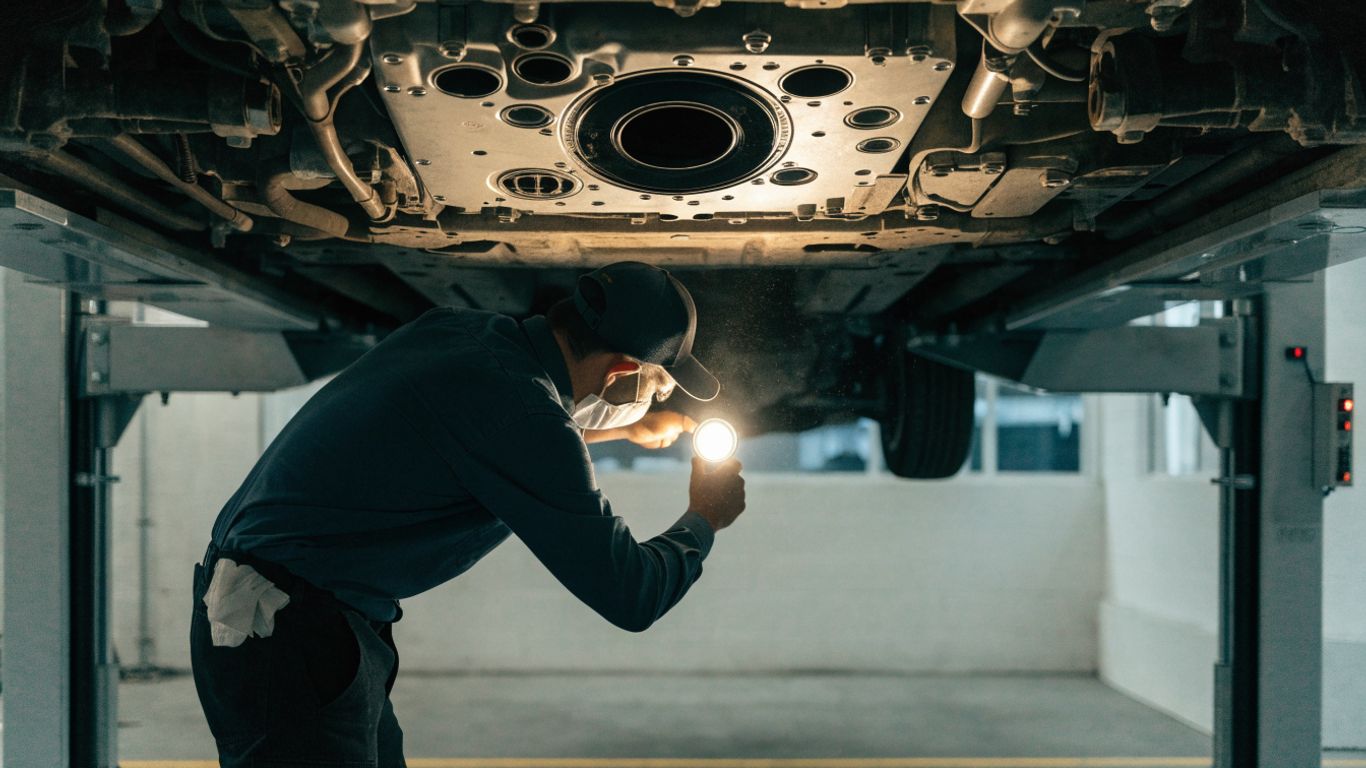
A change in how a vehicle sounds, feels, or responds can be more useful than waiting for a scheduled appointment to find a concern. Look for patterns: when does the symptom happen, how often, and under what conditions? Avoid crawling under a vehicle supported only by a jack or touching hot components. If you notice a leak or a clear change in operation, arrange an appropriate inspection rather than assuming it will resolve itself.
Where gearbox fluid leaks commonly appear
Fluid may appear beneath the vehicle after it has been parked, but its location on the ground does not always identify the source. Leaks can come from seals, joints, or other components, and fluids from different vehicle systems can be difficult to distinguish by sight. Note the approximate location and amount, and avoid driving if the leak is substantial or the vehicle’s behavior changes. In a separate equipment context, this guide to right-angle gearbox warning signs discusses leaks and other concerns for industrial gearboxes.
How to spot unusual noises, vibrations, or smells
Pay attention to new whining, clunking, vibration, or a burnt odor, especially if the change appears during a particular gear or driving condition. A noise may come from somewhere other than the gearbox, so describe what you hear rather than settling on a diagnosis. Keep track of whether the symptom is constant, intermittent, or tied to acceleration, shifting, or temperature. That detail can help a technician reproduce the issue.
What slipping, delayed engagement, or harsh shifts may mean
A gearbox that seems to slip, hesitates before engaging, or shifts more abruptly than usual needs assessment. These symptoms can have several causes, including fluid or mechanical issues, and they do not point to one certain repair on their own. If the problem repeats, worsens, or makes the vehicle hard to control, limit driving and arrange professional advice. A fluid change is not a guaranteed fix for a symptom whose cause has not been identified.
When a warning light calls for prompt attention
A transmission-related warning or a general powertrain warning deserves attention, even if the vehicle still moves. Check the manual for the light’s meaning and any instructions about stopping or continuing. If the vehicle enters a reduced-power mode, shifts unpredictably, or displays a warning alongside unusual noises or smells, stop somewhere safe and seek assistance. Do not ignore a warning simply because it disappears after restarting.
Follow a practical service schedule
A useful service schedule combines the maker’s recommendations with the way the vehicle is actually used. Keep the manual where you can consult it and note what has been checked or replaced. This makes it easier to avoid both missed work and unnecessary repeat service. The table below is a planning aid, not a replacement interval chart; the correct timing depends on the vehicle.
Which checks can be done at home
Home checks are most helpful when they are simple, safe, and specifically permitted by the manufacturer. A quick visual inspection can reveal a new stain or a damaged area, but it will not confirm the source of a leak or the internal condition of the gearbox. A practical routine can include:
- Look for fresh fluid spots where the vehicle is usually parked.
- Notice new sounds, smells, or changes in how shifts feel.
- Check warning indicators and consult the manual when one appears.
- Keep a record of dates, mileage, and any symptoms you observe.
These observations give you useful information to share without asking you to perform a repair. If checking the fluid requires special steps or equipment, leave that task to a qualified professional.
When to replace fluid and filters
The owner’s manual or service schedule should set the timing and requirements for fluid and, where applicable, filter service. There is no universal interval that suits every gearbox, and not every transmission has an owner-serviceable filter. Before authorizing a service, confirm what work is recommended for your model and what procedure will be used. A different field may have its own annual inspection habits; for example, gas fireplace service timing concerns home equipment rather than vehicle maintenance.
How severe use can change service timing
If the manual defines your driving as severe use, follow the corresponding schedule rather than the standard-use interval. Frequent towing, repeated short trips, very hot or cold conditions, and heavy stop-and-go traffic may be relevant depending on the vehicle maker’s criteria. These general examples are not a substitute for the specific definition in your manual. Maintenance advice for another system—such as HVAC service and wear—can illustrate the value of routine checks, but its timing does not apply to a gearbox.
What maintenance records to keep
A clear record helps you and a repair professional see what was done and whether a concern is new. Save invoices and note the date, odometer reading, fluid specification, and any symptoms you reported. For parts needs, our car-parts network connects customers with used, genuine, and aftermarket parts across Melbourne, Sydney, Brisbane, and nationwide; confirm fitment for the exact vehicle before buying. A record of the part and service performed can make future conversations more straightforward.
| Record item | Why it helps |
|---|---|
| Date and odometer reading | Places the work in the vehicle’s service history |
| Fluid or filter specification | Helps confirm what was used |
| Work performed | Distinguishes inspection, adjustment, and replacement |
| Symptoms noted | Gives a technician context if the issue returns |
Keeping these details together makes the history easier to review when planning future service. It is also useful when comparing recommendations or checking whether a repair addressed the original symptom.
Decide when to seek professional service
Some gearbox concerns call for more than observation at home. A qualified technician can follow the correct checking procedure, investigate warning signs, and explain what the findings mean. Describe the symptom in plain terms and share when it occurs; a precise timeline is often more useful than guessing at the failed component. If a repair involves replacement parts, our car-parts network can connect customers with quality used, genuine, and aftermarket options, with fitment confirmed for the vehicle.
Which symptoms need immediate inspection
Seek prompt help if the vehicle cannot engage a gear, slips severely, leaks a large amount of fluid, or develops a warning alongside unusual operation. Burning smells, loud new noises, or sudden changes in control are also reasons to stop safely and ask for assistance. Do not continue driving simply to reach a preferred workshop if the vehicle feels unsafe or the manual advises stopping. When possible, arrange roadside help or towing instead.
What to expect during a diagnostic check
A technician may ask about the conditions in which the symptom occurs, inspect for leaks, check stored fault information, and carry out tests appropriate to the vehicle. The exact process depends on the design and the reported problem. Ask what was found, what evidence supports the diagnosis, and whether the proposed work is urgent or can be monitored. Our car-parts network helps customers find parts nationwide, but diagnosis and confirmation of compatibility should guide any purchase.
How to compare repair estimates and recommendations
Ask for an itemized estimate that separates diagnosis, labor, parts, and any additional work. If two recommendations differ, compare the evidence and the proposed repair scope rather than choosing by price alone. Clarify whether the estimate is final or may change after inspection, and ask what is included in any warranty. Keep the explanation and paperwork with your service records so you can refer back to them later.
Why routine maintenance may not fix existing damage
Maintenance helps keep a serviceable gearbox in line with its requirements; it cannot reverse every kind of wear or mechanical damage. If a symptom is already present, changing fluid or performing routine service may not address its cause. A proper assessment helps separate overdue maintenance from a repair need and prevents assumptions from shaping the decision. Follow the technician’s findings and ask questions if the recommended work is unclear.
Conclusion
Protecting a gearbox is mostly a matter of knowing what your vehicle requires, driving with care, and responding when something changes. Use the manual for fluid specifications and service timing, keep a record of work, and treat persistent symptoms or warning lights as a reason to get qualified advice. A little attention can make maintenance decisions clearer, even when the eventual answer is a professional repair.
Frequently Asked Questions
How often should gearbox fluid be changed?
Use the interval specified in the owner’s manual or service schedule. It varies by vehicle and transmission, and some manufacturers set different schedules for severe use.
Can I check gearbox fluid at home?
Only if the vehicle provides an owner-accessible procedure. Some transmissions require specific conditions, tools, or professional equipment to check the level correctly.
What does burnt-smelling gearbox fluid mean?
It can be a reason to have the vehicle inspected, particularly if shifting has changed. Smell alone does not identify the cause, so share the observation with a qualified technician.
Is it safe to drive with a gearbox leak?
That depends on the size and source of the leak and how the vehicle is operating. A substantial leak, warning light, or change in shifting calls for prompt attention; stop safely if the vehicle feels unsafe.
Should I warm up my vehicle before driving?
Follow the vehicle maker’s guidance. In general, drive gently after a cold start and avoid demanding acceleration until the vehicle has warmed up.
What are signs that a gearbox needs inspection?
New leaks, unusual noises or smells, slipping, delayed engagement, harsh shifts, and warning lights can all warrant an inspection. These signs are not diagnoses by themselves.
Does changing the fluid repair a slipping gearbox?
Not necessarily. Slipping can have multiple causes, and a fluid change may not correct existing damage. Have the cause assessed before assuming routine service will resolve it.