
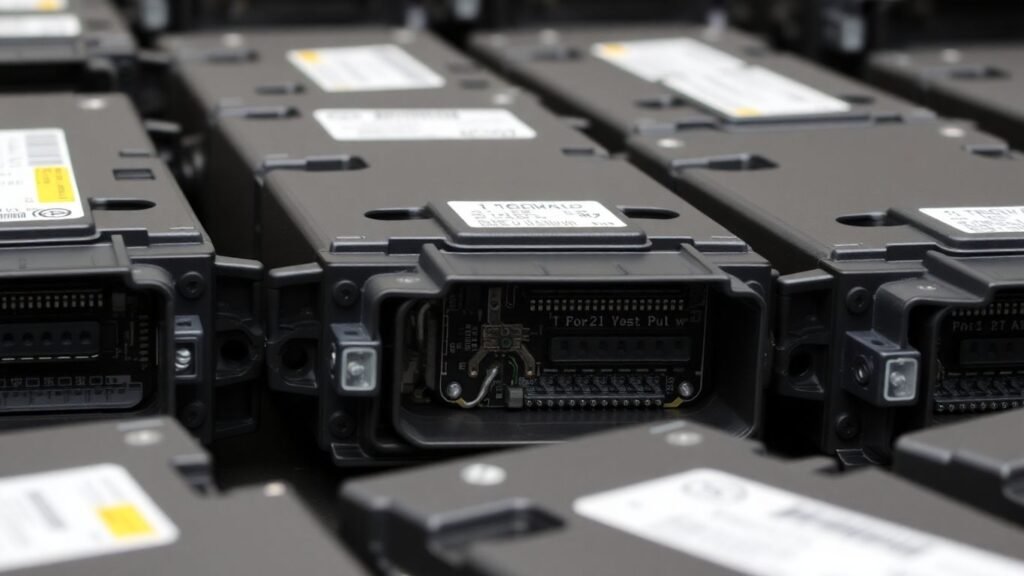
So, you’re looking into getting a new Transmission Control Module (TCM) for your vehicle here in Australia, huh? It can feel a bit like a maze trying to figure out what you actually need. Whether you’re dealing with a diesel engine or just want your automatic transmission to shift smoother, understanding these modules is key. We’ll break down what TCMs do, how to find the right one for your car, and what happens if you decide to tweak things for a bit more performance. Let’s get this sorted.
Key Takeaways
- A Transmission Control Module (TCM) manages your car’s automatic transmission, handling gear shifts and other functions to make sure everything runs smoothly.
- In diesel engines, the TCM specifically controls gear changes, the torque converter, and hydraulic pressure within the transmission.
- While TCMs handle the transmission, a Powertrain Control Module (PCM) covers both the engine and transmission, managing things like fuel economy and emissions.
- TCM tuning can offer benefits like increased torque, better fuel economy by locking the torque converter earlier, and adjusted shift points, but it’s important to know the tools and potential warranty implications.
- Common symptoms of a faulty TCM include shifting issues and communication errors between modules, and knowing when to replace one is important for vehicle performance.
Understanding Transmission Control Modules (TCM) Australia
What is a Transmission Control Module?
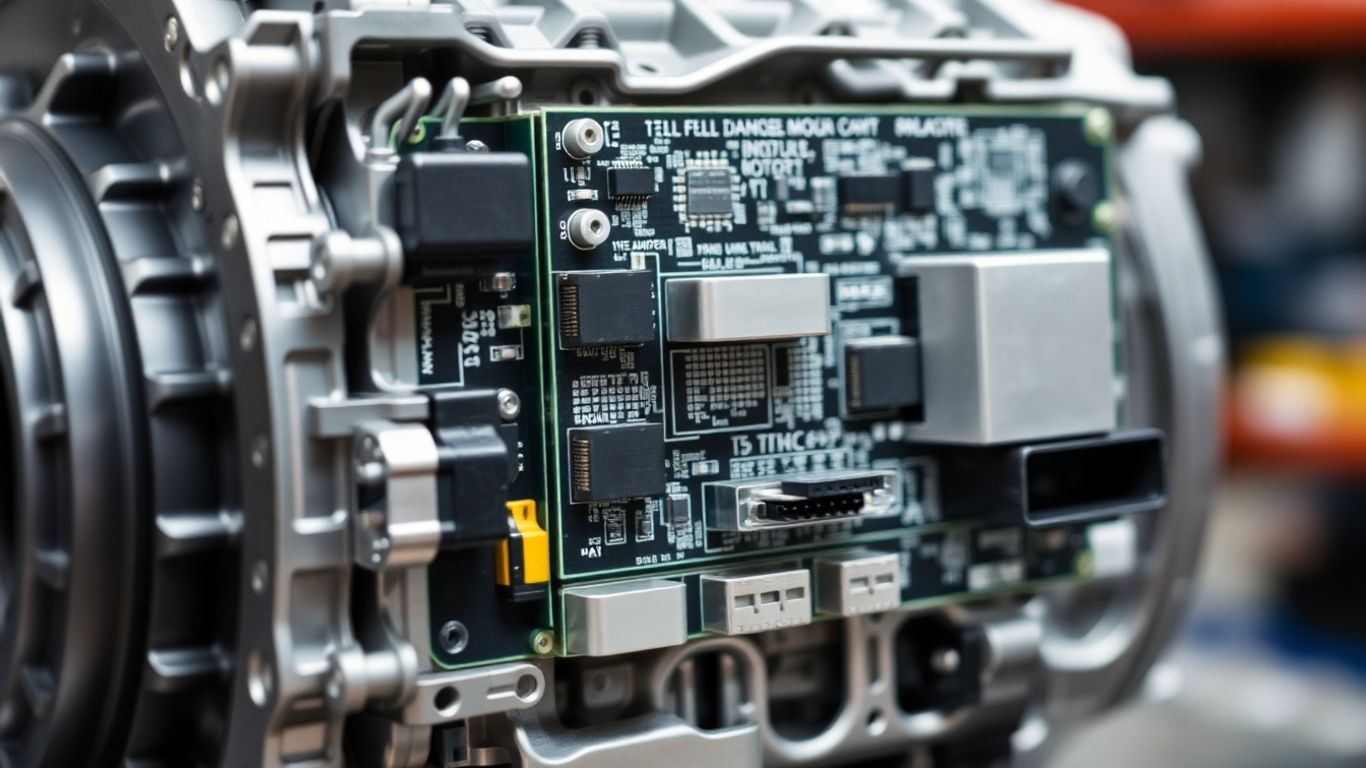
So, what exactly is a Transmission Control Module, or TCM? Think of it as the brain for your car’s transmission. It’s a small computer that talks to various sensors and actuators within the gearbox to make sure everything shifts smoothly and at the right time. Whether you’ve got an automatic, a dual-clutch, or even some advanced manual setups, the TCM is there, quietly doing its job. It’s the unsung hero that ensures your drive is comfortable and efficient. Without a properly functioning TCM, you might notice jerky gear changes, delayed engagement, or even the transmission getting stuck in a particular gear. It’s a pretty vital piece of kit for modern vehicles.
TCM Responsibilities in Diesel Engines
In diesel engines, the TCM plays a particularly important role. Diesels often have higher torque outputs, and the TCM needs to manage this power effectively through the transmission. Its main jobs include:
- Controlling gear shifts: Deciding when to upshift or downshift based on speed, engine load, and throttle position.
- Managing the torque converter: This is the fluid coupling that connects the engine to the transmission. The TCM controls when it locks up to improve efficiency and when it slips to allow for smooth starts.
- Regulating hydraulic pressure: The transmission uses hydraulic fluid to engage gears and clutches. The TCM precisely controls the pressure of this fluid to ensure smooth and timely operation.
These functions are critical for getting the most out of a diesel engine’s power delivery while keeping the transmission from being overworked. A faulty TCM can lead to poor fuel economy, excessive wear on transmission components, and a generally unpleasant driving experience.
Distinguishing TCM from PCM and ECM
It’s easy to get confused between TCM, PCM, and ECM, especially since cars are becoming more computer-controlled. Let’s break it down:
- ECM (Engine Control Module): This module is solely focused on the engine. It manages things like fuel injection, ignition timing, and emissions. If your engine is running rough, the ECM is often the first suspect. You can find more information on common ECM failure symptoms.
- TCM (Transmission Control Module): As we’ve discussed, this one is all about the transmission – gear shifts, clutch engagement, and torque converter operation.
- PCM (Powertrain Control Module): This is the big boss. A PCM combines the functions of both the ECM and the TCM into a single unit. If your vehicle has a PCM, it’s responsible for managing both the engine and the transmission. This integration allows for more sophisticated control over the entire powertrain, optimizing performance and efficiency.
Understanding these distinctions is key when you’re looking to diagnose issues or source replacement parts for your vehicle in Australia.
Identifying and Sourcing TCMs in Australia
Alright, so you’re looking to get your hands on a Transmission Control Module (TCM) here in Australia. It’s not as simple as just walking into any old auto parts store, but it’s definitely doable. You’ve got a few different paths you can take, depending on what you’re after and what vehicle you’ve got.
Common TCM Brands and Models Available
When you start looking around, you’ll notice a few names pop up more than others. Some are more focused on specific vehicle makes, while others aim for a broader range. It’s a bit like choosing a phone brand, really – some people stick with what they know.
- Boostec: They’ve got a line called ProXtreme that’s pretty versatile. It can handle TCM control and even act as a standalone engine control unit for smaller engines, though they have newer models for bigger jobs.
- Aftermarket Specialists: Many smaller companies and tuners focus on specific vehicle models or engine types. You might find solutions tailored for popular 4x4s or performance vehicles.
- OEM Replacements: If you just need a direct replacement for a faulty unit, sticking with the original manufacturer’s part is often the safest bet, though sometimes harder to find for older vehicles.
Vehicle Compatibility and Specific Applications
This is where things get a bit more detailed. A TCM isn’t a one-size-fits-all kind of deal. You need to make sure it’s compatible with your specific vehicle’s make, model, year, and even the transmission type.
Here’s a look at some common applications you might find:
| Vehicle Make/Model | Transmission Type | Notes |
|---|---|---|
| Toyota LandCruiser (200 Series) | 5-Speed / 6-Speed | Specific looms and patch looms available. |
| Ford Ranger / Mazda BT-50 | Various | Often requires specific patch looms for engine conversions. |
| Nissan Patrol (Y62) | Automatic | Tuning options are more common here. |
| Holden Colorado / Isuzu D-Max | Various | Compatibility can vary by year and specific transmission. |
| Universal Applications | N/A | Some standalone units can be adapted, but require significant customisation. |
It’s not just about the engine; the transmission itself has a specific electronic setup that the TCM needs to talk to. So, always double-check those part numbers and application lists.
Where to Purchase Transmission Control Modules
Finding a place to buy a TCM in Australia usually involves a few key spots:
- Specialist Automotive Workshops: Many performance tuning shops or transmission specialists will source and fit TCMs for you. They often have relationships with suppliers and know what works.
- Online Retailers: Websites dedicated to automotive parts, especially those focusing on performance or specific brands like Boostec, are a good bet. Just be sure they ship within Australia and check their return policies.
- Direct from Manufacturers/Distributors: For brands like Boostec, you might be able to buy directly or through their authorised dealers. This can sometimes offer more support.
- Used Parts Market: Places like eBay or local wreckers can be an option, but this comes with risks. You need to be very careful about the condition and compatibility of used modules.
When sourcing a TCM, especially if you’re not replacing an identical faulty unit, it’s wise to have your vehicle’s VIN and transmission model number handy. This information is gold for ensuring you get the right part. Don’t be afraid to ask the seller for detailed compatibility information or even a compatibility check based on your vehicle details. It can save a lot of headaches down the track.
Remember, getting the right TCM is the first step. If you’re planning any modifications or tuning, that’s a whole other ballgame we’ll get into next.
TCM Tuning and Performance Enhancements
Benefits of TCM Remapping
So, you’re thinking about tweaking your transmission control module for a bit more pep? It’s a thing people do, and honestly, it can make a noticeable difference. The main idea behind TCM remapping is to get your transmission to work better with your engine, especially if you’ve made other changes like adding a better exhaust or intake. It’s not just about raw power; it’s about making the whole drivetrain feel more responsive and efficient. For instance, remapping can lift those built-in limits on torque, which means more grunt when you need it. It can also adjust when the transmission shifts gears. Think about it: maybe you want it to hold a gear a little longer when you’re accelerating hard, or shift up sooner when you’re just cruising to save a bit of fuel. Some folks even talk about locking the torque converter earlier. This can lower your engine’s RPMs on the highway, which usually means less noise, lower transmission fluid temperatures, and yes, better fuel economy. It’s all about fine-tuning the gearbox to match how you actually drive and what you’ve done to the engine.
Tuning Tools and Software Options
Getting into TCM tuning means you’ll need the right gear. It’s not like just plugging in a USB stick and hitting ‘go’ for most people. You’ve got a few different types of tools out there:
- Open Source Platforms: These are often professional-grade tools like Alientech Kessv2 or KTAG. They let you read the original software from your TCM, modify it, and then write it back. They’re pretty powerful but usually require some know-how.
- Handheld Tuners: Think of devices like the Alientech Powergate 3 or Bully Dog tuners. These are often simpler to use and might come pre-loaded with different tunes. They’re good for common vehicles and modifications.
- Cloud-Based Systems: Tools like the EZLYNK Auto Agent 2 use cloud services. You connect your vehicle, and the software talks to servers where tunes are stored and managed. This can make it easier to get updates and different tuning options.
- Credit-Based Systems: Platforms like HP Tuners or EFILive work on a credit system. You buy credits to unlock specific vehicle modules or tuning capabilities. They offer a lot of control but can get pricey.
No matter the tool, the basic process is the same: read the original data, make changes, and write the new data back. It’s important to use genuine tools, though. Using knock-off versions can sometimes mess up your TCM, leaving you with a very expensive paperweight.
Impact on Torque Limiters and Shifting Points
When you remap a TCM, you’re essentially telling the transmission how to behave. One of the big things tuners adjust is the torque limiter. Your car’s computer has these limits set to protect the transmission from too much stress. By carefully raising these limits, you can allow more power from the engine to reach the wheels, especially if you’ve upgraded other engine components. It’s like removing a governor that was holding things back.
Then there are the shift points. This is when the transmission decides to change gears. You can tell it to shift:
- Later: This keeps the engine in its power band longer during acceleration, giving you a stronger push.
- Earlier: This can help with fuel economy by getting you into higher gears at lower speeds.
- More aggressively: Some tunes can make shifts feel quicker and more direct, which many performance enthusiasts prefer.
Adjusting these points, along with line pressure (which affects how firmly the clutch packs engage), can make a huge difference in how your vehicle feels to drive. It’s about making the transmission work in harmony with your driving style and any engine mods you’ve done.
It’s really important to find a tuner who knows what they’re doing. They need to understand how the transmission works and how changes will affect other parts of the drivetrain. A bad tune can cause more problems than it solves, leading to premature wear or even damage. Always ask about their experience and what kind of support they offer if something doesn’t feel right after the tune.
Troubleshooting and Maintenance of TCMs
So, your transmission’s acting a bit funny, huh? Maybe it’s slipping gears, or the shifts feel rougher than a gravel road. Before you panic and think you need a whole new gearbox, let’s talk about the Transmission Control Module, or TCM. This little computer brain is pretty important for how your car shifts gears, and sometimes, it’s the culprit behind those transmission woes.
Common Symptoms of a Faulty TCM
When a TCM starts to go south, it doesn’t usually just quit. It tends to give you some warning signs. Keep an eye out for these:
- Check Engine Light or Transmission Warning Light: This is the most obvious one. If a warning light pops up on your dash, it’s your car telling you something’s up.
- Harsh Shifting: Gears might engage with a jolt, or you might feel a clunk when it shifts.
- Slipping Gears: The engine revs up, but the car doesn’t seem to pick up speed like it should. It feels like it’s not quite catching.
- Inability to Shift: Sometimes, the car might get stuck in one gear, often a ‘limp mode’ gear, to prevent further damage.
- Delayed Shifting: It takes longer than usual for the transmission to change gears.
- Overheating Transmission Fluid: While not always a TCM issue, a faulty module can sometimes contribute to this.
Diagnostic Codes Related to Transmission Control
When you take your vehicle to a mechanic, they’ll hook it up to a diagnostic scanner. This tool reads trouble codes stored in the car’s computer. For TCM issues, you might see codes like:
- P07xx Series Codes: These are generally transmission-related. For example, P0740 often points to a torque converter issue, while P0750 might indicate a shift solenoid problem, which the TCM controls.
- Specific TCM Communication Codes: Codes indicating a loss of communication between the TCM and other modules (like the ECM or PCM) can also point to a TCM problem or a wiring issue affecting it.
It’s important to note that these codes aren’t always a direct "TCM is bad" message. They often indicate a symptom that the TCM is detecting, which could be a sensor, a solenoid, or wiring. A mechanic needs to properly diagnose the root cause, not just replace the module based on a code alone.
When to Replace a Transmission Control Module
Replacing a TCM isn’t usually the first step in troubleshooting. Mechanics will typically check:
- Transmission Fluid: Is it at the right level and condition? Old, burnt fluid can cause all sorts of transmission problems.
- Sensors and Solenoids: These are the components that actually do the work of shifting gears. They can fail independently of the TCM.
- Wiring Harness: Damaged or corroded wires can prevent the TCM from communicating properly with the rest of the transmission.
If all these other components check out and the diagnostic data still points to an internal issue with the module’s logic or control, then replacement becomes the likely solution. Sometimes, a TCM can be repaired, but often, especially with newer vehicles, replacement is the more practical route. It’s a part that requires programming to your specific vehicle, so a new or remanufactured unit is usually the way to go.
Dealing with transmission problems can be a real headache. It’s easy to jump to conclusions, but a systematic approach is key. Start with the basics like fluid and filters, then move to sensors and wiring before considering the TCM itself. Getting a professional diagnosis is usually worth the cost to avoid replacing parts unnecessarily.
Advanced TCM Solutions and Customisation
Integrating TCMs with Engine Control Units
So, you’ve got your transmission control module (TCM) sorted, but what about linking it up with the engine control unit (ECU)? It’s not always a simple plug-and-play situation, especially when you’re looking at aftermarket setups or trying to get the most out of a modified vehicle. Some systems are designed to talk to each other over a CAN bus, which is pretty standard these days. Think of it like giving your engine and transmission their own private phone line so they can share information instantly. This connection is key for things like making sure the transmission shifts smoothly based on what the engine is doing, or vice versa. For example, if the engine suddenly needs more power, the TCM needs to know so it can select the right gear. It’s all about making them work together, not against each other.
Real-Time Customisation Capabilities
This is where things get really interesting. Forget having to pull over, shut down the car, and wait for ages to make a simple tweak. Some advanced TCMs let you change settings while you’re actually driving. Imagine adjusting shift points or torque converter lock-up on the fly, just from a laptop connected to the system. It’s a game-changer for tuning. You can see exactly how a change affects the car’s performance right then and there. Once you’re happy with the adjustments, you just save them, disconnect your laptop, and you’re good to go. It makes the whole tuning process way more dynamic and less of a guessing game.
Standalone TCM Applications
Sometimes, you might not even need a separate ECU for your transmission control. Certain standalone TCM units are powerful enough to manage the transmission entirely on their own. They can handle everything from gear selection to hydraulic pressure control without needing to be constantly linked to an engine management system. This is particularly useful for custom builds, race cars, or vehicles where the original ECU has been removed or heavily modified. These standalone units often come with their own software, allowing for deep customisation of shift strategies, line pressures, and torque management, giving you complete control over your vehicle’s driveline.
When you’re looking at advanced TCM solutions, it’s not just about raw power. It’s about precision and control. The ability to fine-tune how your transmission behaves under different conditions can make a huge difference in drivability, fuel economy, and overall performance. Don’t underestimate the impact of these sophisticated electronic brains on your vehicle’s character.
Warranty Considerations for TCM Modifications
So, you’ve been looking into tweaking your vehicle’s transmission control module, maybe for better shifting or a bit more pep. That’s cool, but before you dive in, let’s talk about the elephant in the room: warranty. It’s a big one, and honestly, it can get a little murky.
Dealer Attitudes Towards TCM Tuning
Most car manufacturers and their dealerships aren’t exactly thrilled about aftermarket modifications, especially when it comes to the powertrain. They often see TCM tuning as a way to push the transmission beyond its designed limits. This can lead to them denying warranty claims if they suspect a modification caused the issue. It really depends on the dealer, though. Some are more laid-back, especially if the tune is subtle and the vehicle is otherwise stock. Others will scrutinize everything. It’s a bit of a gamble, really.
Maintaining Driveline Warranty
Keeping your driveline warranty intact after TCM modifications isn’t always straightforward. If you’re pushing significantly more torque than the transmission was built for, a failure could easily be blamed on the tune. Some tuners might suggest reverting the TCM to its factory settings before taking it in for service, but there’s no guarantee this will fool the dealer’s diagnostic tools. It’s a bit of a cat-and-mouse game.
Here’s a quick rundown of what dealers often look for:
- Unusual Diagnostic Trouble Codes (DTCs): Modified software can sometimes throw codes that don’t make sense in a stock context.
- Flash Count: Some systems can track how many times the ECU or TCM has been reprogrammed.
- Physical Evidence: Obvious signs of tampering or non-standard wiring.
- Performance Deviations: If the vehicle is performing wildly outside of expected parameters.
Reasonable Expectations for Repairs
When it comes to repairs, it’s all about reasonableness. If you’ve significantly increased the power output of your engine through TCM tuning, and then your transmission suddenly gives up the ghost, it’s probably not reasonable to expect the manufacturer to cover it. They designed the transmission to handle a certain amount of stress, and if you’ve pushed it way past that, you’re generally on your own. However, if a transmission component fails due to a manufacturing defect, and your TCM tune is relatively mild and doesn’t drastically alter torque output, you might have a stronger case for a warranty claim. It’s a tough line to walk, and getting any agreement in writing from your dealer beforehand is always the safest bet, though often difficult to obtain. For parts that are altered, dismantled, or tampered with by an unauthorized individual, the warranty is typically void, as per T & H Wreckers’ terms.
Ultimately, modifying your TCM comes with inherent risks to your warranty coverage. While many enthusiasts accept this risk for the performance gains, it’s vital to understand the potential consequences. If maintaining a factory warranty is your top priority, it might be best to leave the TCM untouched or consult directly with your dealership about their specific policies on such modifications before proceeding.
Wrapping It Up
So, finding the right TCM in Australia might seem a bit tricky with all the different options out there. But remember, it’s all about matching your vehicle’s needs with the right module. Whether you’re looking to fix a transmission issue or maybe even boost performance a bit, taking the time to figure out what you need is key. Don’t be afraid to ask questions and do your homework. Getting the right TCM means your ride will run smoother and you’ll avoid a lot of headaches down the road. Happy motoring!
Frequently Asked Questions
What exactly is a Transmission Control Module (TCM)?
Think of the TCM as the brain for your car’s transmission. It’s a small computer that tells the transmission when to shift gears, how to manage the torque converter, and ensures everything happens smoothly and at the right time. If your transmission is acting up, the TCM is often the culprit.
How is a TCM different from a PCM or ECM?
It’s like having different specialists in your car’s computer system. The ECM (or ECU) focuses just on the engine, managing things like fuel and air. The TCM is dedicated to the transmission. The PCM is the boss of both, controlling both the engine and the transmission, making it the most comprehensive.
What are the benefits of remapping a TCM?
Remapping your TCM can make your transmission shift gears more crisply and at different times. It can also help the torque converter lock up sooner, which can mean better gas mileage and less heat. Basically, it can make your transmission perform better and feel more responsive.
Can I buy TCMs for specific car models in Australia?
Yes, you can! Many companies offer TCMs designed for specific makes and models, especially popular ones like Toyota, Ford, and Mitsubishi. It’s important to match the TCM to your vehicle’s exact specifications to ensure it works correctly.
What are common signs that my TCM might be failing?
You might notice erratic shifting, like the transmission hesitating or shifting at odd times. You could also experience a ‘check engine’ light, transmission slipping, or even the transmission getting stuck in a certain gear. Sometimes, you might even smell burning.
Will modifying my TCM affect my car’s warranty?
This can be tricky. Most dealers won’t cover repairs if they believe your modifications caused the problem. However, if the modification is minor and doesn’t seem related to the issue, some dealers might be more understanding. It’s best to check with your dealer beforehand, and always get any agreements in writing.