Looking for the right engine and gearbox for your car in Australia can feel like a maze. You want something reliable, something that fits your ride, and you definitely don’t want to get ripped off. This guide is here to help you figure out what’s what, from understanding the technical bits to finding actual shops that know their stuff. We’ll cover everything from standard replacements to beefed-up performance parts, so you can stop stressing and start driving.
Key Takeaways
- When picking an engine or gearbox, check the specs carefully. Things like the engine code, year, and even the number of bolts on the gearbox can make a big difference in whether it’ll fit your car. Don’t just assume they’re all the same.
- Reputation matters a lot when choosing a supplier. Look for places with good reviews and a solid history. Also, always check what kind of warranty they offer – a good warranty means they stand behind their products.
- Remanufactured gearboxes can be a smart choice, often fixing known issues in original parts. For serious performance needs, specialized gearboxes are available, but they might not be ideal for daily driving.
- Don’t overlook smaller parts like transmission mounts and mechatronic units. These components play a big role in how your car drives and feels, and getting the right ones is important.
- Buying used parts can be risky. Subaru gearboxes, for example, can look similar but have crucial differences that make them incompatible. Always confirm compatibility before buying, especially with second-hand items, to avoid costly mistakes.
Understanding Engine and Gearbox Options
Identifying the Right Engine Specifications
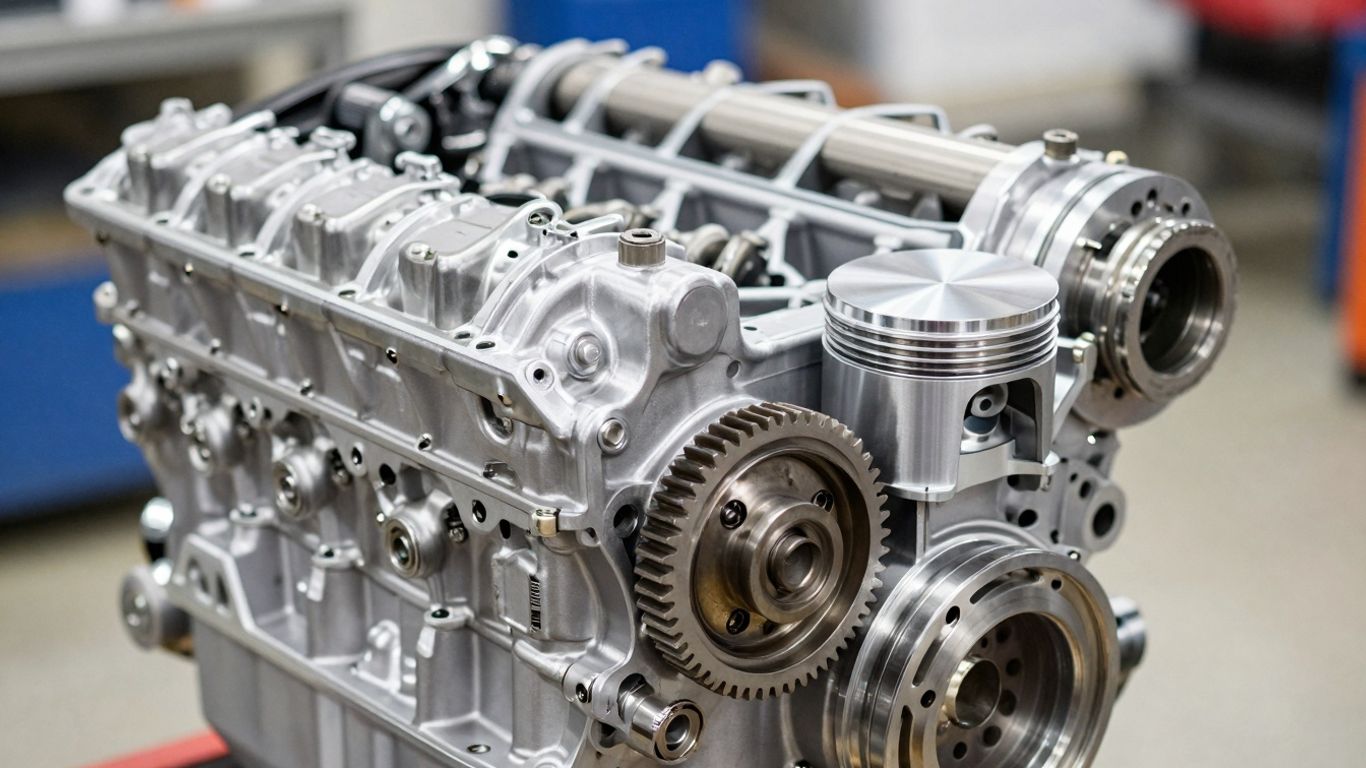
When you’re looking for a new engine or even just parts, knowing the exact specs is super important. It’s not just about the make and model of your car; you’ve got to get down to the nitty-gritty. Think about the engine code, the year it was made, and even specific features like whether it’s naturally aspirated or turbocharged. For example, a Subaru WRX from the late 90s (GC8 chassis) with an EJ205 engine is quite different from a later model WRX with the same engine code but a different chassis. Suppliers often list compatibility by engine code and chassis, which is a good starting point. Getting these details right upfront saves a ton of hassle and potential costs down the line.
Navigating Gearbox Types and Compatibility
Gearboxes, or transmissions, are just as complex as engines. You’ve got different types like manual, automatic, CVT, and dual-clutch. Beyond that, there are internal differences. For instance, Subaru uses different gearbox types depending on the model and year, like the "pull" type versus the "push" type, and whether it has 4 or 8 bolts. These aren’t minor details; they affect how the gearbox bolts up to the engine and driveshaft. A "pull" type gearbox might not fit where a "push" type is designed to go. Always check the specific gearbox model number (like the TY752, TY753, etc., for Subaru) and its compatibility with your vehicle’s drivetrain. It’s a bit like trying to fit a square peg in a round hole if you get it wrong.
Choosing Between Manual and Automatic Transmissions
This is a classic debate, and the choice really depends on what you want from your car. Manual transmissions give you more control over the engine’s power and can be more engaging to drive, especially if you enjoy a more hands-on experience. They often have fewer complex parts, which can sometimes mean simpler repairs. Automatic transmissions, on the other hand, offer convenience, especially in stop-and-go traffic. Modern automatics are incredibly efficient and can shift faster than a human ever could. Then you have variations like Continuously Variable Transmissions (CVTs) which aim for optimal fuel economy by constantly adjusting the gear ratio. For performance applications, especially in motorsport, the choice becomes even more critical, with straight-cut dog engagement gearboxes offering maximum strength but sacrificing daily drivability. It’s a trade-off between control, comfort, and performance needs.
Key Considerations for Australia’s Best Suppliers
When you’re on the hunt for engine and gearbox suppliers in Australia, it’s not just about finding the cheapest part. You’ve got to look at the whole picture. The reputation and reliability of a supplier can save you a massive headache down the road. Think about it – you want someone who knows their stuff and won’t leave you stranded with a faulty component.
Here are a few things to keep in mind:
- Supplier Reputation and Reliability: Do they have good reviews? Are they known for quality parts and honest dealings? A quick search online or asking around your local car community can give you a good idea. Look for suppliers who have been around for a while and have a solid track record. It’s worth checking out customer feedback, like the experiences shared by people who have dealt with places like The Gearbox Centre.
- Warranty and After-Sales Support: What happens if the part you buy isn’t quite right, or if it fails sooner than expected? A good supplier will stand behind their products with a decent warranty. This shows they have confidence in what they’re selling and are willing to help you out if something goes wrong. Don’t be afraid to ask about their warranty policy before you buy.
- Availability of Specific Models and Parts: Sometimes you need a very specific engine or gearbox for a particular make and model, or even a performance upgrade. Some suppliers specialise in certain brands or types of vehicles, which can be a huge advantage. If you’re looking for something a bit niche, finding a specialist supplier is often your best bet.
It’s also smart to think about the long term. What kind of support do they offer after the sale? Do they have knowledgeable staff who can answer your questions? Getting the right advice upfront can prevent costly mistakes later on.
Choosing a supplier is more than just a transaction; it’s about building a relationship with someone who can support your vehicle’s needs. A reliable supplier can be a valuable resource for advice and future parts.
Evaluating Remanufactured and Performance Gearboxes
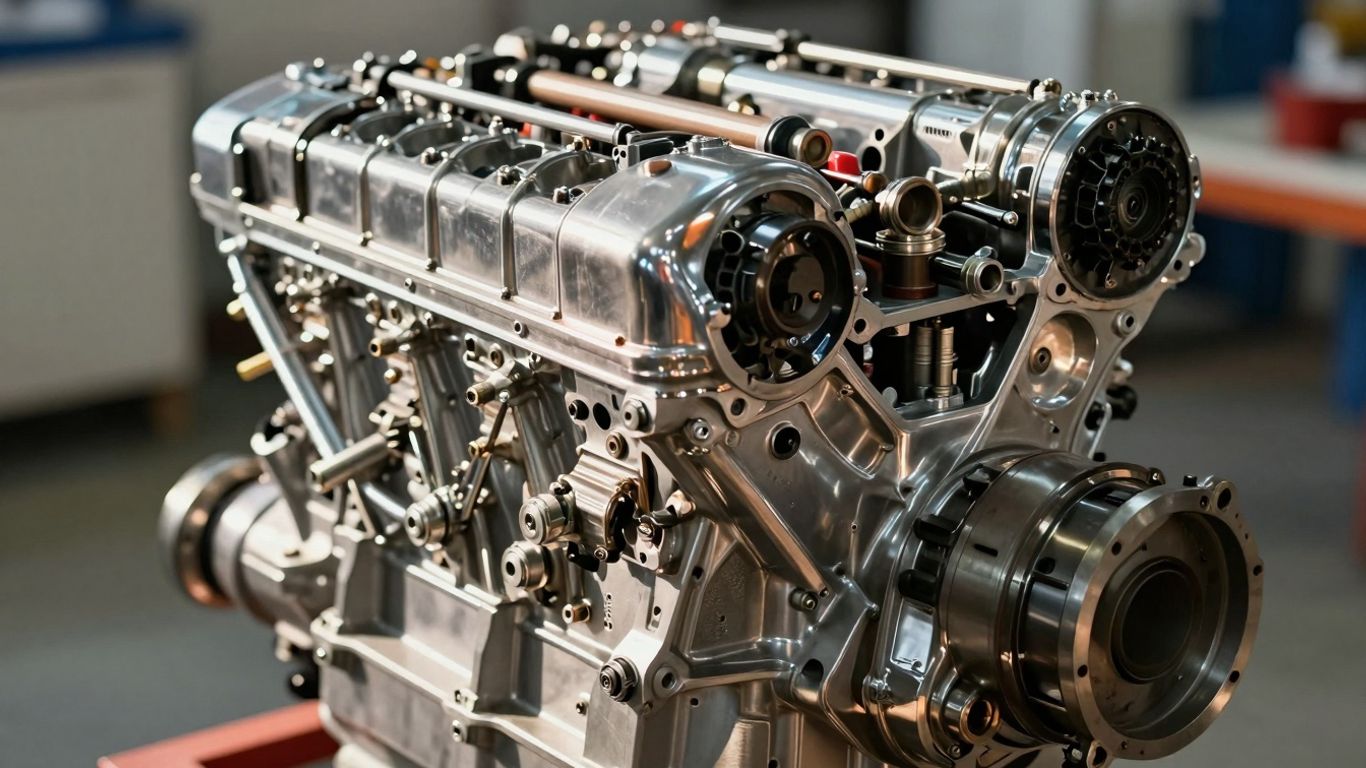
When your car’s engine needs a new lease on life, the gearbox is just as important as the engine itself. You’ve got a few main paths to go down here: buying a brand-new unit, opting for a second-hand one, or choosing a remanufactured or performance gearbox. While new is always nice, it’s often super expensive. Second-hand can be a gamble – you never quite know what you’re getting, and hidden issues can pop up later, costing you more in the long run. That’s where remanufactured and performance gearboxes really shine.
The Benefits of Remanufactured Transmissions
Remanufactured transmissions are basically old units that have been completely taken apart, cleaned, inspected, and rebuilt with new or reconditioned parts. Think of it like giving a classic car a full restoration – everything is brought back to its original, or even better, condition. This process is way more thorough than a simple repair or rebuild.
- Quality Control: Every single part is checked. Worn-out bits are replaced, and everything is put back together to strict standards.
- Reliability: Because they’re rebuilt with such care, remanufactured units are generally very reliable, often performing as well as, or even better than, a new one.
- Warranty: Most reputable suppliers offer a solid warranty on remanufactured gearboxes, giving you peace of mind.
- Cost-Effective: They’re usually cheaper than brand-new units but offer much more certainty than a used one.
Remanufacturing goes beyond just fixing what’s broken. It involves a complete overhaul, ensuring every component meets high standards, often using upgraded parts for improved durability and performance compared to the original.
Performance Gearboxes for Demanding Applications
If you’re pushing your vehicle hard, whether it’s for racing, towing heavy loads, or just spirited driving, a standard gearbox might not cut it. Performance gearboxes are designed with extra strength and durability in mind.
- Upgraded Internals: They often feature stronger gears, improved synchronizers, and more robust bearings to handle increased power and torque.
- Better Cooling: Some performance units might have features to help with heat management, which is vital under heavy use.
- Optimized Ratios: Depending on the application, gear ratios might be adjusted for quicker acceleration or better high-speed cruising.
Understanding Different Quality Levels
Not all rebuilt or remanufactured gearboxes are created equal. Suppliers often have different tiers, and it’s good to know what you’re getting:
- Economy/Rebuilt: This is usually the most budget-friendly option. It involves replacing obviously worn parts and servicing others. It’s a decent fix for older cars or when money is tight, but don’t expect it to last as long as a higher-spec unit. Warranty periods are typically shorter.
- Value/Reconditioned: This level steps things up with more new parts, especially for key components like gears. It’s a good middle ground, offering better reliability than an economy rebuild.
- Performance/Remanufactured: This is the top tier. It involves a complete rebuild with high-quality parts, often including performance enhancements. These units are built for maximum durability and performance and usually come with the longest warranties.
Specialized Components and Their Importance
The Role of Mechatronic Units in Modern Transmissions
Think of the mechatronic unit as the brain of your transmission, especially in newer automatic and dual-clutch systems. It’s a complex piece of tech that uses sensors and electronic controls to manage things like clutch engagement and gear changes. A well-functioning mechatronic unit is key to smooth shifting and overall transmission health. If this part isn’t working right, you might notice jerky shifts, trouble getting into gear, or even warning lights on your dashboard. Getting a quality unit means your car will shift gears quickly and reliably, which is pretty important for a good driving experience.
Transmission Mounts for Stability and Comfort
These might not sound like much, but transmission mounts are pretty vital. They’re basically the shock absorbers for your gearbox, holding it in place while soaking up all the vibrations. Without good mounts, you’d feel every little bump and rumble from the engine and transmission right through the car. This can make for a really uncomfortable ride and put extra stress on other parts.
Here’s a quick rundown of why they matter:
- Vibration Dampening: They absorb the shakes and rattles, making your drive quieter and smoother.
- Component Protection: By limiting movement, they stop the transmission from banging around, which can prevent damage.
- Vehicle Stability: A secure transmission means better control and a more stable feel when you’re driving.
Transfer Cases for Enhanced Drivability
If your vehicle has four-wheel drive or all-wheel drive, you’ve got a transfer case to thank for that. This component sits between the transmission and the drive axles, splitting the engine’s power to all the wheels. It’s what gives you that extra grip when you’re on slippery roads or tackling rough terrain. Keeping your transfer case in good shape is a big deal for traction and making sure your drivetrain lasts.
A properly functioning transfer case ensures that power is sent to the wheels that need it most, improving your car’s ability to handle different surfaces and conditions. It’s a critical link in the chain for vehicles designed for more than just smooth pavement.
Ensuring Compatibility and Avoiding Pitfalls
So, you’ve figured out the engine and gearbox you want. Great! But before you hand over your cash, there are a few tricky bits to watch out for. Getting the wrong part can turn a simple fix into a major headache, costing you time and money. It’s like trying to fit a square peg in a round hole – it just doesn’t work.
The Challenge of Interchanging Subaru Gearboxes
Subaru owners, listen up. If you’ve got a Subaru, you know they have their quirks. When it comes to gearboxes, things can get complicated fast. Not all gearboxes are created equal, even within the same model line. For example, a gearbox from a WRX might look similar to one from an Impreza, but the internal ratios, mounting points, and electronic connections could be totally different. Always double-check the specific part numbers and consult with a Subaru specialist before assuming a gearbox will swap over. It’s better to be safe than sorry.
Risks Associated with Second-Hand Parts
Buying used parts can save you a buck, no doubt. But it’s a bit of a gamble. You don’t always know the history of that second-hand engine or gearbox. Was it maintained well? Was it in an accident? How many kilometers does it really have on it? Sometimes, a part might look okay on the outside but have internal wear that’s not visible. You could end up with something that fails sooner rather than later.
Here are a few things to think about when considering used parts:
- Ask for proof of origin: Where did the part come from? Was it from a running vehicle?
- Check for visible damage: Look for cracks, leaks, or signs of overheating.
- Inquire about warranty: Some sellers offer a limited warranty, even on used parts. This can be a lifesaver.
- Consider the seller’s reputation: Are they a reputable dealer or just someone clearing out their garage?
Importance of Correct Final Drive Ratios
This one’s a bit technical, but it’s super important, especially if you’re swapping out a gearbox or differential. The final drive ratio is basically how many times the driveshaft turns for each turn of the wheel. If you get this wrong, your car’s performance can be way off. It affects acceleration, fuel economy, and even how your speedometer reads. A mismatch can put extra strain on your engine and transmission, leading to premature wear.
Getting the final drive ratio right is key to your vehicle’s overall performance and longevity. It’s not just about fitting a part; it’s about making sure all the components work together harmoniously. A little research here can save you a lot of trouble down the road.
It’s worth noting that different vehicle configurations (like 2WD vs. 4WD) will also have different requirements. Always confirm the correct ratio for your specific vehicle model and year.
Finding Premium Engine and Transmission Parts
So, you’ve got your engine sorted, and you’ve figured out the gearbox situation. Now comes the part where you actually need to find the bits and pieces to make it all happen. It’s not always as simple as walking into any old shop and grabbing what you need, especially if you’re after something specific or want parts that are going to last.
GMS Spares: A Hub for Transmission Components
When you’re looking for transmission parts, GMS Spares is a place worth checking out. They’ve got a pretty big stock of stuff, including new, used, and aftermarket bits. This means you’ve got options, whether you’re trying to save a buck or need something that’s no longer made by the original manufacturer. They seem to focus on quality, so you don’t have to worry too much about what you pick, as long as it’s from them. They even have things like mechatronic units and transmission mounts, which are pretty important for how your car feels on the road.
All Drive Subaroo: Expertise in Subaru Gearboxes
If you’re driving a Subaru, things can get a bit tricky. They have their own way of doing things, and not every shop knows them inside out. That’s where places like All Drive Subaroo come in. They really know their stuff when it comes to Subaru gearboxes. They offer reconditioned transmissions with warranties, which is a big plus. They’ve got different levels of rebuilds, from basic to more involved, so you can pick what fits your budget and how long you want it to last. They even use genuine Subaru gaskets and seals, which shows they’re paying attention to the details.
Choosing Suppliers for Optimal Vehicle Performance
Picking the right supplier isn’t just about getting a part; it’s about getting the right part that will keep your car running well. Think about what you need:
- Availability: Can they actually get the part you need, or are you going to be waiting around for ages?
- Quality: Are they selling parts that are known to be reliable, or are they just cheap knock-offs?
- Support: What happens if something goes wrong? Do they offer a warranty or help you out if there’s a problem?
It’s easy to get caught up in just finding the cheapest price, but sometimes that ends up costing you more in the long run. A slightly more expensive part from a reputable supplier can save you a lot of headaches down the road. Think about it like buying tools – a cheap wrench might work for a bit, but a good one will last you forever and won’t round off your bolts.
Here’s a quick look at what some suppliers focus on:
| Supplier Type | Specialisation | Key Benefit |
|---|---|---|
| GMS Spares | Transmission parts (new, used, aftermarket) | Wide selection, quality assurance |
| All Drive Subaroo | Subaru gearboxes (reconditioned, performance) | Subaru-specific knowledge, warranties |
| General Parts Stores | Common engine and transmission components | Accessibility for everyday repairs |
| Performance Shops | Upgraded or high-performance engine/gearbox parts | Increased power and durability for enthusiasts |
Ultimately, finding the right parts means doing a bit of homework. Look for suppliers who know their products, stand behind them, and can help you make the best choice for your specific vehicle and needs. It makes a big difference.
Wrapping It Up
So, finding the right engine, gearbox, or transmission supplier in Australia can feel like a big job. There are a lot of options out there, and it’s easy to get lost in the details, especially with all the different specs and models. We’ve looked at a few different approaches, from getting a solid rebuilt unit for everyday driving to going all out for serious performance or off-roading. Remember to check compatibility carefully – those small differences can cause big headaches later on. Whether you’re after a basic fix or something built for the track, taking your time to find a reputable supplier with good support and a decent warranty is the way to go. It’s better than rolling the dice on something that might not fit or could break down soon after.
Frequently Asked Questions
What’s the difference between a rebuilt and a remanufactured gearbox?
A rebuilt gearbox is like giving an old one a tune-up with some new parts. A remanufactured gearbox, on the other hand, is taken apart, checked thoroughly, and rebuilt with many new, improved parts to fix any known issues and make it stronger and more reliable than the original. Think of remanufactured as a complete upgrade.
Why are some Subaru gearboxes not interchangeable?
Even though some Subaru gearboxes look similar, they can have small differences in their parts. These tiny changes can mess up how the car drives, affect the speedometer, or even damage other parts of the car if you use the wrong one. It’s super important to get the exact match for your car model.
What is a ‘Best Choice’ gearbox?
A ‘Best Choice’ gearbox is a premium option that’s been rebuilt with upgraded parts to be extra reliable and perform really well. It often includes new or improved internal parts that fix common problems found in regular factory gearboxes, giving you a more durable and better-performing transmission.
Are second-hand gearboxes a good idea?
Buying a used gearbox can be risky. You don’t know its history or if it has hidden problems. It might seem cheaper at first, but if it breaks soon after, you’ll end up spending more on repairs. A reliable supplier offering a warranty on rebuilt or remanufactured gearboxes is usually a safer bet.
What is a mechatronic unit in a transmission?
A mechatronic unit is like the brain of some modern automatic transmissions, especially ones like the Direct Shift Gearbox (DSG). It uses special fluid pressure to control the clutches and make gear changes happen super fast and smoothly, helping your car accelerate better and use less fuel.
How important are transmission mounts?
Transmission mounts are really important! They hold your gearbox in place and soak up a lot of the shaking and noise that comes from the engine and transmission. A good mount keeps your car steady, makes the ride smoother and quieter, and helps prevent extra wear and tear on other parts.