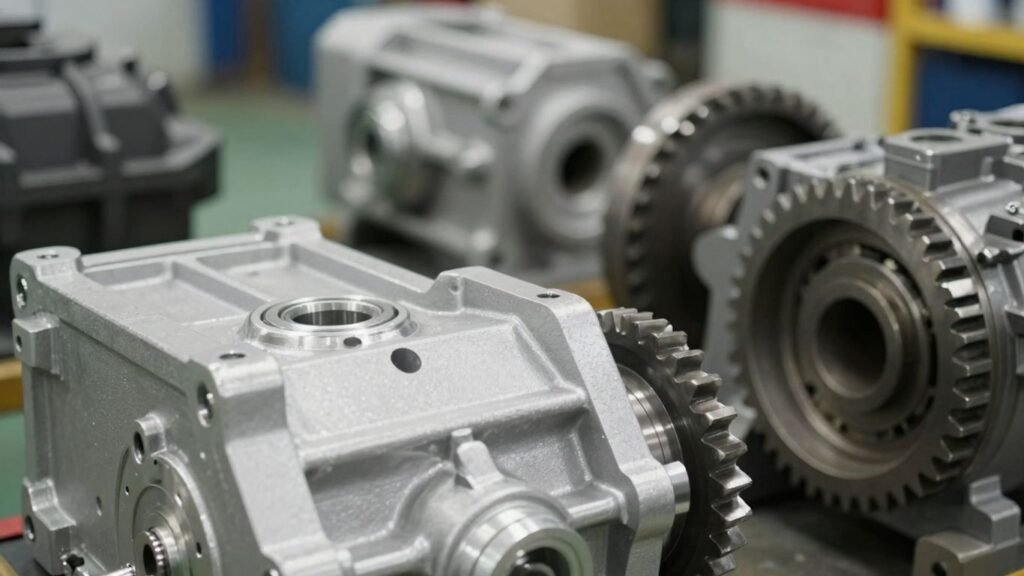
Finding a cheap gearbox supplier in Australia can feel like a real mission. You need something that works, won’t break the bank, and ideally, won’t give you a massive headache down the track. Whether you’re fixing up an old ute, upgrading your weekend cruiser, or just need a solid replacement for your daily driver, the options can seem pretty overwhelming. This guide is here to help you sort through the noise and find some reliable places to get your hands on a gearbox without emptying your wallet.
Key Takeaways
- When looking for a gearbox, understand the difference between rebuilt (patched up) and remanufactured (like new) units to make a smart choice for your budget and needs.
- Buying second-hand gearboxes is risky; they might have hidden problems that end up costing more than a rebuilt or remanufactured option.
- Gearboxes come in different performance levels, from standard for daily driving to heavy-duty or motorsport versions, so pick one that matches how you use your vehicle.
- Always check that a gearbox is compatible with your car’s specific transmission numbers, and don’t hesitate to ask experts for help if you’re unsure.
- Look for suppliers who test their gearboxes thoroughly and offer good warranties, giving you peace of mind about the quality and reliability of your purchase.
Navigating The Australian Gearbox Market
So, you’re in the market for a new gearbox. It’s a pretty big deal for your vehicle, and picking the wrong one can turn into a real headache. Whether you need something tough for the rough stuff or just a reliable replacement, finding the right unit that can be shipped across Australia is key. This guide is here to help you sort through the options so you don’t end up with a dud.
Understanding Rebuilt Versus Remanufactured Gearboxes
When you’re looking at gearboxes, you’ll often see them described as ‘rebuilt’ or ‘remanufactured’. They sound similar, but there’s a difference. A rebuilt gearbox is one that’s been put back together using a mix of new and serviceable used parts. It’s usually a more budget-friendly choice. A remanufactured gearbox, though, goes a step further. It’s rebuilt to a higher standard, often with more new components and stricter quality control, aiming to be as good as, or even better than, when it first left the factory. Think of it like a standard repair versus a complete overhaul designed for maximum longevity.
Exploring Different Gearbox Performance Levels
Gearboxes aren’t one-size-fits-all. You’ll find different levels designed for various uses and budgets. You might see options like:
- Economy Rebuilt: A solid, reliable choice for everyday driving when you need to save some cash.
- Performance Hybrid: These often use stronger internal parts and special features for better performance and durability, suitable for more demanding use.
- Extreme Application: Built for serious off-roading or heavy-duty work, these are designed to handle extreme stress.
The Risks Associated With Second-Hand Gearboxes
Buying a used gearbox might seem like the cheapest way to go, but it comes with its own set of risks. You never quite know the full history of a second-hand unit. It could have hidden wear or damage that isn’t obvious until it’s installed in your vehicle. This can lead to unexpected breakdowns and costly repairs down the line, often making it more expensive in the long run than buying a rebuilt or remanufactured unit. It’s a gamble that many people find isn’t worth taking.
When you’re looking at gearboxes, it’s easy to get lost in the technical details. The main thing to remember is that compatibility and quality are paramount. Don’t be afraid to ask questions and seek advice to make sure you’re getting the right part for your specific needs and vehicle.
Identifying The Right Gearbox For Your Vehicle
So, you need a new gearbox for your ride? It can feel like a bit of a puzzle trying to figure out exactly what you need. It’s not just about picking one that looks good; it’s about making sure it’s the right fit for your specific car and how you drive it. Getting this wrong can lead to all sorts of headaches down the road, from poor performance to unexpected breakdowns. Let’s break down how to make sure you get it right.
Confirming Compatibility With Transmission Numbers
This is where we start. Not all gearboxes are created equal, and they certainly aren’t interchangeable between different car models, or even different versions of the same model. You’ve got to know what your car came with from the factory. Think of it like trying to fit a square peg in a round hole – it just won’t work, and you might end up damaging more than just the gearbox. The transmission number is like a fingerprint for your gearbox; it tells us precisely what it is and what it’s compatible with. Without this, you’re essentially guessing.
Here’s a general idea of what you might find, though specific locations can vary:
- Vehicle Make, Model, and Year: This is the absolute first step. Details matter here.
- Specific Sub-models or Trim Levels: Sometimes, even within the same year, different trims might have had different gearbox options.
- Transmission Tag/Stamp: Look for a tag or a stamp on the gearbox itself. This number is your definitive source.
Seeking Expert Advice For Informed Decisions
Look, we get it. All this technical stuff can be a bit much. That’s why we’re here. Don’t hesitate to reach out if you’re feeling unsure. We’ve seen pretty much every combination out there, and we can help you sort through the options. Providing us with your vehicle details and, if possible, that transmission number, will help us guide you to the best solution. We want you to be happy with your purchase and get back on the road with confidence.
Understanding Internal Gearbox Variations
Even if two boxes look the same on the outside, their internal components might not match your vehicle, leading to poor performance or even catastrophic failure. Always confirm compatibility before purchase. Here’s a quick look at some common types you might encounter:
| Gearbox Type | Primary Use Case |
|---|---|
| Standard Synchromesh | Everyday driving, general use |
| Helical Cut | Stronger, good for street performance |
| Straight Cut | Very strong, often used in motorsport |
| Dog Engagement | Maximum strength, race applications only |
Buying a used gearbox might seem like a good way to save some cash, but honestly, it’s often a gamble. You never really know what you’re getting. Was it driven hard? Was it maintained properly? These boxes have already lived a life, and you might just be buying someone else’s problems. A cheap used gearbox can quickly turn into an expensive headache.
Specialist Suppliers For Your Gearbox Needs
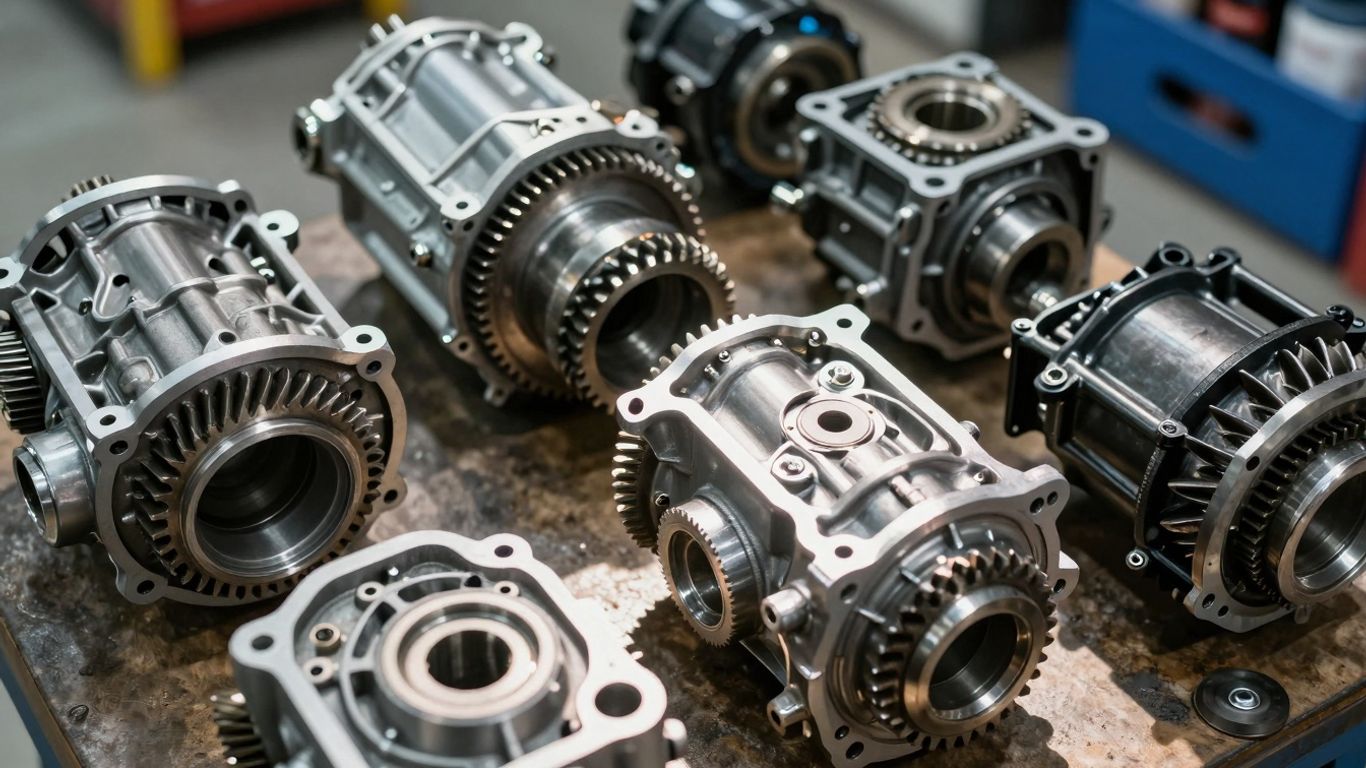
Finding the right place to get a gearbox in Australia can be a bit of a maze. You’ve got a few different types of suppliers out there, each with their own focus. It’s not just about grabbing any old gearbox; it’s about finding one that fits your car and your driving style. Some places focus on specific brands or types of transmissions, while others have a huge range of parts for DIYers. Knowing who to go to can save you a lot of time and hassle.
Wholesale Automatic Transmissions For Diverse Parts
If you’re looking for a wide variety of automatic transmission parts, Wholesale Automatic Transmissions is a name that comes up a lot. They stock a massive range of components, including things like Australian-made heavy-duty coolers and torque converter lock-up kits. They seem to cover a lot of different vehicle makes, so whether you’re working on a common car or something a bit more unusual, they might have what you need. It’s a good spot if you’re doing your own rebuild or looking for specific upgrades.
Heavy Automatics For Heavy-Duty Allison Solutions
For those dealing with bigger, tougher vehicles, Heavy Automatics is a key player. They’re a big distributor for Allison Transmissions in Australia. This means they’re the go-to for parts and support for heavy machinery – think trucks, buses, and other industrial gear. They usually have a pretty big inventory and multiple locations, which is helpful when you need something specific for a heavy-duty application. If your gearbox is for serious work, these guys are worth checking out.
Mal Wood Automotive For TREMEC And Driveline Components
Mal Wood Automotive has been around for ages, over 40 years, and they’re known for their work with TREMEC transmissions. They’re an official Elite TREMEC Distributor, which means they know these transmissions inside and out. They supply not just the TREMEC gearboxes themselves but also a whole bunch of other driveline parts. So, if you’re looking to upgrade your car with a performance transmission or need parts for a classic build, they’ve got a lot of experience and a good range of products for various car models.
When you’re shopping for a gearbox, especially from a specialist, think about what you actually need. Are you just replacing a worn-out unit, or are you looking for an upgrade for better performance or specific driving conditions? Specialist suppliers often have different levels of gearboxes, from standard replacements to heavy-duty or motorsport versions. Understanding these differences will help you pick the right one and avoid overspending or getting something that won’t quite do the job.
Here’s a quick look at what some specialists focus on:
- Wholesale Automatic Transmissions: Broad range of automatic transmission parts, coolers, and lock-up kits.
- Heavy Automatics: Specializes in Allison Transmissions for trucks, buses, and heavy machinery.
- Mal Wood Automotive: Focuses on TREMEC transmissions and related driveline components.
- All Drive Subaroo (in partnership with PPG): Offers strong, custom motorsport billet gearboxes specifically for Subaru vehicles.
Ensuring Quality And Reliability In Your Purchase

So, you’ve found a potential supplier and you’re ready to buy that gearbox. But hold on a sec. How do you actually know it’s going to be any good? It’s not like you can just kick the tires on a gearbox, right? Making sure you’re not buying a lemon is a big deal, and there are a few things to look out for.
Rigorous Testing and Bench Checks For Gearboxes
This is where the rubber meets the road, so to speak. A good supplier won’t just hand over a gearbox without checking it thoroughly. They should have a process for testing. Think of it like a final exam for the gearbox. They’ll put it on a special bench and run it through its paces. This isn’t just a quick spin; they’re checking:
- Gear engagement and smoothness: Does every gear shift cleanly and without grinding?
- Bearing and seal integrity: Are there any leaks? Do the bearings feel smooth or rough?
- Output shaft runout: Is everything straight and aligned properly?
- Noise and vibration levels: Does it sound like a bag of rocks, or does it run quietly?
If a supplier can’t tell you about their testing process, that’s a red flag.
The Importance Of High-Quality Replacement Parts
When a gearbox is rebuilt or remanufactured, what goes inside matters. Are they just slapping in whatever they have lying around, or are they using good parts? You want to see:
- New bearings and seals: These are common wear items, so they should always be replaced.
- Quality gears and synchros: Existing parts should be checked carefully, and any that are worn or damaged need to be swapped out.
- Proper lubrication: Using the right kind and amount of fluid is a must.
It’s about building something that’s meant to last, not just get by for a little while.
Warranties For Peace Of Mind On Your Investment
Even with all the testing and good parts, sometimes things can still go wrong. That’s why a solid warranty is so important. It shows that the supplier stands behind their work. You’ll want to know what the warranty covers, how long it lasts, and what the process is if you do have an issue. A good warranty gives you that peace of mind, knowing you’re not completely on your own if something pops up.
Buying a gearbox can feel like a big step, especially if you’re not mechanically inclined. You want to feel confident that what you’re getting is reliable and won’t cause more headaches down the line. A supplier who is upfront about their testing, the parts they use, and offers a decent warranty is usually a safe bet.
Considering Performance And Application Specifics
So, you’ve got an idea of what kind of gearbox you need, but what about how you actually use your vehicle? This is where things get interesting, and honestly, pretty important. A gearbox that’s perfect for weekend cruising might be a total flop if you’re planning on hitting the dirt tracks every other Saturday.
Gearbox Types For Everyday Versus Performance Driving
For most of us, our car or ute is our daily driver. We use it for getting to work, doing the shopping, maybe a bit of a road trip now and then. For this kind of use, you want something reliable, smooth, and maybe even a bit fuel-efficient. Standard synchromesh gearboxes are usually the go-to here. They’re built for comfort and ease of use, letting you shift gears without a fuss. They’re not designed for serious abuse, though. If you start pushing them too hard, especially with more power, you might find they don’t hold up as well as you’d hope.
On the flip side, if you’re building a performance vehicle, whether it’s for the street or the track, you’re going to need something tougher. Helical cut gears are a step up from standard. They’re stronger and can handle more power, making them a good choice for street performance builds. They still use a clutch for shifting, but they offer a more robust feel and better durability under load.
Motorsport Gearboxes: Strength Versus Daily Usability
Now, if you’re really serious about performance, like track days or serious off-roading, you’re looking at motorsport-grade gearboxes. These are built with one thing in mind: strength and speed. We’re talking about straight-cut gears and even dog engagement setups. Straight-cut gears are incredibly strong and can handle massive amounts of power, often shifting faster under load. Dog engagement is the ultimate for pure strength and rapid shifting, where you don’t even need the clutch. These are not your average gearboxes; they’re engineered for extreme conditions.
However, there’s a big trade-off. These boxes are noisy. Like, really noisy. They whine and they can be rough. They’re also not designed for the stop-start grind of daily commuting. They require more maintenance and are generally not comfortable for long drives. Think of them as specialized tools for a very specific job, not an all-rounder.
Here’s a quick look at some common types and their typical uses:
- Standard Synchromesh: Everyday driving, general use.
- Helical Cut: Good for street performance, stronger than standard.
- Straight Cut: Very strong, often used in motorsport, faster shifts.
- Dog Engagement: Maximum strength, race applications only, no clutch needed for shifts.
When you’re looking at these high-performance or motorsport gearboxes, it’s vital to understand that their design prioritizes brute strength and rapid gear changes over comfort and quiet operation. They are built to withstand immense forces during competition, which means they often sacrifice the smooth, quiet experience you’d expect from a daily driver. Regular maintenance and a willingness to put up with some noise are part of the package.
Custom Builds And Specialized Gearbox Solutions
Sometimes, off-the-shelf just doesn’t cut it. Maybe you’ve got a unique engine swap, a specific towing requirement, or you’re building a one-of-a-kind off-road rig. That’s where custom builds come in. Specialists can take existing gearboxes and modify them, or even build something entirely new, to meet your exact needs. This could involve fitting different gear ratios for better acceleration or highway cruising, strengthening internal components, or even creating dual-range setups for serious off-road capability. It’s definitely a more involved process, and usually more expensive, but if you need something specific, it’s the way to go. They can even tailor things like limited-slip differentials to work perfectly with your chosen gearbox and application.
Wrapping Up Your Gearbox Search
So, finding the right gearbox supplier in Australia doesn’t have to be a huge headache. We’ve looked at why buying used can be a bit of a gamble and how a properly rebuilt or remanufactured unit from a place that knows their stuff can save you a lot of trouble later on. Remember, a good gearbox is key to keeping your vehicle running smoothly, whether you’re hitting the highway or heading off-road. Making a smart choice now means fewer worries and more miles of reliable driving across Australia. Don’t just take our word for it; do your homework and pick the option that best fits your needs and your budget. Happy driving!
Frequently Asked Questions
What’s the main difference between a rebuilt and a remanufactured gearbox?
Think of a rebuilt gearbox like a quick fix. Someone takes it apart, swaps out the parts that are obviously broken, and puts it back together. A remanufactured gearbox is a whole different story. It’s taken all the way down to its smallest pieces, cleaned up, checked really carefully, and then put back together using new or fixed-up parts to match the original factory standards. It’s basically made to be like new again, or even better!
Why is buying a used gearbox often a bad idea?
Buying a used gearbox can be a real gamble. You never truly know how it was treated before. Was it driven hard? Was it looked after? You might be buying someone else’s problems, and a cheap used gearbox can quickly turn into a costly repair job, or even fail completely and damage your car.
How can I be sure the gearbox I buy will fit my car?
It’s super important to make sure the gearbox is compatible with your car. The best way to do this is to check the specific transmission number that’s stamped on your actual gearbox. While online guides can help, that number is the most reliable way to know for sure. If you’re not sure, ask the experts!
What are the different types of gearboxes available, and who are they for?
Gearboxes come in different levels. Standard ones are fine for everyday driving. Then you have performance upgrades built with stronger parts for more power or a sportier feel. For serious off-roading or racing, there are heavy-duty or motorsport gearboxes designed to handle extreme conditions and take a serious beating.
How do suppliers ensure their gearboxes are good quality and won’t break down?
Good suppliers test their gearboxes thoroughly. They put them on special test benches to check how smoothly the gears shift, look for any leaks, and make sure everything is aligned correctly. They also use high-quality parts, and most importantly, they offer warranties so you have peace of mind.
Who are some well-known gearbox suppliers in Australia?
For automatic transmission parts, Wholesale Automatic Transmissions is a big name with a huge range, including Australian-made parts. If you need heavy-duty Allison Transmissions for trucks or buses, Heavy Automatics is the go-to specialist. And for TREMEC transmissions and driveline parts, Mal Wood Automotive has decades of experience.