
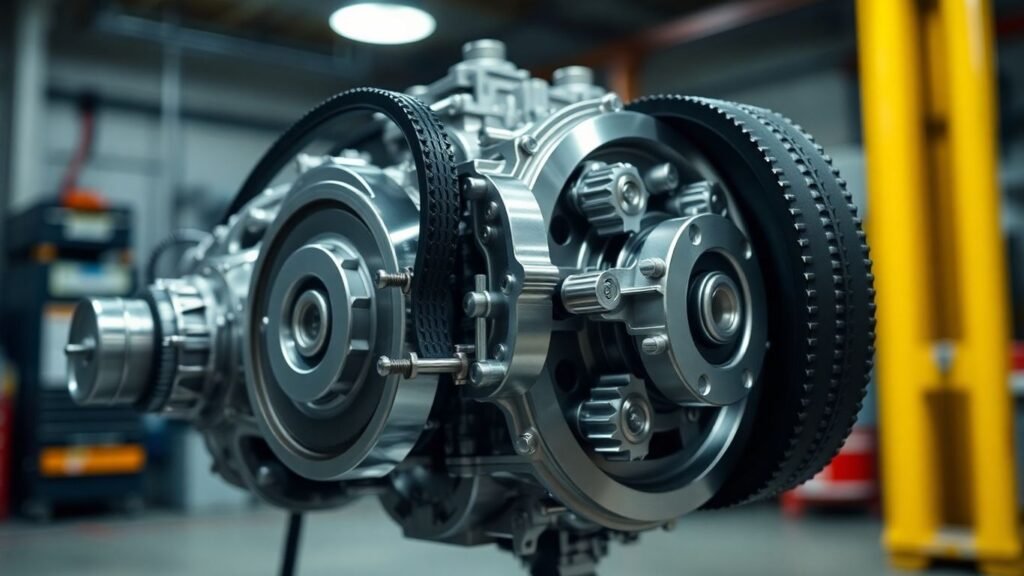
So, your car’s got that CVT thingy, huh? These transmissions are pretty common now, especially in cars trying to save a bit on gas. They work a bit differently than your old-school gearboxes, using pulleys and a belt to keep things smooth. But like anything, they can have their issues. If you’re noticing weird noises, a bit of a jolt when you start moving, or if a warning light pops up, it might be time to get it checked out. This guide is all about understanding CVT gearbox replacements Australia offers, from spotting problems to finding the right fix.
Key Takeaways
- CVT transmissions use pulleys and a belt for smooth, efficient driving, unlike traditional gearboxes.
- Watch out for signs like rough starts, slipping, or warning lights – these mean your CVT might need attention.
- Specialized shops are best for diagnosing and fixing CVT issues, especially for brands like Audi.
- Regular fluid checks and responsible driving can help your CVT last longer.
- Sometimes, a full CVT gearbox replacement is needed, and finding a trusted service in Australia is important.
Understanding CVT Gearbox Replacements Australia
What is a Continuously Variable Transmission?
So, what exactly is a Continuously Variable Transmission, or CVT? Think of it as a transmission that doesn’t have fixed gears like a traditional automatic or manual. Instead, it uses a system of pulleys and a belt or chain to provide an infinite range of gear ratios. This means it can constantly adjust to give you the most efficient speed and power for whatever you’re doing on the road. It’s a pretty neat bit of engineering that’s become quite common in many cars sold here in Australia, especially those focused on fuel economy.
How Does a CVT Transmission Work?
Alright, let’s break down how these things actually work without getting too bogged down in technical terms. Imagine two cones facing each other, with a belt or chain running between them. As the cones move closer together or further apart, they change the diameter of the ‘pulley’ the belt is running on. This change in diameter alters the gear ratio. When the cones are set one way, it’s like a low gear for starting off, and when they adjust the other way, it’s like a high gear for cruising on the highway. The transmission’s computer is always fiddling with these cones to keep the engine running at its most efficient speed. This constant adjustment is what makes the acceleration feel so smooth, without those distinct ‘shifts’ you feel in other cars.
The Benefits of CVT Technology
There are some pretty good reasons why car manufacturers are putting CVTs into more and more vehicles. For starters, they’re generally really good on fuel. Because the engine can always operate at its optimal RPM, you’re not wasting gas. They also provide a really smooth driving experience – no jerky gear changes here. Plus, because they have fewer moving parts than a traditional automatic, they can sometimes be lighter and take up less space, which is handy for car designers. This can also mean less wear and tear on the engine because it’s not constantly being pushed to its limits.
Here are some of the main advantages:
- Improved Fuel Efficiency: The engine stays in its sweet spot more often.
- Smoother Acceleration: No noticeable gear shifts, just a steady increase in speed.
- Lighter Weight and Compact Design: Can contribute to better vehicle dynamics and packaging.
- Reduced Engine Strain: Less stress on the engine due to optimal RPM management.
Signs Your CVT Gearbox Needs Attention
Your car’s transmission is pretty important, right? It’s what makes your wheels turn. When it comes to Continuously Variable Transmissions (CVTs), they work a bit differently than your standard automatic. Because of this, they can show signs of trouble in ways that might seem a little odd if you’re not used to them. Paying attention to these signals is key to catching problems early before they turn into a major headache.
Rough Take-Offs and Stops
Ever feel like your car is lurching or shaking when you start moving from a standstill or when you’re slowing down to a stop? This isn’t just a little bump; it’s a noticeable judder or vibration that feels like the transmission is struggling. It can make driving feel jerky and uncomfortable, especially in stop-and-go traffic. It’s like the transmission is having a hard time figuring out what it’s supposed to be doing.
Transmission Slipping or Hesitation
This is a pretty common one. You press the gas pedal, and the engine revs up, but the car doesn’t pick up speed like it should. It feels like the power isn’t getting to the wheels properly. Sometimes, it might feel like the transmission is briefly disengaging or ‘slipping’ out of gear. You might also notice a delay or hesitation when you try to accelerate, almost like the car is thinking about it before it decides to go.
Warning Lights and Fluid Leaks
Your car’s dashboard is like its own little doctor, and it’ll let you know if something’s wrong. If a warning light related to the transmission pops up – often a transmission warning light or sometimes a general check engine light – don’t ignore it. It’s your car’s way of saying, ‘Hey, something’s not right here!’ Also, keep an eye out for any puddles under your car after it’s been parked. Transmission fluid leaks, often reddish or brownish, can seriously impact how your CVT functions and needs to be addressed quickly.
CVTs rely on specific fluid to operate correctly. If this fluid level drops due to a leak, or if the fluid itself becomes old and dirty, it can cause all sorts of issues, from poor performance to complete failure. Regular checks are a good idea.
Here are some things to watch out for:
- Unusual Noises: Listen for whining, humming, or clunking sounds coming from the transmission area, especially when changing speed or direction.
- Delayed Engagement: When you shift from Park to Drive or Reverse, there might be a noticeable pause before the gear engages.
- Overheating: While less common to notice directly, if your transmission fluid is low or the transmission is working too hard, it can overheat, leading to performance issues and potential damage.
Expert CVT Service and Repair Specialists
Specialised Knowledge for Audi Multitronic
When it comes to Audi’s Multitronic CVT, you can’t just take it to any old mechanic. These transmissions are pretty specific, and Audi has its own way of doing things. Mechanics who really know their stuff, like those at Melbourne Euro, understand the ins and outs of models like the VL381, which you’ll find in many A4s and A6s from recent years. They know what to look for, whether it’s a bit of a shudder when you start moving or if the engine revs up but the car doesn’t pick up speed like it should. Getting the right diagnosis for your Audi Multitronic is half the battle.
Transmission Specialists Across Australia
It’s not just Audi, though. CVTs are showing up in all sorts of cars these days, and not every workshop is equipped to handle them. You need a place that focuses on transmissions, not just general car repairs. Think of places like M1 Automatics in Queensland or Automatic Transmissions R Us in Western Australia. These shops often have mechanics who spend their days just working on transmissions, so they’ve seen pretty much every problem you can imagine. They’re the ones who know about the special fluids and parts needed, and they’re usually pretty good at getting things fixed without costing an arm and a leg.
The Importance of Professional Diagnostics
Sometimes, your CVT might just need a fluid change, or maybe a small part is worn out. Other times, it’s a sign of bigger issues brewing. A good transmission specialist will hook your car up to diagnostic tools to figure out exactly what’s going on. They can check things like fluid pressure, sensor readings, and the overall health of the transmission’s computer. This kind of detailed check-up is way better than just guessing what’s wrong. It helps them pinpoint the problem accurately, saving you time and money in the long run.
Don’t ignore those little warning signs your car is giving you. A strange noise or a slight hesitation might seem minor now, but it could be the start of a much bigger, more expensive problem down the road. Getting it checked out by someone who knows CVTs is always the smart move.
Here’s a quick look at what specialists check:
- Fluid Level and Condition: Checking for leaks and making sure the fluid is clean and at the right level is step one.
- Diagnostic Scan: Reading error codes from the car’s computer to identify specific transmission faults.
- Physical Inspection: Looking for any external damage, worn seals, or signs of leaks.
- Test Drive: Evaluating how the transmission behaves under different driving conditions.
Maintaining Your CVT for Longevity
Keeping your Continuously Variable Transmission (CVT) in good shape is pretty straightforward, but it does need a little attention. Think of it like looking after a good pair of shoes – a bit of care goes a long way to making them last.
Regular Transmission Fluid Checks
This is probably the most important thing you can do. The fluid in your CVT isn’t just for lubrication; it’s also what makes the pulleys and belt work together. Over time, this fluid can get dirty or break down, and that’s when problems start. You don’t want to wait until you see a warning light. It’s a good idea to have the fluid checked at your regular service intervals, or even more often if you do a lot of stop-and-go driving or tow things.
Here’s a quick rundown of what to look for:
- Fluid Level: Is it within the recommended range? Too little fluid means parts aren’t getting lubricated properly.
- Fluid Condition: Fresh CVT fluid is usually clear or slightly reddish. If it looks dark, smells burnt, or has bits of debris in it, it’s definitely time for a change.
- Fluid Type: CVTs are picky about their fluid. Always use the specific type recommended by your car’s manufacturer. Using the wrong kind can cause serious damage.
Responsible Driving Habits
How you drive really does impact your CVT. These transmissions are designed for smooth, efficient driving, not for aggressive acceleration or sudden braking. Slamming on the gas pedal or braking hard puts a lot of stress on the belt and pulley system.
- Gentle Acceleration: Ease into the throttle when you start moving. Let the transmission smoothly adjust to the speed you need.
- Smooth Braking: Anticipate stops and brake gradually. This reduces wear and tear on the transmission components.
- Avoid Overloading: If your car has a towing capacity, stick to it. Overloading puts extra strain on the CVT.
CVTs are built for efficiency and a smooth ride. Pushing them too hard, too often, can lead to premature wear. It’s like running a marathon every day – eventually, you’re going to get worn out.
Preventative Maintenance Schedules
Sticking to a maintenance schedule is key. Your car’s owner’s manual will have specific recommendations for CVT service. These schedules are usually based on mileage or time, whichever comes first. Don’t skip these appointments. A specialist can spot potential issues before they become big, expensive problems. They have the right tools and knowledge to service your CVT correctly, making sure it lasts for many years and miles to come.
CVT Gearbox Replacements Australia: When Repair Isn’t Enough
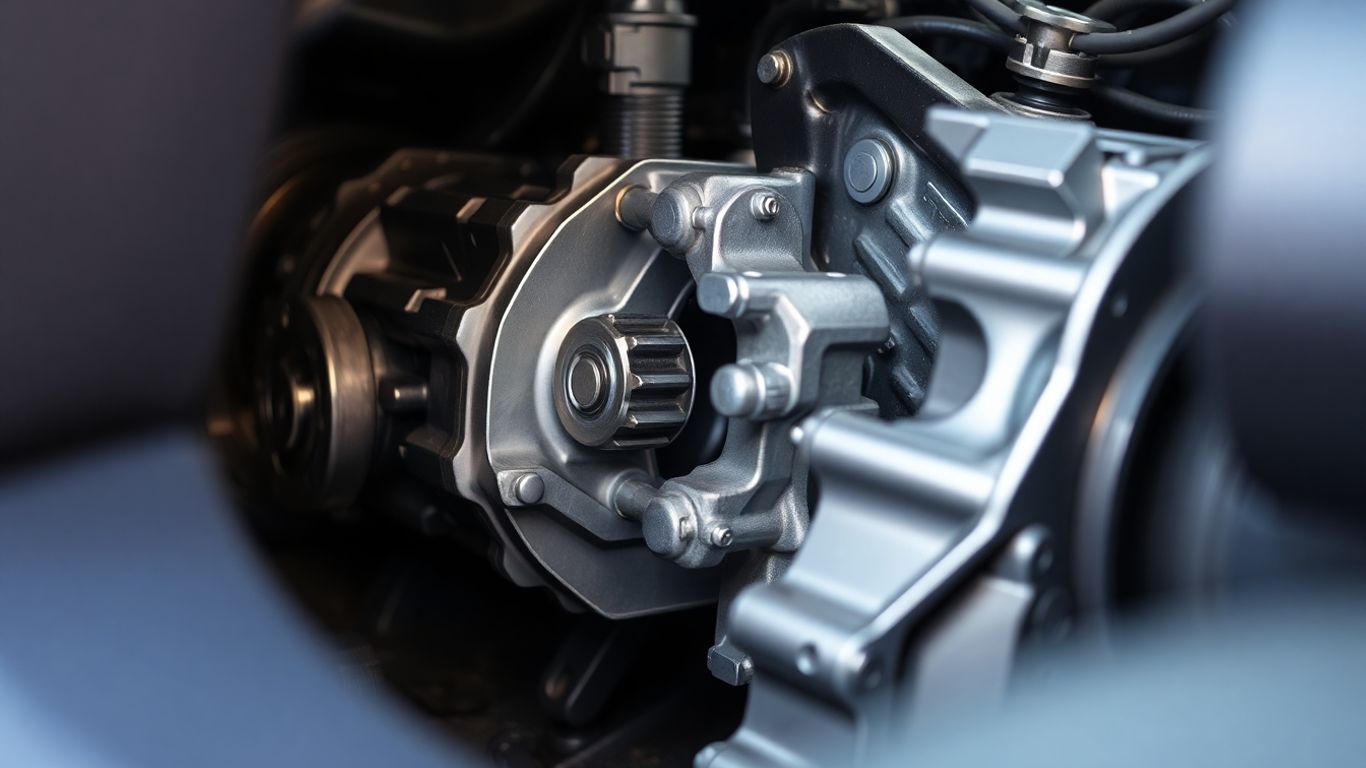
Sometimes, even with the best care, a CVT gearbox can reach a point where repairs just won’t cut it anymore. It’s a tough pill to swallow, especially when you’ve been keeping up with maintenance. But understanding when a replacement is the better path forward is key to keeping your vehicle on the road and avoiding bigger headaches down the line.
Understanding Repair Costs
When your CVT starts acting up, the first thing most people think about is fixing it. And often, a repair is totally possible. This could involve replacing a worn-out part, fixing a leak, or recalibrating some sensors. The cost here can really vary. A simple fluid flush and filter change might only set you back a few hundred dollars. But if it’s something more involved, like replacing a faulty valve body or a damaged belt, you could be looking at anywhere from $1,500 to $4,000, sometimes even more, depending on the complexity and the specific parts needed. It really depends on what’s actually wrong.
When Replacement is the Best Option
There comes a time when the cost and complexity of repairs outweigh the benefits. If your CVT has suffered major internal damage, like a blown torque converter or significant wear on the pulleys, a full replacement might be the only sensible choice. This often happens after a prolonged period of neglect, a major mechanical failure, or if the transmission has simply reached the end of its lifespan. Replacing the entire unit can sometimes offer better long-term reliability than trying to piece together a failing transmission. It’s also worth considering if the repair costs are approaching 70-80% of the cost of a new or remanufactured unit.
Finding a Trusted Replacement Service
So, you’ve decided a replacement is the way to go. Now what? Finding a shop you can trust is super important. Look for specialists who have a solid track record with CVTs, especially if you drive a specific brand like Audi with its Multitronic system. Ask about their warranty on replacement units – a good warranty is a sign they stand behind their work. Don’t be afraid to get a couple of quotes from different reputable mechanics or transmission shops. Checking online reviews and asking for recommendations from other drivers can also point you in the right direction. A good specialist will explain the options available, whether it’s a brand-new unit, a remanufactured one, or a quality used transmission, and help you make the best choice for your budget and needs.
Deciding between repairing a CVT and replacing it isn’t always straightforward. It involves weighing the current condition of the transmission against the potential costs and benefits of each approach. Sometimes, a repair is a temporary fix, while a replacement offers a fresh start for your vehicle’s drivetrain.
Advanced CVT Performance Upgrades
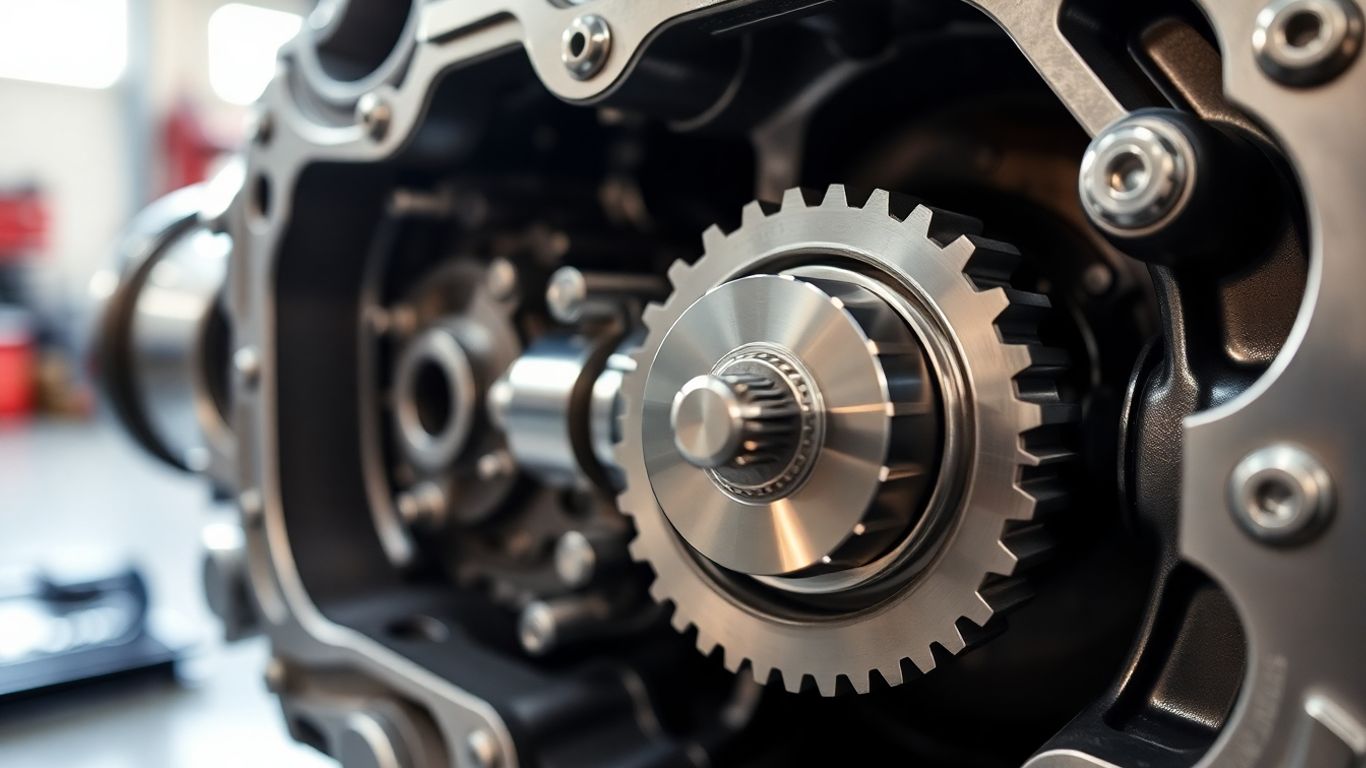
Cooling System Enhancements
CVTs can get pretty warm, especially when you’re pushing them hard, like when towing or driving in tough conditions. Overheating is a big no-no for any transmission, and CVTs are no different. Adding an upgraded cooling system, like an auxiliary cooler, helps keep the transmission fluid at a more stable temperature. This means less stress on the components and potentially a longer life for your CVT. It’s a smart move if you use your vehicle for more than just city driving.
Valve Body and Torque Converter Modifications
These are a bit more involved, but they can make a real difference. Modifying the valve body can lead to quicker, crisper shifts, which some drivers prefer. It can also help with better control over the transmission’s hydraulics. As for the torque converter, upgrades can improve its lock-up control. This means you can sometimes manually engage or disengage the torque converter clutch. Doing this can help reduce heat buildup and improve fuel efficiency when you don’t need the extra slip.
Transmission Remapping for Optimal Performance
Think of this like tuning your car’s engine, but for the transmission. By remapping the transmission’s software, specialists can adjust how it controls the hydraulics. This can be tailored to your specific needs, whether you do a lot of towing, off-roading, or just want a more responsive feel. It’s about getting the transmission to work better with the engine for the kind of driving you actually do. This kind of tuning can really make your CVT feel more capable.
When considering performance upgrades for your CVT, it’s important to remember that these transmissions are designed with efficiency and smooth operation in mind. Modifications should be done by professionals who understand the delicate balance of CVT operation. Pushing too hard in the wrong areas can lead to premature wear or failure.
Here’s a quick look at what these upgrades can do:
- Cooling System: Keeps fluid temps down, reducing wear and tear.
- Valve Body: Improves shift speed and hydraulic control.
- Torque Converter: Better lock-up control for efficiency and less heat.
- Remapping: Tailors transmission behaviour to your driving style and needs.
Wrapping It Up
So, if your car’s CVT is acting up, don’t just ignore it. These transmissions need a bit of special care, and trying to fix them yourself is probably not the best idea unless you really know your stuff. Finding a good mechanic who knows CVTs is key. Whether you’re in Melbourne needing Audi help or Brisbane looking for general transmission service, there are specialists out there ready to get your car running smoothly again. Keeping up with maintenance and getting problems checked out early can save you a lot of headaches and money down the road. It’s all about keeping that smooth ride going.
Frequently Asked Questions
What exactly is a CVT gearbox?
A CVT, or Continuously Variable Transmission, is a type of automatic gearbox that doesn’t have fixed gears like most cars. Instead, it uses a system of pulleys and a belt to change the gear ratio smoothly and continuously. This means your engine can always run at its most efficient speed, making for a smoother ride and better gas mileage.
How can I tell if my CVT gearbox is having problems?
Watch out for a few signs! If your car jerks or shakes when you start moving or stop, if the engine revs up but the car doesn’t speed up like it should (this is called slipping), or if you see a warning light on your dashboard, it’s time to get it checked out. Leaking transmission fluid is also a big red flag.
Why is it important to go to a specialist for CVT repairs?
CVTs are a bit different from regular transmissions, so they need special knowledge. Specialists have the right tools and understand exactly how these gearboxes work. Trying to fix a CVT at a regular shop might lead to more problems or a more expensive repair down the line. They know how to properly diagnose and fix issues specific to CVTs.
Can I do anything to make my CVT gearbox last longer?
Yes, you can! The most important thing is to keep an eye on your transmission fluid and get it changed according to your car’s maintenance schedule. Also, try to drive smoothly – avoid sudden acceleration and hard braking. Being gentle with your car helps reduce wear and tear on the transmission.
When is it better to replace the whole CVT instead of fixing it?
Sometimes, the damage to a CVT can be so extensive or complicated that fixing it would cost almost as much as, or even more than, a brand-new or rebuilt one. If the repair is very costly or if the transmission has failed completely, getting a replacement might be the more sensible and reliable option in the long run.
Are there ways to make my CVT perform better?
For those looking for a bit more pep, yes! Upgrades can include better cooling systems to prevent overheating, modifications to the valve body and torque converter for smoother or quicker shifts, and even special software tuning (remapping) to optimize how the transmission operates for your specific driving needs, like towing or off-roading.