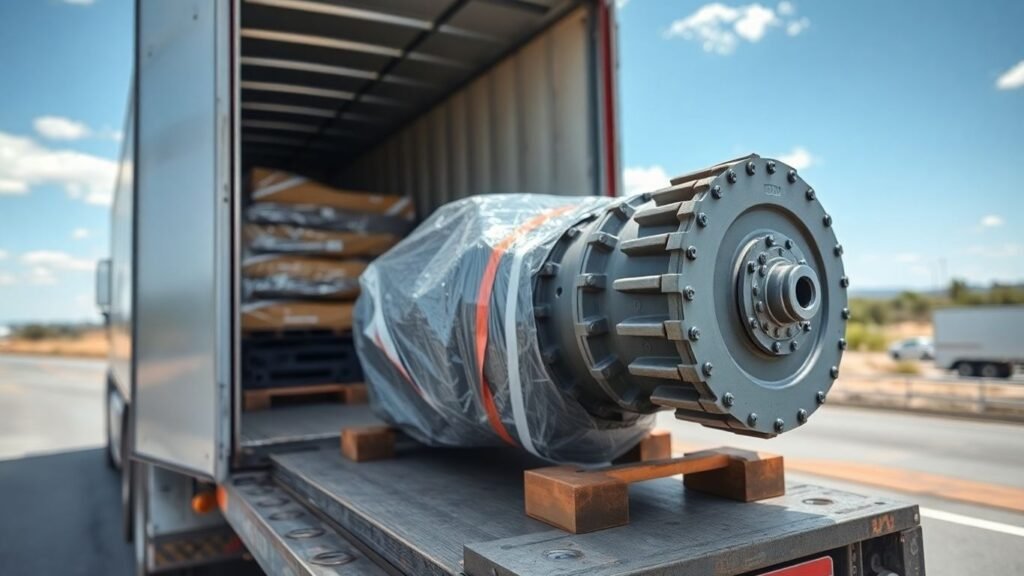
Shipping a gearbox across Australia might sound like a big job, but it doesn’t have to be a headache. Whether you’re a mechanic needing a part for a customer, a car enthusiast building a project, or a business sending out components, getting it from point A to point B safely and on time is key. This guide breaks down how Australia-wide gearbox shipping works, covering everything from how to pack it up right to picking the best way to get it there, so your valuable part arrives without any drama.
Key Takeaways
- Specialised logistics are needed for shipping gearboxes due to their weight and delicate nature.
- Choosing the right shipping method – air, sea, or road – depends on your budget and how quickly you need the gearbox delivered.
- Proper packaging, using materials like bubble wrap and sturdy boxes or crates, is vital to prevent damage during transit.
- Shipping costs are influenced by factors like distance, chosen transport method, and any extra services like insurance or special handling.
- Working with couriers experienced in handling large and heavy automotive parts ensures a smoother, more reliable Australia-wide gearbox shipping experience.
Understanding Australia-Wide Gearbox Shipping
The Importance of Specialized Logistics for Gearboxes
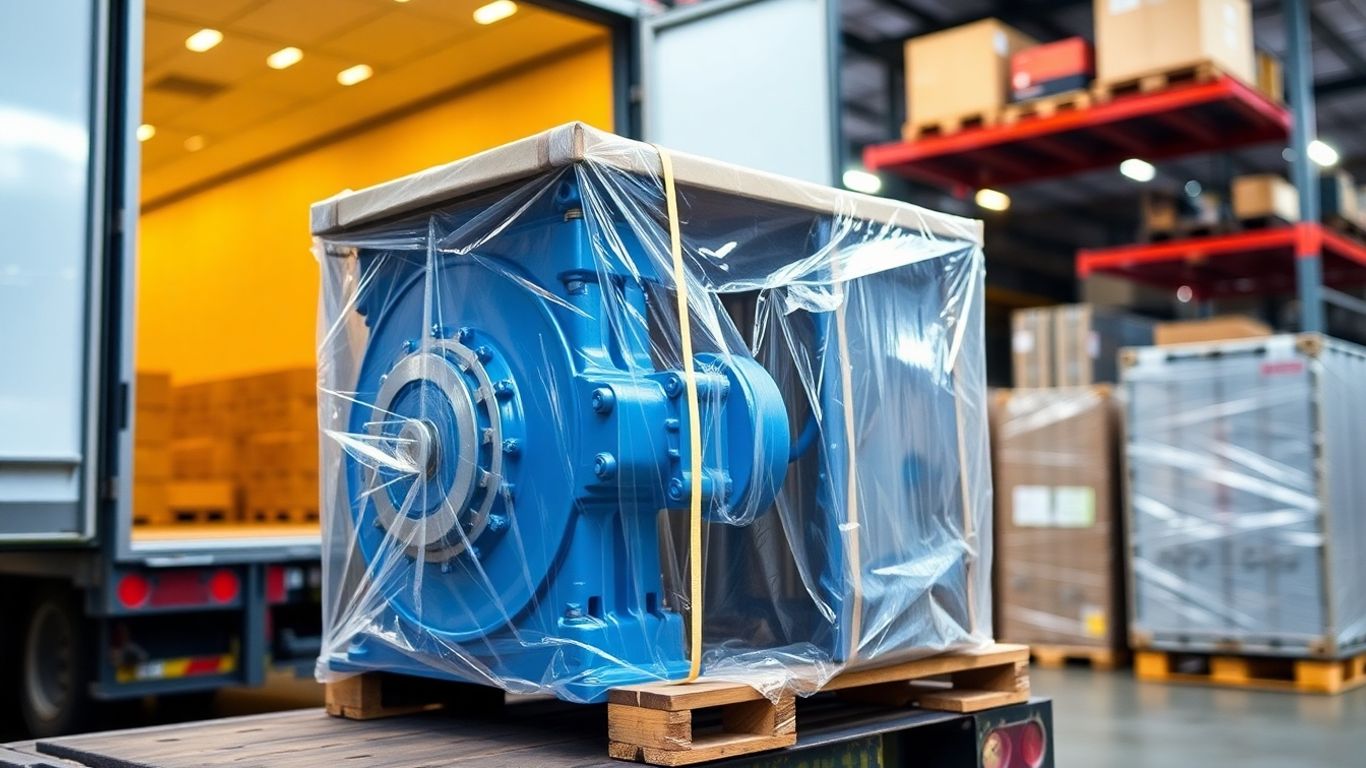
Shipping a gearbox isn’t quite like sending off a birthday present. These are heavy, precision-engineered components, and getting them from point A to point B across Australia without a hitch requires a bit more thought. You can’t just toss a gearbox in a standard box and hope for the best. They need careful handling, proper packaging, and a shipping method that suits their weight and fragility. Whether it’s for a repair shop, a performance enthusiast, or a manufacturing plant, the logistics involved are pretty specific. Getting it wrong can mean delays, damage, and unexpected costs, which nobody wants.
Key Considerations for Shipping Gearboxes
So, what should you be thinking about when you need to ship a gearbox?
- Weight and Size: Gearboxes are hefty. You need to know the exact dimensions and weight to figure out the best transport and how much it’ll cost.
- Fragility: While built tough, the internal components are sensitive. Protection against shocks, vibrations, and moisture is a must.
- Urgency: Do you need it there tomorrow, or can it wait a few weeks? This will heavily influence whether you look at air freight or sea freight.
- Destination: Getting a gearbox from Sydney to Melbourne is different from sending one to a remote mine site in Western Australia. Accessibility matters.
- Packaging: This is huge. You’ll need sturdy crates or pallets, and internal padding to stop it from moving around.
Proper packaging is your first line of defense against transit damage. Think about how you’d protect something valuable and heavy – that’s the level of care needed here.
Choosing the Right Shipping Partner
Finding the right company to handle your gearbox shipment is key. You want someone who understands the ins and outs of moving heavy, specialized automotive parts. Look for providers who:
- Have experience with automotive components or bulky items.
- Offer a range of shipping options (road, air, sea).
- Can provide advice on packaging and handling.
- Offer tracking and insurance for peace of mind.
- Have a good reputation for reliability across Australia.
Shipping Methods for Gearboxes Across Australia
When you need to get a gearbox from point A to point B within Australia, you’ve got a few main ways to go about it. It’s not like sending a letter, that’s for sure. Gearboxes are heavy, often greasy, and definitely need some thought put into how they travel. The best method really depends on how fast you need it there and how much you’re willing to spend. Let’s break down the common options.
Air Freight for Urgent Gearbox Deliveries
If time is really of the essence, like your workshop is down a critical part and you can’t afford any more delays, air freight is your go-to. It’s the speediest way to move a gearbox across the country. Think of it as the express lane for heavy parts. You’ll pay a premium for this speed, of course. It’s usually priced based on both the weight and the space the gearbox takes up on the plane. This is the option for when a gearbox absolutely has to be there tomorrow or the day after.
Sea Freight for Cost-Effective Gearbox Transport
Now, if you’re not in a massive rush and you’re trying to keep costs down, sea freight is usually the more budget-friendly choice. This is especially true if you’re shipping a larger quantity or a particularly heavy gearbox. It takes longer, sometimes weeks, depending on the route and any port delays. For most domestic moves within Australia, sea freight might be overkill unless you’re coordinating a large shipment or have a very flexible timeline. It’s more common for international moves, but it’s good to know it’s an option if cost is the main driver.
Road Freight for Domestic Gearbox Movements
For most gearbox shipments within Australia, road freight is probably what you’ll end up using. This covers everything from dedicated truck services to less-than-truckload (LTL) options where your gearbox shares space with other goods. It strikes a good balance between speed and cost for domestic travel. Many specialized courier services focus on automotive parts and can handle the pickup, packaging, and delivery right to your door or workshop. It’s generally faster than sea freight and cheaper than air freight, making it a solid middle-ground choice for getting those heavy components around the country.
Choosing the right shipping method is a balancing act. You’ve got to weigh the urgency of the delivery against your budget. Sometimes, paying a bit more for speed is worth it to get things back up and running, while other times, you can afford to wait a little longer to save some cash.
Packaging and Handling Gearboxes for Transit
Getting a gearbox from point A to point B without any drama is all about how you pack and handle it. These things are heavy and have delicate parts inside, so just tossing them in a box isn’t going to cut it. You’ve got to be smart about it to avoid damage.
Protective Packaging Solutions for Gearboxes
When it comes to keeping your gearbox safe during its journey, the right packaging makes all the difference. Think of it like wrapping a fragile gift – you want layers of protection. Start by wrapping all the individual components, like gears and shafts, in several layers of newspaper or bubble wrap. This stops them from banging into each other. Then, find a sturdy box that fits everything snugly. Fill any empty spaces with more scrunched-up newspaper, packing peanuts, or foam to prevent movement. A well-packed gearbox won’t shift around inside its container. If the box feels a bit flimsy, consider adding an extra layer of cardboard inside for more support. And don’t forget to tape it up well; you don’t want your package falling apart mid-transit.
Secure Handling Procedures for Heavy Components
Gearboxes are no joke when it comes to weight. You’ll likely need a couple of people, or even a small hoist or pallet jack, to move it safely. Always lift from the strongest points of the gearbox casing, and never try to lift it by the input or output shafts. If you’re shipping it on a pallet, make sure it’s secured properly with straps or shrink wrap so it doesn’t slide off during loading or unloading. Proper handling isn’t just about preventing damage to the gearbox; it’s also about keeping the people moving it safe.
Ensuring Gearbox Integrity During Shipping
Beyond just physical protection, there are a few other things to think about. While you don’t need to send it bone dry, try not to have it dripping with old oil. A little bit of residual oil is fine, but a flood can weaken the cardboard box and make a mess for everyone involved. If you’re sending components for a service, like a ‘Peen and Polish’ package, make sure you’re only sending the parts they ask for. They usually have specific lists, and sending extra bits might just complicate things. Remember, the goal is for the gearbox to arrive in the same condition it left, ready for its next job.
Navigating Costs and Timelines in Gearbox Shipping
So, you’ve got a gearbox that needs to get from point A to point B across Australia. That’s great! But before you just slap a label on it and hope for the best, let’s talk about the nitty-gritty: the costs and how long it’s all going to take. It’s not just about picking the cheapest option; it’s about finding the right balance for your needs.
Factors Influencing Shipping Costs
Several things play a role in how much you’ll end up paying to ship a gearbox. It’s not a one-size-fits-all kind of deal, you know?
- Weight and Size: This is a big one. Gearboxes are heavy and can be bulky. The heavier and larger your package, the more it’s going to cost. Couriers charge based on this, plain and simple.
- Distance: Shipping from Perth to Sydney is going to cost more than shipping from Melbourne to Adelaide. The further it travels, the more fuel, time, and resources are involved.
- Shipping Method: Are you going for speed with air freight, or are you okay waiting a bit longer for sea or road freight? Air is usually the priciest, while road and sea are more budget-friendly but take longer.
- Packaging: How you pack it matters. If you need special crates or extra padding to keep that precision-built part safe, that adds to the cost. We’re talking about protecting something pretty important here, so skimping isn’t always the best idea.
- Insurance: If your gearbox is valuable, you’ll want to consider insurance. This is an extra cost, but it can save you a lot of heartache if something goes wrong.
- Urgency: Need it there yesterday? Expedited services come with a premium price tag.
Estimated Delivery Times for Gearbox Shipments
When you’re shipping a gearbox, you’ve got a few main ways to get it there, and each has its own timeline. It really depends on how quickly you need it and how much you’re willing to spend.
- Road Freight: For most domestic moves within Australia, road freight is a common choice. You’re probably looking at anywhere from 2 to 10 business days, depending on how far apart the pickup and delivery points are and the specific route. It’s a solid middle-ground option for many.
- Air Freight: If time is really of the essence, air freight is your fastest bet. We’re talking about getting it there in 1 to 3 business days, sometimes even faster if you arrange for priority handling. This is definitely the premium option for speed.
- Sea Freight: This is the slowest but often the most economical for larger items or if you’re not in a rush. For domestic movements, it’s less common for single gearboxes unless part of a larger shipment, but if used, expect it to take 7 to 21 business days or more.
Remember, these are just estimates. Unexpected delays can happen with weather, traffic, or busy periods. Always factor in a little buffer time, especially if the gearbox is for a critical repair or project.
Managing Budgets for Australia-Wide Gearbox Shipping
Figuring out the budget for shipping a gearbox across Australia can feel a bit like a puzzle. You want to get it there safely and on time without breaking the bank. Here’s a quick rundown on how to approach it:
- Get Multiple Quotes: Don’t just go with the first company you find. Reach out to a few different shipping providers. Ask for detailed quotes that break down all the costs involved – freight, insurance, packaging, everything.
- Compare Services, Not Just Prices: The cheapest quote might not always be the best. Look at what’s included. Does it offer tracking? What’s their reputation for handling heavy parts? Sometimes paying a little more for a reliable service with good customer support is worth it.
- Consider Packaging Costs: If you’re not packing it yourself, factor in the cost of professional packaging. A well-packed gearbox is less likely to get damaged, which could save you money in the long run on repairs or replacements.
- Be Realistic About Timelines: If you have a tight deadline, you’ll likely need to pay more for faster shipping. If you can wait, choosing a slower, more economical method will save you money. Plan ahead as much as possible to avoid last-minute rush fees.
- Look for Specialised Couriers: Some companies specialize in shipping automotive parts or heavy, bulky items. They often have better processes and pricing for these types of shipments than general couriers.
Reliable Couriers for Australia-Wide Gearbox Shipping
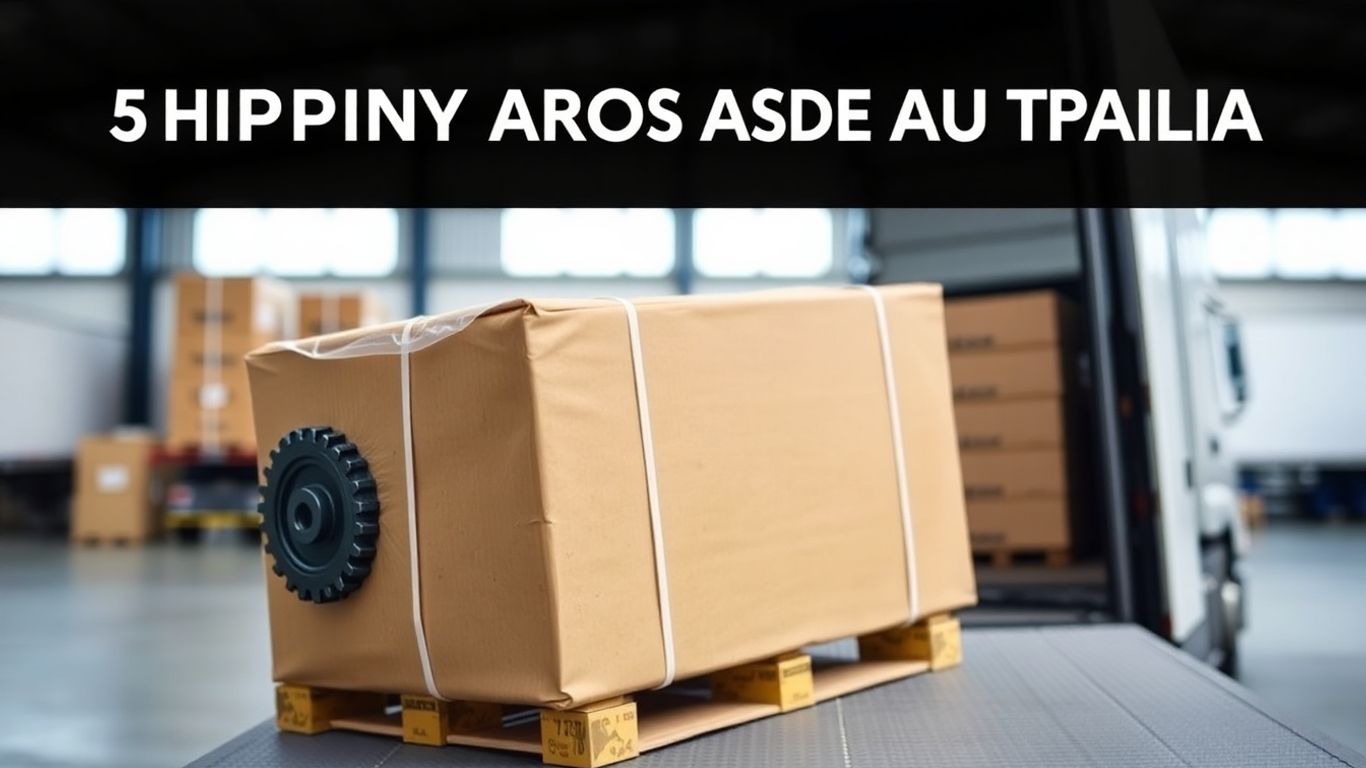
When you’re sending a gearbox across the country, you can’t just hand it over to any old delivery service. These are precision components, often heavy and delicate, and they need special care. Finding the right courier is key to making sure your gearbox arrives in one piece and on time. It’s not just about speed; it’s about knowing your valuable part is in good hands.
Identifying Top Courier Services for Automotive Parts
Some shipping companies really get what it takes to move automotive parts. They understand the weight, the fragility, and the importance of getting these items to their destination without a hitch. Look for couriers that have a track record with car parts, especially heavy ones like gearboxes. They’ll know the best ways to pack and handle them. It’s a good idea to check out companies that specialize in shipping big and bulky items, as gearboxes definitely fall into that category. They often have the right equipment and trained staff.
- Experience with Automotive Components: Do they regularly ship engines, transmissions, or other large car parts?
- Specialized Handling Equipment: Can they safely lift and secure heavy items like gearboxes?
- Robust Tracking Systems: Can you follow your shipment every step of the way?
- Insurance Options: What coverage is available for high-value parts?
Services Specializing in Big and Bulky Item Delivery
Gearboxes are not small, light packages. They require couriers who are equipped to handle big and bulky items. These services often have larger vehicles, specialized lifting gear, and staff trained in securing heavy loads. They understand the challenges of moving items that don’t fit neatly into standard shipping boxes. When you’re looking for these services, think about companies that advertise their capabilities for oversized freight. Some platforms can even help you compare different providers for these types of shipments, making the process a bit less of a headache. You can find competitive pricing and reliable service for your engine transportation needs through services like Loadshift.
Benefits of Using Experienced Shipping Providers
Working with a shipping provider that has experience in moving automotive parts, especially heavy ones like gearboxes, brings a lot of peace of mind. They know the potential pitfalls and how to avoid them. This means less stress for you and a much lower chance of your gearbox getting damaged in transit. They’ll also be better equipped to handle any unexpected issues that might pop up, like customs paperwork if you’re shipping interstate or internationally. Plus, their established relationships with transport networks can often mean more efficient delivery times and potentially better rates than going with a less specialized service.
Choosing the right courier isn’t just about the price tag; it’s about the reliability and care your gearbox will receive. An experienced provider means fewer headaches and a higher likelihood of a successful delivery.
Here’s what you can expect from a good courier service:
- Clear Communication: They’ll keep you informed about pickup, transit, and delivery.
- Proper Packaging Advice: They can guide you on how to best protect your gearbox for the journey.
- Secure Transit: They use appropriate vehicles and methods to keep the item stable and safe.
- Timely Delivery: They aim to meet agreed-upon delivery schedules, minimizing downtime for you or your customer.
Ensuring Safe and Efficient Gearbox Delivery
So, you’ve got a gearbox ready to ship across the country. That’s great! But getting it there in one piece, without any surprises, is the real trick. It’s not like sending a t-shirt, right? These are heavy, intricate pieces of machinery. The goal is simple: get it from point A to point B without any damage or delays.
Tracking and Monitoring Your Gearbox Shipment
Once your gearbox is on its way, you’ll want to know where it is. Most reputable shipping companies offer tracking services. This usually involves a tracking number you get when you book the shipment. You can then pop this number into the courier’s website, and voilà – you see its journey.
- Regular Check-ins: Don’t just check once. Keep an eye on the progress every day or so.
- Communication is Key: If you see something odd, like the package not moving for a few days, reach out to the shipping company. It’s better to ask than to worry.
- Delivery Confirmation: Make sure you get confirmation when it’s delivered. This is your proof that it arrived safely.
Insurance Options for Valuable Gearbox Parts
Gearboxes aren’t cheap, so insuring them makes a lot of sense. Think of it like this: you wouldn’t drive without car insurance, right? Shipping insurance is similar for your valuable parts. Most carriers offer basic insurance, but for high-value items like a gearbox, you might want to look into additional coverage.
When you’re looking at insurance, read the fine print carefully. Understand what’s covered, what’s not, and what the deductible is. Sometimes, the cost of extra insurance is well worth the peace of mind.
Customs and Documentation for Interstate Shipping
Shipping a gearbox within Australia is generally straightforward, but there are still a few things to consider. While you won’t be dealing with international customs, you do need to make sure all your paperwork is in order. This includes:
- Accurate Shipping Labels: Double-check addresses and contact details. A simple typo can cause big headaches.
- Proof of Ownership/Sale: Depending on the circumstances, you might need documentation related to the gearbox’s origin or sale.
- Any Special Handling Instructions: If the gearbox has specific requirements (like being kept upright), make sure this is clearly marked on the package and noted with the courier. For specialized automotive parts, companies like Just Toyotas can help with the logistics.
Getting these details right upfront saves a lot of hassle down the line. It’s all about making sure your gearbox arrives ready to go to work.
Getting Your Gearbox Shipped Across Australia
So, shipping a gearbox around Australia doesn’t have to be a headache. Whether you’re a mechanic needing a part fast or a hobbyist sending something off for repair, there are plenty of good options out there. Companies like PACK & SEND and Couriers & Freight Australia are set up to handle these kinds of big, heavy, and sometimes delicate items. They know how to pack them right and get them where they need to go, whether it’s across town or across the country. Just remember to think about how you’ll pack it yourself, too – a little extra care before it leaves your hands goes a long way. With the right service, your gearbox will be on its way safely and without too much fuss.
Frequently Asked Questions
What makes shipping a gearbox different from other car parts?
Gearboxes are heavy, delicate, and complex. They need special care during packing and shipping to avoid damage, unlike smaller or less fragile parts. Think of it like sending a fragile vase versus a t-shirt – the vase needs way more protection!
How should I pack a gearbox for shipping?
First, make sure the gearbox is clean and dry. Wrap it in plenty of protective material like bubble wrap or foam. Then, place it in a sturdy box or crate that fits snugly. Fill any empty spaces with more packing material so it can’t move around during its journey.
What are the best ways to ship a gearbox across Australia?
For quick deliveries, air freight is the fastest but most expensive. Road freight is a good balance for many locations within Australia. If cost is the main concern and time isn’t critical, sea freight is the most budget-friendly option, though it takes longer.
How long does it usually take to ship a gearbox?
Shipping times can vary a lot. Air freight might take just a few days. Road freight could take anywhere from a couple of days to a week, depending on the distance. Sea freight is the slowest, often taking several weeks.
What factors affect the cost of shipping a gearbox?
The price depends on how far it’s going, how fast you need it there (air vs. road vs. sea), how big and heavy it is, and if you need extra services like special packing or insurance. Using a specialized courier might also affect the price.
Is it important to get insurance for shipping a gearbox?
Yes, it’s highly recommended! Gearboxes are valuable and can be damaged during transit. Insurance gives you peace of mind and helps cover the cost if something unexpected happens to your shipment.