
Key Takeaways
Gearbox trouble is often less expensive to address when it is diagnosed early and the repair is matched to the actual fault. Compare the full cost, fit, warranty, and likely service life before approving work.
- Look for changes in shifting, unusual noise, leaks, or a burning smell, and arrange an inspection promptly.
- Ask for diagnostic findings and an itemized estimate before choosing repair, rebuild, or replacement.
- Compare new, remanufactured, and used units by compatibility, condition, warranty, and expected service life.
- Include labor, fluids, related parts, and follow-up work when comparing prices.
- Follow the correct service intervals and fluid specifications after the work is complete.
Identify gearbox problems before costs escalate
A gearbox problem can begin as an occasional nuisance and become a more expensive repair if the underlying cause is ignored. Symptoms are useful clues, but they do not identify the failed part on their own. Pay attention to when the problem happens, whether it is getting worse, and whether other warning signs appear at the same time. A clear account of those details helps a repair professional narrow the investigation.
Common symptoms of gearbox trouble
Difficulty selecting a gear, slipping out of gear, grinding, whining, or a new clunking sound can all point to gearbox trouble. You may also notice delayed engagement, fluid under the vehicle, or a burning smell. Some of these signs can come from other drivetrain or engine components, so avoid assuming that a gearbox replacement is the answer. Note whether symptoms occur when the vehicle is cold, after a longer drive, or during a particular shift; those details can make the first inspection more useful.
How diagnostic testing narrows down the cause
A diagnosis usually starts with the symptoms and the vehicle’s service history, then moves to checks suited to its gearbox type. A technician may inspect fluid condition and level, look for leaks, road-test the vehicle, or use diagnostic equipment to check for stored fault codes. The aim is to distinguish a gearbox fault from a related issue such as a sensor, linkage, clutch, or drivetrain problem. Ask what tests were performed and how the findings support the recommended repair; a clear diagnosis is a better basis for spending than a guess based on one symptom.
When to stop driving and seek professional help
Stop driving and arrange professional help if the gearbox is slipping severely, the vehicle cannot engage a gear reliably, there is a strong burning smell, or you see a substantial fluid leak. Continuing to drive with a serious fault may worsen damage or leave you without dependable control of the vehicle. If the warning is milder but recurring, book an inspection soon rather than waiting for it to become constant. A guide to gearbox overhaul signs and process can help you understand the issues a specialist may investigate, but it cannot replace a diagnosis of your vehicle.
Compare repair, rebuild, and replacement options
Once the cause is clearer, ask what options are practical for the vehicle’s condition and your budget. A repair may address one failed component, while a rebuild or replacement can involve more extensive work and cost. There is no single best choice for every gearbox; the right decision depends on what testing reveals, the availability of suitable parts, and how long you expect to keep the vehicle. Compare the scope of the work, not just the headline figure.
When a targeted repair may be enough
If testing points to a specific fault and the rest of the gearbox appears serviceable, a targeted repair may be sufficient. The repair could involve an external component, a seal, a sensor, or another part identified during inspection, depending on the vehicle and findings. Ask the shop to explain what is being replaced and what evidence supports that decision. A focused repair can cost less initially, but confirm whether it addresses the cause or only a related symptom.
What a gearbox rebuild typically involves
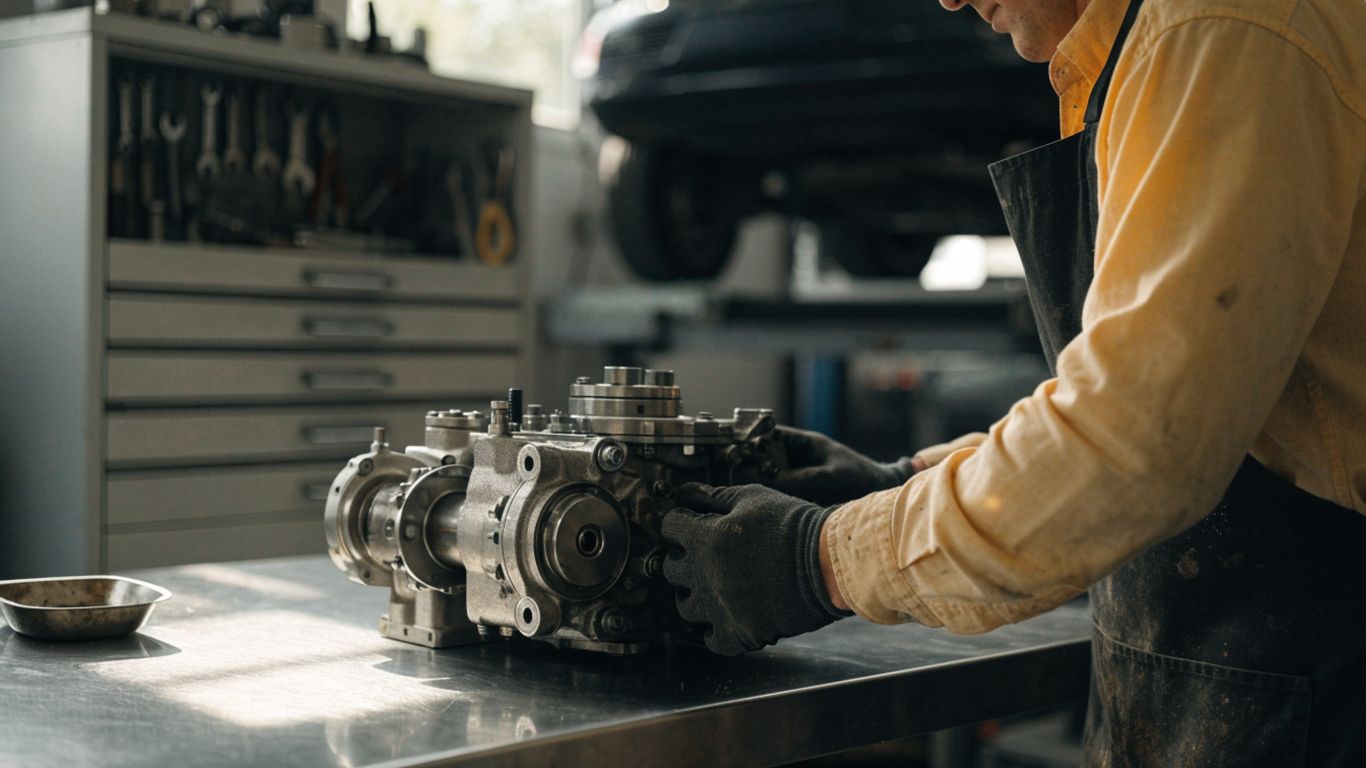
A rebuild generally means removing and dismantling the gearbox, inspecting its components, replacing worn or damaged parts as required, and reassembling and testing the unit. The precise scope varies, so “rebuild” is not a complete description of what you will receive. Before authorizing the work, ask which components are included, which parts may be reused, and whether the estimate can change after disassembly. A written scope makes it easier to compare a rebuild with a targeted repair or replacement.
When replacement is the more practical choice
Replacement may be more practical when damage is extensive, a rebuild is not economically sensible, or a suitable replacement unit is available with clearer terms. Consider the vehicle’s age, condition, value, and likely future needs alongside the gearbox price. A replacement is not automatically the cheapest long-term choice, and the lowest-priced unit may not be the best match. Ask whether installation, fluids, programming or adjustment, and any required related parts are included in the quoted total.
Explore affordable gearbox options
Budget friendly gearbox solutions are not simply the options with the smallest price tag. A used unit, a remanufactured unit, a new gearbox, or a repair to the existing one can each make sense in different circumstances. Confirm the exact specification required before comparing offers, because a unit that looks similar may not fit or function correctly in your vehicle. For Australian buyers, the car parts supplier described here connects customers with quality used, genuine, and aftermarket parts across Melbourne, Sydney, Brisbane, and nationwide; confirm the availability and suitability of any specific gearbox directly.
New, remanufactured, and used gearboxes compared
The main trade-off is between initial price, known condition, warranty terms, and the amount of history available. A new gearbox may offer a clear condition baseline but can cost more. A remanufactured option has been processed and supplied under the seller’s stated terms, which you should check carefully. A used gearbox may have a lower purchase price, but its history and remaining service life can be less certain. This table is a starting point for questions, not a promise about any particular unit.
| Option | What to check | Potential trade-off |
|---|---|---|
| New | Exact specification, included components, warranty | Higher upfront cost |
| Remanufactured | Work completed, test information, warranty terms | The scope of work can differ by supplier |
| Used | Donor details, condition evidence, return terms | Less certainty about history and remaining life |
Compare the details offered for the actual unit rather than relying on the category name alone. A supplier that connects customers with quality used, genuine, and aftermarket parts may help buyers explore different part types, but confirm that the particular item is the correct fit and ask what its condition and terms are.
Checking compatibility, condition, and warranty coverage
Compatibility can depend on the vehicle’s make, model, year, engine, gearbox code, and other specifications. Provide the full vehicle details and, where possible, have the part number or identification checked before purchase. Ask what evidence is available about a used unit’s condition and what the warranty covers, including exclusions, duration, and who pays removal or refitting costs if a fault appears. A written confirmation is more useful than a general assurance that the part should fit.
Balancing upfront price with expected service life
A lower purchase price can be worthwhile if the unit is compatible, its condition is reasonably documented, and the warranty and installation costs suit your needs. But a cheaper gearbox that requires extra repairs or has uncertain history can cost more overall. Think about how long you expect to keep the vehicle and how much uncertainty you can accept. Compare the price of the part and the work required to install it, then weigh those figures against the options for repairing or rebuilding the current unit.
Keep gearbox costs under control
A careful estimate makes it easier to compare options without confusing a low initial quote with a low final bill. Ask each shop to describe the work, parts, and assumptions behind its price. Different quotes may cover different things, so bring them to the same scope before deciding. This is also a good point to check whether the recommendation follows from documented diagnostic findings.
Requesting itemized estimates and comparing quotes
An itemized estimate should separate the proposed work, parts, labor, and any diagnostic charge, while noting what might change once the gearbox is opened. Compare quotes only after checking that they cover the same repair and parts standard. The habit of looking beyond an advertised price is useful in other purchases too; for example, a freight partner comparison weighs service and total cost rather than headline price alone. The specifics differ, but the consumer question is familiar: what is included, and what might be added later?
Accounting for labor, fluids, and related parts
Parts are only one part of the total. Installation labor, required fluids, seals, filters, mounts, and other related work may affect the final amount, depending on the vehicle and the repair. Ask which items are included and which are only provisional. The same logic of comparing an initial investment with its possible benefits appears in advice on fine-tuning on a budget, though the subject is different. For a gearbox quote, keep the focus on the written scope and the costs that apply to your vehicle.
Avoiding low-cost fixes that could lead to repeat repairs
A very low quote deserves questions, not an automatic rejection. Find out whether it includes diagnosis, the correct specification of parts, installation, and a clear warranty. An inexpensive fix that does not address the underlying cause may lead to repeat labor or further damage. In other repair decisions, including driveway resurfacing, it can matter whether a proposed fix addresses the existing condition without unnecessary replacement; for a gearbox, ask the shop to explain why its recommended scope is adequate.
Choose a gearbox supplier or repair shop
A good decision depends on finding a supplier or repair shop that can explain the options in plain language and confirm what it is offering. Relevant experience matters because vehicle and gearbox specifications vary, and the wrong part or an unclear scope can undermine an otherwise reasonable price. Ask for written details before work begins. If you are comparing services in different fields, guides to ABA provider qualifications and costs and chiropractic care and fees likewise show why credentials, scope, and terms matter more than a headline fee; for gearbox work, focus on automotive-specific evidence.
Verifying experience with your vehicle and gearbox type
Ask whether the shop regularly works on your vehicle make and gearbox type, and how it will confirm the diagnosis and part compatibility. A useful answer should describe the process rather than rely on a broad claim of experience. If you are considering a replacement part, the car parts supplier described here connects customers with used, genuine, and aftermarket parts through its network; ask for the exact specification to be verified for your vehicle. The seller’s ability to source a part does not, by itself, establish that it is the right one for your repair.
Evaluating warranties, reviews, and service terms
Read the warranty before authorizing the work or buying a unit. Check what is covered, how long coverage lasts, whether it applies to parts and labor, and what steps you must take if a problem arises. Reviews can add context, especially when they describe communication and follow-through, but they are not a substitute for clear terms. Confirm the expected completion time, payment arrangements, and whether the shop will contact you for approval if the scope or price changes.
Questions to ask before approving the work
A few specific questions can reveal whether the proposal is clear enough to approve. Keep them tied to the diagnosis and the written estimate, and ask for direct answers rather than relying on assumptions.
- What test results point to this fault?
- Which parts and labor are included in the estimate?
- What additional costs could arise after disassembly?
- What warranty applies, and what does it exclude?
Once you have the answers, compare the options against your budget and plans for the vehicle. If anything remains unclear, ask for the estimate or warranty terms in writing before giving approval.
Extend gearbox life after repair or replacement
After a repair or replacement, regular attention can help you notice developing issues before they become disruptive. Follow the instructions provided for the particular vehicle and work performed rather than relying on a one-size-fits-all schedule. Keep records of service and repairs so future inspections have useful context. A little consistency now can make it easier to spot a change later.
Following service intervals and fluid specifications
Use the maintenance schedule and fluid specification set out for your vehicle. Gearbox fluid requirements can vary, so do not substitute a product based only on a similar name or general recommendation. Ask the repair shop what service has been completed and when the fluid should next be checked or changed. Keep receipts and notes with the vehicle’s service history, particularly after major gearbox work.
Adjusting driving habits to reduce wear
Avoid forcing a gear when engagement feels abnormal, and follow the vehicle maker’s instructions for shifting and towing. If your vehicle has a manual gearbox, smooth clutch use can help avoid unnecessary strain; for any vehicle, pay attention to unusual behavior instead of repeatedly testing it under load. These habits cannot prevent every failure, but they can reduce avoidable stress and encourage earlier attention to a change.
Watching for symptoms that warrant an early inspection
After work is completed, take note of new leaks, noises, delayed engagement, slipping, or a return of the original symptom. Contact the shop promptly if something seems wrong, and describe when it occurs rather than waiting to see whether it becomes permanent. A short record of the conditions—such as cold start, speed, or gear change—can help guide a follow-up inspection. If the vehicle feels unsafe or cannot shift reliably, stop driving and arrange professional assistance.
Conclusion
A lower gearbox bill starts with knowing what has failed, then comparing repair, rebuild, and replacement options on equal terms. Check compatibility, warranty, labor, and likely service life along with the part price, and keep the paperwork for the work. With a clear diagnosis and sensible follow-up maintenance, you can make a choice that fits both the vehicle and your budget.
Frequently Asked Questions
What are common signs of gearbox trouble?
Common signs include difficult or delayed shifting, slipping, grinding or whining noises, leaks, and a burning smell. These symptoms can have more than one cause, so an inspection is needed to identify the fault.
Is it cheaper to repair or replace a gearbox?
It depends on the damage, the cost of parts and labor, and the availability of a suitable replacement. Compare written estimates for the same scope of work before deciding.
Is a used gearbox a reliable option?
A used unit may be a suitable lower-cost option, but its history and condition can be less certain. Confirm compatibility, available condition information, return terms, and warranty coverage before purchasing.
What is the difference between a rebuild and a replacement?
A rebuild involves dismantling and inspecting the existing gearbox and replacing parts as needed. Replacement involves fitting another unit, which may be new, remanufactured, or used; confirm the actual scope with the shop.
What should a gearbox repair estimate include?
It should explain the proposed work and list parts, labor, diagnostic charges, and likely related costs such as fluids. Ask what is excluded and whether the price could change after disassembly.
Can I keep driving if the gearbox is slipping?
Severe slipping or unreliable gear engagement can make driving unsafe and may worsen damage. Stop driving and arrange professional help if the vehicle cannot shift reliably or you notice a substantial leak or strong burning smell.
How can I help a repaired gearbox last longer?
Follow the vehicle’s service intervals and specified fluid requirements, and address new noises, leaks, or shifting changes promptly. Keep records of maintenance and repairs for future inspections.