Key Takeaways
Transmission trouble often starts with small changes in sound, feel, smell, or shifting behavior. Paying attention early can help you make a safer decision and avoid turning a manageable repair into a major breakdown.
- Notice new noises, delayed engagement, slipping, or harsh shifts.
- Treat fluid leaks, burning odors, and overheating as urgent clues.
- Check the area around the vehicle, but avoid unsafe under-car work.
- Use warning lights and diagnostic codes as starting points, not final answers.
- Stop driving when the vehicle cannot shift safely or respond predictably.
Why transmission warning signs matter
A transmission rarely fails without giving some indication that its operation has changed. The clues may be subtle at first: a pause before reverse engages, a new hum at highway speed, or an engine that revs without a matching increase in road speed. Knowing the transmission warning signs to watch makes it easier to describe the problem clearly and seek help at the right time.
Early symptoms versus serious failure
Early symptoms may come and go, which makes them easy to dismiss. A single slightly firm shift could have a simple cause, while repeated hesitation, slipping, or fluid loss deserves closer attention. Small changes deserve a record because their pattern can help a technician distinguish an occasional condition from a developing fault.
Serious failure usually affects control as well as comfort. If the vehicle will not select a gear, suddenly loses drive, or moves unpredictably, the concern is no longer just a question of smoothness. For a broader general overview of common symptoms, transmission warning signs can provide another reference point.
How warning lights indicate transmission trouble
A check-engine light or drivetrain warning may appear when the vehicle detects an abnormal sensor reading, shift behavior, pressure condition, or related electrical fault. The light does not identify the failed part by itself, and a vehicle can have a transmission problem without illuminating a warning lamp. Note when the light appeared and what the vehicle was doing at the time.
A flashing light, multiple warning messages, or reduced-power behavior calls for more caution than a steady light with normal operation. Avoid erasing codes before an inspection, since the stored information may help establish what happened.
Why delaying repairs can increase costs
Continuing to drive with low fluid, slipping gears, or repeated harsh engagement can add heat and wear to parts that were not initially damaged. A small leak may become a low-fluid condition, and a shifting complaint may progress into a loss of usable gears. The exact cost depends on the cause, vehicle, and extent of damage, so early inspection is more useful than guessing at a price.
Delaying service can also leave you stranded in a less convenient or less safe location. A written record of symptoms, dates, temperatures, and driving conditions gives the repair shop better information from the start.
When it is unsafe to keep driving
Do not keep driving if the vehicle cannot reliably move when you select drive or reverse, repeatedly slips out of gear, leaks heavily, or produces severe grinding. Stop in a safe place if acceleration disappears in traffic or the vehicle begins lurching without predictable control. If smoke, a strong burning odor, or rapidly rising temperature accompanies the problem, shut the vehicle off when it is safe to do so.
A roadside decision should favor control and safety over reaching a repair shop under your own power. Arrange professional assistance when the vehicle’s behavior could endanger you or other road users.
Unusual sounds that may point to transmission trouble
Sound changes are useful because they often occur before a driver sees a leak or warning message. Try to notice whether the noise happens in park, neutral, reverse, or a forward gear, and whether it follows engine speed or road speed. A short recording made from a safe location can be more helpful than trying to imitate the sound later.
Clunking or banging during gear changes
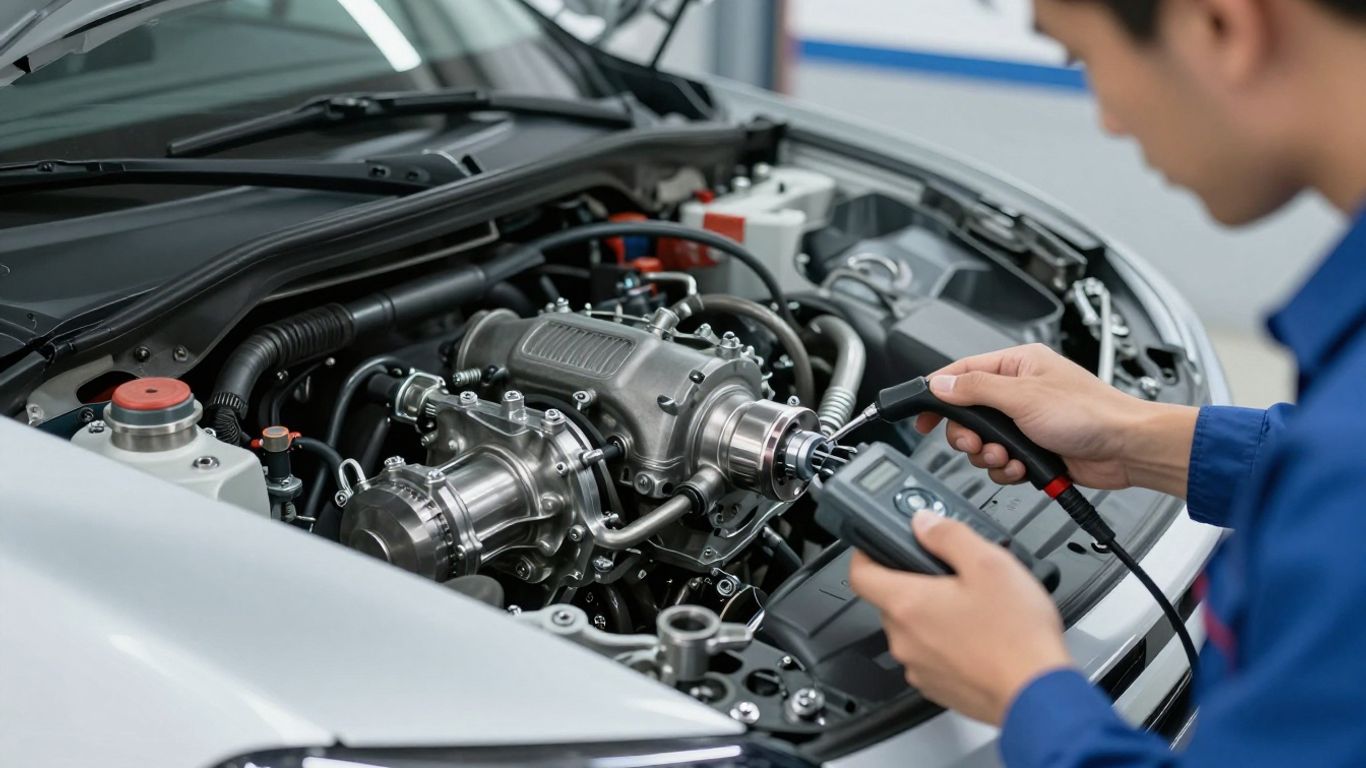
A clunk when selecting drive or reverse can reflect drivetrain movement, worn mounts, play in related components, or a transmission concern. A bang that repeats during upshifts or downshifts is more informative than an isolated noise caused by a rough road. Note whether the sound occurs with a cold vehicle, after warming up, or only when the accelerator is applied.
Do not assume every clunk comes from the transmission. Suspension, exhaust, axles, and engine mounts can create similar sounds, which is why the surrounding symptoms matter.
Whining, humming, or buzzing while driving
A rising whine may follow engine speed, vehicle speed, or a particular gear. Humming can also come from tires or wheel bearings, while buzzing may be electrical or related to a loose component. Compare the noise during gentle acceleration, steady cruising, and coasting without changing lanes or making abrupt maneuvers.
A noise that changes when a gear is selected is more suggestive of a powertrain issue than one that remains identical while coasting. Even then, sound alone cannot identify the failed component.
Grinding or rattling in neutral
Grinding or rattling while the vehicle is stationary and in neutral deserves attention, especially if pressing the clutch changes it in a manual vehicle. In an automatic vehicle, a neutral noise may involve internal bearings, fluid condition, mounts, or another rotating component. Record whether the sound is present in park as well as neutral and whether it changes with a small increase in engine speed.
Avoid revving aggressively to reproduce a noise. A technician can usually learn more from a careful description and a controlled inspection than from repeated stress on a questionable drivetrain.
How speed and engine temperature affect the noise
Temperature and speed can change fluid flow, clearances, and the load placed on rotating parts. A noise that appears only after twenty minutes of driving may point in a different direction from one heard immediately after startup. Likewise, a sound tied to road speed may be unrelated to the transmission even if it seems to come from beneath the center of the vehicle.
Write down the conditions rather than relying on memory. The following details make the report more useful:
- Whether the sound begins cold or after warming up.
- Whether it follows engine speed or vehicle speed.
- Whether a gear change, brake application, or turn affects it.
- Whether the sound is accompanied by vibration, slipping, or a warning light.
That short description helps separate a repeatable symptom from a noise that occurred under one unusual condition.
Shifting problems and changes in vehicle performance
A transmission problem is often felt before it is heard. The vehicle may hesitate, flare in engine speed, shudder through a shift, or fail to deliver power smoothly. These sensations can vary by gear, throttle position, temperature, and road incline, so the circumstances are part of the symptom.
Delayed engagement when selecting drive or reverse
A noticeable pause after selecting drive or reverse can indicate a fluid, hydraulic, electronic, or internal mechanical concern. A brief change in engagement time may not mean immediate failure, but a growing delay followed by a jolt is not something to normalize. Check that the selector is fully in position and note whether the delay occurs only after the vehicle has sat overnight or every time you shift.
Do not repeatedly move between drive and reverse to force engagement. That can make an already uncertain condition harder on the drivetrain and may obscure what happened during the first symptom.
Slipping gears and unexpected changes
Slipping can feel like the engine races while the vehicle barely accelerates, or like the transmission briefly loses and then regains the intended gear. Unexpected downshifts, neutral-like surges, or failure to stay in gear are safety concerns because they make acceleration unpredictable. Some vehicle designs feel different during normal operation, so a new change from the vehicle’s usual behavior is the key detail.
If the engine speed rises without a corresponding increase in speed, ease off the accelerator and move away from traffic when possible. Continued slipping can create heat and worsen internal wear.
Harsh, jerky, or shuddering shifts
A hard shift may feel like a bump, while shuddering can resemble driving over a series of small ripples. Causes can range from fluid condition and control problems to worn mounts or internal damage. Record the gear involved, whether the vehicle was accelerating or slowing, and whether the symptom appeared only once or repeats.
A diagnostic inspection should consider the whole powertrain rather than treating the sensation as proof of one failed part. Similar jolts can originate outside the transmission.
Trouble accelerating or staying in gear
Poor acceleration may result from a transmission that is not holding the selected gear, but engine, fuel, exhaust, and electronic faults can create a similar impression. If the vehicle drops into a limited operating mode, displays a warning, or cannot maintain speed safely, avoid treating it as a minor inconvenience. Pull over where practical and arrange an assessment.
For another general perspective on hesitation, jerking, and early symptoms, see this early transmission problem guide. It should supplement—not replace—a diagnosis for your particular vehicle.
What manual transmission clutch symptoms can reveal
In a manual vehicle, clutch trouble can resemble a transmission fault. A clutch that slips may allow engine speed to rise without proportional acceleration, while difficulty selecting gears can result from incomplete clutch disengagement. A burning odor after repeated starts on a hill, a high engagement point, or pedal changes can help distinguish clutch-related symptoms.
Do not rest your foot on the clutch pedal or continue forcing a gear that resists selection. A technician can inspect clutch operation, linkage, fluid systems, and the transmission together.
Fluid leaks, burning smells, and overheating
Fluid evidence can turn a vague complaint into a useful lead. Look at where the vehicle parks, when the spot appeared, and whether the fluid is fresh or old residue. Never crawl under a vehicle supported only by a jack, and do not touch hot components while trying to identify a smell.
How to identify transmission fluid under the vehicle
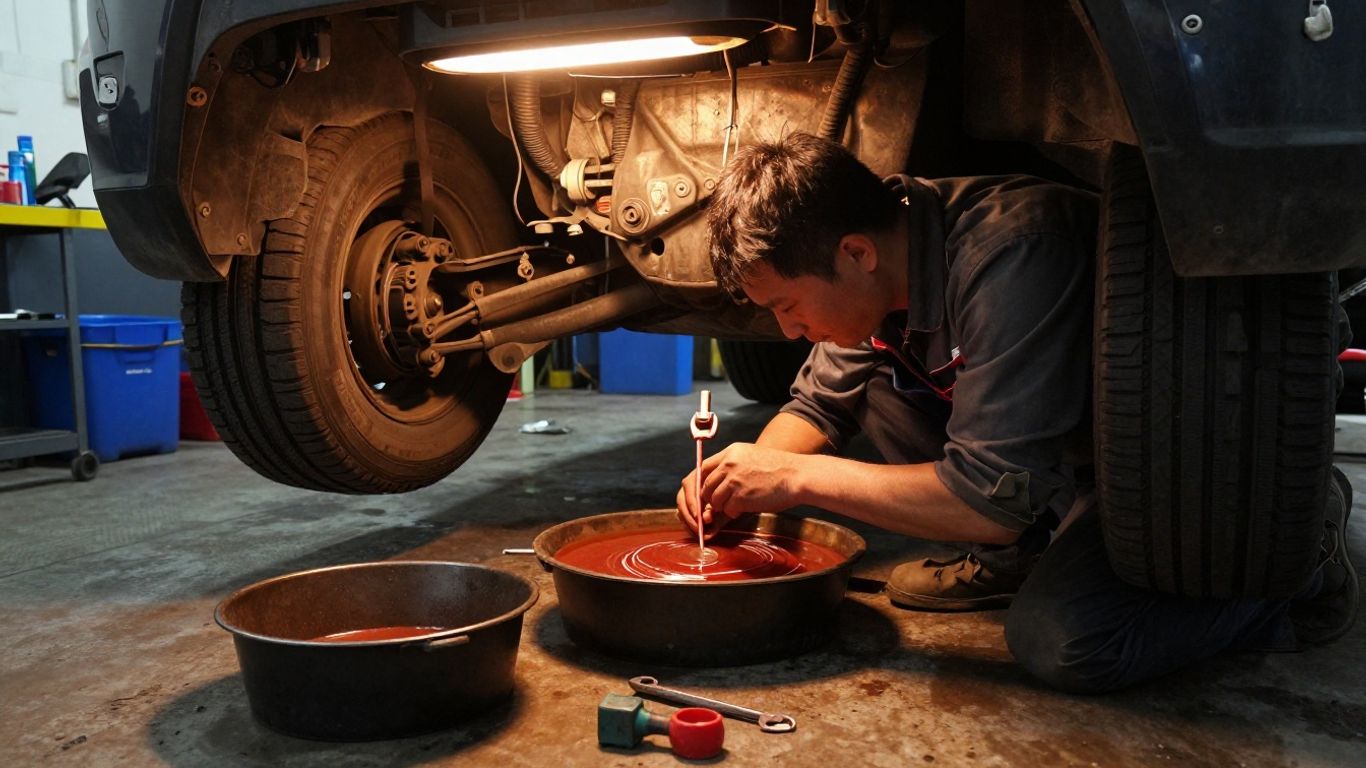
Fresh transmission fluid may appear as an oily spot near the center or front half of the vehicle, though the exact location varies by design. A leak can come from a pan, seal, cooler line, axle area, or another nearby component. Place clean cardboard beneath the parked vehicle if you want to observe a new drip without reaching underneath.
The location of a spot is only a clue because fluid can travel along covers or underbody panels. Have the source confirmed rather than adding fluid blindly.
What fluid color and odor can indicate
Fluid color varies by formulation and age, so color alone cannot prove what is wrong. Fresh fluid may be bright or translucent, while older fluid can darken; a strong burnt odor is more concerning than a particular shade. Do not mix products unless the vehicle manufacturer’s specification and service procedure call for it.
A fluid check, where the vehicle design permits one, should follow the owner’s instructions for temperature, level surface, and selector position. Some vehicles have no traditional dipstick and require a specific inspection procedure.
Why a burning smell requires prompt attention
A burning smell may come from overheated transmission fluid, a slipping clutch, brakes, oil, or another component. When it appears with slipping, delayed engagement, or a warning message, stop driving as soon as it is safe and let the vehicle cool. Smoke or a worsening odor raises the urgency further.
This transmission repair warning guide also treats burning smells, leaks, and strange noises as clues that warrant attention. The practical lesson is simple: identify the source before the odor disappears and the vehicle is driven again.
How overheating can damage transmission components
Excess heat can reduce the fluid’s ability to protect and control moving parts. It may also accelerate wear in seals, clutches, bearings, and other components, depending on the design and cause. Low fluid, restricted cooling, heavy loads, a failing part, or repeated slipping can all contribute to high operating temperature.
The dashboard temperature display may not measure transmission temperature directly. If overheating symptoms appear, do not assume the engine gauge tells the whole story.
How to diagnose transmission symptoms accurately
Good diagnosis begins with observation, then confirmation. A technician needs to know what the vehicle did, when it did it, and whether the condition changes with temperature, speed, load, or gear. Guessing from one symptom can lead to unnecessary parts replacement.
Checks you can safely perform at home
At home, limit your checks to observations that do not require lifting, disassembly, or contact with hot or moving parts. Confirm the vehicle is parked safely, inspect for visible leaks from above or around the tires, and review the owner’s manual for warning-light and fluid guidance. Note the mileage and preserve any dashboard messages.
A simple record can include:
- The exact gear selected when the symptom occurred.
- Whether the vehicle was cold, warm, accelerating, braking, or climbing.
- Any noise, odor, vibration, leak, or warning light observed.
- Whether switching the vehicle off and restarting changed the behavior.
This information is more valuable than repeatedly testing a failing vehicle. It also gives the shop a clear starting point.
Why diagnostic trouble codes need interpretation
A code identifies a detected condition or circuit, not necessarily the part that must be replaced. Wiring, connectors, sensors, software, fluid pressure, and mechanical faults can overlap in their symptoms. A proper diagnosis combines codes with live data, inspections, service information, and a road test when safe.
Do not clear a code simply because the vehicle seems normal for a day. Intermittent problems often leave useful history that can disappear when memory is erased.
Transmission issues that can mimic engine problems
An engine that revs, hesitates, or loses power may make the driver suspect the engine first. Yet a slipping transmission, torque-transfer problem, restricted drivetrain, or control fault can produce similar acceleration complaints. Conversely, an engine misfire or fuel problem can make shifts feel harsh because the power delivery is uneven.
A complete diagnosis compares engine data with transmission behavior. This prevents a familiar symptom from sending the repair in the wrong direction.
When a professional inspection is necessary
Seek professional inspection when a symptom repeats, a leak is visible, a warning light returns, or the vehicle cannot shift normally. Specialized tests may be needed to check pressure, electronic controls, fluid condition, mounts, clutch operation, or internal components. Choose a shop that can explain what was tested and why a repair is recommended.
Before approving work, ask whether the diagnosis is confirmed, what alternatives were ruled out, and what happens if the initial repair does not resolve the symptom. Clear answers are part of a sound repair decision.
What to do when you notice a warning sign
The first response should be calm and methodical. A transmission symptom may be minor, but driving blindly can turn uncertainty into a roadside failure. Use the vehicle’s behavior, the severity of the warning, and the safest available location to decide what happens next.
Steps to take before scheduling service
Write down the symptom while it is fresh, including the road, gear, temperature, and approximate duration. Photograph a fluid spot without touching it, save dashboard messages, and check the maintenance history. When contacting a shop, describe what changed rather than diagnosing the part yourself.
You can also prepare practical questions in advance. A useful service preparation checklist illustrates the value of bringing notes and communicating clearly, even though its original context is different from vehicle repair. The same habit can make a technical appointment less confusing.
When to stop driving and arrange a tow
Arrange a tow when the vehicle will not engage, repeatedly slips, leaks heavily, produces smoke, or cannot accelerate predictably. A tow is also sensible when a warning is accompanied by severe grinding, a burning odor, or a rapid rise in temperature. Continuing a short distance is not automatically safer or cheaper.
If you must move the vehicle out of immediate danger, travel only far enough to reach a safe position, then shut it down. Keep clear of traffic and hot components while waiting for assistance.
Repair options for common transmission problems
The repair may involve correcting a leak, servicing fluid according to the manufacturer’s procedure, repairing a cooler line, replacing a sensor or mount, addressing clutch wear, or rebuilding or replacing damaged internal components. The right option depends on confirmed cause, vehicle condition, parts availability, and cost. A fluid service is not a cure for every shifting complaint.
Ask for the diagnosis and scope in writing. That makes it easier to compare a targeted repair with a larger repair recommendation without relying on vague descriptions.
Maintenance habits that help prevent repeat issues
Follow the vehicle’s maintenance schedule and use only the specified fluid and procedure. Pay attention to new changes after towing, heavy traffic, steep driving, or other demanding use, and address leaks before the level becomes low. Keep records of services and repairs so future technicians can see what has already been done.
Avoid universal fluid advice because transmission designs differ. The owner’s manual and qualified service information are safer guides than a generic interval or additive recommendation. For context on recognizing problems in a specific vehicle family, this vehicle transmission warning guide offers another example of why model-specific details matter.
Conclusion
Transmission warning signs are easier to manage when you treat them as information rather than background noise. Record what you hear and feel, take leaks and burning odors seriously, and stop driving when control or engagement becomes uncertain. A timely, well-described inspection cannot guarantee a small repair, but it gives you the best chance of making a safe decision before the problem grows.
Frequently Asked Questions
What is the most common early transmission warning sign?
There is no single symptom that applies to every vehicle, but delayed engagement, unusual shifting, new noises, fluid spots, and slipping are common clues. A change from the vehicle’s normal behavior is worth recording and checking.
Can I drive with a transmission warning light on?
It depends on the light, the vehicle’s behavior, and the severity of the symptoms. If the vehicle shifts normally and the light is steady, arrange diagnosis promptly; if it slips, loses power, overheats, or behaves unpredictably, stop driving and seek assistance.
What does transmission slipping feel like?
The engine may rev higher without the expected acceleration, or the vehicle may seem to lose and regain a gear. It can also feel like an unexpected change in power delivery, particularly while accelerating or climbing.
Is a transmission fluid leak always red?
No. Fluid color varies with formulation, age, and contamination, and nearby fluids can look similar. Color and odor are clues only, so the source should be identified before adding or replacing fluid.
Why does my car jerk when shifting gears?
Jolting can involve fluid condition, electronic controls, mounts, clutch operation, or internal transmission wear. Engine and drivetrain faults can feel similar, so repeated jerking needs a complete inspection rather than a conclusion based on feel alone.
Can low transmission fluid cause overheating?
Low fluid can reduce lubrication and hydraulic function and may contribute to heat, but overheating has several possible causes. A leak, cooling problem, heavy use, or internal fault may also be involved and should be checked.
Should I get a transmission inspected if the symptom went away?
Yes, if the symptom was significant, repeated, or accompanied by a warning light, leak, odor, or loss of performance. Intermittent problems can return, and the stored information may help identify the cause before a complete failure occurs.