Key Takeaways
Identifying the root cause of transmission failure early can save you from significant repair expenses and safety hazards on the road. Understanding how the internal electrical, mechanical, and hydraulic components interact is essential for maintaining vehicle performance and longevity.
- Pay attention to delayed engagement when shifting gears.
- Monitor fluid levels and check for signs of contamination.
- Utilize diagnostic tools to identify specific error codes.
- Keep an eye on consistent engine and power issues.
- Consult professional services for major system overhauls.
Recognizing the early signs of transmission trouble
When your vehicle exhibits symptoms of a mechanical struggle, it often serves as a warning that the transmission is failing to synchronize power correctly. You may notice subtle changes in how the car accelerates or how smoothly it handles gear transitions. Ignoring these signs can lead to more severe damage over time, making it crucial to observe your car’s behavior closely during daily commutes.
Delayed engagement when shifting into gear
A noticeable pause before your vehicle begins to move after shifting from park to drive is a common indicator that internal pressure or hydraulic systems are weakening. This hesitation often suggests that the fluid is not circulating properly or that the internal valves are struggling to engage. If your automatic transmission feels sluggish in these first few seconds of operation, it is often a sign of hydraulic lag.
Unusual noises during shifting transitions
Grinding, whining, or clunking sounds during shifts are clear warnings that the internal components are not meeting smoothly. These sounds often arise when bearings or gears suffer from excessive wear and are failing to mesh without friction. Hearing these noises during acceleration is a serious concern that typically requires immediate inspection to identify the source of the mechanical tension.
Slipping gears while driving at highway speeds
Experience with a transmission not shifting properly often culminates in the feeling of loss of power while cruising on the highway, where the car suddenly drops into neutral. This situation is particularly dangerous because it prevents you from safely merging or maintaining speed in traffic. The sensation of the engine revving high while the wheels lose torque is a hallmark of severe slipping that requires advanced diagnostic care.
Fluid leaks and their impact on performance
Visible puddles beneath your car often point to low fluid levels, which directly compromises the lubrication and cooling required for smooth shifting. Without enough fluid, the internal components heat up rapidly and develop friction that ruins the system’s efficiency. Regular inspections of your driveway and parking spots are a simple way to catch these potential issues before your driving experience degrades further.
Common mechanical causes for shifting failures
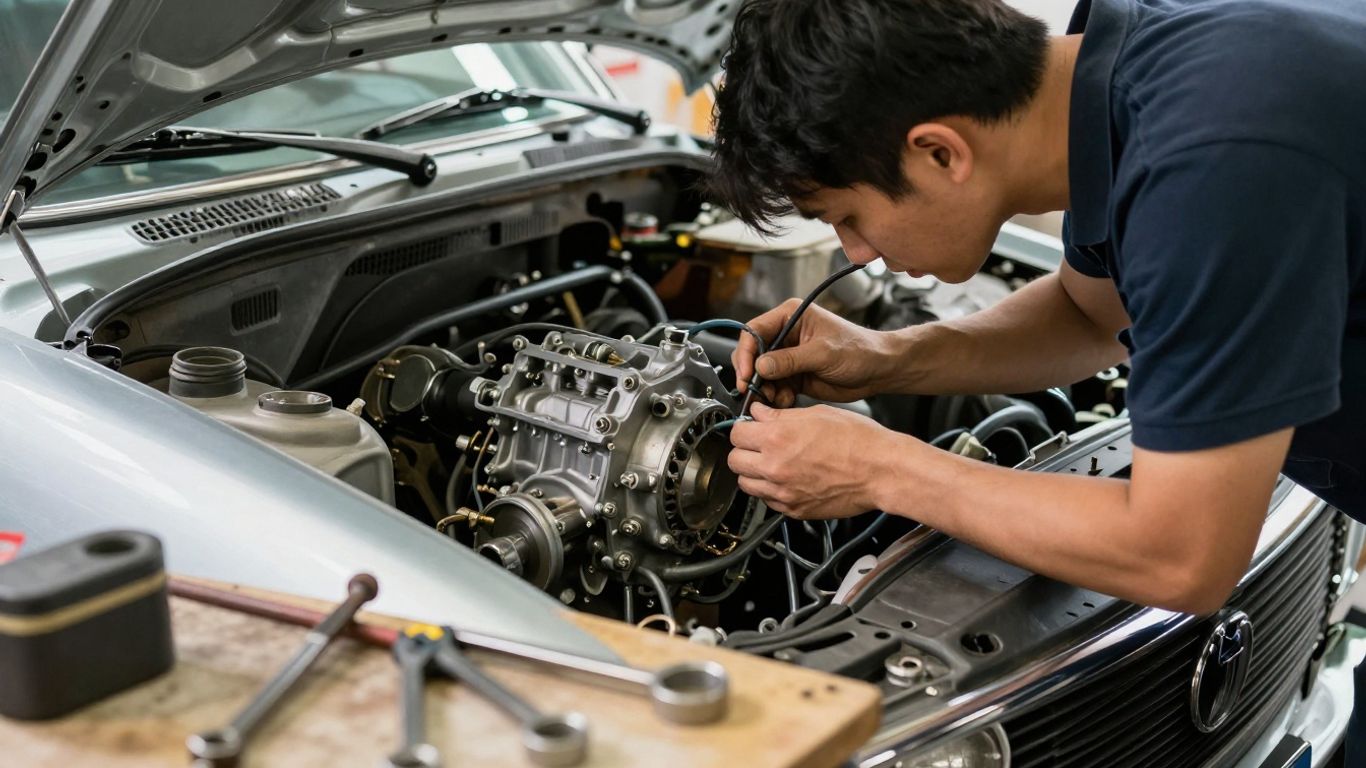
Mechanical failures are often the result of long-term wear or sudden damage to internal parts that dictate how power is delivered to the wheels. Even with regular maintenance, components like torque converters and clutch assemblies can gradually reach the end of their service life. Understanding these physical failure points helps clarify why your vehicle might be struggling, as documented in this transmission shifting guide.
Worn-out clutch discs in manual transmissions
Clutch degradation in manual systems causes slippage that makes it nearly impossible to transfer engine power to the transmission input shaft smoothly. As friction material thins, the clutch loses the grip required for clean shifts, often resulting in engine revving without a corresponding increase in forward movement. Replacing these discs ensures that the connection between the engine and transmission is restored to its primary engagement capability.
Damaged torque converter issues
Responsible for facilitating power flow in automatic systems, a damaged torque converter can lead to inconsistent shifting and vibrations that rattle the entire vehicle. These units often struggle to lock up correctly, resulting in poor fuel efficiency and a lack of responsiveness during gear changes. Ensuring this component is clean and functional is essential for maintaining smooth driving comfort during long journeys.
Blocked transmission filters and flow restrictions
Contaminants that accumulate within the system eventually clog the fluid filter, which prevents the transmission from generating the necessary internal pressure. This block creates a starvation effect where the gears do not receive enough fluid to move, triggering erratic shift patterns or total failure to engage. Monitoring for debris in the fluid path helps keep the entire hydraulic assembly operating within safe parameters.
Failing gear synchronizers or internal linkages
Internal linkages and synchronizers manage the physical movement of gears, and their failure can prevent the car from settling into the selected gear completely. When these mechanical links become misaligned, the shifter may feel stuck, or the transmission may refuse to stay in the intended position while driving.
| Failure Type | Primary Symptom | Required Action |
|---|---|---|
| Clutch Wear | Slipping power | Replace discs |
| Torque Converter | Excessive heat | System flush |
| Clogged Filter | Erratic shifts | Service filter |
Mechanical issues, while daunting, are far more manageable when identified before damage spreads to other delicate internal systems.
The role of transmission fluid in shifting health
Fluid is the lifeblood of a transmission, acting as both a lubricant and a hydraulic medium that enables gear selection. Without the proper chemical properties, these systems experience excessive wear and heat that quickly degrade internal components. Experts at Mister Transmission highlight that contaminated fluid is one of the most common reasons drivers face shifting hesitation on the road.
Importance of proper fluid levels and viscosity
Maintaining the correct volume and consistency of fluid is vital for managing the heat produced by friction during daily operation. Incorrect viscosity can cause the fluid to thin out or thicken, directly affecting the pressure levels needed to move shift solenoids. Checking your levels ensures that the system works in its ideal state to provide reliable performance in varied weather.
Identifying signs of burnt or contaminated fluid
Healthy fluid typically appears translucent red and has a mild, oily scent, whereas burnt fluid turns dark brown and carries a sharp, acrid smell. Contamination indicates that internal metal parts are wearing down and shedding particles into the system. Identifying these indicators early is the best way to prevent total system failure from occurring while traveling.
The risks of using the wrong fluid specification
Using an incompatible fluid type can damage seals and destroy clutches, as different systems require specific chemical additives for optimal interaction. Each manufacturer sets standards to ensure longevity, and straying from these specifications risks triggering internal degradation during shifts. Always double-check your owner’s manual before performing any fluid top-offs or maintenance procedures.
When your vehicle requires a complete fluid flush
If the fluid has turned dark and contains visible sediment, a basic drain and replace might not be enough to clear all debris from the complex valve body. A full system flush uses specialized equipment to remove old fluid throughout the system, ensuring that fresh fluid enters all circuits. This service is a standard preventive procedure for maintaining long-term shift quality.
Electronic and sensor-related shifting issues
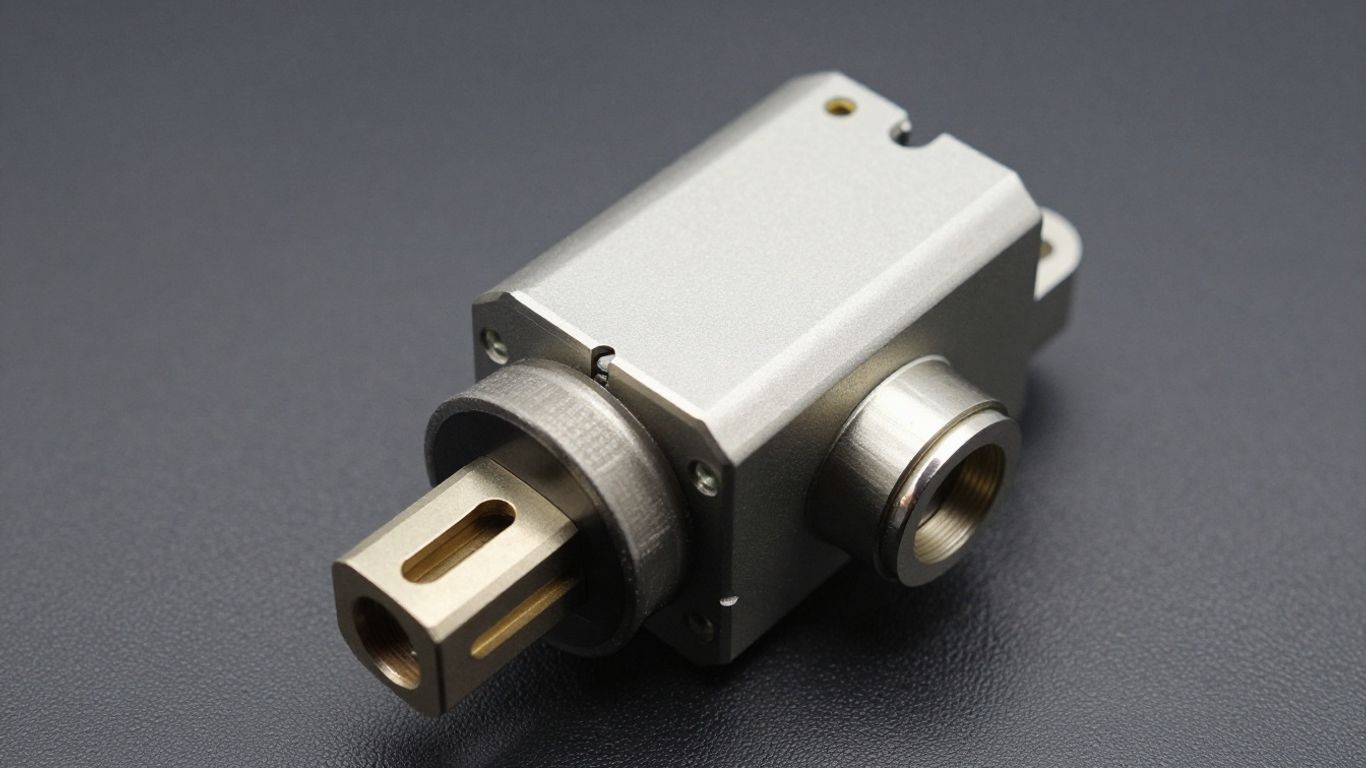
Modern vehicles rely heavily on electronic signals to optimize shifting, meaning a minor sensor glitch can manifest as a total loss of power delivery. Computers interpret input from various speed and position sensors to time every transition perfectly for efficient operation. Understanding how these electronic transmission controls work is the key to identifying non-mechanical failures quickly.
Troubleshooting failed throttle position sensors
The throttle position sensor tells the transmission how much load the engine is under, helping the computer decide whether to hold a gear or shift up. If this sensor sends incorrect data, the vehicle might shift too early or hold gears long after you have stopped accelerating. When the computer receives bad data, the shift logic effectively breaks, leading to a frustrated driving experience.
Impact of a malfunctioning vehicle speed sensor
Accurate speed data is required for the transmission to determine the perfect moment for your gear changes. A failure here often puts the car into a safety-driven "limp mode," restricting engine power until the fault is resolved. You might notice the speedometer acting erratically or the car refusing to shift into higher gears entirely.
Reading diagnostic trouble codes for transmission control modules
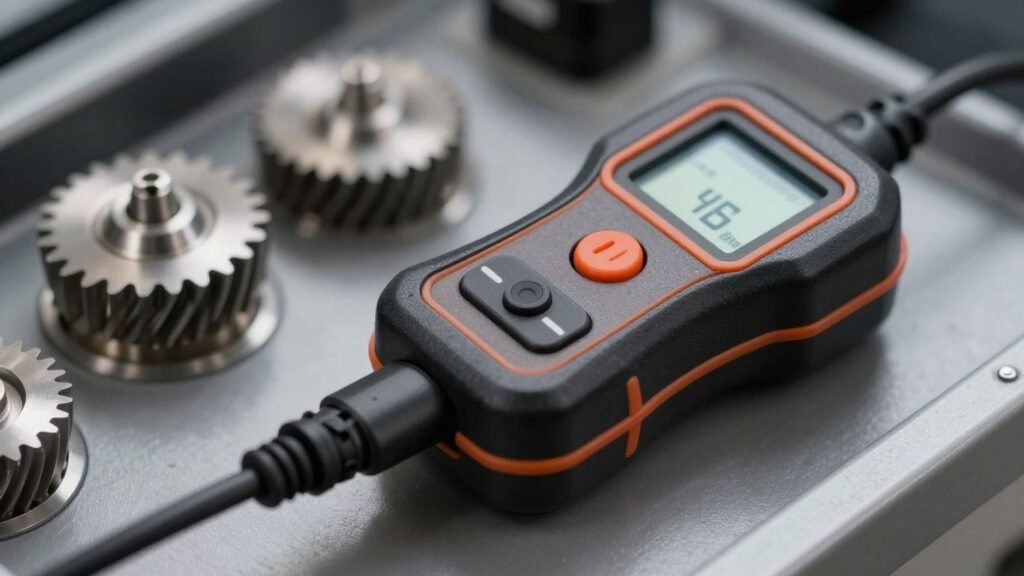
Using specialized scanners allows you to read specific error codes that isolate the exact electrical failure, saving hours of manual labor. These codes point directly to faulty solenoids or communication errors between modules, which narrows down the troubleshooting process. Most modern systems provide comprehensive data that makes pin-pointing electrical faults much easier for technicians.
Software updates and computer recalibration needs
Some shifting flaws are purely logic-based and can be rectified through temporary computer updates that recalibrate shift timing. Manufacturers occasionally release patches that adjust how the transmission responds to certain throttle inputs or vehicle speeds. These updates are a simple but effective way to ensure your transmission shifting remains sharp and accurate over time.
Diagnostic steps for home mechanics
Diagnosing transmission health is often a step-by-step process of checking accessible indicators before moving into complex internal components. A methodical approach ensures you do not overlook minor issues while assuming the worst about your transmission. Keeping clear records of your steps and the resulting diagnostics will help should you eventually need professional intervention.
Performing a manual fluid check and inspection
Start by checking the dipstick to see both the level and the condition of the fluid on a level surface. A low level is the easiest problem to fix, and an inspection of the fluid’s clarity can tell you volumes about the internal health of the unit. Ensure the engine is running at operating temperature if your manufacturer recommends that specific setup for an accurate reading.
Using an OBD-II scanner to pinpoint faults
An OBD-II scanner connects to the vehicle’s diagnostic port and pulls codes directly from the transmission control system. These codes remove the guesswork and provide clear direction on which sensors or actuators are failing. Most scanners now provide simple text explanations, which makes reading the diagnostics much more accessible for any home mechanic.
Checking external linkages and cable adjustments
Sometimes, the issue is simply a loose shifting cable that fails to pull the lever into the exact position required for gear selection. Manually inspecting the connections at the shifter and the transmission housing can reveal frayed or misaligned cables that prevent smooth operation. Adjusting these tension points is a common fix for cars that refuse to enter specific drive positions.
Safety protocols for working under the vehicle
Always use heavy-duty jack stands to support the vehicle’s weight before reaching underneath for an inspection of the housing. Never rely on the vehicle’s hydraulic jack for support, as it can fail suddenly. Following proper safety protocols, such as using wheel chocks and wearing protective eyewear, ensures that your diagnostic process is safe throughout the procedure.
When to seek professional repair services
While some issues can be handled in a home garage, major transmission rebuilds require specialized tools and deep expertise in hydraulic systems. A professional shop can assess problems that standard OBD scanners might miss during a routine check. Understanding the limits of DIY repair helps ensure that your vehicle receives the right care without incurring unnecessary risk during the fixing process.
Distinguishing between minor repairs and system rebuilds
Minor fixes often involve external sensors or fluid lines, whereas internal failure of planetary gears or clutch packs usually requires a full pull-and-rebuild. A professional technician can perform a stall test or a pressure test to categorize the failure correctly. Distinguishing between these two levels prevents simple exterior leaks from being misidentified as complete mechanical breakdowns.
Understanding manufacturer warranty implications
If your vehicle is still under an original factory warranty, attempting your own repairs or using aftermarket parts may void your coverage. It is always wise to review your documentation before performing any internal work that might compromise your standing with the manufacturer. Professional shops often guarantee their work, which provides additional protection that you cannot replicate at home.
Estimated costs for major transmission overhauls
Major overhauls are significant investments involving complex labor and high-quality replacement components. Prices vary depending on the make and model of your vehicle, but understanding the general market range helps when requesting estimates from local repair specialists. Being informed about current labor rates and part costs prevents unexpected expenses during the repair stage.
Finding a reputable transmission specialist
Look for shops that focus exclusively on drivetrain work and hold industry-standard certifications for long-term reliability. A reputable technician will explain their findings clearly and show you the damaged parts they removed from your vehicle. Trusting your car to an expert ensures the job is done correctly the first time, preventing recurring issues down the line.
Conclusion
Taking prompt action when your transmission behaves irregularly is the best way to secure your vehicle’s long-term performance and maintain safety. By monitoring fluid health, listening for mechanical warnings, and addressing sensor errors, you catch small issues before they evolve into full system replacements. Whether you choose to perform minor troubleshooting or consult a skilled professional, staying informed about your car’s needs empowers you to avoid costly downtime and keep your engine running as smoothly as possible for years to come.
Frequently Asked Questions
Can low fluid level cause damage if ignored?
Yes, low transmission fluid causes overheating and excessive friction, which can permanently score or destroy internal parts if left for too long.
How often should I check my transmission fluid?
It is good practice to check your fluid level every time you change your engine oil or at least every 5,000 miles to ensure no leaks have developed.
Will a check engine light always show transmission issues?
No, many mechanical transmission failures do not have a corresponding electronic sensor or error code that triggers the dashboard light immediately.
Is it safe to drive with slipping gears?
No, driving with a slipping transmission is dangerous as it can cause sudden loss of power during acceleration or movement on busy roads.
Does aggressive driving contribute to transmission wear?
Yes, heavy acceleration and constant rapid shifts put intense pressure on gear sets and clutch materials, accelerating the process of internal component fatigue.
Can a simple vacuum leak affect an automatic transmission?
Yes, in many older vehicles, vacuum lines are used to determine shift points, meaning leaks can cause erratic shifting even if the transmission is mechanically sound.
Should I flush my transmission fluid if it hasn’t been changed in 100,000 miles?
In some cases, high-mileage fluid that is very old should be replaced carefully, as removing the detergents and particles might reveal hidden mechanical issues in a worn unit.