
Key Takeaways
When a vehicle becomes difficult to operate, understanding the underlying transmission issues is essential for maintaining safety and performance. This guide covers the common signs of trouble and provides actionable steps for diagnosis.
- Low or degraded transmission fluid often restricts smooth gear movement.
- Hydraulic clutch systems require periodic bleeding to maintain pressure.
- External shifting linkages can bind due to debris or lack of lubrication.
- Worn synchronizer rings represent a frequent cause of internal grinding.
- Professional inspection is necessary when standard maintenance fails to resolve shifting resistance.
Common causes of stiff gear shifting
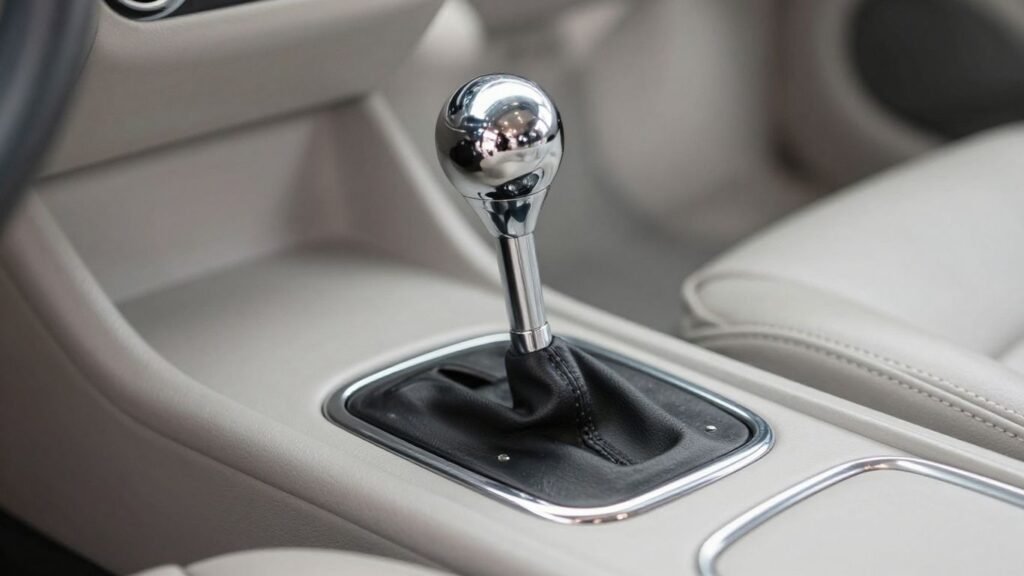
Experiencing a manual gearbox hard to shift can turn a standard drive into a source of constant frustration. Drivers often overlook the chain of events that leads to transmission resistance, assuming the fault lies deep within internal gearsets when the issue might actually be quite simple to resolve. Identifying the precise cause requires a systematic approach to investigating both hydraulic and mechanical systems.
Low or contaminated transmission fluid
Fluid serves as the lifeblood of any gearbox, providing heat dissipation and lubrication to reduce friction between moving parts. When levels drop or the oil becomes heavily contaminated with particulates, the internal components struggle to move against one another, creating a noticeable resistance. Monitoring this aspect of manual transmission problems is a fundamental maintenance task that often yields meaningful improvements in shift quality.
Worn or damaged clutch components
When a clutch fails to disengage fully, the engine remains partially connected to the transmission, which places significant stress on the gear selection process. This common mechanical issue creates a scenario where the gears are effectively spinning against the clutch’s residual drag, leading to the sensation of a difficult shift. Many drivers find that managing their expectations for component life helps in preventing complete failure.
| Component | Indication of Wear | Maintenance Action |
|---|---|---|
| Clutch Disc | Slipping during acceleration | Replace disc assembly |
| Pressure Plate | Stiffness at pedal stroke | Inspect spring tension |
| Release Bearing | Audible chirping noise | Replace bearing assembly |
It is helpful to track these symptoms closely, as timely intervention prevents collateral damage to the larger transmission housing and internal gear teeth.
Issues with shift linkage or cables
External connections communicate your hand movements to the gearbox itself, and if these components are loose or obstructed, precision is lost. Drivers dealing with manual transmission problems often overlook these external assets, yet adjusting the length or alignment of these cables frequently brings back the smoothness lost over thousands of miles. Keeping these linkages clean ensures that your input is transmitted without interference.
Internal synchronization problems
Synchronizers act as a friction brake to equalize the speed of the gear you are entering with the current rotational speed of the transmission shaft. When these brass or synthetic rings lose their friction surface, they fail to align the gears, resulting in that dreaded grinding feeling. This suggests the transmission requires internal attention to restore optimal shifting performance and prevent further wear on delicate internal hardware.
Clutch system diagnostic checks
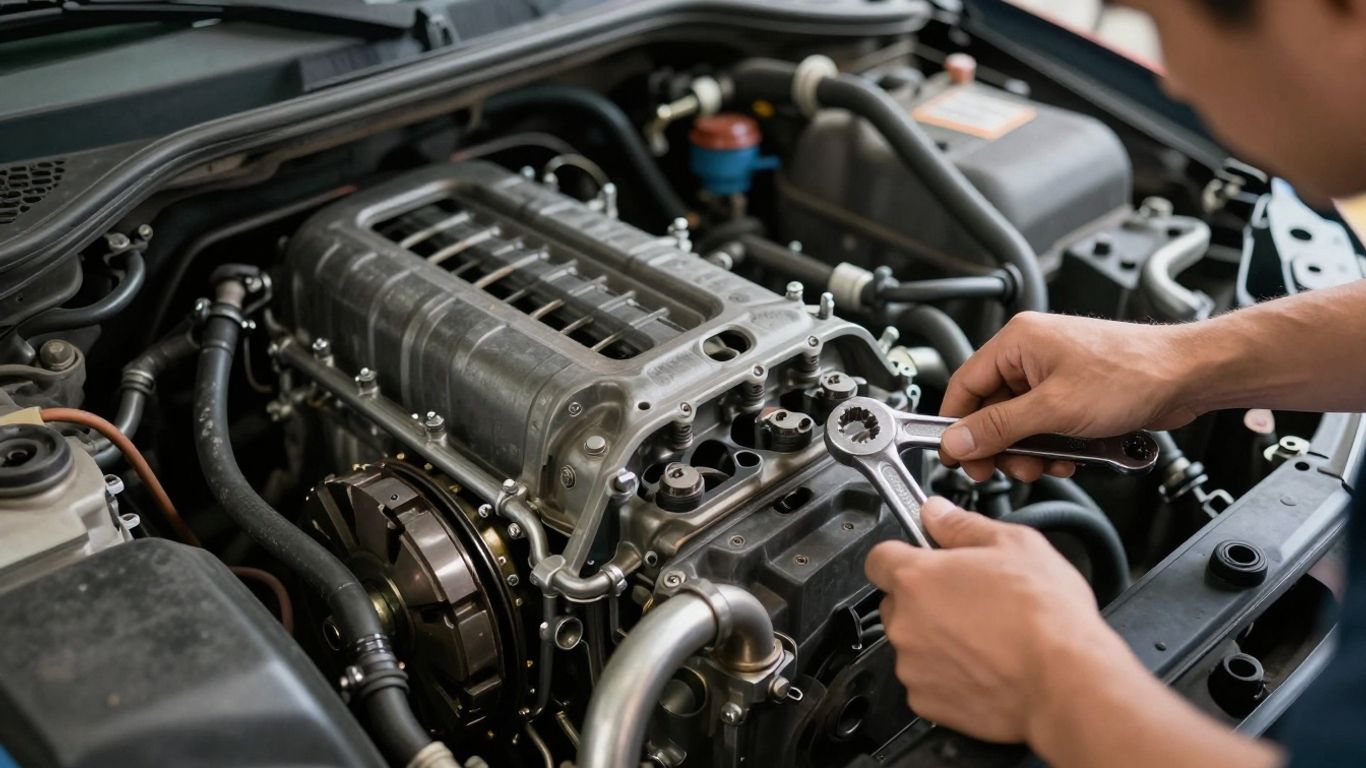
Before assuming the worst about your transmission, perform a localized check of the hydraulic systems responsible for declutching. A spongy or unresponsive pedal is often the first indicator that the hydraulic fluid has compromised its ability to transfer force reliably. Professional evaluation can help determine if the issue is a simple fluid matter or a component failure.
Inspecting the clutch master and slave cylinders
These two components work in tandem to actuate the clutch fork, essentially bridging the gap between your foot and the clutch disc. Look for dampness on the carpet near the pedal or wet spots under the chassis indicating a slow leak of hydraulic fluid. Should you need expert hands to navigate these repairs, connecting with localized experts through resources like SCD Garage represents a reliable pathway for high-quality maintenance.
Identifying air in the hydraulic system
Air bubbles trapped in the clutch lines suppress the movement of the slave cylinder, resulting in a pedal that feels soft or sinks to the floor. To ensure these parts function correctly, perform several maintenance steps:
- Locate the bleeder valve on the slave cylinder housing.
- Utilize a clear tube to monitor fluid flow into a catch container.
- Repeatedly pump the clutch pedal to cycle fresh fluid through the circuit.
- Close the bleeder valve securely once air bubbles are no longer visible.
Following these steps carefully allows a vehicle to regain a firm feel, ensuring that every time you depress the pedal, the force is directed solely toward disengaging the clutch.
Detecting a dragging clutch disc
When a disc does not fully clear the pressure plate, it acts as a constant drag on the drivetrain, preventing smooth synchronization during shifts. This state essentially forces the synchros to work much harder than designed, eventually leading to premature failure of those components. Checking for this usually involves verifying if the gear selection is impossible while the vehicle is idling at a stop.
Evaluating clutch pedal travel and adjustment
If the engagement point on the pedal becomes too low or shifts sporadically, the linkage adjustment may be out of spec. Adjusting the pedal stop to allow for maximum travel often corrects minor synchronization issues without needing a full rebuild. Ensure that your setup keeps citations consistent during your research process regarding hardware adjustments.
Transmission fluid maintenance and selection
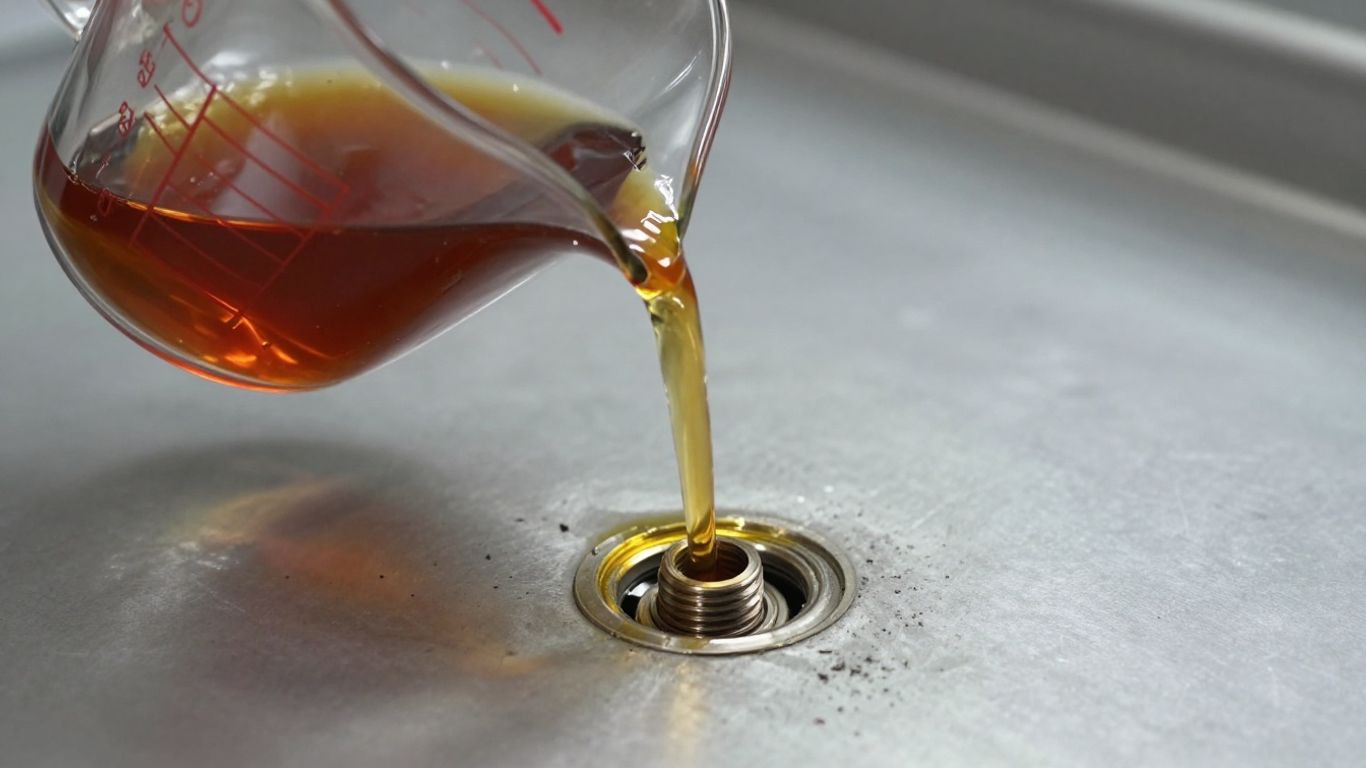
Regularly checking your transmission fluid is a foundational practice for anyone looking to extend the longevity of their drivetrain. Many modern gearboxes are sensitive to specific oil additives, making it critical to align the fluid characteristics with the manufacturer’s original specifications. Neglecting this simple oversight can gradually turn a perfectly smooth transmission into a noisy, resistive machine.
Checking fluid levels and oil clarity
Visual inspections of oil quality go a long way in diagnosing subtle issues before they manifest as major shifting faults. Simply extracting a small sample and comparing it to fresh oil can reveal significant degradation, discoloration, or a burnt smell indicative of thermal issues. It is important to treat every guide with a healthy dose of professional skepticism, ensuring the fluid you select meets your specific vehicle architecture.
Understanding the importance of viscosity ratings
Viscosity defines how easily the oil flows between tightlytolerance gear teeth, and using the wrong weight can lead to significant friction when the fluid is either too thick or too thin. In colder environments, a fluid that is too viscous will cause stiff shifts until the gearbox reaches operating temperature. Always prioritize the manual’s rating to keep internal resistance at its baseline level.
Identifying metal debris in the gearbox oil
Find small metal flakes floating in your oil sample indicates that internal components like gears or bearings are actively wearing down at an accelerated rate. If the metallic content is substantial, it often necessitates a thorough inspection of the internal gear teeth for chips or spalling. Ignoring this debris turns a simple fluid change into a missed opportunity for early detection.
When to perform a transmission flush versus a fluid change
A basic fluid change extracts the majority of oil through a drain plug, while a flush uses specialized equipment to cycle fluid until all old residue is removed. Flushing is generally recommended only in specific automotive contexts or when severe contamination has occurred. Consult your service records to decide which path preserves your transmission’s health best.
Inspecting mechanical shifting components
External shifting hardware acts as the physical bridge between your hand and the gear selector mechanism inside the case. Vibrations over years of operation often lead to loose mounting points or worn bushings that allow play in the gear stick, making gear selection feel sloppy or unnecessarily heavy. These external components are often the easiest to access and rectify without extensive teardowns.
Troubleshooting external shift cables and linkages
Inspect every joint and connection point in the shifting assembly for signs of binding or excessive slack. If you hear rhythmic rattling while driving, it is likely that a linkage bushing has disintegrated, leading to unwanted movement at the gear lever. Cleaning these contact points is vital for maintaining that crisp, factory-original feel.
Wear and tear on pivot bushings and mounts
Pivot points are the primary areas where friction accumulates, eventually turning into a dry or sticky feel when moving through the H-pattern. Over time, heat and road grime degrade original rubber bushings, requiring a swap for fresh components or performance-grade materials. Keeping these areas clean and protected ensures long-term reliability.
Lubrication requirements for external linkages
Using the correct high-temperature grease on exposed linkages prevents the oxidation that leads to stiff shifting in outdoor environments. Apply lubricants sparingly to prevent attracting grit, which can act as an abrasive over long periods. Consistent maintenance here prevents the need for drastic hardware replacements later.
Detecting bent or misaligned shift forks
In rare cases, the forks that physically guide the gear teeth into their locked positions can become distorted due to abuse or sudden impact. If only a single gear acts up, this is a prime suspect for an internal alignment issue. Diagnosing this confirms the need for an internal gearbox inspection, often better suited for local locksmith or similar specialty shop facilities that handle precision mechanical assemblies.
Advanced internal gearbox issues
Sometimes the problem is deeply rooted inside the bell housing, beyond the reach of external adjustments or simple fluid swaps. When internal synchronizers or needle bearings fail, the transmission’s ability to map out energy transitions is severely compromised, resulting in resistance that spans multiple gears. These situations typically require advanced mechanical knowledge or a dedicated workshop environment.
How worn synchronizer rings cause resistance
Synchronizers rely on precisely machined friction surfaces to match the speed of the output shaft with the input gear assembly. When these surfaces wear thin, the driver feels extra resistance as they force the gear stick into position, often accompanied by grinding noises. Replacing these requires a full transmission disassembly, making it a project for those with significant mechanical experience.
Identifying faulty gear teeth or needle bearings
Failed needle bearings at the end of the input shaft can cause gear teeth to mesh at an incorrect angle, creating enough resistance to make the gearbox feel bound up. Visualizing the state of these components is impossible without removing the transmission assembly, so look for clear indicator signs like whining sounds or metallic vibrations during normal acceleration.
The impact of excessive internal heat
Heat alters the way fluids lubricate internal surfaces and can even warp metal components if levels are too low to provide decent cooling. Maintaining your professional pest control efforts might be for other areas of your home, but ensuring the engine bay and transmission are vented properly remains a key mechanic for car reliability. High temperatures degrade seals, leading directly to the leaks that cause shift difficulty.
Determining when a professional rebuild is required
A gearbox rebuild becomes unavoidable when the internal integrity of the gearsets or shift hub assemblies is fundamentally compromised by long-term wear. Once shifting becomes unpredictable or grinding becomes constant across every gear, further driving only increases the probability of catastrophic output shaft failure. Consulting established experts is the safest way to tackle these significant mechanical challenges.
Conclusion
Returning your car to its original, smooth shifting state is a rewarding process that often begins with simple fluid checks and external linkage inspections. While internal damage can demand professional intervention, many shifting issues stem from deferred maintenance that can be easily addressed by a patient gearhead. By attending to your hydraulic and mechanical systems systematically, you ensure your transmission stays reliable for years to come.
Frequently Asked Questions
How often should manual transmission fluid be changed?
Most manufacturers recommend replacing transmission oil every 30,000 to 60,000 miles, depending on the severity of your driving habits and your local climate.
Can low fluid alone make shifting difficult?
Yes, low fluid levels starve the internal components of necessary lubrication, which dramatically increases the friction needed to move gears into place.
Does a spongy clutch pedal always mean a leak?
While a leak is a common culprit, trapped air in the hydraulic lines can also create a spongy pedal, which is why bleeding the system is a primary diagnostic step.
Should I worry if I hear grinding during shifts?
Grinding is a serious indicator of synchro failure or a dragging clutch and should be investigated immediately to prevent catastrophic gear tooth damage.
Does synthetic fluid improve shift quality?
Many drivers find that using high-quality synthetic fluids improves shifting smoothness, particularly in cold starts where oil viscosity is a major factor.
Are all shift linkages adjustable?
No, many vehicles utilize fixed cable systems that do not offer manual adjustment, meaning broken or worn components in those instances will require a complete replacement.
When is a transmission rebuild necessary?
A rebuild is typically required when internal synchronizers are fully worn, internal gear teeth show excessive damage, or the bearings supporting the shafts have failed completely.