

Key Takeaways
When your car refuses to shift into gear or move, identifying the root cause is essential for safety and cost-effective repairs. Follow these core principles to narrow down common mechanical and electronic failures.
- Check fluid levels and quality as the first diagnostic step.
- Inspect external drivetrain components like axles for visible damage.
- Utilize diagnostic tools to identify electronic control module fault codes.
- Listen for unusual noises that indicate mechanical grinding or slippage.
- Consult professional mechanics if basic troubleshooting does not restore mobility.
Transmission fluid issues
Maintaining the correct transmission fluid level and quality is a fundamental aspect of vehicle care, similar to how California homeowners must ensure their property systems function correctly. When fluid degrades or leaks occur, the hydraulic system cannot engage gears, essentially cutting off power from the engine to the wheels. Taking the time to monitor these levels can prevent extensive internal damage that often requires an automatic transmission service to rectify.
Identifying low fluid levels and potential leaks
Low fluid levels are frequently caused by failing seals or cracked gasket lines, which prevent the build-up of necessary pressure. You can often spot these leaks as small pools or damp spots on your driveway. If your transmission seems to struggle with gear engagement, checking the dipstick or fill plug is the logical first step in your troubleshooting guide.
Recognizing signs of burnt or degraded fluid
Fresh transmission fluid is typically translucent and reddish, whereas old or burnt fluid turns dark brown or black and emits a acrid, charred odor. Over time, heat causes the fluid to lose its viscosity, leading to sluggish shifts or even a complete loss of transmission function. If you notice this degradation, it is vital to flush and replace the fluid before further damage occurs.
Checking fluid pressure and hydraulic flow
Proper hydraulic flow relies on a consistent fluid environment that remains free of contaminants and debris. When pressure drops due to blockages, the system may fail to engage entirely, making it feel as if the vehicle remains stationary despite selecting a gear. Maintaining a clean system ensures that the clutch packs and bands receive the pressure they need to facilitate power transfer effectively.
Faulty torque converter
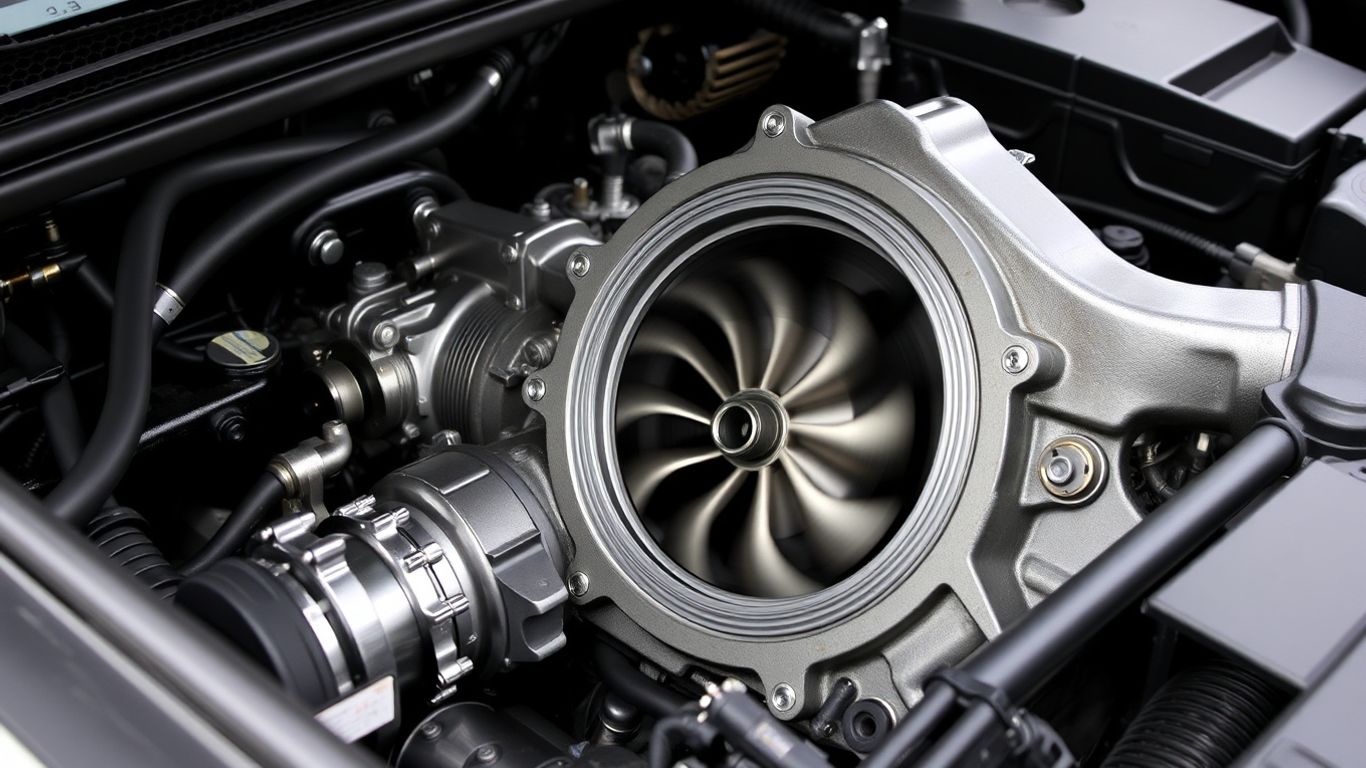
The torque converter serves as the hydraulic bridge between your engine and the transmission, enabling smooth power flow. When this component fails, the connection between power generation and wheel rotation is severed. Understanding its function helps in recognizing when symptoms point toward a converter issue rather than a simple electronic glitch or a car lockout that might otherwise keep your car immobilized.
Recognizing symptoms of converter failure
Common signs of torque converter failure include strange shudders at low speeds or a total inability to move in either direction. Drivers might also experience overheating or abnormal grinding sounds when the car is idling in gear. Ignoring these symptoms can lead to catastrophic internal damage within the transmission assembly.
Understanding the role of the converter in power transfer
At its core, the converter uses fluid dynamics to push oil against the turbine, which rotates the transmission input shaft. This fluid-driven link protects the engine from stall risks while providing the mechanical leverage needed to move the vehicle safely. Without this fluid engagement, energy generated by the motor literally has nowhere to go.
Deciding between converter repair and replacement
Typically, when a torque converter internally fractures, a full replacement is the most reliable path forward. Repairing individual internals inside the converter is rarely cost-effective compared to installing a new or rebuilt unit. Discussing options with a shop regarding how transmission components wear down can provide clarity on your specific repair path.
Damaged shift linkage or gear selection cables
Mechanical gear selection relies on a series of cables or rods that communicate your shifter’s position to the transmission gearbox. If the cable snaps, the transmission may remain stuck in the last gear used, often causing the car to fail to shift from Park or Reverse. Resolving this issue often involves simple adjustments to the mechanical assembly under the console.
Identifying a detached or snapped shifter cable
If the shifter feels loose or offers no resistance when moving through the PRNDL range, the linkage has likely detached. You can often see this by looking under the hood where the cable connects to the transmission range sensor. When a cable is clearly broken, the physical connection to the gear selector is lost, preventing the transmission from entering any drive mode.
Troubleshooting the floor-mounted gear selector assembly
Inside the cabin, the floor-mounted shifter is the operator’s interface for gear selection. If the internal plastic clips or bolts holding the assembly in place fail, the shifter may move without actually engaging the transmission linkage. Sometimes, even sitting in your car with sheepskin car seat covers can mask the vibration of loose components, so listen for rattles during gear changes.
Differentiating between mechanical linkage and electronic shifting issues
Mechanical linkages provide direct physical intent, whereas electronic shifting systems rely on solenoids and sensors to interpret your selection. This distinction is critical because electronic faults usually display warning lights on the dashboard, whereas mechanical issues often present as a "mushy" or disconnected shifter feel. Testing the physical movement of the transmission-side lever is the easiest way to confirm if a cable has snapped.
Clutch system failure in manual transmissions
In a manual transmission vehicle, the clutch system is responsible for disengaging the engine from the transmission. When the clutch disc is worn down to the rivets, it will slip incessantly and lose the ability to transfer power to the drivetrain. Proper maintenance of the hydraulic clutch master cylinder is essential to preventing this total loss of control.
Detecting a permanently slipping clutch disk
A slipping clutch manifests as high engine RPMs with very little forward momentum, especially under load or during acceleration. If you notice a faint burning scent while operating the vehicle, the friction material on the disk may have already been consumed. Driving under these conditions only leads to further heat damage in the flywheel and pressure plate.
Identifying pressure plate and release bearing malfunctions
The pressure plate provides the clamping force necessary for the clutch to engage, while the bearing allows for smooth operation during pedal depression. If the bearing becomes noisy or the pressure plate springs snap, the transmission will fail to disengage properly, making it nearly impossible to shift gears. These internal hardware failures require removing the entire transmission to resolve the issue.
Assessing hydraulic system leaks in the clutch master cylinder
Manual cars use a hydraulic system to push the master cylinder into the slave cylinder, effectively operating the clutch. If this system develops a leak or air gets trapped in the lines, the pedal will feel spongy or stuck to the floor. Regularly checking the reservoir fluid level can help you notice small leaks before they result in a total loss of gear engagement.
Electronic transmission control module (TCM) faults
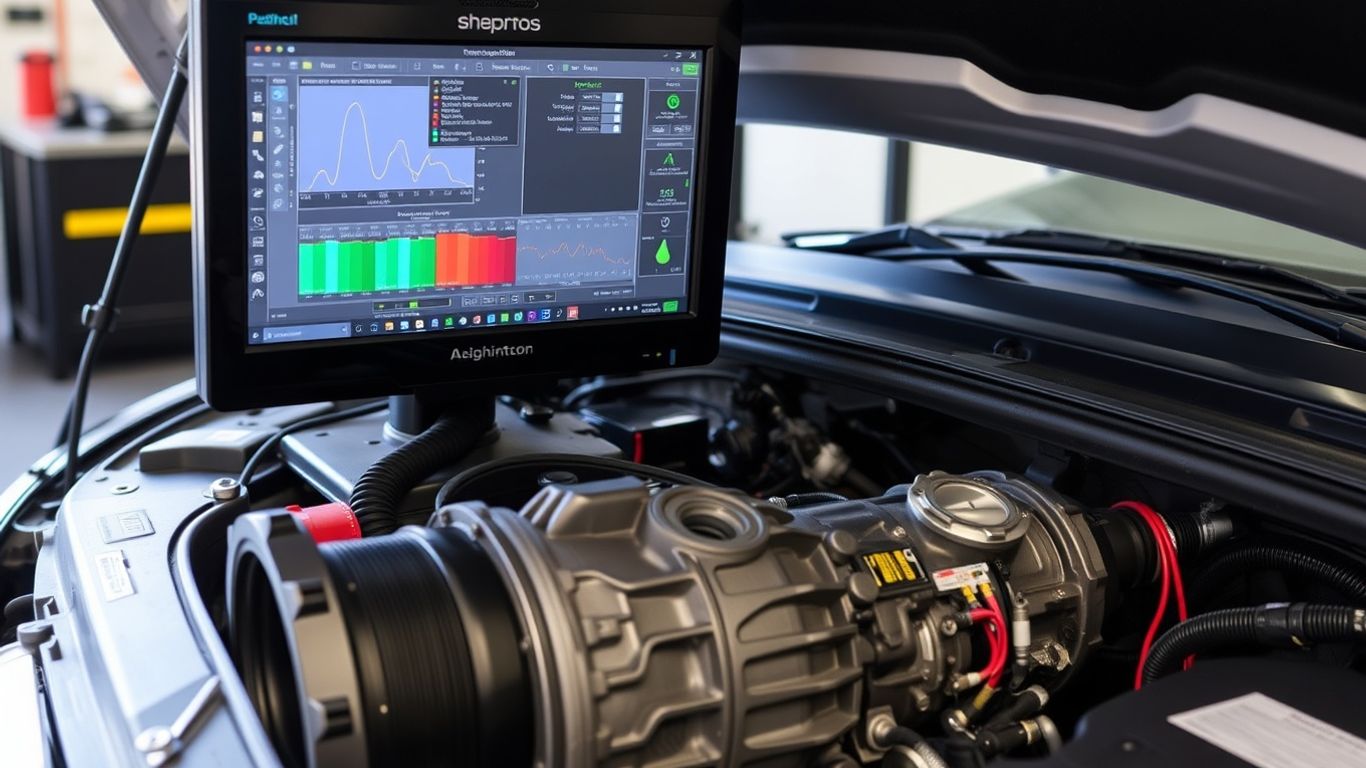
Modern transmissions rely heavily on computer-controlled logic, managed by the Transmission Control Module (TCM). When this unit encounters glitches or memory errors, it may default to a fail-safe mode that prevents the transmission from moving at all. This digital management system is designed to prevent staff burnout by automating shifting decisions, but it can occasionally develop localized electrical faults.
Identifying sensor malfunctions that inhibit gear engagement
Sensors monitor vehicle input, such as wheel speed and fluid temperature, to determine the correct gear. If a critical sensor feeds erratic data to the TCM, the system may refuse to shift as a security precaution. These sensor failures are common points of failure that can be diagnosed with standard OBD-II equipment by reading potential error streams.
Interpreting diagnostic trouble codes (DTCs) for transmission errors
When a transmission light illuminates, the vehicle stores a specific DTC that records the exact nature of the fault. These codes act as a digital map for the technician, directing attention toward specific solenoids, sensors, or circuit interruptions. Without accessing these computer logs, guessing at the cause of a no-move condition is often a recipe for wasted time and money.
When to perform a factory reset or software update
Sometimes, the TCM software needs a re-flash or factory reset to clear out corrupted drive-cycle logic. If mechanical components are confirmed healthy, updating the firmware can resolve complex shifting patterns that otherwise seem like internal hardware failures. Always follow professional service documentation before attempting a software reset to ensure you do not inadvertently brick the module.
Internal transmission pump failure
The transmission pump is the heart of the hydraulic system, generating the pressure required for gear selection and clutch operation. Sudden loss of pressure often results in immediate gear failure, as there is simply no medium available to exert the necessary force for shifting. Distinguishing this from minor obstructions is key to evaluating repair severity.
How the hydraulic pump manages pressure for gear shifting
Constant pressure allows the transmission to lock clutch packs and planetary gear sets in place. When the engine turns, the pump forces oil through the valve body, regulating how the gears engage based on throttle input. Maintaining proper fluid flow is the only way to safeguard this internal hardware from wear.
Assessing the impact of sudden pressure loss on vehicle engagement
When the pump fails, the transmission effectively turns into a dead weight, and the car will stop moving forward or reverse immediately. Sudden pressure loss can cause immense internal heat, potentially welding internal components together due to the lack of cooling fluid. For clarity, look at the common failure indicators in this table.
| Failure Type | Primary Symptom | Repair Difficulty |
|---|---|---|
| Valve body clog | Delayed shifting | Low |
| Pump drive failure | Total immobilization | High |
| Seal/Gasket leak | Fluid pressure drop | Moderate |
Distinguishing pump failure from minor valve body obstructions
Valve bodies often collect sludge or debris that causes sluggish behavior, which can feel like a failing pump. However, unlike a failed pump, a valve body issue can often be cleaned or repaired without a full unit overhaul. Always perform a pressure test before concluding that the main hydraulic pump has reached its end-of-life.
Worn-out drive axles and CV joints
Drive axles and Constant Velocity (CV) joints are responsible for transferring engine power from the transmission to the wheels. They are constantly moving and are subject to high levels of stress, which leads to eventual failure. When an axle snaps, the engine will spin the differential, but power will never reach your tires.
Identifying clicking or popping sounds during gear engagement
If you hear a distinct clicking or grinding sound when turning or accelerating, your CV joints are likely failing. These joints allow the wheels to move up and down with the suspension while maintaining full rotational torque. Neglecting these sounds can lead to a complete separation of the axle, leaving the car dead in the water.
Inspecting for torn boots and grease leakage on axle shafts
Rubber boots protect the CV joints from dirt and moisture, and keeping them intact is essential for longevity. If you see grease splattered on the inside rim of your tire or the underside of the chassis, your boot has likely torn, allowing contaminants to wash the grease away. You should inspect these areas regularly for the following signs:
- Greasy residue accumulating near the wheel well.
- Visible cracks or tears in the rubber axle boot.
- Unusual vibrations coming from the front steering column.
- Metal-on-metal grinding noises audible at low speed.
Taking care of these minor leaks early helps prevent the joints from grinding themselves into dust on the highway.
Differentiating between broken axles and internal transmission failure
If you place the car in gear and watch the axle shaft directly, you can see if the transmission output is turning. If the axle spins but the wheel stays still, the joint or the wheel hub has failed. If the transmission output does not rotate at all despite the engine revving, the failure is almost certainly located inside the transmission itself.
Parking brake or braking system seizure
Sometimes, the reason a car won’t move is not the drivetrain at all, but a seized braking system that holds the wheels firmly in place. This can happen after long periods of storage or exposure to harsh environmental conditions. The parking brake, in particular, is notorious for failing to release if the cable is corroded or frozen.
Examining if a stuck emergency brake is preventing movement
If you have recently used the parking brake, it is possible the cable has become stuck in the tensioned position. Attempting to force the car forward when the handbrake is accidentally engaged can result in permanent damage to the brake pads and shoes. Always verify that the handbrake is fully disengaged before assuming a major engine failure.
Identifying signs of seized brake calipers or frozen rotors
Seized brake calipers stick to the rotor and refuse to let go, creating immense friction that prevents the wheel from spinning. You can verify this by checking if the rims feel extremely hot after attempting to move, which indicates the system is fighting against itself. Frozen calipers often happen due to rusted pistons that no longer retract when the pedal is released.
Verifying wheel rotation while the vehicle is safely supported
If you can safely lift each wheel off the ground, manually spinning them will confirm if a brake is dragging. If one wheel turns freely while another feels locked tight, you have successfully isolated a brake system issue. This test is crucial for ensuring you do not invest in expensive transmission repairs when the solution is as simple as replacing a brake caliper.
Conclusion
Addressing a car that will not move requires a systematic investigation of the drivetrain, starting from the transmission fluid and electronic controls down to the axles and braking system. By methodically diagnosing these potential points of failure, you can save time and prevent unnecessary expenses, ensuring that you return to reliable driving as quickly as possible.
Frequently Asked Questions
Could a dead battery cause the car not to move?
A dead or severely dying battery can cause the electronic modules, such as the TCM, to exhibit erratic behavior and refuse gear shifts even if the starter motor manages to turn briefly.
Why does my car work fine after it sits for a while?
If the transmission starts working again after sitting, it often points to a fluid pressure issue where debris in the valve body settles when the fluid cools down.
Is it safe to drive if the transmission slips occasionally?
Driving with a slipping transmission is dangerous because you may lose the ability to accelerate safely or maintain speed in traffic, eventually leading to a full loss of power.
Can extreme temperatures affect shifting?
Yes, very low temperatures can cause transmission fluid to thicken significantly, which inhibits proper flow through the valve body and results in sluggish or absent gear engagement.
Do I need to replace the entire transmission if it doesn’t move?
Not necessarily, as many issues like low fluid, broken linkage, or faulty sensors do not require a full unit replacement.
How do I know if my torque converter is the problem?
If you hear grinding noises or feel excessive shuddering before the car stops moving entirely, the converter is a likely culprit.
Should I check the transmission fluid while the engine is running?
Most modern vehicles require you to check the fluid level while the engine is at normal operating temperature and idling to ensure an accurate reading on the dipstick.