
Key Takeaways
Understanding the origins of your vehicle’s transmission noise helps you decide when to seek professional help and how to maintain functionality. Here are five crucial points to consider:
- Grinding during gear changes often points to worn synchronization components.
- Routine checks of transmission fluid levels prevent excessive metal-on-metal wear.
- A dragging clutch that fails to disengage fully frequently causes grinding in every gear.
- Worn shifter bushings can lead to imprecise shifting and audible metallic scraping.
- Promptly addressing transmission sounds saves money by preventing complete system failures.
Identifying the specific symptoms of grinding noise
Identifying grinding while shifting gears
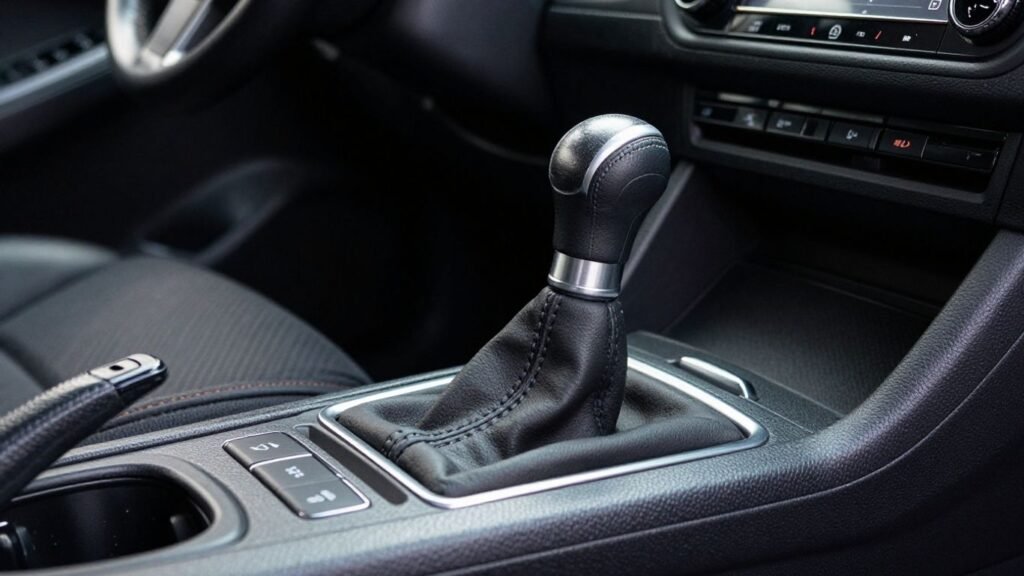
When you move the stick shift and hear a harsh metallic noise, it often indicates a failure in the synchronization process between gears. This sensation, sometimes felt through the lever, suggests the gears are not matching speeds effectively before locking into position. Most drivers describe this as a rough or grating sound that occurs precisely at the moment of engagement. The issue typically highlights that internal gear teeth are struggling to mesh smoothly due to wear or timing discrepancies.
Grinding noise when the clutch is disengaged
If you hear grinding while the clutch pedal is pressed all the way to the floor, the clutch system itself is likely the source. When the clutch fails to fully decouple the transmission from the engine, the input shaft continues to rotate, leading to audible friction. This persistent noise often implies that the pressure plate or release bearing is not separating the clutch disc correctly. You may notice this sound even when the car is stationary and in neutral.
Distinguishing grinding from whining or clunking sounds
Distinguishing between types of noise is important for diagnosis. While grinding presents as a sharp, scraping sound stick shift sounds, whining is usually a constant high-pitched drone that fluctuates with RPM and often points toward worn bearings. Clunking is typically a lower, thudding sound that often relates to loose mounts or drivetrain slack. Unlike the consistent grind of worn components, clunking often happens when force is suddenly applied or removed from the drivetrain.
How vehicle speed and RPM affect the noise
Changes in speed and engine revolutions per minute drastically alter how these noises manifest. A noise that appears only at specific engine speeds may indicate an issue with internal bearing load or harmonic vibration. If the sound remains constant regardless of vehicle speed but changes with engine speed, the problem likely resides on the input side of the transmission. Monitoring when exactly the sound triggers relative to your driving inputs helps narrow down the mechanical culprit.
Common mechanical causes of transmission grinding
Worn or damaged synchronizer rings
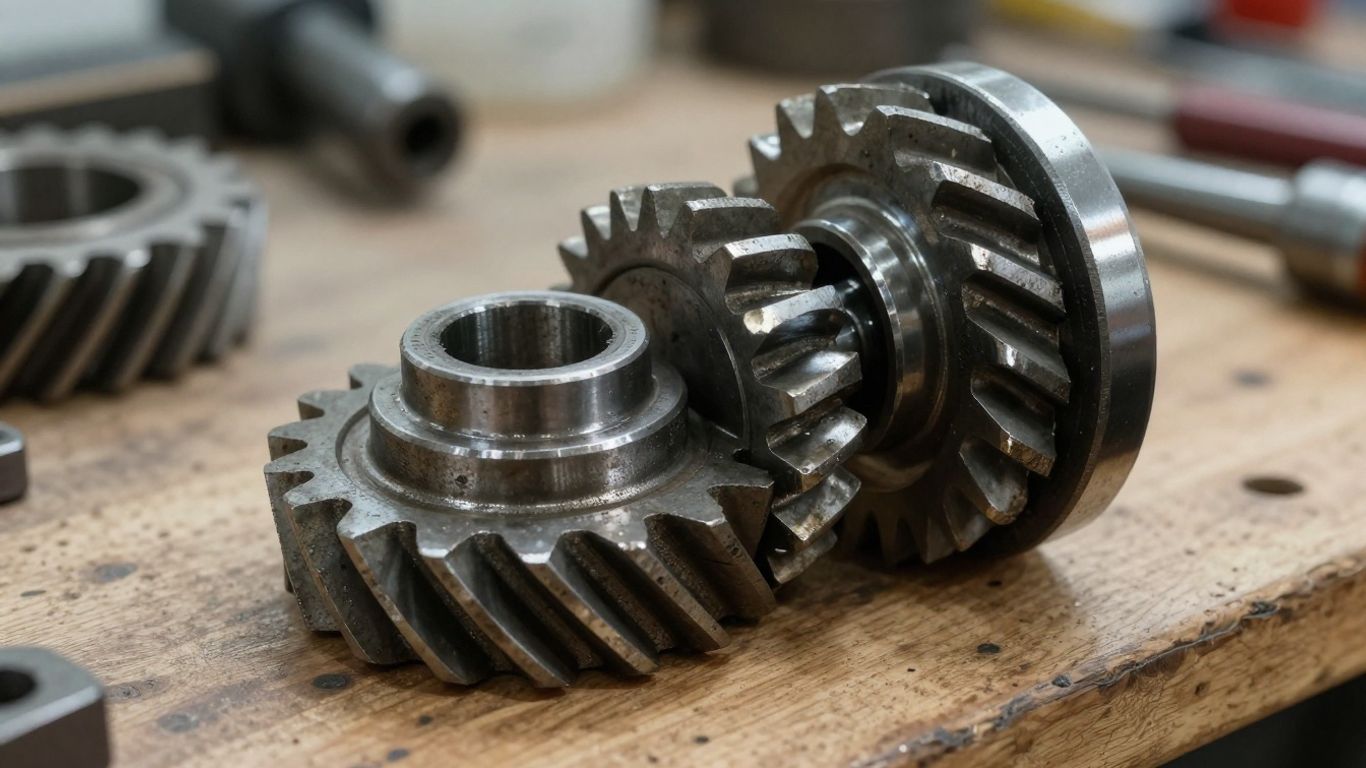
Synchronizer rings act as friction brakes that align the speed of the gear shaft before the teeth engage. Over time, these brass rings wear down, meaning they can no longer bridge the speed difference, resulting in a predictable grind during shifting. This is a common issue for vehicles with high mileage or those regularly driven with aggressive shifting habits. If you experience this, engaging the clutch and performing a double-clutching technique might temporarily provide a quieter, symptom-free shift.
Issues with the pilot or throw-out bearing
Bearings support the rotation of the transmission shafts, and when they begin to fail, they introduce play into the assembly. A failing throw-out bearing often makes noise when the clutch pedal is depressed, whereas a pilot bearing might squeal or rumble while the engine is running and the vehicle is moving. Neglecting these bearings leads to internal damage, as the shaft becomes misaligned and puts uneven pressure on the gear teeth. Using the right techniques when diagnosing these sounds quickly can often prevent a small bearing issue from turning into a total gear failure.
Damage to gear teeth or transmission housing
Physical damage to gear teeth often happens after years of forced shifts or debris contamination within the oil. Once a tooth is chipped, that specific gear will consistently grind or emit a rhythmic clunking sound whenever it is selected. The following table summarizes how various internal parts contribute to transmission noise:
| Component | Primary Noise Type | Typical Indicator |
|---|---|---|
| Synchronizer Ring | Sharp Grinding | Noise while shifting gear |
| Main Bearings | Continuous Whining | Pitch changes with RPM |
| Gear Teeth | Rhythmic Clunking | Noise in specific gear |
By observing the pattern of the noise, you can often deduce which component is failing before the transmission requires a full overhaul.
Low or degraded transmission fluid levels
Transmission fluid is the lifeblood of your stick shift, carrying heat away and providing lubrication to minimize metal-on-metal contact. When levels are low, the upper bearings in the gearbox often lack sufficient oil, leading to dry friction and eventual grinding. Over time, the oil breaks down, losing its protective properties, which can be identified by a burnt smell or metallic debris in the fluid. Regular inspections of the fluid condition are necessary to prevent costly transmission damage.
Assessing the condition of your clutch system
Adjusting the clutch cable or hydraulic mechanism
Sometimes, the clutch simply needs a minor adjustment to function correctly. If the clutch cable has stretched or the hydraulic slave cylinder has lost fluid, the pedal may reach the floor without fully disengaging the clutch disc from the pressure plate. Periodic adjustments can often resolve grinding issues that seem like internal failures but are actually just linkage or pressure gaps. Always verify the pedal feel is firm rather than spongy before assuming internal transmission damage.
Signs of a failing clutch pressure plate
A pressure plate that is warped or has worn fingers will cause the clutch to drag across the disc. This results in inconsistent biting points and grinding, especially when attempting to shift rapidly. If you notice the pedal vibrating significantly or feel a pulsation through your foot when pressing it, the pressure plate is likely the culprit.
When a misaligned clutch needs professional inspection
If the clutch components are not centered perfectly during installation, the imbalance will cause premature wear on the input shaft bearing. This misalignment creates a persistent vibration that evolves into grinding over time as the bearing housing sustains damage. If you suspect an installation error or notice the issue started shortly after clutch maintenance, a professional shop should inspect the assembly for proper geometry.
The impact of a worn clutch disc on shifting engagement
When the friction material on the clutch disc wears thin, the disc may become glazed or loose its ability to grip the flywheel properly. A worn disc is often accompanied by slipping, where the engine RPM rises without a corresponding increase in speed. As the disc reaches the end of its life, the clearance between internal components can lead to difficulty selecting gears smoothly, often manifesting as a audible protest from the gearbox.
Troubleshooting the shifting linkage and internal components
Checking for loose or worn shifter bushings
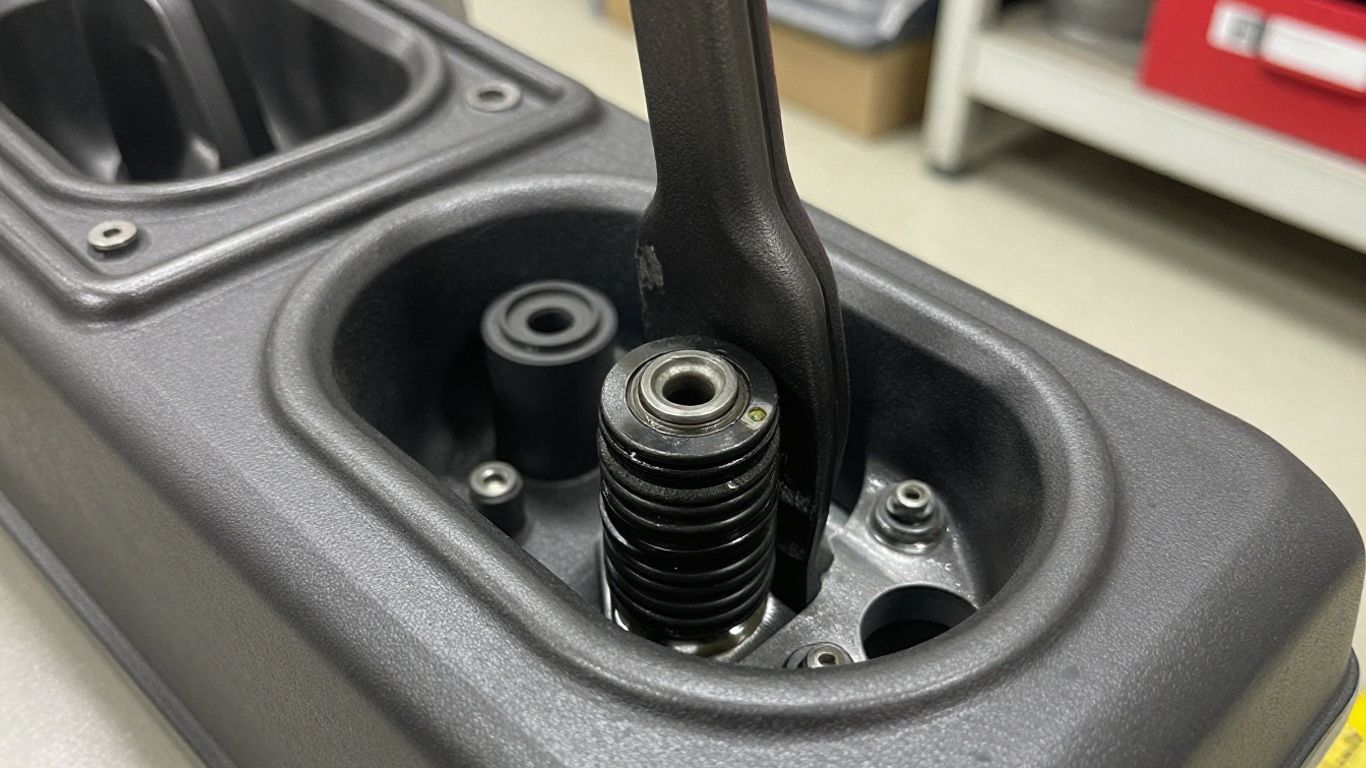
As vehicles age, the rubber or plastic bushings located at the base of the shifter and along the linkage can disintegrate. This leads to "sloppy" shifting, where the lever moves far beyond its intended range, making it difficult to fully seat the gear. A loose linkage often creates an rattling or grinding sensation because the gears are never fully aligned within the gate. You should check the following areas for wear:
- The shifter cane base and internal pivots
- Bushings at the transmission selector shaft
- The nylon inserts found within the shift cables
- Any rubber grommets holding the linkage in place
Inspecting these small components can often restore the factory-tight feeling and solve persistent grinding issues, provided the internals themselves haven’t sustained damage.
Inspecting the linkage for debris or physical damage
Road debris can lodge itself around the external linkage, hindering the full throw of the selector lever. If the linkage is physically bent from an impact or improper handling, it will prevent the transmission from completing a shift even if you push the lever against the stop. Regular visual inspections underneath the vehicle are a simple way to rule out this external cause of transmission frustration.
How bent shift forks cause gear grind
Internal shift forks move the sliding sleeves that lock gears into place. If a fork becomes bent due to heavy loads or previous gear clashes, it will not push the sleeve far enough across the gear splines. This incomplete engagement results in a grinding noise as the gears partially mesh but slip out of alignment under load. Correcting this usually involves opening the transmission casing.
Identifying internal bearing wear through sound analysis
Bearings are constantly rotating while the engine is running. If you can hear a low, rhythmic rubbing sound even when you are not in gear but the clutch is engaged, the input shaft bearing is likely worn. This wear allows the shaft to wobble, which in turn causes the gears to chatter. Using a mechanic’s stethoscope can help pinpoint exactly which area of the casing is producing the loudest friction.
Maintenance steps to prevent transmission damage
Following manufacturer intervals for fluid changes
Sticking to the recommended service schedule for fluid replacement is the best way to extend the lifespan of your manual transmission gears. Over time, fluids pick up microscopic metallic particles that act as an abrasive inside the unit. Fresh oil ensures that all internal lubricated parts remain coated and protected against friction, even under heat-intensive driving conditions.
Choosing the correct manual transmission gear oil
Using the wrong weight or grade of transmission fluid, particularly in systems with specific synchronizer requirements, can lead to immediate shifting difficulties. Always verify the manufacturer’s specification for gear oil, as some modern formulations include additives meant to reduce grinding. The wrong oil can make the synchronizers perform poorly, worsening the very noises you are trying to silence.
Driving habits that protect synchronizers and gears
Your right foot and left hand dictate the longevity of your transmission. Avoid rest your hand on the shift lever while driving, as this puts constant pressure on the internal forks, and always ensure the clutch is fully released before moving the stick. Taking extra time to shift smoothly prevents the synchronizers from being overwhelmed, keeping the gear teeth in pristine condition for years longer than aggressive driving would allow.
Periodically inspecting the clutch assembly for wear
During routine engine oil changes, take a moment to peek at the clutch hydraulic levels and look for signs of leaking fluid. While the clutch itself is buried, an early sign of pressure plate or bearing trouble before it develops into a full grind can save you hundreds of dollars in repair costs. Staying proactive with these checkups is a habit that characterizes well-maintained collector cars.
Deciding when to repair or replace your transmission
Determining the cost-benefit of individual part replacement
If the grinding is limited to a single gear, replacing the synchronizer or fork might be a viable, cost-effective option. However, if multiple gears exhibit wear, the labor costs for disassembling the entire transmission just to replace individual parts may exceed the cost of a full unit swap. You should weigh the cost of parts against the total time required for a mechanic to perform the teardown.
Understanding when a full internal rebuild is necessary
An internal rebuild is usually required when the gear teeth themselves show significant pitting or when multiple bearings have failed. At this point, the transmission must be stripped down to the casing, cleaned, and reassembled with new hardware. This is a labor-intensive process that should only be undertaken if the transmission casing itself remains in good condition and the internal gears are still production-ready.
Weighing the value of a used versus remanufactured transmission
Used transmissions are always a gamble; you assume the risk of inheriting someone else’s transmission issues. Remanufactured units, while more expensive, typically come with warranties and updated internal parts. If you plan to keep your vehicle for many years, the extra upfront cost of a remanufactured unit is often a smarter financial decision when compared to the volatility of a used part.
Finding a reputable mechanic for specialized transmission work
Transmission repair is a highly specialized craft that requires specific tools and an deep understanding of gear geometry. Don’t leave your gearbox to a generalist mechanic unless they have specific experience with your make and model. Finding a shop that focuses on manual gearboxes or high-performance drivelines gives you the best chance of a successful resolution to that annoying grind.
Conclusion
Maintaining your manual transmission requires a blend of attentive driving, regular fluid changes, and a quick response to any new noises. By understanding how the clutch, linkage, and internal synchronizers work together, you can identify the difference between a minor adjustment and a pending mechanical failure. Address these sounds at the first hint of trouble to avoid unnecessary expenses and keep your vehicle shifting as smoothly as the day it rolled off the assembly line.
Frequently Asked Questions
Is it safe to drive my car if the transmission is grinding?
Driving with a grinding transmission is risky because the metallic debris produced by the grinding teeth circulates through the system, accelerating wear on every other component. While you might be able to limp to a shop, you should minimize driving and have the vehicle inspected immediately to prevent a total transmission lockdown.
Can cheap gear oil cause my transmission to grind?
Yes, using an incorrect oil grade or low-quality fluid can prevent the synchronizers from operating at the right friction level. Modern manual transmissions often have strict requirements for additive packages, and failing to meet these specs often results in immediate notchiness or grinding during shifts.
Does cold weather affect manual transmission grinding?
Cold temperatures make transmission fluid thicker, which makes it harder for the internal parts to move easily until the car warms up. If you notice grinding only on freezing mornings that disappears after ten minutes, check if the oil specified for your car is optimized for cold-weather performance.
How long does a manual transmission usually last?
With regular fluid changes and sympathetic driving habits, a modern manual transmission can easily last well over 200,000 miles. Conversely, aggressive shifting and lack of maintenance can cause failure in a fraction of that time.
Can adjusting the clutch improve gear grinding?
Yes, if the grinding is caused by the clutch failing to fully disengage, a simple cable adjustment or hydraulic system bleed can restore proper pedal travel. Proper disengagement ensures the input shaft stops spinning when you press the pedal, which is critical for smooth gear selection.
What does a metallic grinding sound indicate compared to a whine?
Grinding is usually a consequence of mechanical interference between gear teeth or synchronizers, while whining is typically a sign of worn bearings supporting the shafts. A grind suggests a problem with engagement, whereas a whine suggests a problem with rotation.
Should I attempt to rebuild the transmission myself?
A transmission rebuild is a highly complex task that requires specific measurements, press tools, and a very clean workshop environment. Unless you have prior experience and access to the factory service manual for your specific gearbox, it is usually better to leave the internal work to a professional.