Dealing with a busted transmission can really put a damper on your day, especially when you’re in Perth. It’s a big repair, no doubt about it. But finding a solid solution, like a rebuilt transmission with a good warranty, can make all the difference. This guide is here to help you figure out what’s what, so you can get back on the road with confidence.
Key Takeaways
- When your transmission acts up, watch for signs like slipping gears, weird noises, or dashboard lights. Don’t wait too long to get it checked out.
- Choosing between a new, rebuilt, or used transmission depends on your budget and how long you need it to last. Rebuilt ones can be a good middle ground.
- Always look for rebuilt transmissions with warranty in Perth. This gives you peace of mind knowing you’re covered if something goes wrong.
- Getting your transmission fixed by experienced mechanics is super important. They have the know-how and tools to do the job right the first time.
- Regularly servicing your transmission, including fluid changes, can help prevent bigger problems down the road and keep your car running smoothly.
Understanding Transmission Replacements in Perth
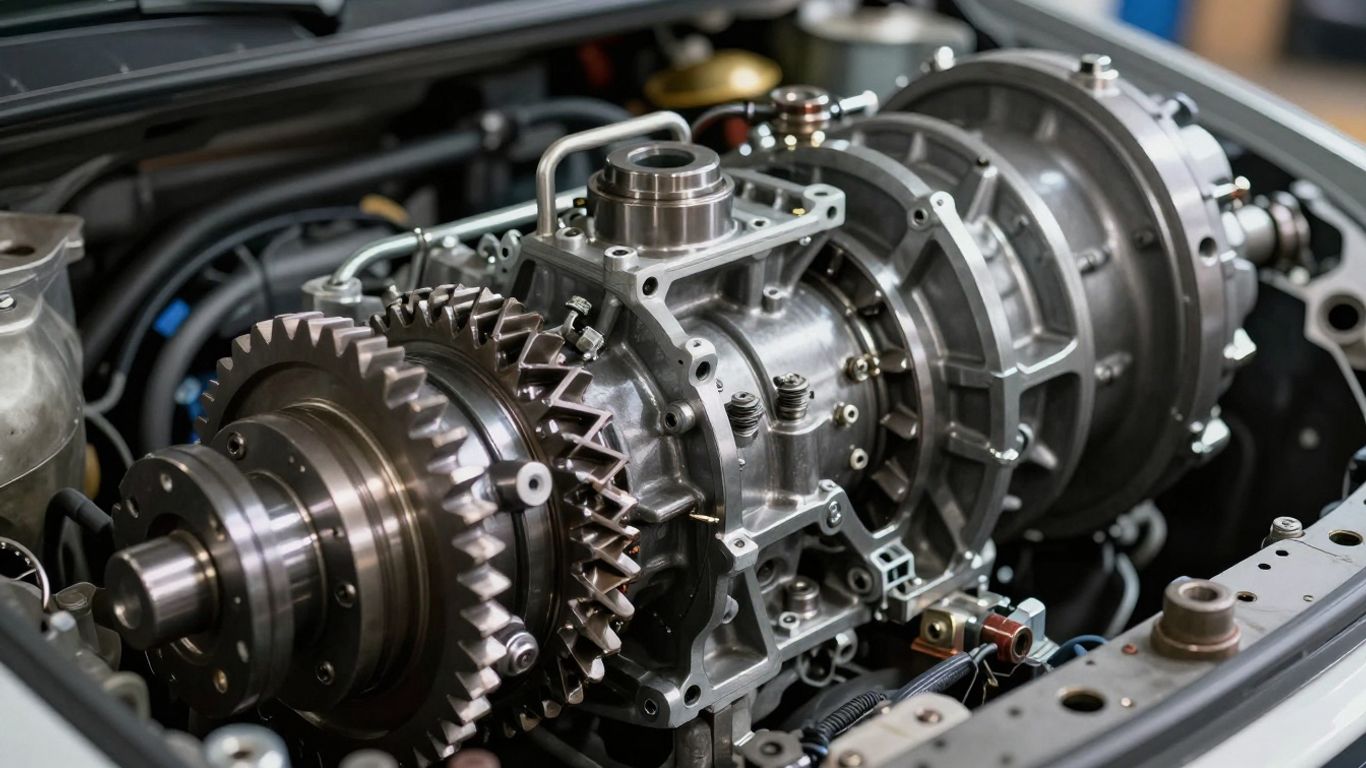
When your car’s transmission starts acting up, it’s not just an annoyance; it can really put a damper on your day. You might be wondering what your options are, especially here in Perth. It’s a big decision, and knowing the differences between new, rebuilt, and used transmissions is key. A rebuilt transmission often hits that sweet spot between cost and reliability.
New vs. Rebuilt vs. Used Transmissions
Let’s break down what you’re looking at:
- New Transmission: This is the factory-fresh option. It’s usually the most expensive, but you get the peace of mind that comes with a brand-new unit. Think of it as getting a completely new start for your car’s power delivery system.
- Rebuilt Transmission: This is where a transmission is taken apart, cleaned, and any worn-out parts are replaced with new ones. It’s then put back together and tested. It’s a solid choice if you want something more reliable than used but can’t swing the price of new. The quality really depends on who does the rebuilding, though.
- Used Transmission: This is the budget-friendly route. You’re getting a transmission that’s already been in another vehicle. The biggest gamble here is its remaining lifespan and the condition it’s in. You’ll want to know about any warranty, even if it’s short.
OEM vs. Aftermarket Parts
When a transmission is rebuilt, the parts used matter. You’ll see two main categories:
- OEM (Original Equipment Manufacturer): These are parts made by your car’s original maker. They’re designed to fit perfectly and meet the manufacturer’s standards. They tend to be pricier.
- Aftermarket: These parts are made by companies other than your car’s manufacturer. They can be a more affordable option, but the quality can really vary from brand to brand. It’s worth asking your mechanic what brands they trust.
The Importance of Professional Installation
No matter which type of transmission you choose, getting it installed correctly is a big deal. A shoddy installation can lead to all sorts of problems down the road, even if the transmission itself is top-notch. Having a qualified mechanic handle the job is non-negotiable. They have the tools, the knowledge, and the experience to make sure everything is hooked up right, from the fluid lines to the mounts. It’s one of those things where trying to save a few bucks by doing it yourself or going with a less experienced shop can end up costing you a lot more in the long run. If you’re looking for a reliable place to get this done, checking out transmission specialists in Perth can point you in the right direction.
Choosing the right transmission and ensuring it’s installed by professionals are the two biggest steps you can take towards a lasting repair. Don’t cut corners here; your car’s performance and your wallet will thank you later.
Signs Your Transmission Needs Attention
Your car’s transmission is a pretty complex piece of machinery, and when it starts acting up, you’ll usually notice it. Ignoring these signs can turn a small issue into a major, expensive problem down the road. So, what should you be looking out for?
Recognising Warning Signs
Sometimes, the signs are subtle, other times they’re pretty obvious. Paying attention to how your car feels and sounds is key to catching transmission trouble early. Here are some common indicators that your transmission might be crying for help:
- Slipping Gears: This is a big one. You might feel like your car is suddenly in neutral, or the engine revs up without the car actually speeding up. It’s like the transmission is struggling to connect the engine power to the wheels. This can be really unnerving and even dangerous if it happens unexpectedly.
- Rough or Delayed Shifting: A healthy transmission shifts smoothly. If you notice a clunk, jolt, or a significant pause when your car changes gears, that’s not normal. For automatic transmissions, this hesitation or harshness means something isn’t quite right internally.
- Unusual Noises: Listen for humming, whining, or grinding sounds coming from your car, especially when it’s in gear or when you accelerate. These noises can point to worn-out parts inside the transmission.
- Burning Smell: If you catch a whiff of burning oil, particularly after driving or when you stop, it could be a sign of overheating transmission fluid. This fluid is vital for cooling and lubrication, and when it burns, it loses its effectiveness, leading to faster wear.
- Fluid Leaks: Check under your car for reddish or brownish fluid spots. Transmission fluid leaks often mean a seal or gasket is failing, which can lead to low fluid levels and serious damage.
- Dashboard Warning Lights: Don’t ignore that ‘Check Engine’ light or a specific transmission warning light. These lights are your car’s way of telling you it has detected a problem that needs looking into.
When Minor Repairs Aren’t Enough
Sometimes, a transmission issue might seem minor. A small fluid leak, for instance, might be fixable by replacing a seal. Or maybe a sensor is acting up, which is usually a straightforward repair. A simple fluid change can sometimes make a noticeable difference if the old fluid was just degraded. However, if you’re experiencing persistent slipping, loud grinding noises, or if the transmission has been acting up for a while, it often means there’s more significant internal damage. When components like gears or clutch packs are worn out, patching them up might not be the best long-term solution. It’s often more practical and cost-effective to consider a full rebuilt transmission rather than pouring money into repeated, temporary fixes.
The Cost of Ignoring Transmission Issues
It’s tempting to put off transmission repairs, especially if the car is still drivable. But honestly, that’s usually a bad idea. Small problems tend to snowball. That minor leak can lead to low fluid, which causes overheating and internal wear. That occasional rough shift can eventually lead to a complete gear failure. The longer you wait, the more likely it is that a simple repair will turn into a full replacement. Plus, driving with a failing transmission can be unsafe, affecting your car’s ability to accelerate or maintain speed. If your automatic transmission in Perth is showing any of these signs, it’s best to get it checked out sooner rather than later.
Choosing a Rebuilt Transmission with Warranty
So, you’ve figured out your transmission is on its last legs. Bummer. Now comes the big decision: what kind of replacement are you going for? While a brand-new transmission is the gold standard, it also comes with a hefty price tag. That’s where a rebuilt transmission steps in as a really solid middle ground. It’s not just some used part pulled from another car; it’s a transmission that’s been taken apart, had worn-out bits replaced, and put back together. The key here is finding a reputable shop that does the rebuilding right.
What to Expect from a Rebuilt Transmission
A properly rebuilt transmission should perform much like a new one, but at a lower cost. The process involves:
- Disassembly: The entire transmission is taken apart.
- Inspection: Every single component is checked for wear or damage.
- Replacement: Any parts that don’t meet specifications are replaced with new ones. This often includes seals, gaskets, clutches, and bands.
- Reassembly: The transmission is put back together with precision.
- Testing: The unit is tested to make sure it shifts smoothly and operates correctly.
It’s important to remember that the quality of a rebuilt transmission really depends on the shop doing the work. Some shops cut corners, while others go the extra mile to ensure reliability. Asking about their specific rebuilding process can tell you a lot.
When you’re looking at rebuilt options, think of it like getting a refurbished piece of electronics. It’s been fixed up, tested, and should work great, but it’s not straight from the factory floor. The warranty is your safety net, making sure you’re covered if something unexpected pops up.
The Value of a Comprehensive Warranty
This is where you really protect yourself. A good warranty on a rebuilt transmission is non-negotiable. It’s your assurance that the shop stands behind their work. What should you look for?
- Duration: How long does the warranty last? Is it 12 months, 24 months, or longer? Some places even offer lifetime warranties on certain parts.
- Coverage: What exactly does it cover? Does it include parts and labour? Are there any exclusions for specific components or driving conditions?
- Transferability: Can the warranty be transferred if you sell your car? This can add value to your vehicle.
Don’t be afraid to ask detailed questions about the warranty. A shop that’s confident in their rebuilt transmissions will be happy to explain it all. This peace of mind is worth its weight in gold, especially with something as complex as a transmission. If you’re dealing with a transmission issue on a newer vehicle, you might want to check if it’s covered under your car’s warranty.
Finding Specialists in Perth
Perth has a number of mechanics who specialise in transmission work. You want someone who knows transmissions inside and out, not just a general mechanic. Look for shops that:
- Specialize specifically in transmission repairs and rebuilds.
- Have positive reviews and testimonials from other customers.
- Offer clear explanations of the work they do and the warranties they provide.
Doing a bit of homework can save you a lot of headaches down the road. Checking out local specialists for transmission replacement in Australia can give you a good starting point for finding reputable businesses in your area.
Benefits of Expert Transmission Services
When your car’s transmission starts acting up, it’s easy to feel overwhelmed. These are complex parts of your vehicle, and trying to figure out what’s wrong yourself can quickly turn into a headache. That’s where bringing in the pros really makes a difference.
Experience and Mechanical Expertise
Transmission specialists have spent years, sometimes decades, working on all sorts of gearboxes. They’ve seen pretty much every problem you can imagine, from a simple fluid leak to a complete internal breakdown. This deep well of experience means they can usually pinpoint the issue much faster than someone who only works on cars occasionally. They know the ins and outs of different makes and models, which is super important because not all transmissions are the same. For instance, getting specialized help for your Honda transmission can mean the difference between a quick fix and a drawn-out repair Honda transmission issues.
Specialised Services for All Vehicle Types
Think about it: a transmission in a small city car is quite different from the one in a heavy-duty truck or a high-performance sports car. Experts understand these differences. They have the right tools and knowledge to handle everything from standard automatic and manual transmissions to more complex CVT (Continuously Variable Transmission) systems. They can also work on transmissions for a wide range of vehicles, so whether you drive a daily commuter or a weekend cruiser, they’ve got you covered.
Advanced Diagnostic Capabilities
Modern cars have sophisticated computer systems, and transmissions are no exception. A good transmission shop will have advanced diagnostic equipment. This isn’t just about plugging in a code reader; it’s about using specialized tools that can monitor the transmission’s performance in real-time, check fluid pressures, and analyze sensor data. This level of detail helps them get to the root cause of a problem, not just treat the symptoms. It means they can tell you exactly what needs fixing and why, saving you from unnecessary repairs down the line. Plus, having a solid warranty on your transmission work provides that extra layer of security transmission warranty.
Relying on experts means you’re not just getting a repair; you’re getting a solution backed by knowledge and the right equipment. It’s about getting your car back on the road reliably and safely, without the guesswork.
Maintaining Your Transmission’s Performance
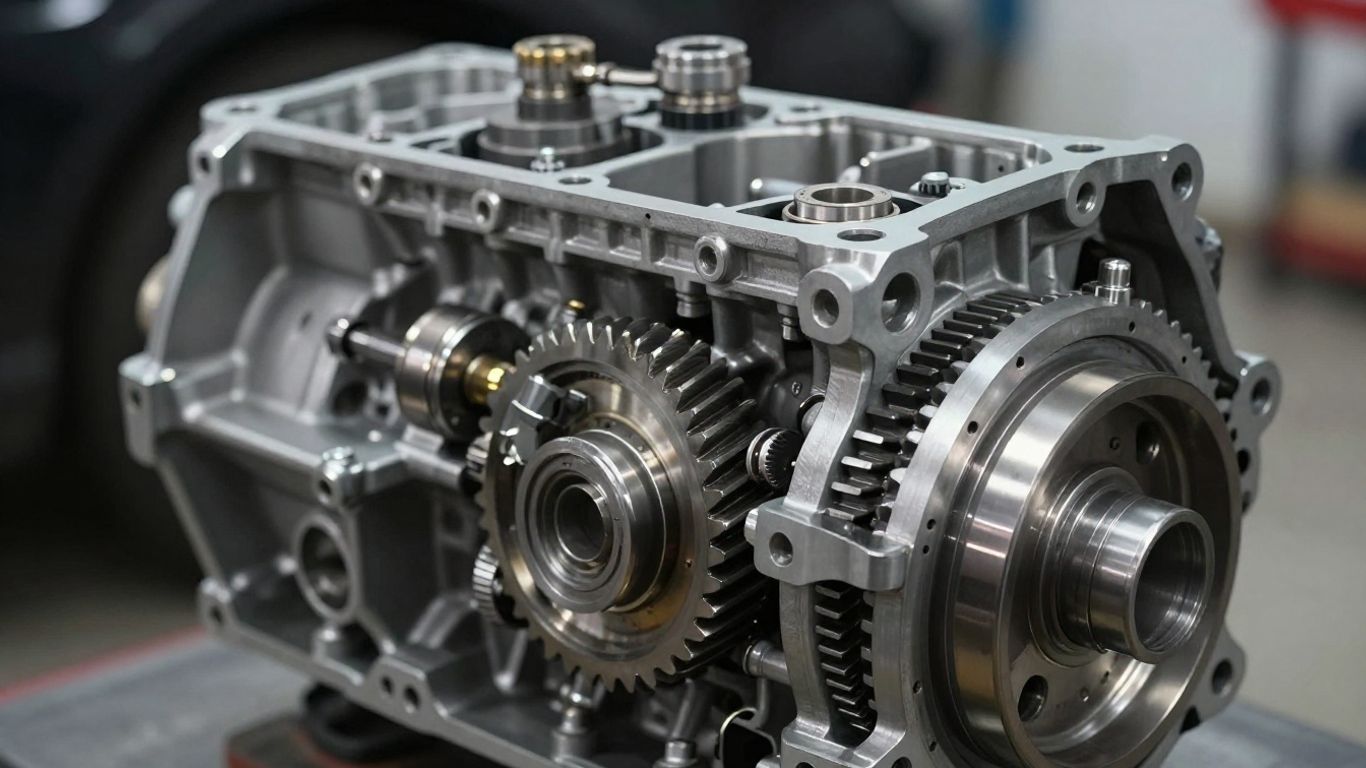
Keeping your transmission running smoothly is a big deal. It’s not just about avoiding costly repairs down the line, though that’s a huge part of it. A well-maintained transmission means your car drives better, shifts smoother, and generally feels more reliable on the road. Think of it like taking care of your own health – a little attention now can prevent major problems later.
Regular Transmission Servicing Schedule
Sticking to a regular service schedule is probably the single most important thing you can do for your transmission. Mechanics usually recommend a check-up every so often, but the exact timing can depend on your car and how you drive it. It’s not just about waiting for something to go wrong; it’s about preventative care. A good mechanic will look for early signs of wear, check fluid levels, and make sure everything is operating as it should. This proactive approach can save you a lot of headaches and money.
Here’s a general idea of what to expect during a service:
- Fluid Level and Condition Check: They’ll see if there’s enough fluid and if it looks clean or burnt.
- Leak Inspection: Looking for any signs of fluid escaping the system.
- Filter Check: If your transmission has a filter, they’ll inspect its condition.
- Diagnostic Scan: Hooking up a computer to check for any fault codes.
- Road Test: Driving the car to feel how the transmission shifts and performs.
Don’t underestimate the power of a simple inspection. Sometimes, a minor adjustment or topping up fluid can make a world of difference and prevent a small issue from becoming a major breakdown.
Fluid Replacements for Optimal Health
Transmission fluid is like the lifeblood of your transmission. It lubricates moving parts, cools the system, and helps with hydraulic pressure for shifting. Over time, this fluid can break down, get dirty, or lose its effectiveness. When that happens, your transmission has to work harder, leading to increased wear and tear. Changing the transmission fluid at the recommended intervals is absolutely vital for its longevity.
When it comes to fluid changes, there are a couple of approaches:
- Drain and Fill: This is the simpler method where old fluid is drained and replaced with new fluid. It doesn’t remove all the old fluid, but it’s a good start.
- Flush and Fill: This process uses a machine to pump out almost all the old fluid while simultaneously introducing new fluid. It’s more thorough but can sometimes stir up sediment in older transmissions. It’s best to discuss this with your mechanic to see what’s right for your vehicle. You can find more details on when and how to change your transmission fluid here.
Transmission Upgrades for Enhanced Driving
While not strictly maintenance, sometimes upgrading your transmission can improve its performance and even its lifespan. This is more common for enthusiasts or those with specific needs, but it’s worth knowing about. For instance, some people opt for different gear ratios to get better acceleration or improve fuel economy. Others might look into stronger components if they plan on towing heavy loads or driving their vehicle hard. If you’re curious about how your transmission could perform better, talking to a specialist about potential upgrades is a good idea. They can assess your current setup and suggest options that make sense for your driving style and vehicle. For those in Perth, understanding these options is part of maintaining your automatic transmission effectively.
Why Choose Perth’s Transmission Specialists
When your car’s transmission starts acting up, it’s not just an inconvenience; it can be a real headache. You want to know you’re taking it to someone who actually knows what they’re doing, right? That’s where picking the right transmission specialists in Perth really makes a difference. It’s not just about getting the job done; it’s about getting it done right, so you don’t have to worry about it again anytime soon.
Commitment to Customer Satisfaction
Good workshops want you to leave happy. This means clear communication about what’s wrong, what needs to be done, and how much it’ll cost. They should be upfront about everything. You’re not just another car to them; you’re a customer who needs reliable service. A shop that genuinely cares about your satisfaction will go the extra mile to explain things and make sure you’re comfortable with the repair process. It’s about building trust, plain and simple.
Affiliations and Industry Recognition
Look for signs that a workshop is serious about its trade. Being part of industry groups like the Motor Trade Association of Western Australia (MTA WA) or the Institute of Automatic Mechanical Engineers (IAME) shows they’re committed to professional standards. Some places might even be RAC Recommended Repairers, which is another good indicator. These affiliations mean they’re held to a certain level of quality and ethics. It’s like a stamp of approval that says they know their stuff and play by the rules.
Convenient Services for Perth Drivers
Life in Perth is busy, and nobody wants to be without their car for too long. The best transmission specialists understand this. They might offer things like:
- Loan cars so you can keep moving while yours is being fixed.
- Pick-up and drop-off services, especially if you live or work nearby.
- Arranging towing if your car can’t be driven.
- Extended operating hours to fit around your schedule.
These little conveniences add up and show they’re thinking about your needs. Finding a place that makes the repair process as smooth as possible is a big win. Remember, regular transmission servicing is key to avoiding bigger problems down the road, and it’s a good idea to get it checked out, especially considering the tough driving conditions here in Western Australia. Some people think transmission fluid lasts forever, but that’s a myth that can lead to costly repairs later on [e2b0].
Wrapping It Up
So, when your car’s transmission starts acting up in Perth, don’t panic. You’ve got options. Whether you go for a brand-new unit, a professionally rebuilt one with a solid warranty, or even a carefully selected used part, the key is finding a reputable shop. Getting a warranty is a smart move, giving you peace of mind. And always, always have a qualified mechanic do the installation. It might seem like a big expense now, but a reliable transmission means a safer, more dependable ride for miles to come. Give the specialists a call and get back on the road with confidence.
Frequently Asked Questions
What’s the main job of a car’s transmission?
A car’s transmission is like its power manager. It takes the energy from the engine and sends it to the wheels, making your car move. It uses different gears to control how fast your wheels spin compared to how fast the engine is running, so you can go slow or fast smoothly.
How often should I get my transmission checked?
It’s a good idea to have your transmission looked at about once a year, or every 20,000 kilometers. Driving in Perth can be tough on cars, so regular check-ups help catch small problems before they become big, expensive ones and keep your car running nicely.
What are some signs that my transmission might be having problems?
Watch out for strange noises like humming or grinding, especially when you’re driving or changing gears. You might also notice your car jerking, having trouble shifting gears, or a warning light popping up on your dashboard. Leaking fluid under your car is another big clue.
What’s the difference between a new, rebuilt, and used transmission?
A new transmission is fresh from the factory, the most reliable but also the priciest. A rebuilt transmission has had worn-out parts replaced, making it a good middle-ground option. A used transmission is the cheapest, but it’s already been used and might not last as long.
Why is it important to get a rebuilt transmission with a warranty?
A warranty is like a safety net. It means that if something goes wrong with the rebuilt transmission within a certain time, the repair shop will fix it or replace it without costing you more money. It gives you peace of mind knowing you’re covered.
When is it better to replace the whole transmission instead of just fixing it?
If the repairs needed are going to cost more than half the value of your car, it’s usually smarter to get a whole new or rebuilt transmission. Also, if your transmission has already been fixed a few times and is still causing trouble, it might be time for a complete replacement to avoid constant issues.