Figuring out the right spare parts for your car can feel like a puzzle sometimes. You want something that works well, lasts a good while, and doesn’t break the bank. Whether you’re dealing with a common fix or looking to upgrade, knowing where to start is half the battle. This guide breaks down how to find the best spare parts, from understanding what you need to actually buying them, so your car keeps running smoothly.
Key Takeaways
- When looking for spare parts, decide between Original Equipment Manufacturer (OEM) parts, which match what came with your car, and aftermarket parts, which are made by other companies and can be cheaper but vary in quality.
- Know the main types of car parts you might need, like engine, brake, or electrical components, to better understand what to look for.
- Check out suppliers carefully by reading reviews, looking for quality certifications, and seeing what kind of warranties they offer to ensure you’re getting reliable spare parts.
- Think about the trade-offs when picking parts – sometimes a cheaper option might not last as long, or a performance part might have other downsides.
- Buying spare parts online can be easy, but always research the part number, compare prices from different sellers, and make sure they have good return policies and warranties.
Understanding Your Vehicle’s Spare Parts Needs
So, you need a new part for your car. Maybe the brakes are squealing, or the engine’s making a funny noise. It happens to everyone, and figuring out what you actually need can feel like a puzzle. Let’s break down what goes into choosing the right bits and pieces for your ride.
OEM Versus Aftermarket Spare Parts
When you’re looking for a replacement part, you’ll mostly see two types: OEM and aftermarket. OEM stands for Original Equipment Manufacturer. These are the parts made by the same company that built your car. Think of them as the original parts, just like the ones that came on your car when it was new. They’re designed specifically for your make and model, so they should fit perfectly and work just like the original.
Aftermarket parts are made by other companies, not the car manufacturer. There are tons of these out there, and they can be a good option. Sometimes they’re cheaper, and you might find more choices. However, the quality can vary a lot. Some aftermarket parts are just as good as OEM, while others might not be.
Here’s a quick look at the trade-offs:
| Feature | OEM Parts | Aftermarket Parts |
|---|---|---|
| Fit & Quality | Designed specifically for your vehicle; high quality | Varies; can be excellent or subpar |
| Price | Generally more expensive | Often more affordable |
| Availability | Can sometimes be harder to find | Widely available, often with more options |
| Warranty | Usually comes with a solid warranty | Warranty can vary greatly by brand |
Choosing between them often comes down to your budget and how important a perfect match is to you. For critical safety items like brakes or steering components, sticking with OEM or a very reputable aftermarket brand is usually the way to go.
Key Automobile Parts Categories
Cars are complex machines with lots of moving parts. To make things easier, we can group them into main categories. Knowing these can help you pinpoint what you might need.
- Engine Components: This is the heart of your car. Parts here include things like spark plugs, filters, belts, and internal engine parts. They keep your car running and generating power.
- Braking System Components: Safety first! This category covers brake pads, rotors, calipers, and brake fluid. They’re vital for stopping your vehicle safely.
- Suspension and Steering Components: These parts affect how your car handles the road. Think shocks, struts, ball joints, and tie rods. They help give you a smooth ride and control.
- Electrical System Components: Your car needs power for everything from starting the engine to running the lights and radio. This includes the battery, alternator, starter, and fuses.
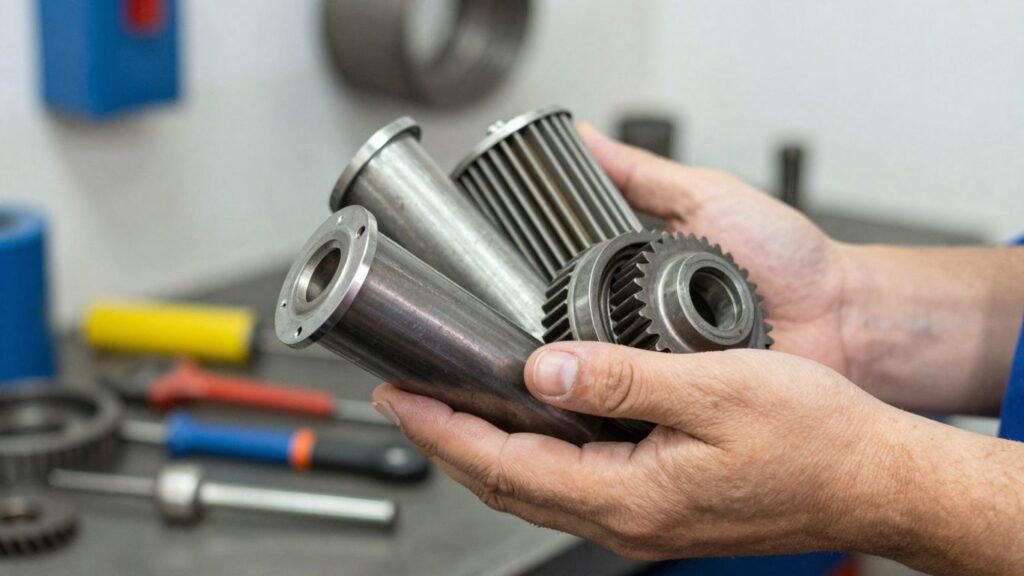
- Transmission Components: This system transfers power from the engine to the wheels. Parts include clutches, gears, and transmission fluid.
Understanding these main areas helps you talk to a mechanic or search for parts more effectively. It’s like knowing the difference between your house’s plumbing and electrical systems when you need a repair.
Materials Impacting Spare Part Durability
What a part is made of really matters for how long it lasts and how well it works. Different materials have different strengths and weaknesses.
- Steel: It’s strong and relatively cheap, making it common for things like chassis parts, suspension components, and engine blocks. It’s tough but can rust if not protected.
- Aluminum: Lighter than steel, which is great for fuel efficiency. You’ll find it in engine parts, wheels, and some body panels. It’s less prone to rust than steel but can be more expensive.
- Plastics and Composites: Used a lot in modern cars for things like bumpers, interior trim, and even some engine covers. They’re lightweight and can be molded into complex shapes. High-performance composites, like carbon fiber, are super strong and light but very costly.
The material choice is a balancing act between cost, weight, strength, and how the part will be used. A part that needs to withstand high heat and pressure will use different materials than a decorative trim piece.
Navigating the Spare Parts Market
So, you need a new part for your car. Where do you even start looking? It can feel like a maze out there, with so many options and places to buy. Let’s break down how to find what you need without getting lost.
Sourcing Original Equipment Manufacturer (OEM) Parts
OEM parts are basically the ones made by the same company that built your car. Think of it like getting a replacement part directly from the source. For luxury cars, especially brands like BMW, Audi, or Mercedes-Benz, sticking with OEM is often recommended. These parts are designed to fit perfectly and maintain the car’s original performance and feel. While they usually cost more, they come with the assurance that they meet the exact standards your car was built with. This can be really important for keeping your vehicle’s value up and its systems running smoothly.
Exploring Aftermarket Spare Parts Options
Aftermarket parts are made by companies other than your car’s manufacturer. This is where you can often find more choices and potentially save some money. The quality can really vary, though. Some aftermarket parts are just as good as OEM, and some might even offer performance upgrades. Others, well, not so much. It’s a bit of a gamble sometimes. You’ll want to do your homework, look for reputable brands, and check reviews. For example, if you need new brake pads, you might find a performance set that stops better than the original, but it might also be noisier.
Here’s a quick look at what to consider:
- Price: Generally lower than OEM.
- Selection: Often a wider variety of brands and types.
- Quality: Can range from excellent to poor; requires careful research.
- Compatibility: Needs to be verified to ensure it fits your specific vehicle model and year.
Understanding the Canadian Auto Parts Market
If you’re in Canada, the auto parts scene is pretty robust. You’ve got a mix of parts made right here and ones imported from all over. The market is known for sticking to strict safety rules, which is good news for us drivers. Whether you drive a common sedan or a high-end European model, you’ll find what you need. Online shopping has become a big deal here too. It’s convenient, often cheaper, and you can find pretty much anything without leaving your house. Just make sure the online store you use has a good return policy, especially if you’re ordering parts for a specific make like a BMW or Audi.
When you’re looking for parts, especially for European cars, remember that the details matter. A part that looks similar might not actually work the same way. Always double-check the part number and confirm it’s compatible with your car’s exact year, make, and model. It might take a little extra time, but it saves a lot of headaches down the road.
Choosing the Right Spare Parts Supplier
Finding a good place to buy your car parts can feel like a puzzle. You want parts that work well and don’t break the bank, right? It’s not just about grabbing the first thing you see. You’ve got to do a little homework to find someone you can trust.
Evaluating Supplier Reliability and Reputation
When you’re looking for a supplier, check out what other people are saying. Online reviews and ratings can give you a good idea of whether a company is on the up and up. Did they get parts on time? Were the parts good quality? Did the company handle problems well? These are all things to look for.
- Check online reviews: Look at sites like Google, Yelp, or even car forums.
- Ask around: Talk to mechanics you trust or other car owners.
- See how long they’ve been in business: Longer usually means more stable.
A supplier’s reputation is built over time. A company that consistently provides good service and quality parts will likely have positive feedback from many customers. Don’t be afraid to spend a little extra time researching to avoid future headaches.
Assessing Quality Certifications and Warranties
Some suppliers will have certifications that show their parts meet certain standards. These can be a good sign that the parts are made well. Also, pay attention to warranties. A good warranty means the supplier stands behind their products. If a part fails, a warranty can save you a lot of money and hassle.
Here’s a quick look at what to consider:
| Feature | What it Means for You |
|---|---|
| Certifications | Parts meet industry standards for quality and safety. |
| Warranty | Protection if the part is defective or fails prematurely. |
| Return Policy | Ability to send back parts that don’t fit or are wrong. |
Seeking Recommendations and Reviews
Don’t underestimate the power of a good recommendation. Your mechanic might have a go-to supplier they’ve used for years. Car clubs or online communities dedicated to your specific car model can also be goldmines of information. People who own and work on the same type of vehicle as you often have tried and tested sources they’re happy to share. It’s like getting insider tips for finding the best deals and the most dependable parts.
Making Informed Spare Parts Decisions
So, you’ve figured out what parts you need, maybe even narrowed down whether OEM or aftermarket is the way to go. Now comes the tricky part: actually picking the right one. It’s not just about grabbing the first thing you see. You’ve got to think about what you’re actually getting for your money and how it’s going to work with your car.
Weighing the Pros and Cons of Different Parts
Every part has its good points and its downsides. Take brake pads, for example. You can get some super high-performance ones that’ll stop you on a dime, which is great for safety, right? But they might squeal like crazy and leave a dusty mess on your wheels. Or maybe you’re looking at wheels. Fancy alloy ones look sharp and can make your car feel a bit quicker because they’re lighter. But they can also get rusty or dinged up easier than plain old steel wheels.
Here’s a quick look at some common trade-offs:
- Performance vs. Longevity: Sometimes, parts designed for peak performance wear out faster than standard ones.
- Cost vs. Quality: Cheaper parts might save you cash now, but they could fail sooner, costing more in the long run.
- Fitment vs. Customization: OEM parts usually fit perfectly, but aftermarket can sometimes offer unique features or styles.
It really comes down to what’s most important for your car and your driving.
Knowing When to Replace or Upgrade Spare Parts
When do you just swap out a worn-out part, and when do you go for something better? Usually, it’s routine maintenance that tells you it’s time. Things like brake pads and tires wear down with normal use, and you just replace them with similar ones. But sometimes, you might want to upgrade. Maybe you live somewhere with rough winters and want better tires for snow. Or perhaps you’re looking to get a bit more pep out of your engine. You could even upgrade your suspension to make the ride smoother or handle better on twisty roads.
Deciding whether to replace or upgrade isn’t always straightforward. It depends on the part’s function, how much you drive, and your budget. Sometimes, a simple replacement is all that’s needed. Other times, a small investment in an upgraded part can make a noticeable difference in how your car performs or feels.
Ensuring Compatibility and Fitment
This is super important. You can’t just put any old part on your car and expect it to work. You need to make sure it’s the right size and shape and that it’s designed for your specific make, model, and year. Using a part that doesn’t fit right can cause all sorts of problems, from poor performance to actual damage to your car. Always double-check part numbers and vehicle compatibility lists. If you’re unsure, it’s always best to ask a parts specialist or your mechanic. Getting this wrong can turn a simple repair into a much bigger headache.
Purchasing Spare Parts Online Effectively
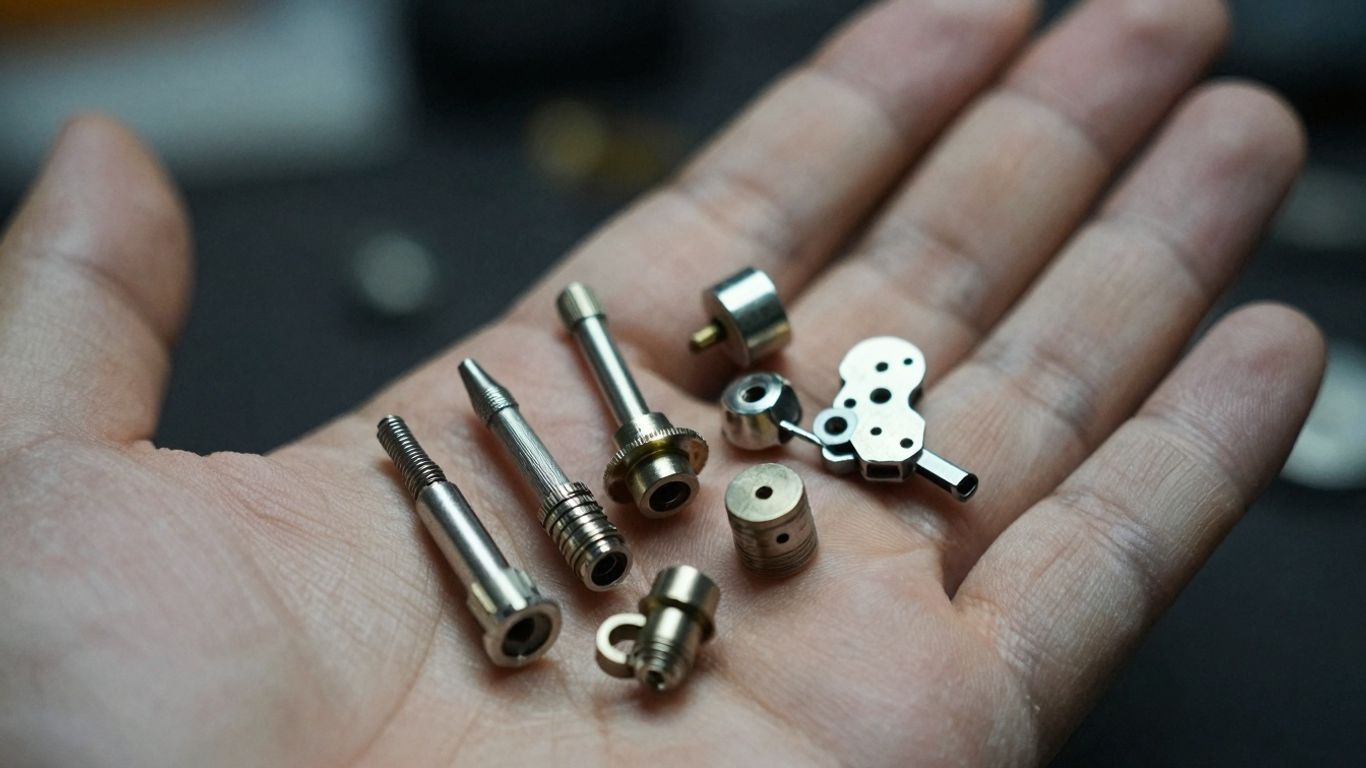
Buying car parts online can be a real time-saver, and often, you can find better prices than at your local shop. But, let’s be real, it’s not always straightforward. You’ve got to be smart about it to avoid getting ripped off or ending up with parts that don’t fit.
Best Practices for Buying Auto Spare Parts Online
When you’re clicking around for that specific filter or brake pad, keep these things in mind. It’s about being prepared and knowing what to look for. The right part number is your best friend here.
- Know Your Part Number: This is non-negotiable. Find the exact part number for your vehicle. Check your owner’s manual, look up your car’s details on the manufacturer’s website, or even call a dealership if you’re really stuck. This stops you from buying something that looks right but isn’t.
- Compare, Compare, Compare: Don’t just grab the first thing you see. Look at a few different sellers. Check not just the price of the part, but also shipping costs. Sometimes a slightly more expensive part with free shipping is a better deal.
- Read the Fine Print: Pay attention to the seller’s return policy and any warranties offered. What happens if the part is faulty? How long do you have to return it? Who pays for return shipping? This stuff matters.
Finding Reputable Online Retailers
Not all online stores are created equal. You want to buy from someone who’s got a good track record. It’s like choosing a mechanic; you want someone you can trust.
- Check Reviews and Ratings: See what other customers are saying. Look for patterns in the feedback. Are people happy with the quality? Was shipping fast? Was customer service helpful?
- Look for Certifications: Some sites might mention industry certifications or affiliations. While not always a deal-breaker, it can be a good sign that they take quality seriously.
- Consider Established Brands: Sometimes sticking with well-known online auto parts stores, even if they aren’t the absolute cheapest, can give you more peace of mind. They often have more robust systems for returns and customer support.
Buying car parts online is a bit of a treasure hunt. You’re looking for that perfect combination of price, quality, and reliability. It takes a little effort upfront, but it can save you a lot of headaches and money down the road. Don’t rush the process; take your time to research and make sure you’re buying from a place that stands behind its products.
Navigating Shipping and Returns for Spare Parts
This is where things can get tricky. You’ve ordered your part, but what happens next?
- Shipping Speed vs. Cost: Most sites offer different shipping speeds. Figure out if you need the part tomorrow or if you can wait a week. Express shipping usually costs more, so weigh that against how urgently you need it.
- Understand Return Conditions: Make sure you know the rules for returns before you buy. Some places charge a restocking fee, others require you to pay for return shipping, and some might not accept returns on certain items at all. If a part doesn’t fit, you don’t want to be stuck with it.
- Packaging Matters: When the part arrives, check the packaging. If it’s damaged, note it down and take pictures before you even open it. This can be important if you need to file a claim or return the item.
Maintaining Your Vehicle with Quality Spare Parts
The Importance of Quality Spare Parts
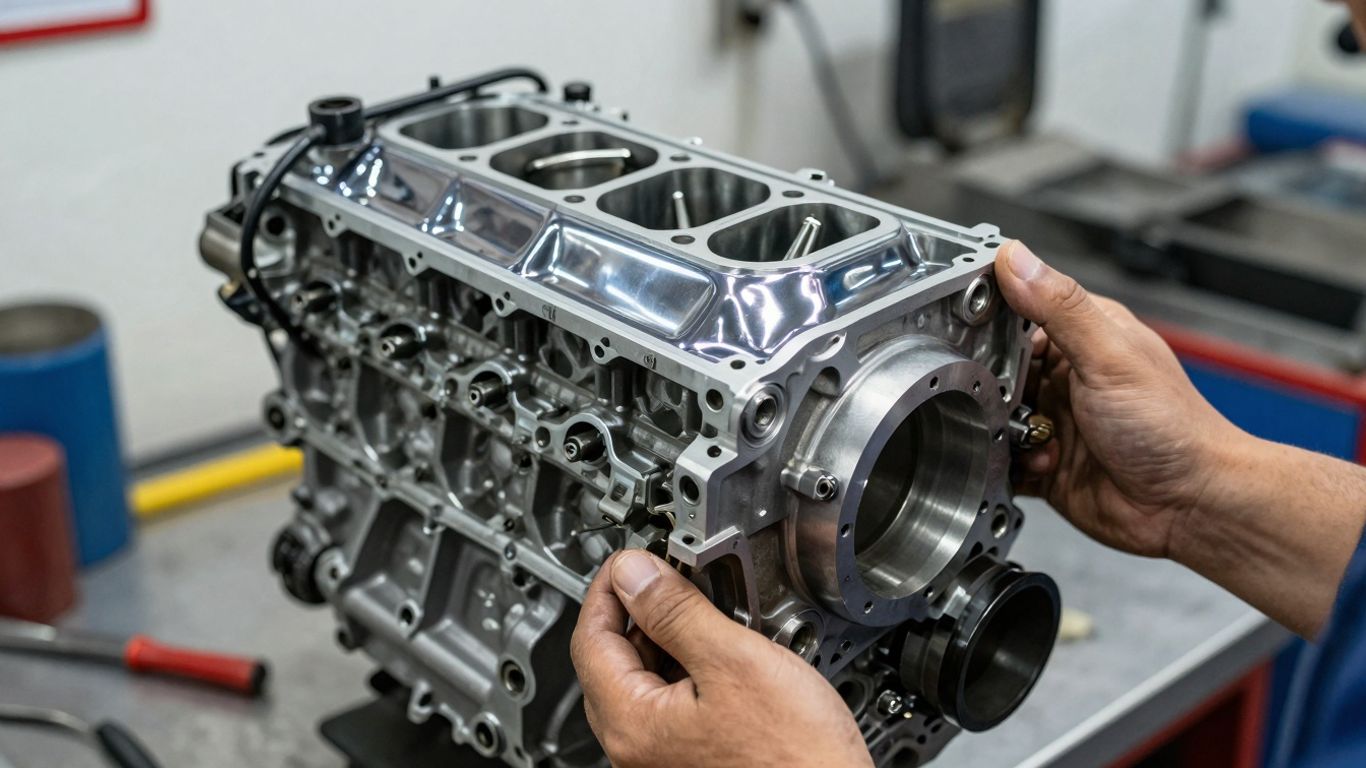
Keeping your car running well isn’t just about regular oil changes. The actual parts you use make a big difference. Using good quality spare parts, whether they’re from the original maker (OEM) or a trusted aftermarket brand, means they’re built to work right with your car. This helps avoid problems down the road, like parts wearing out too fast or not fitting properly. When you put in quality parts, you’re investing in your car’s reliability and your own peace of mind. It’s like using good ingredients when you cook – the final dish just turns out better.
Tips for Proper Vehicle Maintenance
So, how do you make sure you’re using the right stuff and keeping your car in shape? It’s not rocket science, but it does take a little attention.
- Check Your Owner’s Manual: Seriously, this little book has a ton of info. It tells you when certain parts should be looked at or replaced, and what kind of parts your car actually needs. Don’t guess!
- Buy from Good Places: Stick to suppliers you know are reliable. We talked about this earlier, but it’s worth repeating. Avoid the super-cheap, no-name brands if you can. Look for places with good reviews.
- Get a Good Mechanic: Even if you’re handy, some jobs are best left to the pros. Find a mechanic you trust. They can spot issues you might miss and will know which parts are good quality.
- Listen to Your Car: Weird noises, strange smells, or a different feel when you drive? Don’t ignore them. These are often signs that a part is starting to go bad and needs attention before it causes a bigger problem.
Extending Vehicle Lifespan with the Right Parts
Think of your car like a person. If you eat well and take care of yourself, you’ll likely live longer and feel better. It’s the same with your car. Using parts that are made well and designed for your specific vehicle helps prevent wear and tear. This means fewer breakdowns, less money spent on unexpected repairs, and a car that performs better, maybe even using less gas. It all adds up to a vehicle that can serve you well for many more years than if you’d cut corners on parts.
Choosing the right spare parts isn’t just about fixing something that’s broken. It’s about making smart choices that keep your vehicle safe, reliable, and performing at its best over the long haul. It’s a proactive approach to car ownership that pays off.
Wrapping It Up
So, finding the right car part might seem like a big deal at first, but it doesn’t have to be. We’ve gone over a lot, from knowing if you need an original part or a different brand, to figuring out where to buy them and what to watch out for. Remember to check your car’s manual, look at reviews, and don’t be afraid to ask questions. Getting the right parts means your car will run better and last longer, which is a win-win. Keep these tips in mind, and you’ll be a pro at this in no time.
Frequently Asked Questions
How often do I need to change car parts?
It really depends on the part! Some things, like oil filters, might need changing every few thousand miles. Others, like spark plugs, can last much longer, maybe up to 30,000 miles. Your car’s manual is the best place to find out exactly when each part needs attention.
Are parts not made by the original car company okay to use?
Sometimes, yes! These are called aftermarket parts. If you buy them from a trusted maker, they can be just as good and often cost less. They might even make your car perform better. Just be sure they’re made well and will fit your car right.
What’s the most important thing to check when buying a new car part?
Make sure the part is made for your specific car model. Also, think about what it’s made of, who made it, and if it comes with a guarantee. Sometimes, you might want a part that makes your car faster or last longer.
What’s the difference between OEM and aftermarket parts?
OEM parts are made by the same company that built your car, so they’re guaranteed to fit perfectly and work just like the original. Aftermarket parts are made by other companies. They can be cheaper and you might have more choices, but their quality can vary a lot.
Why is it important to use good quality parts?
Using good parts keeps your car running smoothly and safely. It helps prevent breakdowns and costly repairs down the road. Plus, quality parts can make your car last longer and even save you money on gas.
Is it safe to buy car parts online?
Buying car parts online can be super convenient and save you money. Just make sure you’re buying from a website that has good reviews and a clear return policy. Always double-check the part number to make sure it’s the right one for your car.