Keeping your car running smoothly means you’ll eventually need to buy new parts. It can feel like a puzzle sometimes, trying to figure out what to get and where to find it. This guide is here to help you sort through all the options when it comes to getting the right auto parts for your vehicle, making sure you get good quality without any major headaches.
Key Takeaways
- Understand the difference between Original Equipment Manufacturer (OEM) parts, aftermarket parts, and used parts to make the best choice for your car.
- Explore various places to buy auto parts, like online stores, local shops, and dealerships, weighing the pros and cons of each.
- When picking a supplier, check their reputation, what parts they have, and what their warranty and return policies are.
- Always double-check part numbers and vehicle fitment to ensure compatibility, and don’t hesitate to ask for expert advice.
- Compare prices to get good value, but remember that quality and reliability are often more important than just the lowest cost for your auto parts.
Understanding Auto Parts Types
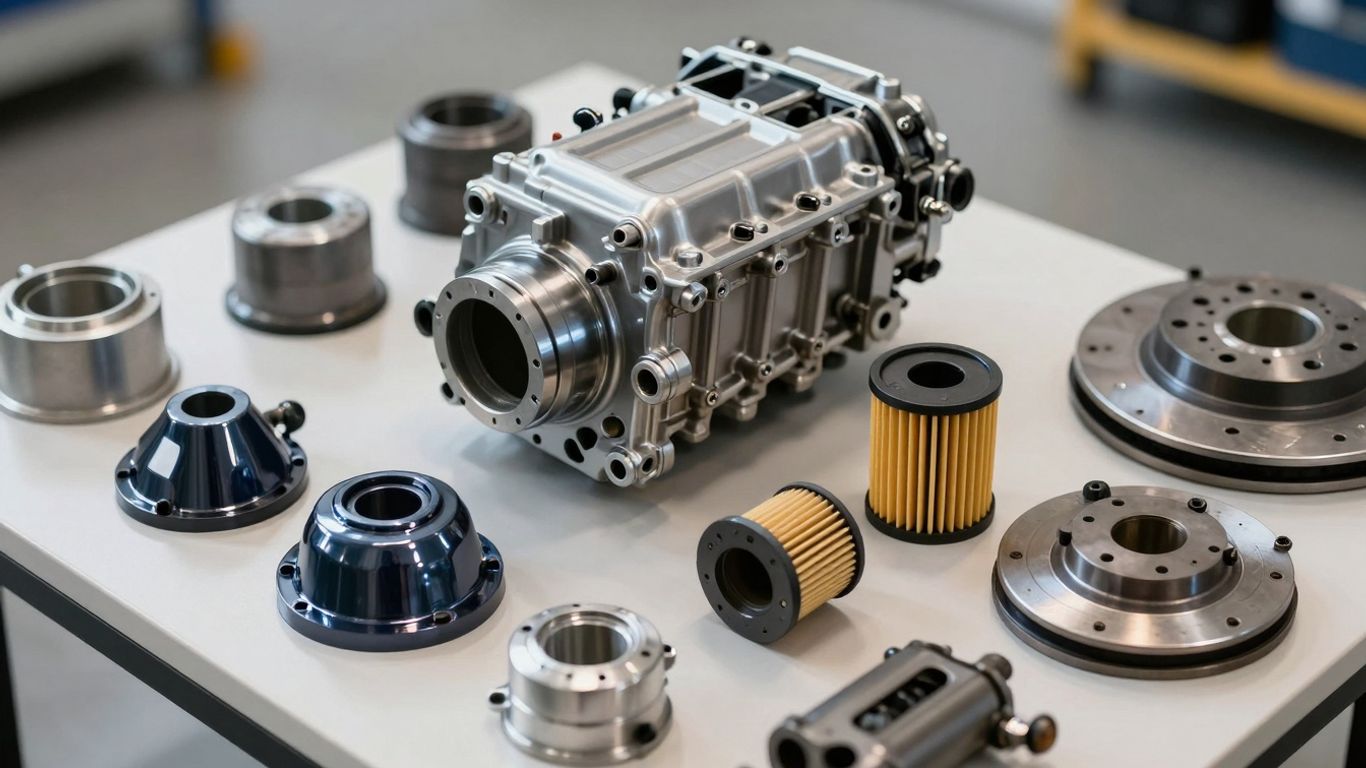
When you’re looking to fix up your car, whether it’s a simple tune-up or a bigger repair job, you’ll run into different kinds of parts. Knowing the difference between them can save you headaches and maybe even some cash. Let’s break down the main categories you’ll see out there.
Original Equipment Manufacturer (OEM) Parts
These are the parts made by your car’s manufacturer or by a company they’ve specifically hired to make those exact parts. Think of them as the same stuff that was in your car when it rolled off the assembly line. They’re designed to fit perfectly and work just like the originals. If you want your car to stay as close to its factory condition as possible, OEM is usually the way to go. They tend to be a bit pricier, though.
Aftermarket Parts Explained
Aftermarket parts are made by companies other than your car’s original maker. There are tons of these companies out there, and they make parts for pretty much every car model. The quality can really vary. Some aftermarket parts are just as good as, or even better than, OEM parts, and they often cost less. Others? Well, they might not be the best quality. It’s important to do your homework on the brand and read reviews before buying. You might find:
- Parts that are direct replacements for OEM.
- Performance parts designed to upgrade your car.
- More budget-friendly options.
When considering aftermarket parts, remember that ‘cheaper’ doesn’t always mean ‘better’. Look for reputable brands and check compatibility carefully.
Considering Used Auto Parts
Used parts, sometimes called salvaged or recycled parts, come from other vehicles that are no longer in use. This can be a really smart option for older cars where new parts might be hard to find or super expensive. You can often find good deals at salvage yards or specialized used parts dealers. Just make sure the part is in good shape before you buy it. It’s a good idea to:
- Inspect the part for any damage, rust, or wear.
- Ask about the vehicle the part came from, if possible.
- Check if the seller offers any kind of guarantee or return policy.
Buying used parts can be a great way to save money, but it does require a bit more careful inspection on your part.
Where to Source Quality Auto Parts
Alright, so you need a part for your car. Where do you even start looking? It can feel like a maze, but breaking it down makes it way easier. You’ve got a few main avenues to explore, and each has its own perks.
Shopping online for car parts has gotten super popular, and for good reason. You can find pretty much anything without leaving your couch. The biggest plus is the sheer variety; you’re not limited to what a local store has on its shelves. Plus, you can often find some really good deals if you shop around. Websites like Partsgeek have a huge selection, and they’re a good place to start comparing prices. Just remember to check out reviews for the seller and the specific part you’re looking at. Sometimes, a super low price might mean lower quality, so keep that in mind.
Here are a few things to think about when you’re browsing online:
- Part Number Accuracy: Double-check, triple-check that part number against your vehicle’s needs. A typo can lead to a big headache.
- Seller Reputation: Look for established sellers with lots of positive feedback. Avoid sellers with a ton of negative reviews or no reviews at all.
- Shipping Costs and Times: Factor these into the total price. Sometimes a cheaper part ends up costing more with high shipping fees or long waits.
When you’re buying online, it’s easy to get caught up in just the price. But really, you need to look at the whole picture. What’s the seller’s return policy like? Do they offer any kind of warranty on the part? These details can save you a lot of trouble down the road if something isn’t quite right.
Don’t count out your local auto parts store just yet. While they might not have the endless aisles of the internet, they have some solid advantages. For starters, you can often get the part the same day, which is a lifesaver if your car is your only way to get around. The staff there usually know their stuff too. If you’re not totally sure what you need, they can often help you figure it out and point you in the right direction. It’s that personal touch that you just don’t get online.
- Immediate Availability: Need it now? Your local store is probably your best bet.
- Expert Advice: Talk to someone who can actually see your car or knows common issues.
- Easy Returns: If the part is wrong or faulty, taking it back is usually straightforward.
Dealerships are often seen as the most expensive option, and sometimes that’s true. However, they are usually the go-to for Original Equipment Manufacturer (OEM) parts. These are the exact same parts that your car came with from the factory. If you’re looking for the absolute best fit and performance, and you don’t mind paying a bit more, the dealership is a reliable source. They also have a vested interest in making sure you’re happy with the part and that it’s compatible with your specific vehicle. They’ll have all the correct documentation and can usually order exactly what you need, even if it’s not in stock.
Key Factors When Selecting Auto Parts Suppliers

Picking the right place to buy your car parts can make a big difference. It’s not just about getting the cheapest deal; it’s about getting parts that work well and last. You want to avoid headaches down the road, right? So, let’s look at what really matters when you’re choosing who to buy from.
Assessing Supplier Reputation and Reviews
This is a big one. Think about it: would you buy a used car from someone with terrible reviews? Probably not. The same goes for auto parts. A supplier’s reputation tells you a lot about their reliability and the quality of their products. Look for online reviews, ask friends or your mechanic for recommendations, and see if they have any industry recognition. A supplier that consistently gets good feedback is usually a safe bet. A solid reputation often means they stand behind their products and treat their customers well.
Examining Product Range and Availability
Does the supplier have what you need? It sounds simple, but it’s important. If you drive a common car, most places will have your parts. But if you have something a bit older or less common, you need a supplier with a wide selection. It’s also about whether they actually have the part in stock. Nothing is more frustrating than ordering a part only to be told it’s backordered for weeks. Check if they carry both OEM parts and reputable aftermarket options, giving you more choices.
Understanding Warranty and Return Policies
This is where you protect yourself. What happens if the part you buy is faulty or doesn’t fit? A good supplier will have a clear and fair warranty and return policy. This means you can get a replacement or your money back without a huge hassle. Always read the fine print before you buy. Some suppliers might have strict conditions, while others are much more flexible. Knowing this upfront can save you a lot of trouble.
Here’s a quick rundown of what to look for:
- Warranty Period: How long is the part covered?
- Coverage: What exactly does the warranty include (defects, premature failure)?
- Return Window: How long do you have to return an unused or incorrect part?
- Return Process: Is it easy to initiate a return or claim a warranty?
Sometimes, a slightly higher price from a supplier with a great warranty and return policy is actually better value. It means you’re paying for peace of mind and a commitment to customer satisfaction, which can be worth a lot when you’re dealing with car repairs.
Ensuring Auto Parts Quality and Compatibility
So, you’ve got the part you think you need. Great! But before you slap it on your car, we need to talk about making sure it’s actually the right part and that it’s good quality. Nobody wants to buy something only to find out it doesn’t fit or breaks after a week. That’s just a waste of time and money, and honestly, it can be a real headache.
Verifying Part Numbers and Vehicle Fitment
This is probably the most important step. You absolutely have to confirm that the part you’re buying is made for your specific car. Think of it like trying to fit a square peg in a round hole – it just won’t work. The easiest way to do this is by using your vehicle’s VIN (Vehicle Identification Number). Most online stores and even the parts themselves will have a way to check if a part matches your VIN. You can also look up the exact part number for your car model and year. Always double-check the part number against what your car actually needs. If you’re unsure, don’t guess. It’s better to ask someone who knows or look it up thoroughly. You can often find this info on the manufacturer’s website or by using their online tools. Checking compatibility is key to avoiding problems down the road.
Recognizing Quality Assurance Standards
When you’re looking at parts, especially aftermarket ones, it’s good to know if they meet certain standards. Some parts might have certifications or come from brands known for making reliable stuff. It’s not always obvious, but sometimes you can tell by the materials used or how well the part is put together. If a part looks flimsy or feels cheap, it probably is. Look for parts that mention meeting industry standards or come from manufacturers with a good track record. This helps you avoid parts that might fail prematurely.
The Importance of Expert Advice
Sometimes, even after all your research, you might still have questions. That’s totally normal! Don’t be afraid to ask for help. If you’re at a local auto parts store, talk to the staff. A good parts store employee can often tell you if a part is a good choice or if there’s a better option. If you’re buying online and are confused about fitment or quality, reach out to the seller’s customer service. A company that’s willing to help you figure things out before you buy is usually a good sign. They should be able to answer your questions clearly.
Buying the right auto part isn’t just about finding something that looks like it will fit. It’s about making sure it’s built to last and compatible with your vehicle’s systems. Taking a little extra time here saves you a lot of trouble later on.
Making Informed Auto Parts Purchases
Alright, so you’ve done your homework, figured out what kind of parts you need, and maybe even narrowed down where you’re going to buy them. Now comes the part where you actually pull the trigger. It’s not just about grabbing the first thing you see, though. There are a few more things to think about to make sure you’re not just buying a part, but getting good value and something that’s actually going to work.
Comparing Pricing and Overall Value
Look, nobody wants to overpay. When you’re shopping around, it’s easy to get caught up in just the sticker price. But that’s only part of the story. You’ve got to think about the whole picture. Shipping costs can add up fast, especially if you need something quickly. Sometimes a slightly higher price from one place might actually be a better deal if shipping is free or much cheaper. Also, consider if the part comes with any extras, like necessary hardware or a better warranty, which can save you headaches down the road.
Here’s a quick way to think about it:
- Base Price: What’s the actual cost of the part itself?
- Shipping & Handling: How much extra will it cost to get it to your door?
- Taxes: Don’t forget to factor in any sales tax.
- Installation Costs: If you’re not doing it yourself, get a quote beforehand.
- Warranty/Return Policy: Does a better policy justify a slightly higher price?
Prioritizing Quality Over Cost
It’s tempting, I know. That super cheap part looks really appealing, especially when you’re trying to keep repair costs down. But honestly, sometimes you get what you pay for. A part that’s significantly cheaper than others might be made with lower-quality materials or have less precise manufacturing. This can lead to it failing prematurely, potentially causing more damage or requiring another replacement sooner than you’d like. It’s often smarter to spend a bit more upfront for a part that’s known for its durability and reliability. Think about the long game – a quality part can save you money and hassle in the long run. If you’re unsure about the quality of a specific brand or part, checking reviews or asking a trusted mechanic can be a good idea.
When you’re looking at different options, try to find a balance. The cheapest part isn’t always the best, and the most expensive one isn’t always necessary. Aim for a part that offers a good mix of quality, durability, and a fair price from a seller you can trust. This approach helps avoid future problems and keeps your vehicle running smoothly.
Secure Payment and Shipping Considerations
Once you’ve decided on the part and the seller, you want to make sure the final steps are smooth. When you’re ready to pay, especially online, look for secure payment options. Websites that use encryption (you’ll often see ‘https’ in the web address and a padlock icon) are generally safer. If you’re buying from a less familiar online store, it might be worth checking out their customer reviews to see if others have had issues with payments or shipping. Also, pay attention to the shipping details. How long will it take to arrive? Is there a tracking number so you can follow its journey? Knowing these details can help you plan your repair or installation schedule better and avoid any nasty surprises when the package finally shows up.
Proper Care and Storage of Auto Parts
So, you’ve tracked down the perfect part for your ride. Awesome! But don’t just toss it in a corner. How you store it can make a big difference down the road, especially if you’re not installing it right away. Keeping parts in good shape before they go on your car means they’ll work better and last longer.
Storing Parts in Original Packaging
Think of the box or wrapping the part came in as its first line of defense. It’s designed to protect the part from bumps, dust, and maybe even a little moisture. If the original packaging is still good, use it. If it’s torn or lost, grab a sturdy plastic bin with a lid that seals well. This keeps things clean and dry, which is super important.
Protecting Parts from Environmental Factors
Where you store your parts matters a lot. Avoid places that are damp or humid. Moisture is the enemy here; it can lead to rust and corrosion, turning a perfectly good part into junk. Also, steer clear of areas with extreme heat or direct sunlight. High temperatures can warp or damage certain materials. A cool, dry, and shaded spot is usually the best bet for most auto parts.
Organizing Your Auto Parts Inventory
When you’ve got a few parts lying around, things can get messy fast. It’s a good idea to keep them organized. Labeling is your friend here. Not only label the part itself if possible, but also the bin or shelf where it’s stored. This makes finding what you need way easier later on. You might even want to keep a simple list of what you have and where it is, especially if you have a lot of parts. This helps prevent you from buying something you already own or forgetting about a part you need. Keeping an accurate digital record of parts can really help optimize inventory management and efficiency [5007].
Taking a little time to store your parts correctly now can save you a lot of hassle and money later. It’s about making sure that when you’re ready to install that part, it’s in the same condition you bought it in.
Wrapping It Up
So, finding the right auto parts doesn’t have to be a huge headache. We’ve gone over a bunch of stuff, from checking out different suppliers to making sure you know what you’re actually buying. Remember to look at reviews, compare prices, and always check those return policies. Taking a little extra time now can save you a lot of trouble and money later. Your car will thank you for it, and you’ll be back on the road with confidence.
Frequently Asked Questions
What’s the difference between OEM and aftermarket car parts?
OEM parts are made by the same company that built your car, so they’re like the originals. Aftermarket parts are made by other companies. They can be a good option, but it’s smart to check their quality and who made them.
How can I make sure a part will fit my car?
Always check the part number and make sure it matches your car’s make, model, and year. Looking up your car’s details on the seller’s website or asking a store expert is a good way to be sure.
Where’s the best place to buy car parts?
You have a few good choices! Local auto parts stores offer expert help, dealerships have original parts, and online stores often have a huge selection and good prices. It’s smart to compare them.
Should I buy the cheapest parts I can find?
It’s usually better to focus on quality rather than just price. Cheaper parts might break sooner or not work as well, costing you more in the long run with extra repairs or damage.
What should I do if a part I bought is faulty?
Before you buy, check the seller’s return and warranty policy. A good supplier will have clear rules for returning bad parts or offering replacements, which protects you.
How should I store extra car parts?
Keep parts in their original boxes if possible. Store them in a dry, cool place away from heat and moisture to prevent rust or damage. Keeping them organized makes it easy to find them later.