
So, your car’s transmission is acting up? It’s a common headache, and figuring out what to do next can feel overwhelming. You’ve got options, from fixing bits and pieces to swapping the whole thing out. This article is all about replacement gearboxes and transmissions, helping you sort through the noise and make a smart choice for your ride. We’ll break down when it’s time to consider a change, what your choices are, and how to make sure you get the best bang for your buck.
Key Takeaways
- Replacement gearboxes and transmissions become necessary when internal damage is too severe for simple repairs or rebuilds, or when fixing the old unit is more costly than a replacement.
- Watch out for signs like slipping gears, strange noises, rough shifting, or delayed acceleration – these often point to transmission trouble.
- When choosing a replacement, consider new (OEM) units for guaranteed compatibility, remanufactured ones for a balance of cost and quality, or used units as a budget option with higher risk.
- Factors like your vehicle’s age and value, how you use your car, and the complexity of your specific transmission type all play a role in deciding the best replacement strategy.
- Always get a professional diagnosis before deciding on a replacement, choose reputable shops, and carefully check warranty terms and compatibility to avoid common, costly mistakes.
Understanding Replacement Gearboxes and Transmissions
So, your car’s transmission is acting up. It’s a bummer, for sure. Transmissions are pretty complex pieces of machinery, and when they start to have problems, it can really affect how your vehicle drives. Sometimes, it’s just a minor issue that can be fixed, but other times, the damage is too much, and you’re looking at a replacement. It’s not always an easy decision, and knowing when it’s time to swap out the old unit for a new one is key.
When Replacement Becomes Necessary
There comes a point with any mechanical part where it just wears out or breaks. For transmissions, this usually happens when internal components are too damaged to be repaired effectively. Think of it like a really bad flu; sometimes you just need to rest and recover, but other times, you might need something more serious. Catastrophic failure, where major parts are broken, is a clear sign that replacement is the way to go. This can happen from lack of maintenance, hard driving, or just plain old wear and tear over many miles. If parts are scarce or incredibly expensive to fix, swapping the whole unit might actually be more practical and cost-effective. Sometimes, newer versions of a transmission have design improvements that fix known issues with older models, making replacement a smart move for long-term reliability.
Signs Your Transmission Needs Attention
How do you know if your transmission is on its last legs? Well, there are a few tell-tale signs. You might notice your car hesitates when you try to accelerate, or maybe it feels like it’s slipping out of gear. Weird noises, like grinding or whining, especially when you shift, are never a good sign. Leaking transmission fluid is another big red flag – that fluid is like the blood of your transmission, keeping everything lubricated and cool. You might also feel clunking or jerking sensations when the transmission shifts gears, which can be pretty unsettling. Ignoring these symptoms can lead to more serious damage, making a simple fix turn into a full replacement. It’s always better to get it checked out sooner rather than later. A professional diagnosis is the best way to figure out what’s going on and whether a repair or a full transmission rebuild or replacement is in your future.
Transmission Repair vs. Rebuild vs. Replace
When your transmission starts acting up, you’ve got a few options, and they’re not all the same. Repairing a transmission usually means fixing a specific broken part or leak. It’s often the cheapest option if the problem is minor. Rebuilding, on the other hand, is a much more involved process. It means taking the entire transmission apart, cleaning all the pieces, replacing worn-out parts, and putting it all back together. This usually gives you a transmission that’s like new again, but it takes time and expertise. Finally, there’s replacement. This is when you take out the old transmission and put in a completely different one – either a brand-new one, a professionally remanufactured unit, or even a used one from another vehicle. Each has its pros and cons:
- Repair: Good for small, isolated issues. Quick and usually less expensive.
- Rebuild: Addresses all internal wear. Can be cost-effective for longevity but takes longer.
- Replace: Can be faster, especially with remanufactured units. Offers a fixed cost and sometimes an improved design.
The choice between these options often comes down to the severity of the problem, the age and value of your vehicle, and how long you plan to keep it. Getting a good diagnosis is the first step to making the right call.
Choosing the Right Replacement Transmission
When your car’s transmission decides it’s had enough, you’ve got a few paths to consider. It’s not just about getting a new one; there are different kinds of replacements, each with its own set of pros and cons. Picking the right one can save you headaches and money down the road.
New (OEM) Transmissions
This is like getting the factory original, straight from the car maker or their authorized dealer. It’s the most expensive option, no doubt about it. But, you’re getting something brand new, built to the exact specs your car left the assembly line with. This usually means the highest level of reliability and a solid warranty to back it up. If you plan on keeping your car for a long time and want the absolute best, a new OEM transmission is the way to go. It’s the most straightforward choice, really, because it’s designed specifically for your make and model.
Remanufactured Transmissions
Think of a remanufactured transmission as a used one that’s been completely taken apart, cleaned, inspected, and rebuilt with new or reconditioned parts. These are often done on an assembly line by specialized companies, not necessarily the car manufacturer. The quality can vary quite a bit depending on who did the remanufacturing. Some are top-notch, while others might be just okay. They usually come with a warranty, which is a big plus. It’s often a good middle ground between the cost of new and the risk of used. You’re getting a unit that’s been brought back to factory specifications, which is pretty good.
Used Transmissions
This is the cheapest option, hands down. You’re getting a transmission pulled from another vehicle, usually from a salvage yard or junkyard. The big problem here is the unknown. You don’t really know how the transmission was treated in its previous life, how many miles are on it, or what its internal condition is. It might work perfectly, or it might fail a week after you install it. Warranties are typically very limited or non-existent. While tempting for budget reasons, it’s a gamble. You’re basically hoping for the best, and sometimes that doesn’t work out.
When you’re looking at replacement options, it’s easy to get caught up in the price. But remember, the cheapest option isn’t always the best value. Consider the potential for future repairs and the peace of mind that a good warranty provides.
Here’s a quick look at what you’re generally getting:
- New (OEM): Highest cost, highest reliability, best warranty.
- Remanufactured: Mid-range cost, good reliability (varies by rebuilder), decent warranty.
- Used: Lowest cost, lowest reliability, minimal to no warranty.
Your choice will really depend on how much you want to spend, how long you plan to keep the car, and how much risk you’re willing to take.
Factors Influencing Your Replacement Decision
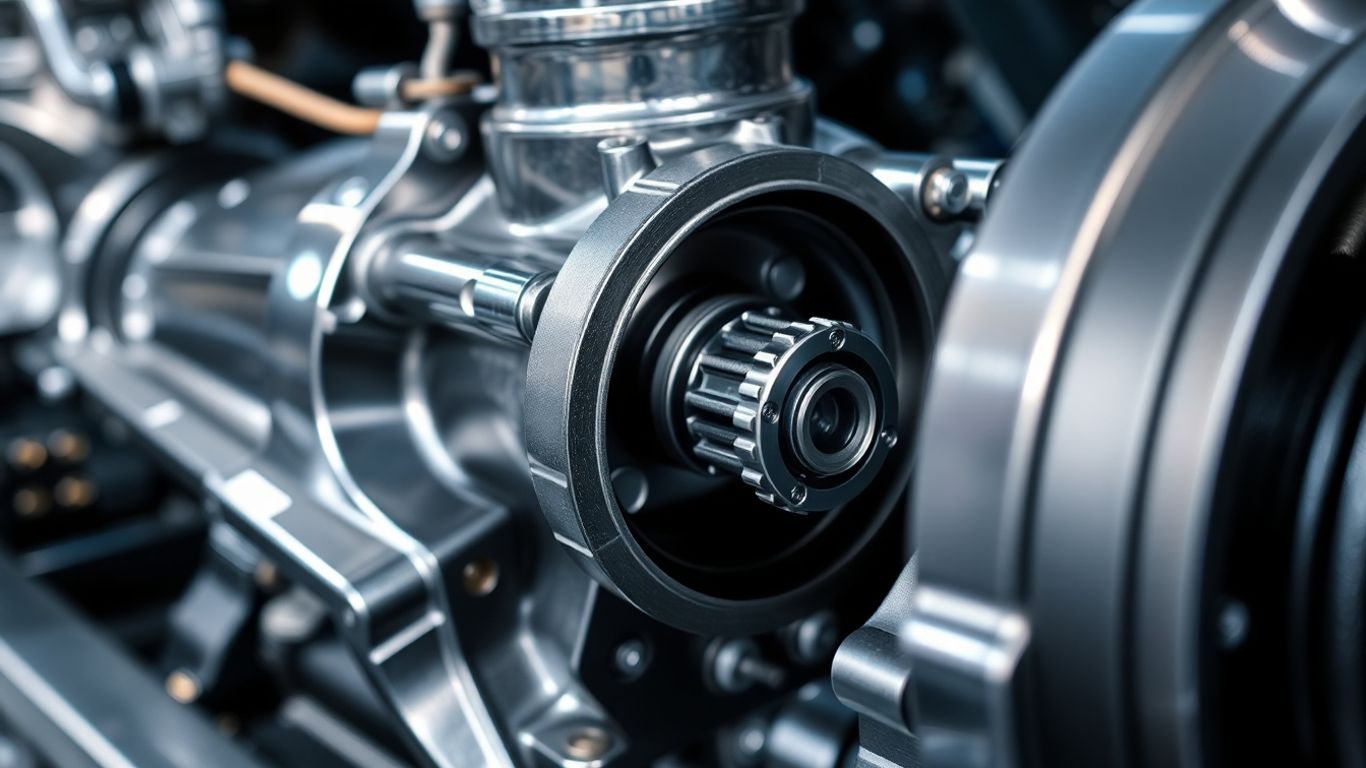
So, you’re staring down the barrel of a transmission replacement. It’s a big deal, no doubt about it. But before you just grab the first option you see, let’s talk about what really goes into making the right call. It’s not just about getting your car back on the road; it’s about doing it smartly.
Vehicle Age and Value Considerations
Think about your car’s birthday and what it’s worth. If you’ve got a newer car or one that’s still got a lot of life and value left in it, investing in a quality replacement or even a rebuild might make more sense. Keeping the transmission in good shape helps maintain that resale value down the line. On the flip side, if your car is older and maybe not worth a fortune, throwing a ton of money at a brand-new transmission might not be the most practical move. In those cases, a used transmission or a more targeted repair could be the way to go. It’s all about balancing the cost against the car’s overall worth.
Your Driving Needs and Future Plans
How you use your car matters a lot. Are you planning on keeping this vehicle for another decade, racking up miles on long road trips? If so, you’ll want something reliable that’s built to last. A rebuild or a top-notch replacement unit is probably your best bet here. It’ll handle the wear and tear better in the long run. But if you’re thinking of selling the car in the next year or two, you might not need to go all out. A more economical solution that just gets the job done might be sufficient. You don’t want to over-invest if you’re not going to be the one benefiting from that longevity.
Transmission Type and Complexity
Not all transmissions are created equal, you know. Standard manual transmissions are often simpler and cheaper to fix or replace. Parts are usually easier to find, too. But when you get into more complex systems, like Continuously Variable Transmissions (CVTs) or those found in high-performance or luxury vehicles, things get trickier. Sometimes, with these specialized units, getting a factory-new or a professionally remanufactured transmission is actually the more straightforward and reliable path. It avoids a lot of potential headaches that can come with trying to rebuild something highly intricate. It’s worth looking into what kind of transmission you have and how common parts and expertise are for it. You can often find information on different transmission types to help you understand yours better.
Making the right choice here isn’t just about fixing a problem; it’s about making a smart investment for your vehicle’s future and your wallet. Don’t rush the decision.
Here’s a quick rundown to help you think it through:
- Vehicle Age: Newer vs. Older
- Future Plans: Long-term ownership vs. Short-term
- Transmission Type: Standard vs. Complex/Specialty
- Budget: How much can you realistically spend?
- Urgency: How quickly do you need your car back?
The Replacement Gearbox and Transmission Process
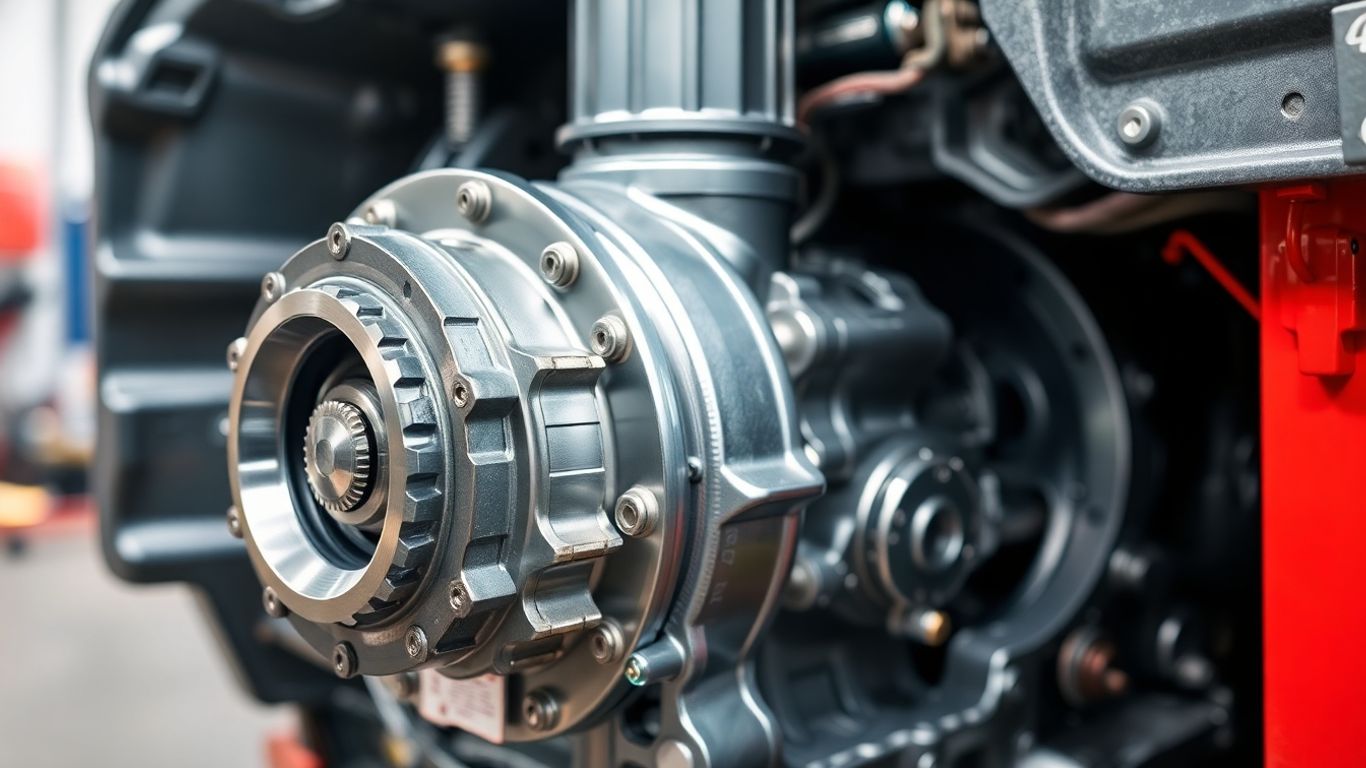
What Happens During A Transmission Replacement
So, your transmission needs swapping out. What exactly goes down? It’s not just a quick bolt-on job. First off, a pro will confirm that replacement is really the way to go. Once that’s settled, they’ll carefully disconnect everything attached to the old transmission – think driveshafts, sensors, and mounts. Then, the old unit gets pulled out. The new or remanufactured transmission is then put into place, making sure it lines up perfectly with the engine and all the vehicle’s electronic brains. After it’s bolted in, there’s a whole calibration phase. This is super important so the transmission talks right with the rest of your car and shifts smoothly. It’s a detailed process, especially with today’s high-tech transmissions.
Time Expectations for Replacement
Don’t expect to drop off your car in the morning and pick it up by lunch. Swapping out a transmission takes time. How much time? Well, it depends. A smaller car might be quicker than a big truck. Plus, you have to factor in getting the replacement unit, whether it’s new, remanufactured, or used. Then there’s the actual installation, plus all the post-installation checks and tests. Technicians also need to refill it with the right fluid and make sure everything is programmed correctly. It can easily take a few days, sometimes longer if parts are hard to find or if there are unexpected issues.
Ensuring Proper Calibration and Testing
This is where the real magic happens after the physical swap. Calibration is key. It’s like teaching the new transmission how to speak your car’s language. This involves hooking up diagnostic tools to make sure all the sensors are talking to the computer and that the shifts are happening at the right times and with the right feel. After calibration, thorough testing is a must. This usually includes:
- Checking all fluid levels and making sure there are no leaks.
- Testing the torque converter and clutch packs.
- Taking the vehicle for a road test under various conditions – city driving, highway speeds, and maybe even some hills.
- Listening for any strange noises or feeling any odd vibrations.
This final stage is critical for making sure the replacement job is done right and that you won’t have problems down the road. It’s about confirming that everything works as it should, giving you peace of mind.
Advantages and Considerations for Replacement
So, you’re looking at getting a new transmission or gearbox. It’s a big job, no doubt about it, and it can feel pretty overwhelming. But let’s break down what you gain and what you need to think about before you hand over the keys.
Benefits of Opting for Replacement
When your transmission throws in the towel, a replacement unit can often get you back on the road faster than a full rebuild. Think about it: a new or professionally remanufactured transmission is usually ready to go. This means less downtime for your vehicle, which is a huge plus if you rely on your car for work or just can’t stand being without it. Plus, these units often come with a solid warranty, giving you some peace of mind. It’s like getting a fresh start for your car’s most complex system. Sometimes, you can even get an upgraded design that corrects known issues from the original factory transmission, potentially making your car run better than before.
Potential Drawbacks and Uncertainties
Now, it’s not all sunshine and rainbows. The biggest question mark with replacement is quality, especially if you’re looking at used parts. You never quite know the full history of a used transmission, and while remanufactured units are generally good, quality can vary between shops. There’s also the possibility of compatibility hiccups; sometimes, a replacement unit might need extra programming or minor tweaks to work perfectly with your car’s computer. It’s not always a simple plug-and-play situation.
Understanding Core Charges and Warranties
When you buy a replacement transmission, you’ll almost always encounter something called a ‘core charge.’ Basically, the seller wants your old transmission back, and they charge you extra upfront until you return it. Make sure you know the process for returning your old unit to get that charge back. Warranties are also super important here. They can range from a few months to several years, depending on the type of transmission and who you buy it from. Always read the fine print on the warranty – what exactly does it cover, and what are the conditions? Getting a proper diagnosis from a professional is key to figuring out if replacement is truly the best path forward for your specific situation. Sometimes, a repair might be more sensible, but if replacement is the way to go, understanding these details helps you make a smarter choice.
- Core Charge: This is a deposit you pay until your old transmission is returned.
- Warranty Coverage: Understand what’s included – parts, labor, duration.
- Installation Quality: Even the best transmission can fail if installed incorrectly.
Deciding on a transmission replacement involves weighing the immediate benefits of getting a functional unit against the potential risks of unknown quality and compatibility. It’s a significant investment, so doing your homework on the source of the replacement and the warranty offered is absolutely vital.
Avoiding Common Replacement Gearbox Mistakes
The Importance of Professional Diagnosis
Look, nobody wants to spend money on their car if they don’t absolutely have to. But when it comes to your transmission, trying to guess what’s wrong or just slapping in a new part without a proper look-see can end up costing you way more in the long run. A qualified mechanic, especially one who really knows transmissions, can tell you if it’s a simple fix or if you’re really looking at a full replacement. They’ve got the tools and the know-how to figure out exactly what’s going on inside that complex box. Skipping this step is like going to the doctor and saying, ‘I feel a bit off, just give me the strongest medicine you have.’ It’s just not smart.
Choosing Specialized Transmission Shops
Your regular neighborhood mechanic might be great for an oil change or fixing a flat tire, but transmissions? That’s a whole different ballgame. These are intricate pieces of machinery, and not every shop has the specialized equipment or the trained technicians to handle them properly. When you go to a shop that focuses specifically on transmissions, you’re more likely to get:
- Technicians who have seen and fixed hundreds, maybe thousands, of transmission problems.
- Access to specialized diagnostic tools designed just for transmissions.
- A better understanding of whether a repair, a rebuild, or a replacement is truly the best route.
- A higher chance of getting the right part installed correctly the first time.
Verifying Compatibility and Warranty Terms
So, you’ve decided on a replacement transmission. Awesome! But hold on a second. Before you hand over any cash, you need to make sure that shiny new (or remanufactured) transmission is actually the right fit for your specific car. Putting in the wrong one can cause all sorts of headaches, from performance issues to outright failure. Always double-check the part numbers and confirm with the shop that it’s a perfect match for your vehicle’s year, make, and model.
And then there’s the warranty. This is super important. What happens if, a few months down the road, something goes wrong with the replacement? A good warranty can save you a ton of money and hassle. Make sure you understand:
- What exactly is covered by the warranty (parts, labor, towing?).
- How long the warranty lasts (mileage and time limits).
- What you need to do to keep the warranty valid (like regular fluid changes).
- Who to contact if you have a warranty claim.
Don’t just assume a warranty is a warranty. Read the fine print, ask questions, and get everything in writing. It’s your protection against unexpected problems after the job is done.
Wrapping It Up
So, when your car’s transmission starts acting up, don’t just panic. Take a breath and remember all the options we’ve talked about. Whether it’s a simple repair, a full rebuild, or swapping in a whole new unit, there’s a path forward. It really comes down to what’s wrong with your specific transmission, how much you want to spend, and how long you plan on keeping your ride. Getting a good mechanic to look it over is the first step. They can tell you what’s really going on and help you figure out the best way to get back on the road without breaking the bank. It’s all about making a smart choice for your car and your wallet.
Frequently Asked Questions
When do I know if my car’s transmission really needs replacing?
If your car is acting strange when it shifts gears, like slipping, making weird noises, or feeling jerky, it’s a big sign. Sometimes, you might notice fluid leaks too. If these problems get worse or your car just doesn’t move right, it might be time to think about a replacement instead of just a fix.
What’s the difference between fixing, rebuilding, and replacing a transmission?
Fixing usually means replacing just one or two broken parts. Rebuilding means taking the whole transmission apart, fixing or replacing all the worn-out bits, and putting it back together like new. Replacing means taking out your old one and putting in a completely different one, either new or rebuilt.
What are the main types of replacement transmissions I can get?
You’ve got a few choices. A new (OEM) transmission is straight from the car maker, like getting a brand-new part. A remanufactured transmission has been taken apart, cleaned, and rebuilt to factory standards, often with new parts. A used transmission comes from another car, usually from a junkyard, and is the cheapest but riskiest option.
How long does it usually take to replace a transmission?
It’s not a quick job! Replacing a transmission can take a few days, depending on your car, the type of transmission, and how easily the mechanic can get to it. They also need time to hook everything up, add fluids, and test it to make sure it works perfectly.
What’s a ‘core charge’ when I replace my transmission?
A core charge is like a deposit you pay when you buy a replacement transmission. You get this money back when you return your old, broken transmission. It’s a way for the shop to make sure they get the old part back for rebuilding or recycling.
Why is it important to go to a specialized transmission shop?
Transmission shops have special tools and mechanics who know a lot about how these complex parts work. They can figure out exactly what’s wrong and make sure the new or rebuilt transmission is installed and set up correctly. General repair shops might not have the same expertise, which could lead to more problems down the road.